logo
0

Tender Breast During Pregnancy: Causes & Relief Tips

Learn why breast tenderness occurs during pregnancy, when it starts, how it changes, how to manage discomfort and when to see a doctor.

article image

Dr.Bhanu Prakash

Breast tenderness is one of the first changes many women notice during pregnancy. If your breasts feel sore, heavy, or unusually sensitive to the touch, you are not alone. Tender breasts during pregnancy are extremely common, and understanding why they happen and how they may change can make those early weeks feel a lot less alarming.

Is Breast Tenderness an Early Sign of Pregnancy?

Yes, breast tenderness is among the common early signs of pregnancy. Many women describe the feeling as similar to pre-period breast soreness, only more intense or longer lasting. Breast changes can begin early in pregnancy, sometimes around the time a period is expected or even before a missed period.

This happens because hormonal changes begin after implantation and support changes in the breasts as the body prepares for breastfeeding. Breast tenderness as an early pregnancy symptom is common, although its presence or absence cannot confirm pregnancy on its own.

Why Do Breasts Become Tender in Pregnancy?

The root cause is the rapid hormonal and physical changes that occur during pregnancy, particularly involving oestrogen and progesterone.

  • Oestrogen: Oestrogen stimulates the growth and development of the milk ducts and contributes to changes in breast tissue during pregnancy.
  • Progesterone: Progesterone supports the development of the milk-producing structures called lobules and alveolar glands.
  • Increased blood flow: Hormonal changes increase blood flow to the breasts, which can make them feel fuller, heavier, and more sensitive.
  • Breast tissue growth: As breast tissue develops and expands, the skin may stretch and contribute to feelings of tightness or discomfort.

Nipple sensitivity in pregnancy is also tied to these changes. The areolae, the darker skin around the nipples, often become larger and darker during pregnancy. All of these changes are part of the body's preparation for breastfeeding.

When Does Breast Tenderness Start and How Long Does It Last?

Understanding how breast changes may progress during pregnancy can help you know what to expect. However, there is considerable variation between women, and there is no fixed week-by-week pattern that applies to everyone.

  • Early pregnancy: Hormonal changes can cause breast tenderness, heaviness, tingling, or increased nipple sensitivity. Some women notice these changes around the time their period is due, while others notice them later.
  • First trimester: Breast tenderness may become more noticeable as pregnancy hormones continue to rise. The breasts may feel swollen, warm, heavy, or sore to the touch.
  • Second trimester: For many women, breast tenderness becomes less noticeable as the body adjusts to hormonal changes. However, some women continue to experience sensitivity or breast discomfort.
  • Third trimester: The breasts continue preparing for milk production. They may become heavier or more sensitive again, and some women may notice colostrum leaking towards the later stages of pregnancy.

It is worth knowing that the intensity varies widely from person to person. Some women experience significant discomfort during pregnancy, while others barely notice a change.

Pregnancy Breast Tenderness vs PMS: How to Tell the Difference

One of the most common questions women have is about sore breasts, pregnancy versus period. The sensations can feel very similar, which makes the early stages of a possible pregnancy genuinely confusing.

Feature

Pregnancy

PMS / Period

Onset

Can begin early in pregnancy, sometimes around the time a period is expected

Common during the days or weeks before a period

Duration

May continue after a missed period and into pregnancy

Usually improves when menstruation begins

Intensity

Can be more pronounced or persistent

Usually settles once the period starts

Nipple sensitivity

May increase

Can also occur

Other symptoms

Nausea, fatigue, frequent urination may occur

Bloating, mood changes, cramps may occur

Areola changes

Darkening and enlargement may occur

Significant changes are less typical

Breast tenderness alone cannot reliably distinguish pregnancy from PMS. The most reliable way to check for pregnancy is a home pregnancy test taken at the appropriate time. If you are unsure, speak with your doctor.

How to Manage Breast Tenderness During Pregnancy?

There are several practical steps to relieve breast discomfort during pregnancy without medication.

  • Wear the right support: A well-fitting, supportive bra can help reduce discomfort. Look for soft, breathable bras with wide straps and a comfortable band. Wireless maternity or pregnancy bras may be more comfortable for some women. Wearing a soft, supportive bra at night may also help if movement causes discomfort.
  • Temperature therapy: A warm compress applied to the breasts for a few minutes may ease aching. If warmth makes the tenderness worse, try a cool cloth instead. Use whichever feels more comfortable.
  • Choose loose clothing: Tight tops or anything that rubs against the nipples can worsen sensitivity. Loose, breathable fabrics can reduce friction and irritation.
  • Be gentle during daily routines: Adjust the showerhead to a gentler spray and pat dry rather than rubbing. Ask your partner to be mindful of breast tenderness during physical contact.
  • Sleep position: Sleeping on your side with a supportive pillow can reduce pressure on the chest, especially as the breasts become heavier. Choose the sleeping position that is comfortable for you and appropriate for your stage of pregnancy.

These measures can help manage breast discomfort without medication. Most women find that a combination of these strategies makes periods of increased tenderness more comfortable.

When to See a Doctor About Breast Pain in Pregnancy?

Most breast discomfort in pregnancy is completely normal. However, some symptoms warrant a prompt call to your doctor or midwife.

Contact your healthcare provider if you notice:

  • A new lump: A new lump or a lump that changes in size or shape should be evaluated.
  • Unusual nipple discharge: Bloody discharge or other unusual discharge should be discussed with your healthcare provider.
  • Skin changes: Redness, warmth, swelling, or skin changes that look like a rash or infection should be assessed.
  • Severe or localised pain: Severe pain, particularly if it is limited to one breast, should be evaluated.
  • Fever alongside breast pain: Fever with breast pain may indicate an infection, although breast infections are more common after birth.
  • Peau d'orange: Swelling with skin that resembles an orange peel is an unusual finding that requires medical assessment.

These symptoms are uncommon but should always be evaluated. Report any concerning changes to your healthcare provider without delay.

Contraindications and Precautions

Do not self-medicate for breast pain during pregnancy without speaking to your doctor or pharmacist first.

Non-steroidal anti-inflammatory drugs (NSAIDs), including ibuprofen and diclofenac, are not generally recommended during pregnancy unless specifically advised by a healthcare professional. The risks vary according to the medicine and stage of pregnancy. In particular, NSAID use from around 20 weeks of pregnancy may be associated with fetal kidney problems and low amniotic fluid, while use later in pregnancy can cause additional fetal complications. Some NSAIDs are specifically avoided from 30 weeks onwards because of the risk of premature closure of the fetal ductus arteriosus.

Even over-the-counter pain relievers that seem routine outside pregnancy may not be appropriate during pregnancy. Always speak with your doctor or pharmacist before taking any medication, including topical gels or creams.

Report adverse events to your healthcare provider or the relevant regulatory authority.

As you prepare for the months ahead, you may also find it helpful to read newborn care tips for after delivery to feel ready for what comes after birth.

Conclusion

Tender breasts are a common part of pregnancy and are mainly caused by hormonal changes and the development of breast tissue as the body prepares for breastfeeding. The timing and intensity can vary considerably, and breast tenderness may come and go as pregnancy progresses.
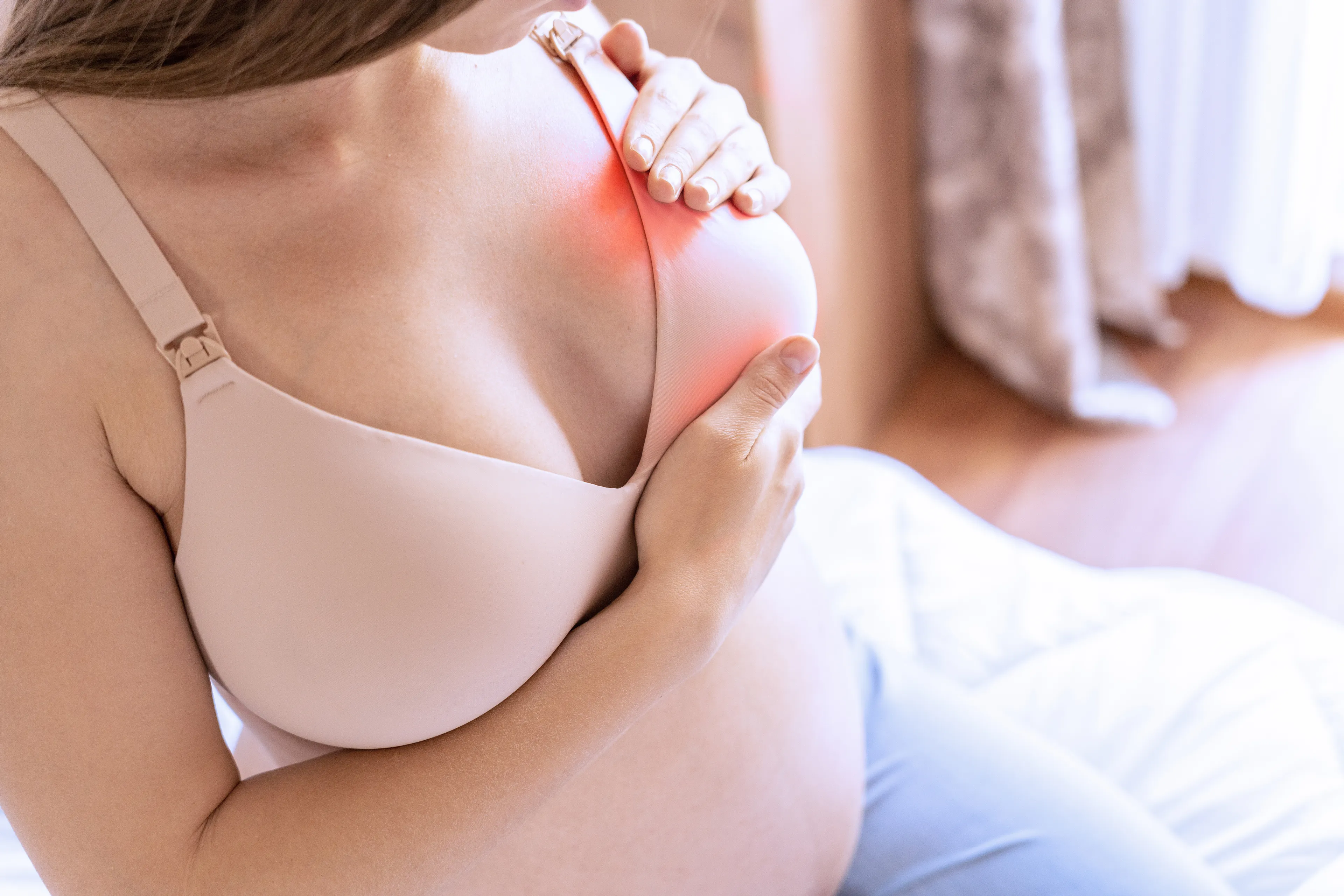
Simple measures such as wearing a comfortable, supportive bra, using warm or cool compresses, and avoiding unnecessary pressure or friction can help manage discomfort. However, severe or localised pain, a new breast lump, unusual nipple discharge, skin changes or fever should be evaluated by a healthcare professional.

FAQS

Does breast tenderness mean a healthy pregnancy?

Breast tenderness is a common pregnancy symptom driven by hormonal and physical changes, but its presence or absence does not confirm whether a pregnancy is progressing normally. Many women with healthy pregnancies have little to no breast soreness.

Can breast tenderness come and go in early pregnancy?

Yes. Breast tenderness can vary in intensity during pregnancy, and some days may feel more comfortable than others. Changes in breast tenderness alone are not usually a cause for concern.

Is it normal to have no breast tenderness in pregnancy?

Yes. Every woman's body responds differently to pregnancy hormones, and the absence of breast soreness does not indicate a problem. Other early symptoms, or no symptoms at all, can also occur.

What bra is best for tender breasts during pregnancy?

A soft, wireless maternity or nursing bra in a breathable fabric is generally a comfortable choice. Wide straps can help distribute weight, while a flexible band can prevent pressure on sensitive breast tissue.

Can breast tenderness be a sign of miscarriage?

Breast tenderness alone is not a sign of miscarriage. Pregnancy symptoms can naturally fluctuate, and changes in breast tenderness do not reliably indicate how a pregnancy is progressing. If you experience vaginal bleeding, significant cramping, severe abdominal pain, or other concerning symptoms, contact your doctor promptly.

Apollo 247 Floating Action Button