logo
0

Toddler Meal Ideas and Recipes

Looking for healthy toddler food recipes? Discover easy, nutritious meal ideas, including Indian recipes, for 2 and 3-year-olds to help picky eaters.

article image

Dr.Nallapu Siri

Transitioning your child from infant purees to family table foods is an exciting milestone, but it often brings a unique set of challenges. Between the ages of 1 and 3, toddlers experience rapid cognitive and physical development, yet their physical growth rate actually slows down compared to infancy. This drop in growth rate can cause their appetite to fluctuate wildly from one day to the next.

If you are a parent or caregiver, finding the right toddler food recipes can feel like a daily puzzle. You want to ensure your child receives the essential vitamins, minerals, healthy fats, and proteins they need, even when they decide they will only eat foods that are beige.

This comprehensive guide is designed to take the guesswork out of meal preparation. Here, we share paediatrician-approved dietary insights, practical feeding strategies, and delicious food recipes for toddlers that are easy to prepare, nutrient-dense, and highly appealing to little palates.

Understanding the Nutritional Needs of 2 and 3-Year-Olds

At this stage of development, toddlers require a variety of nutrient-rich foods to support brain growth, bone development, and a strong immune system. According to the Centers for Disease Control and Prevention (CDC), toddlers need a balance of protein, healthy fats, calcium, iron, and fibre.

When planning baby food recipes for 2 years of age, it is important to remember that toddler stomachs are small. They need nutrient-dense meals and snacks spaced consistently throughout the day.

NutrientWhy It MattersBest Food Sources
Calcium & Vitamin DEssential for building strong bones and teethMilk, yoghurt, fortified tofu, ragi
IronSupports brain development and oxygen transportLean meats, beans, lentils, spinach
Healthy FatsSupport rapid brain growthAvocados, nut butters, olive oil
FibreAids digestion and helps prevent constipationWhole grains, berries, vegetables

As children transition to a family diet, 3 years baby food recipes can begin to look very similar to your own meals, albeit served in smaller, bite-sized portions with mild seasoning. Introducing a wide variety of colours, textures, and flavours early on helps cultivate healthy, adventurous eating habits for life.

Nutritious Breakfast Toddler Food Recipes

Breakfast sets the tone for your toddler’s energy levels and mood throughout the day. It is the perfect opportunity to offer fibre-rich grains and healthy proteins. Let's look at three quick, simple breakfast ideas that are perfect for busy mornings.

1. Creamy Berry Oatmeal (A Gentle 2 Years Old Baby Food Recipe)

Oatmeal is an exceptional source of soluble fiber and iron. If you are looking for a quick 2 years old baby food recipe, oatmeal with mashed fresh fruit is a comforting, nutrient-dense option.

Prep Time: 5 minutes | Cook Time: 5 minutes

Ingredients:

  • 1/2 cup rolled oats
  • 1 cup whole milk (or fortified plant milk)
  • 1/4 cup fresh blueberries or raspberries (mashed to prevent choking)
  • A pinch of ground cinnamon
  • 1 teaspoon ground chia seeds (for healthy Omega-3 fats)

Instructions:

1. In a small saucepan, combine the oats, milk, and cinnamon. Bring to a gentle boil, then lower the heat to a simmer.
2. Cook for 3 to 5 minutes, stirring occasionally, until the oats are soft and creamy.
3. Stir in the ground chia seeds and mashed berries.
4. Allow the oatmeal to cool to a safe warm temperature before serving to your child.

2. Protein-Rich Avocado and Egg Toast

This simple meal provides high-quality protein from the egg and healthy monounsaturated fats from the avocado, making it a fantastic addition to your 3 year baby food recipes rotation.

  • Prep Time: 5 minutes | Cook Time: 5 minutes

Ingredients:

  • 1 slice of whole-grain bread (toasted)
  • 1/4 ripe avocado (mashed)
  • 1 large egg
  • 1 teaspoon butter or olive oil

Instructions:

1. Whisk the egg in a small bowl. Heat the butter or olive oil in a non-stick skillet over medium-low heat.
2. Add the egg and scramble gently until fully cooked and soft.
3. Spread the mashed avocado evenly across the warm whole-grain toast.
4. Top with the scrambled egg, cut the toast into bite-sized strips (or small squares), and serve.

3. Savory Oats and Vegetable Upma

For parents seeking variety, toddler food recipes indian style offer a wonderful array of mild spices and wholesome vegetables. Oats Upma is savory, warm, and highly nutritious.

  • Prep Time: 10 minutes | Cook Time: 10 minutes

Ingredients:

  • 1/2 cup quick-cooking oats
  • 1 teaspoon ghee
  • 1/4 teaspoon cumin seeds
  • 2 tablespoons finely grated carrots and green peas (boiled soft)
  • A pinch of turmeric powder
  • 1 cup water

Instructions:

1. Heat the ghee in a pan and add the cumin seeds. Let them splutter.
2. Add the grated carrots and peas, sautéing for a minute.
3. Stir in the oats and turmeric, tossing gently.
4. Add water, cover, and let it simmer on low heat for 5 minutes until the oats are fully cooked and soft. Ensure the consistency is easy for your child to chew.

Wholesome Lunch and Dinner Recipes

Lunch and dinner should focus on balancing protein, complex carbohydrates, and vegetables. We understand that preparing 2 years baby food recipes requires a balance of nutrition and soft textures, which is why these recipes are modified to be gentle on developing teeth and digestive systems.
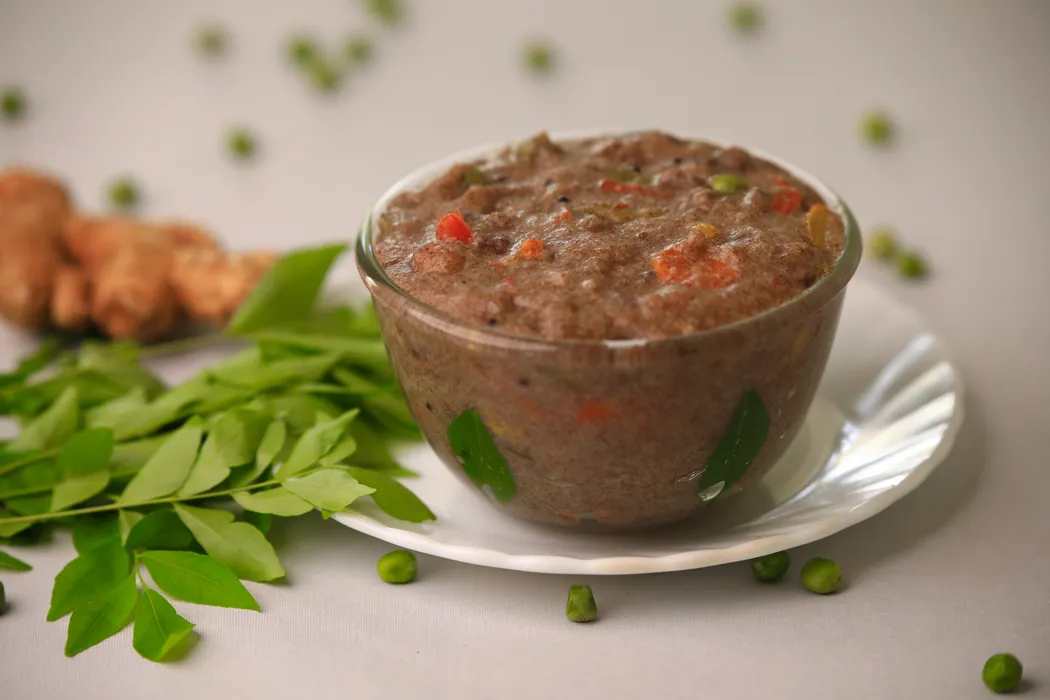
1. Iron-Rich Lentil and Vegetable Khichdi

This comforting khichdi serves as an excellent 2 years baby food recipe. It is a complete protein source containing all essential amino acids, which is a staple among indian baby food recipes for 2 year old children.

BenefitHow It Helps
High in Dietary FibreSupports healthy digestion and is generally easy for toddlers to digest
Complete Protein ProfileSupports muscle and cell growth

Prep Time: 15 minutes | Cook Time: 20 minutes
Ingredients:
2 tablespoons yellow moong dal (washed and soaked for 15 minutes)
2 tablespoons white or brown rice (washed and soaked)
1/2 cup mixed chopped vegetables (carrots, pumpkins, and potatoes)
1 teaspoon ghee
A tiny pinch of asafoetida (hing) and turmeric
1.5 cups water
Instructions:
1. Heat ghee in a pressure cooker or deep saucepan. Add the asafoetida and turmeric.
2. Add the drained rice, dal, and chopped vegetables. Stir well.
3. Pour in the water and close the lid. Cook for 3 to 4 whistles (or simmer covered in a pot until completely mushy).
4. Mash the mixture lightly with a fork, add a tiny drop of fresh ghee on top, and serve warm.

2. Mild Paneer Bhurji with Mini Roti

Rich in calcium and protein, this mild paneer bhurji is a highlight among 2 year old baby food recipes Indian parents trust. It pairs beautifully with soft, ghee-smeared mini rotis.

  • Prep Time: 10 minutes | Cook Time: 10 minutes
    Ingredients:
  • 1/2 cup crumbled fresh paneer (cottage cheese)
  • 1 small tomato (finely deseeded and chopped)
  • 1/4 teaspoon cumin powder
  • 1/4 teaspoon coriander powder
  • 1 teaspoon butter or ghee
  • Fresh coriander leaves (finely chopped for garnish)
    Instructions:
    1. Melt the butter or ghee in a pan over medium heat. Add the chopped tomato and sauté until soft.
    2. Add the cumin and coriander powder, cooking for another 30 seconds.
    3. Stir in the crumbled paneer and mix thoroughly. Cook for 2 to 3 minutes on low heat (do not overcook, or the paneer will become rubbery).
    4. Garnish with coriander, and serve alongside soft, bite-sized pieces of flatbread.

3. Baked Salmon or Chicken Bites with Sweet Potato

For families looking to introduce lean proteins and healthy fats, these soft baked bites are fantastic toddler food recipes for 2 year old children.

  • Prep Time: 10 minutes | Cook Time: 20 minutes
    Ingredients:
  • 1/2 cup skinless salmon fillet or chicken breast (cut into tiny, bite-sized pieces)
  • 1/2 cup sweet potato (peeled and diced into small cubes)
  • 1 tablespoon olive oil
  • A pinch of garlic powder and dried oregano
    Instructions:
    1. Preheat your oven to 400°F (200°C) and line a baking sheet with parchment paper.
    2. Toss the sweet potato cubes and protein pieces in olive oil, garlic powder, and oregano.
    3. Spread them in a single layer on the baking sheet.
    4. Bake for 15 to 20 minutes, ensuring the sweet potato is fork-tender and the chicken or fish is thoroughly cooked through.
    5. Allow it to cool, then test the softness before serving.

Healthy Toddler Snacks & Raw Food Ideas

Toddlers have high energy demands but small stomachs, which means healthy snacks are essential to bridge the nutritional gap between meals. Incorporating safe raw food recipes for toddlers is an excellent way to introduce natural enzymes, vitamins, and minerals without losing heat-sensitive nutrients.

Safe Raw Snacks (with Choking Hazard Precaution)

When serving raw foods to toddlers, safety is the primary concern. Hard, round foods can easily block a child's airway. Always grate, thinly slice, or finely chop raw fruits and vegetables.

  • Grated Apple and Carrot Salad: Mix 1/2 cup of finely grated sweet apple with 1/2 cup of finely grated carrot. Toss with a squeeze of fresh orange juice and a dash of cinnamon. This sweet, crunchy salad stands out as one of the most healthy Indian food recipes for 2 year old baby snack times.
  • Soft Avocado and Banana Mash: Mash equal parts ripe avocado and banana together. This requires no cooking, is packed with potassium and healthy monounsaturated fats, and serves as an incredibly simple 2 years baby food recipe.
  • Creamy Yoghurt Dip with Cucumber Straws: Peel a cucumber, deseed it entirely, and slice it into very thin, soft, matchstick-sized strips. Serve these alongside a dip made of plain, unsweetened Greek yogurt mixed with a pinch of roasted cumin powder—a cooling snack that is highly useful for planning baby food recipes 2 year old children love.

How to Handle Picky Eating: Helpful Feeding Strategies?

It is incredibly common for parents to wonder how to make 2 year baby eat food when they suddenly refuse meals they loved only the day before. Paediatric nutrition experts suggest shifting your focus from how much they eat at a single meal to what they eat over the course of an entire week.

Here are evidence-based tips to make mealtimes peaceful and successful:

1. Practice the Division of Responsibility: According to feeding experts, your job as a parent is to decide what, when, and where to feed your child. Your toddler’s job is to decide whether to eat and how much to eat. Forcing a child to clear their plate can disrupt their natural fullness cues.
2. Combine Safe Foods with New Foods: Always serve at least one "safe" food—a food you know your child likes—alongside a small portion of a new or previously rejected food. This reduces mealtime anxiety.
3. Involve Your Toddler in Meal Prep: Allow your 2 or 3-year-old to help wash vegetables, stir batters, or tear herb leaves. Children are far more likely to taste a meal they helped create.
4. Create a Consistent Routine: Serve meals and snacks at roughly the same times every day. Avoid offering juice or milk close to meal times, as this can easily fill up their tiny stomachs and reduce their appetite for solid food.
5. Make Food Visually Appealing: Utilise bright colours, use cookie cutters to create fun shapes out of sandwiches or pancakes, and serve food in divided plates to keep items from touching if your child prefers it that way.

FAQS

How much milk should a 2-year-old drink daily?

According to the American Academy of Pediatrics (AAP) and the CDC, toddlers aged 2 to 3 years old should drink about 16 to 24 ounces (2 to 3 cups) of whole milk or fortified plant milk per day. Drinking too much milk can fill up their stomachs, leaving no room for solid foods, which can sometimes lead to dietary iron-deficiency anemia.

What are the most common choking hazards I should avoid?

For children under the age of 4, you must avoid whole grapes, whole nuts, large seeds, tough chunks of meat, popcorn, hard candies, marshmallows, and large spoonfuls of thick nut butters. Always cut small, round foods like grapes or cherry tomatoes lengthwise into quarters, and chop raw vegetables into thin, manageable pieces.

an I use spices in Indian toddler food recipes?

Yes, you can absolutely introduce mild aromatic spices to your toddler! Spices like turmeric, cumin, coriander, cinnamon, cardamom, and a touch of ginger are excellent for flavor development and digestion. Avoid hot chili powder, cayenne pepper, and excessive black pepper, which can irritate their sensitive digestive tracts.

How can I ensure my toddler is getting enough iron?

To optimise iron absorption, pair iron-rich foods (such as lentils, beans, spinach, and lean meats) with foods high in Vitamin C (such as tomatoes, bell peppers, strawberries, and citrus fruits). For example, adding a squeeze of fresh lemon juice to a lentil khichdi significantly improves plant-based iron absorption.

What should I do if my child completely refuses to eat dinner?

Do not panic or force them to eat. If your child refuses dinner, calmly remove the plate after 20 minutes without scolding or offering a sweet treat as a replacement. It is normal for toddlers to eat a heavy breakfast and lunch, and have very little appetite by the end of the day. They will make up for the missed calories at breakfast the following morning.

How much milk should a 2-year-old drink daily?

According to the American Academy of Pediatrics (AAP) and the CDC, toddlers aged 2 to 3 years old should drink about 16 to 24 ounces (2 to 3 cups) of whole milk or fortified plant milk per day. Drinking too much milk can fill up their stomachs, leaving no room for solid foods, which can sometimes lead to dietary iron-deficiency anemia.

What are the most common choking hazards I should avoid?

For children under the age of 4, you must avoid whole grapes, whole nuts, large seeds, tough chunks of meat, popcorn, hard candies, marshmallows, and large spoonfuls of thick nut butters. Always cut small, round foods like grapes or cherry tomatoes lengthwise into quarters, and chop raw vegetables into thin, manageable pieces.

Can I use spices in Indian toddler food recipes?

Yes, you can absolutely introduce mild aromatic spices to your toddler! Spices like turmeric, cumin, coriander, cinnamon, cardamom, and a touch of ginger are excellent for flavor development and digestion. Avoid hot chili powder, cayenne pepper, and excessive black pepper, which can irritate their sensitive digestive tracts.

How can I ensure my toddler is getting enough iron?

To optimise iron absorption, pair iron-rich foods (such as lentils, beans, spinach, and lean meats) with foods high in Vitamin C (such as tomatoes, bell peppers, strawberries, and citrus fruits). For example, adding a squeeze of fresh lemon juice to a lentil khichdi significantly improves plant-based iron absorption.

What should I do if my child completely refuses to eat dinner?

Do not panic or force them to eat. If your child refuses dinner, calmly remove the plate after 20 minutes without scolding or offering a sweet treat as a replacement. It is normal for toddlers to eat a heavy breakfast and lunch, and have very little appetite by the end of the day. They will make up for the missed calories at breakfast the following morning.

Apollo 247 Floating Action Button