logo
0

Urine Bladder Infection: Causes, Symptoms & Treatment

Learn about urine bladder infection in women, including causes, symptoms, tests, treatment options, prevention tips and when to see a doctor.

article image

Dr.Bhanu Prakash

A urine bladder infection is one of the most common reasons women visit a doctor, and for many, it becomes a frustrating recurring problem. The burning, the urgency, the constant trips to the bathroom can disrupt daily life fast. Understanding what causes a bladder infection, how it is diagnosed, and what treatments actually work helps you act sooner and recover safely.

What Is a Urine Bladder Infection (UTI/Cystitis)?

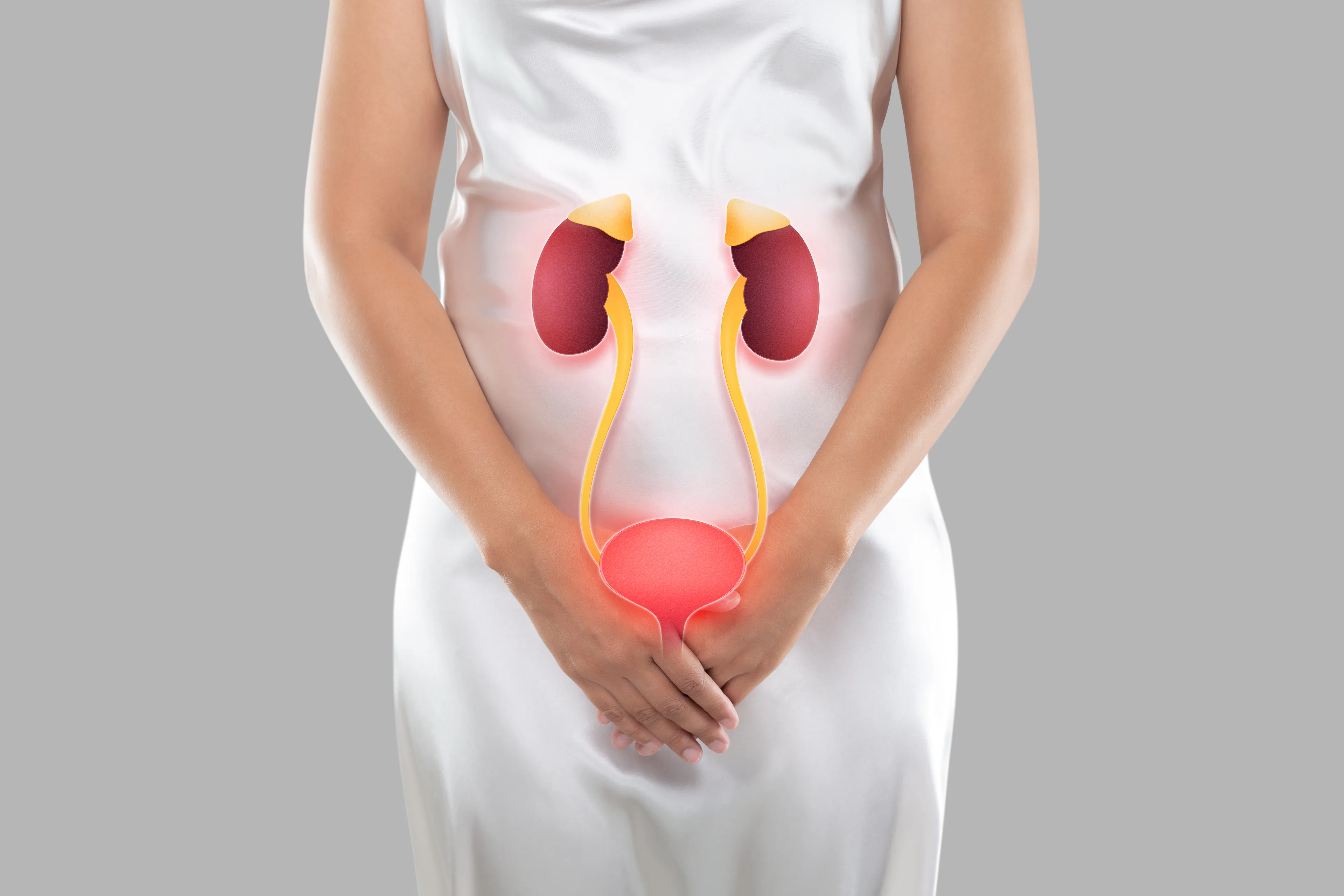
A urinary tract infection (UTI) is an infection anywhere along the urinary system, including the kidneys, ureters, bladder, and urethra. A bladder infection, medically called cystitis, is the most common type and stays confined to the bladder and lower urinary tract.

A kidney infection (pyelonephritis) is more serious. It happens when bacteria travel upward from the bladder to the kidneys. This distinction matters because the symptoms, urgency of treatment, and medications differ between the two conditions.

Most uncomplicated UTIs in women are bladder infections. The terms UTI and cystitis are often used interchangeably in everyday conversation, but cystitis technically refers to bladder inflammation specifically. The EAU defines cystitis in women as a symptomatic lower urinary tract infection limited to the bladder, without systemic symptoms such as fever, chills or flank pain.

Common Causes and Risk Factors in Women

Women get bladder infections more often than men, largely because the female urethra is shorter and its opening is closer to the anus, making it easier for bacteria to reach the bladder. ACOG identifies these anatomical differences as one reason UTIs are more common in women.

The most common culprit is Escherichia coli (E. coli), a bacterium normally found in the gut. It causes the majority of uncomplicated bacterial cystitis cases.

Other risk factors include:

  • Sexual activity, which can increase the chance of bacteria entering the urinary tract
  • Menopause, when lower oestrogen levels can alter the vaginal environment and increase the risk of recurrent UTIs
  • Urinary catheter use, especially in hospital settings
  • Diabetes, which can affect immune response and bladder function
  • Structural abnormalities in the urinary tract
  • Certain contraceptives such as spermicides or diaphragms
  • A personal history of recurrent UTIs

Symptoms of a Bladder Infection

UTI symptoms in women tend to come on suddenly. Early signs include:

  • A burning or stinging sensation while urinating
  • Needing to urinate much more frequently than usual
  • A strong, sudden urge to urinate that is hard to delay
  • Passing only small amounts of urine despite the urgency
  • Urine that looks cloudy, dark, or has a stronger smell than normal
  • Mild pressure or cramping in the lower abdomen

Blood in the urine, which may appear pink or red-tinged, can also occur and should be reported to a doctor.

Some red-flag symptoms may suggest that the infection has reached the kidneys. These include:

  • Fever of 38°C or higher or chills
  • Pain in the upper back or sides, also called flank pain
  • Nausea or vomiting
  • Feeling severely unwell overall

ACOG notes that a temperature of 38°C or higher, particularly when accompanied by flank pain or other systemic symptoms, can be a sign of pyelonephritis. If these symptoms appear alongside bladder symptoms, seek medical care promptly. A kidney infection needs prompt treatment and may sometimes require hospitalisation.

Urine Infection Tests and Diagnosis

The right urine infection test confirms whether bacteria are actually present, which can help guide treatment and distinguish infection from other conditions with similar symptoms.

  • Dipstick test: A chemically treated strip is used with a urine sample. It checks for nitrites produced by some bacteria, white blood cells, and other infection markers. Results are available within minutes and may be used as part of the initial assessment.
  • Urinalysis: A more detailed examination of the urine sample, looking at cells and chemical composition using laboratory or automated methods.
  • Urine culture: The sample is placed in a laboratory medium to identify bacteria present and determine which antibiotics are likely to work against them. Results commonly take around 24 to 48 hours, depending on the laboratory. The EAU recommends urine culture particularly when a systemic UTI is suspected, symptoms do not resolve or recur, symptoms are atypical, antimicrobial resistance is a concern, or the patient is pregnant.
  • Imaging: An ultrasound or CT scan may be ordered when there are indications such as recurrent or complicated infections, suspected obstruction or another structural problem. Imaging is not routinely required for every uncomplicated bladder infection.

Treatment Options: Antibiotics and OTC Support

Antibiotics are commonly used to treat bacterial bladder infections, although the specific antibiotic, dose, and duration depend on the bacteria involved, medical history, local resistance patterns and individual circumstances. The EAU lists fosfomycin and nitrofurantoin among first-line options for uncomplicated cystitis in women.

Commonly prescribed antibiotic options include:

  • Nitrofurantoin, used for uncomplicated lower UTIs
  • Fosfomycin, often given as a single dose for uncomplicated cystitis
  • Trimethoprim or trimethoprim-sulfamethoxazole in appropriate circumstances
  • Certain cephalosporins or other antibiotics when clinically appropriate

Your doctor will choose an antibiotic based on factors such as local resistance patterns, culture results where indicated, medical history and drug allergies. Take the medicine for the duration prescribed, even if you begin to feel better sooner.

Symptomatic (OTC) support: Antibiotics treat the bacterial infection, while an appropriate pain reliever may help ease discomfort. An OTC pain relief tablet for UTI-related discomfort may provide symptomatic relief when suitable for you. This type of medication does not treat the underlying infection, so consult a pharmacist or doctor and check the pack instructions before use.

Staying adequately hydrated and urinating when needed can help maintain normal urinary function during recovery. However, drinking excessive amounts of water does not replace appropriate treatment.

Report adverse events related to any medication to your healthcare provider or the relevant regulatory authority.

Contraindications and Safety Precautions

Certain groups need extra caution with standard urine infection medicine.

  • Pregnancy: Antibiotic selection during pregnancy requires particular care. ACOG notes that nitrofurantoin and sulfonamides may be used in certain circumstances when appropriate alternatives are unavailable, while trimethoprim is generally avoided in the first trimester and sulfonamides are generally avoided near term. The EAU similarly advises avoiding trimethoprim in the first trimester and sulfonamides in the last trimester. A healthcare professional should select the appropriate antibiotic during pregnancy.
  • Kidney disease: Nitrofurantoin may not be suitable in significant kidney impairment because reduced kidney function can reduce its effectiveness in the urinary tract and increase the risk of adverse effects. The EAU lists an estimated glomerular filtration rate below 30 mL/min/1.73 m² as a contraindication.
  • Drug allergies: Always inform your doctor of any antibiotic allergy, including penicillin or sulfa drugs, before starting cystitis treatment. Alternatives may be available.
  • Elderly women: Kidney and liver function can change with age, affecting how some medicines are processed. Dose adjustments may be needed.
  • G6PD deficiency: Nitrofurantoin carries a risk of haemolytic anaemia in people with glucose-6-phosphate dehydrogenase deficiency. ACOG specifically advises avoiding nitrofurantoin in people with G6PD deficiency.
  • Fluoroquinolones: These antibiotics are generally avoided for uncomplicated cystitis when other suitable options are available. The EAU recommends against using fluoroquinolones for cystitis and advises that they should only be considered when commonly recommended alternatives are inappropriate.

If you experience a rash, difficulty breathing, or severe diarrhoea after starting antibiotics, seek medical advice promptly. Report suspected adverse drug reactions to your healthcare provider or the relevant regulatory authority.

Home Remedies and Prevention Tips

Bladder infection home remedies can support comfort and may help reduce recurrence in some people, but they do not replace appropriate treatment for an active bacterial infection.

Helpful habits include:

  • Drinking enough water throughout the day to stay adequately hydrated
  • Urinating soon after sexual activity
  • Wiping front to back after using the toilet
  • Avoiding irritating feminine hygiene products that can irritate the genital area
  • Wearing breathable underwear

Cranberry products are widely discussed for UTI prevention. Some evidence suggests they may reduce the risk of recurrent UTIs in certain groups, although the evidence is not consistent across all populations. The 2023 Cochrane review found that cranberry products reduced the risk of symptomatic, culture-verified UTIs in some groups, including women with recurrent UTIs. Cranberry juice or supplements are not a treatment for an existing infection.

Women with frequent recurrences should discuss longer-term prevention strategies with their doctor, which may include antimicrobial prophylaxis or other options tailored to their individual risk factors. The EAU defines recurrent cystitis as at least three episodes in a year or two episodes within six months.

For peri- and postmenopausal women with recurrent UTIs, vaginal oestrogen may also be considered when appropriate. The AUA recommends vaginal oestrogen therapy to reduce the risk of future UTIs in peri- and postmenopausal women with recurrent UTIs.

When to See a Doctor

See a doctor promptly if you have:

  • Fever of 38°C or higher, chills, or shaking
  • Pain in your back, sides, or under the ribs
  • Blood in your urine
  • Symptoms that do not improve within a few days of starting antibiotics or that worsen
  • A bladder infection during pregnancy, at any stage
  • Two or more infections within six months or three or more infections within 12 months
  • Symptoms alongside vomiting or an inability to keep fluids down

These situations may indicate a more complicated infection or require further evaluation and treatment.

Prescribing Information: Medications mentioned in this article should be used only as directed by a qualified healthcare professional or, where applicable, according to the product label. Follow your doctor's or pharmacist's guidance on dosage, duration, contraindications and potential interactions.

Conclusion

A bladder infection can usually be treated effectively when it is identified early and the appropriate treatment is used. Symptoms such as burning urination, frequent urination and urgency are common, while fever, chills, flank pain or vomiting may indicate a more serious infection requiring prompt medical attention. If infections recur, pregnancy is involved, or symptoms do not improve with treatment, consult a healthcare professional for further evaluation and personalised management.

FAQS

How long does a bladder infection last?

With appropriate treatment, symptoms of uncomplicated cystitis are generally expected to improve within several days. The exact recovery time varies depending on the infection, antibiotic used and individual factors. The AUA notes that clinical cure, meaning resolution of UTI symptoms, is generally expected within three to seven days after starting antimicrobial treatment.

Can a UTI go away on its own?

Some uncomplicated cystitis symptoms may resolve without antibiotics in certain non-pregnant women, but this is not predictable, and there is a risk of the infection persisting or progressing. The EAU notes that non-antibiotic approaches may be considered in selected non-geriatric patients through shared decision-making. If symptoms are severe, persistent or accompanied by fever, flank pain or vomiting, seek medical care promptly.

What is the fastest way to cure a urine infection?

For bacterial cystitis requiring antibiotic treatment, taking the prescribed antibiotic as directed is an important part of treatment. The choice of antibiotic depends on the infection, medical history and local resistance patterns. Drinking enough fluids and using an appropriate pain reliever may help with symptoms, but these measures do not replace antibiotic treatment when antibiotics are indicated.
Is a bladder infection the same as a kidney infection?

No. A bladder infection, or cystitis, affects the lower urinary tract, while a kidney infection, or pyelonephritis, involves the kidneys and is more serious. Fever, chills, flank pain, nausea or vomiting alongside urinary symptoms may indicate a kidney infection and require prompt medical assessment.

Can men get bladder infections too?

Yes, men can get bladder infections, although they are less common. When a man develops urinary symptoms, a healthcare professional may assess for factors such as prostate involvement, urinary obstruction or other underlying causes.

Apollo 247 Floating Action Button