logo
0

Urine Infection Home Remedies for Women

Learn about urine infection home remedies for women, including hydration, symptom relief, prevention tips, medical treatments and when to seek urgent care.

article image

Dr.Rohini priyanaka

Urinary tract infections are one of the most common bacterial infections women face, and knowing which urine infection home remedies for women actually help, and which symptoms need a doctor's attention, can make a real difference. The anatomy of the female urinary tract means infections happen more easily and more often than in men. This guide covers what works at home, what requires a prescription, and when to stop waiting.

What Is a Urine Infection (UTI) and Why It Affects Women More?

A urinary tract infection happens when bacteria, most often Escherichia coli from the gut, enter the urethra and travel to the bladder. From there, if untreated, the infection can spread to the kidneys.

Women are far more prone to UTIs because the female urethra is much shorter than a man's, roughly 4 cm compared to around 20 cm. This shorter path gives bacteria quick access to the bladder. The urethra also sits close to both the vaginal opening and the anus, which are common sources of the bacteria responsible.

Additional risk factors include:

  • Sexual activity, which can push bacteria toward the urethra
  • Menopause, which lowers estrogen and alters the vaginal environment
  • Use of certain contraceptives like diaphragms or spermicidal products
  • Pregnancy, which slows urine flow due to pressure on the bladder
  • A personal or family history of recurrent UTIs

Common Urine Infection Symptoms in Women

Recognising urine infection symptoms in women early gives you the best chance of managing the infection before it worsens.

Typical symptoms include:

  • A burning or stinging sensation while urinating
    Feeling the urge to urinate frequently, but passing only a small amount
    Cloudy, dark, or strong-smelling urine
    Pelvic pressure or discomfort in the lower abdomen
    A general feeling of being unwell or unusually tired

Go to a doctor promptly if you develop fever, chills, nausea, vomiting, or pain in your lower back or sides near the kidneys. Blood in the urine also warrants same-day evaluation. These signs suggest the infection may have moved beyond the bladder to the kidneys, a condition called pyelonephritis, which needs immediate medical treatment.

Urine Infection Home Remedies for Women

These remedies ease discomfort and support your body while it responds to treatment. They are not a substitute for antibiotics when an infection is confirmed, but they can meaningfully reduce symptoms while you seek care.

Stay Well Hydrated

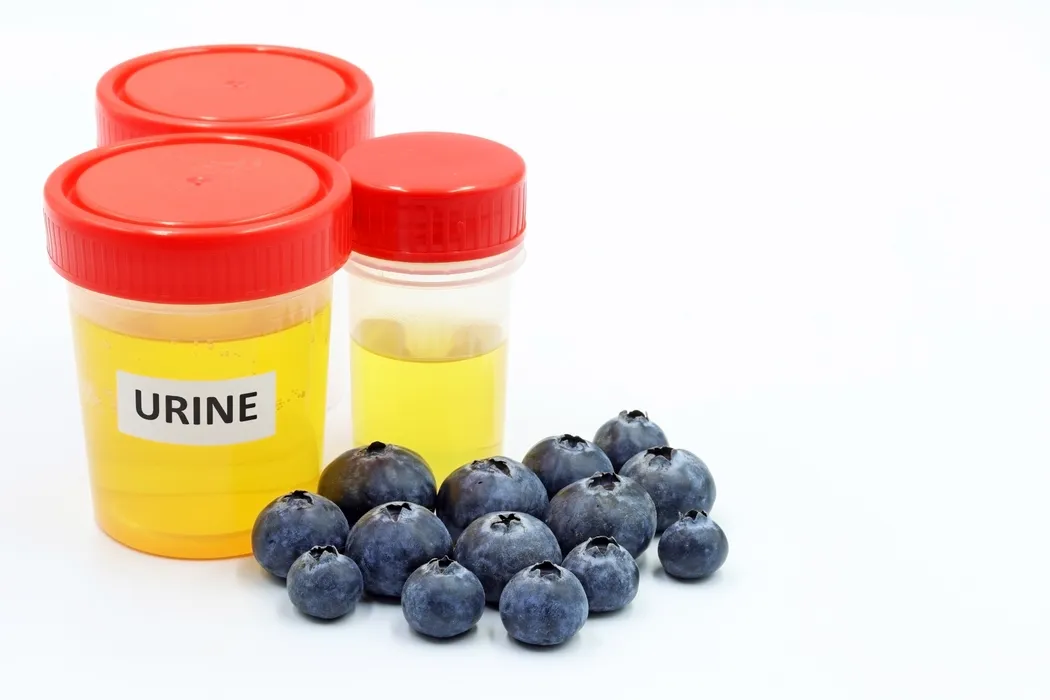
Drinking plenty of water is the most practical step you can take. It dilutes urine, which reduces the burning sensation, and increases how often you pass urine, flushing bacteria out of the bladder more frequently. Aim for enough fluid that your urine runs pale yellow. Avoid alcohol and strong coffee during an active infection, as both irritate the bladder lining.

Cranberry Products

Cranberry juice and supplements are among the most discussed UTI home remedies. The active compounds called proanthocyanidins appear to make it harder for bacteria to stick to the bladder wall. Evidence on cranberry for treating an existing infection is limited, but regular intake may help reduce how often infections recur in women who are prone to them. Unsweetened juice or a standardised supplement is preferable to sweetened cranberry drinks.

Probiotics

A healthy balance of vaginal and gut bacteria can make re-infection less likely. Lactobacillus-containing probiotics, from plain yoghurt or supplements, may help restore this balance, particularly after a course of antibiotics. They are not a treatment for an active UTI but are reasonable to include as part of longer-term care.

Heat for Discomfort

A warm heating pad placed on the lower abdomen can ease the pressure and cramping that come with bladder inflammation. Keep a cloth barrier between the pad and your skin, and limit use to 15 to 20 minutes at a time.

Foods to Avoid in a Urinary Tract Infection

What you eat and drink can make symptoms noticeably better or worse. When you have an active UTI, these are the main things to cut back on:

  • Spicy foods (curries, chillies, heavily spiced dishes) irritate an already inflamed bladder wall and can intensify the burning sensation.
  • Citrus fruits and juices, including orange, lemon, and grapefruit, raise the acidity of urine and worsen discomfort even though they seem healthy.
  • Carbonated drinks, including soda and sparkling water, can aggravate urgency and frequency.
  • Artificial sweeteners found in diet drinks and sugar-free foods have been linked to increased bladder irritation in some people.
  • Caffeine in tea, coffee, and energy drinks acts as a diuretic and irritant simultaneously, making the urgency worse.
  • Alcohol should be avoided entirely during an active infection, as it dehydrates the body and irritates the urinary tract.

Sticking to plain water, mild herbal teas like chamomile, and bland foods gives your bladder the best chance to settle while treatment takes effect.

Medical Treatment Options for UTIs

Most UTIs require antibiotic therapy to clear the infection completely. Bacteria in the bladder do not reliably go away on their own, and a kidney infection is a serious complication if treatment is delayed.

A doctor will usually request a urine culture to identify the bacteria and confirm which antibiotic will work. Common antibiotic classes used for uncomplicated UTIs include nitrofurantoin, trimethoprim-sulfamethoxazole, and fosfomycin. The choice depends on your medical history, local resistance patterns, and whether you are pregnant.

Prescribing information disclaimer: Antibiotics for urinary infections are prescription-only medicines in India. Do not self-medicate or use leftover antibiotics without medical guidance. Incorrect use contributes to antibiotic resistance and may mask a worsening infection. Always complete the full course prescribed by your doctor.

Over-the-counter urinary analgesics can reduce burning while waiting for antibiotics to work, but they do not treat the infection itself. Discuss these with a pharmacist before use.

Report any adverse events related to medicines, such as rash, severe stomach pain, or allergic reactions, to your healthcare provider or the relevant regulatory authority.

Contraindications and Who Should Avoid Certain Remedies

Not every approach suits everyone. Please read this before trying any self-care measures.

  • Pregnancy: Do not rely on home remedies alone. Any UTI in pregnancy needs prompt medical evaluation because untreated infections carry risks for both mother and baby. Some antibiotic classes are also not safe during pregnancy, so always see a doctor.
  • Kidney disease: If you have reduced kidney function, certain antibiotics and even cranberry supplements at high doses may not be appropriate. Get medical advice before starting any treatment.
  • Diabetes: Blood sugar changes can affect the urinary environment and make infections more persistent. Home remedies are unlikely to be sufficient, and medical review is strongly advised.
  • Drug allergies: Tell your doctor about all known allergies before accepting a prescription. Antibiotic classes vary, and alternatives are available.
  • Children and elderly women: Dosing and safety profiles differ in these groups. Do not apply adult home-remedy guidance without checking with a doctor.

Who should not use cranberry supplements for UTI? People on blood-thinning medicines should be cautious, as cranberry may interact with certain anticoagulants. Those with a history of kidney stones related to oxalate should also avoid high-dose cranberry supplements.

When to See a Doctor for a Urine Infection?

Some UTIs can be managed with short-term home support, but several situations call for medical care without delay.

See a doctor promptly if:

  • You have fever, chills, or shaking, which may signal a kidney infection
  • There is blood in your urine
  • Pain has moved to your back or sides, not just the lower abdomen
  • Symptoms have not improved after 48 hours of home care
  • You are pregnant
  • This is your third or more UTI within 12 months
  • You have diabetes, a kidney condition, or a weakened immune system

Can a UTI go away without antibiotics? Mild bladder infections occasionally resolve on their own, but this is not reliable. The risk of the infection spreading to the kidneys is real, and waiting too long to treat can mean a more serious illness and stronger antibiotics later. If symptoms are more than mild, see a doctor.

Conclusion

Home measures may help relieve discomfort and support recovery from a mild urinary tract infection (UTI), but they should not replace appropriate medical treatment when an infection is present. Drinking enough water, urinating regularly and using a warm compress may help manage symptoms, while avoiding potential bladder irritants such as excessive caffeine or alcohol may improve comfort. Cranberry products may help reduce the risk of recurrent UTIs in some women, but they are not a reliable treatment for an active infection. UTIs are commonly treated with antibiotics when clinically indicated, and completing the prescribed course is important. Seek medical advice if symptoms persist or worsen, or promptly if there is fever, chills, vomiting, back or side pain, blood in the urine, pregnancy or other risk factors, as these may indicate a more serious infection requiring medical assessment.

FAQS

Can I treat a UTI at home without antibiotics?

Mild infections occasionally resolve with rest and hydration, but this is not dependable. Most UTIs need antibiotics to clear fully, and delaying treatment risks the infection spreading to the kidneys.

What drinks help flush out a urine infection?

Plain water is the most effective option, as it dilutes urine and increases flushing of the bladder. Mild herbal teas and unsweetened cranberry juice can also be helpful; avoid caffeine, alcohol, and fizzy drinks.

Is cranberry juice effective for UTI?

Cranberry products may help prevent recurrent infections by making it harder for bacteria to attach to the bladder wall, but the evidence for treating an existing infection is weak. Unsweetened versions are preferable, and they should not replace antibiotic treatment.

How long does a urine infection last untreated?

Some mild infections clear within a few days, but many persist or worsen, with a real risk of progressing to a kidney infection. Seeking treatment early is far safer than waiting to see whether it resolves.

Can urine infections come back after treatment?

Yes, recurrent UTIs are common in women. Completing the full antibiotic course, staying well hydrated, and discussing preventive strategies with your doctor, such as post-coital precautions or low-dose prophylactic antibiotics, can help reduce the risk.

Apollo 247 Floating Action Button