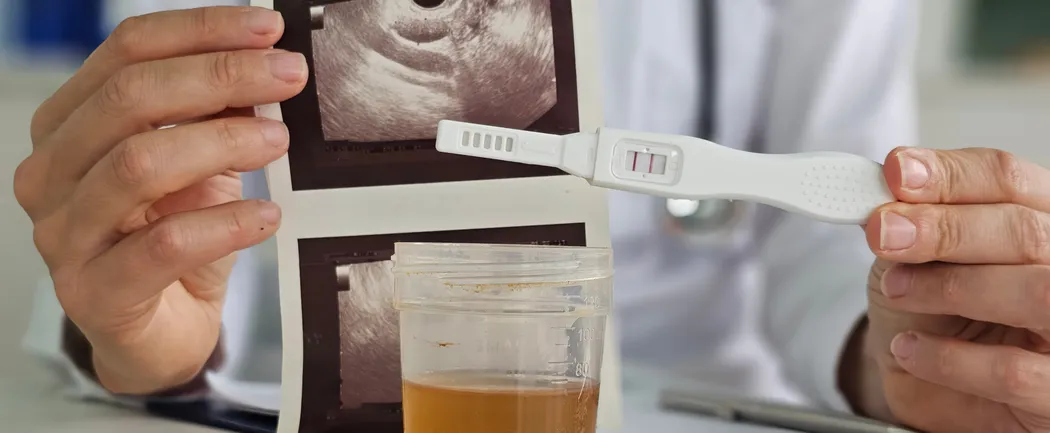
Detecting Urinary Tract Infections Through Urine Tests
Women are significantly more prone to UTIs than men, largely because a shorter urethra allows bacteria to reach the bladder more easily. Symptoms such as a burning sensation, frequent urination, cloudy or foul-smelling urine, and pelvic discomfort all suggest a possible infection.
A dipstick test for infection checks two key markers:
- Nitrites: many bacteria convert urinary nitrates to nitrites, so a positive result strongly suggests a bacterial infection
- Leukocyte esterase: this indicates white blood cells in the urine, a sign the immune system is responding
A positive dipstick is usually enough to begin treatment, but a urine culture test confirms the exact organism and guides antibiotic choice. This matters because antibiotic resistance is a real concern, and treating without knowing the organism can make infections harder to clear. If you have recurrent UTIs, your doctor will almost always request a culture before prescribing.
For mild associated discomfort, ask your pharmacist about OTC options available for related symptom relief. Always consult your doctor before starting any medication.
Report adverse events to your healthcare provider or the relevant regulatory authority if you experience any unexpected reaction to medications used for UTI management.