logo
0

UTI Infection in Urine: Causes, Symptoms & Treatment

Understand UTI causes, early symptoms, ICD-10 codes, diagnosis and safe home remedies. Medically reviewed guide from Apollo Pharmacy.

article image

Dr. Nallapu Siri

A UTI infection in urine is one of the most common bacterial infections seen in clinics across India, affecting millions of people each year. Despite how frequent it is, many people delay seeking care because they are unsure whether their symptoms are serious, or they try to manage on their own without knowing what is safe. This article walks you through what causes a UTI, how to recognize its symptoms, how doctors code and diagnose it, and which home measures genuinely help.

What Is a Urinary Tract Infection (UTI)?

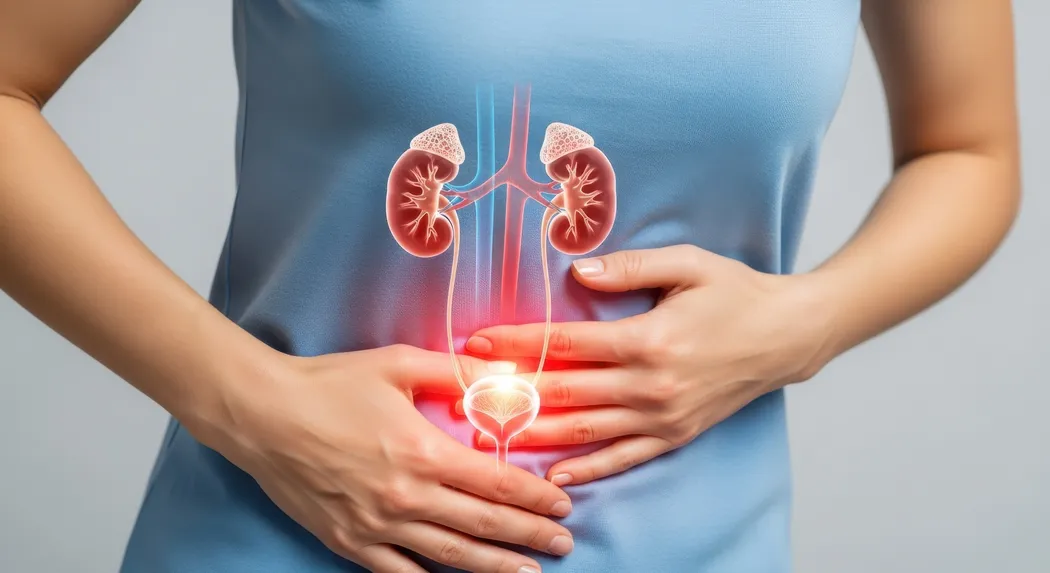
A urinary tract infection happens when bacteria enter any part of the urinary system and multiply. The urinary tract includes the kidneys, ureters, bladder, and urethra.

Most infections stay in the lower tract, meaning the bladder (cystitis) or urethra (urethritis). These are uncomfortable but manageable with prompt treatment. When infection travels upward to the kidneys, it becomes an upper UTI or pyelonephritis, which is more serious and needs immediate medical attention.

Causes and Risk Factors of UTI

The majority of UTI infections in urine are caused by bacteria, with Escherichia coli (E. coli) responsible for the bulk of cases. E. coli normally lives harmlessly in the gut but can travel to the urethral opening and move upward into the bladder.

Other UTI causes include Klebsiella, Staphylococcus saprophyticus, and Proteus mirabilis, though these are less frequent. In some cases, fungi or viruses may be responsible, particularly in people with weakened immunity.

Who is at higher risk?

  • Women: The female urethra is shorter and closer to the anus, making it easier for bacteria to reach the bladder.
  • Sexual activity: Sexual intercourse can introduce bacteria into or around the urethra, increasing UTI risk.
  • Pregnancy: Hormonal and anatomical changes during pregnancy can slow urine flow and increase the risk of UTIs.
  • Diabetes: Poorly controlled blood glucose can impair immune function and increase susceptibility to infections.
  • Urinary catheter use: Catheters can provide a pathway for bacteria to enter the urinary tract.
  • Older age: The risk may increase with age, particularly among people with urinary retention, catheters, or other medical conditions.
  • Kidney stones or urinary abnormalities: Conditions that obstruct urine flow or prevent complete bladder emptying can promote bacterial growth.
  • Previous UTIs: A history of recurrent UTIs increases the likelihood of experiencing another infection.

How to Recognize UTI Symptoms

Knowing how to recognize UTI early can make the difference between a short course of treatment and a more complicated infection. The most common urinary tract infection symptoms include:

  • A burning or stinging sensation during urination
  • Feeling a strong, sudden urge to urinate even when the bladder is nearly empty
  • Passing only small amounts of urine each time
  • Cloudy or bad-smelling urine
  • Urine that appears pink, red, or cola-coloured, which points to blood
  • Pelvic discomfort or pressure, particularly in women
  • Lower abdominal pain or cramping

Differences by group:

In men, UTI symptoms can also include rectal pressure. In older men, and in elderly patients generally, confusion or sudden mental fogginess is sometimes the only obvious sign rather than the classic burning sensation.

Red flags that need urgent attention:

  • Fever above 38.5°C with chills or shaking
  • Pain in the lower back or flanks, suggesting kidney involvement
  • Nausea or vomiting alongside urinary symptoms
  • Visible blood in the urine

If any of these appear, go to a clinic or emergency service the same day. Do not wait.

UTI Medical Codes and Diagnosis

For billing, insurance claims, and medical records, doctors use the International Classification of Diseases, 10th Revision (ICD-10) coding system. The main UTI ICD-10 code is N39.0 (Urinary tract infection, site not specified). Additional specific codes include:

ConditionICD-10 Code
UTI, site not specifiedN39.0
Acute cystitisN30.0
Acute pyelonephritisN10
UrethritisN34.1

Knowing these codes can help you make sense of a discharge summary or insurance paperwork. Your doctor will assign the correct code based on your clinical picture.

How is UTI diagnosed?

Diagnosis starts with a urinalysis, a quick dipstick test that checks for nitrites, white blood cells, and blood in the urine. A urine culture test is the gold standard: the lab identifies the exact bacteria and which antibiotics it responds to. Results typically take 24 to 48 hours. For recurrent or complicated infections, an ultrasound or other imaging may also be ordered.

Home Remedies and Self-Care for UTI

Home remedies for UTI can ease discomfort and support recovery, but they do not replace antibiotics when an infection is confirmed. Think of these as companions to treatment, not substitutes.

What genuinely helps:

  • Drinking more water, around 2 to 3 litres a day unless your doctor has advised a fluid restriction, helps flush bacteria out of the bladder more quickly
  • Cranberry products (juice or supplements) contain compounds called proanthocyanidins that may reduce the ability of E. coli to stick to bladder walls; evidence supports prevention more than cure
  • Avoiding bladder irritants such as caffeine, alcohol, and fizzy drinks can reduce the burning sensation
  • Urinating promptly when you feel the urge rather than holding it in
  • Wearing breathable, cotton underwear to reduce moisture build-up near the urethra
  • Wiping front to back after using the toilet, which is especially important for women
  • Urinating soon after sexual intercourse to help clear bacteria introduced during the act

For general hygiene and infection-prevention principles, you can also review infection and wound hygiene care tips on the Apollo Pharmacy blog.

Medical Treatment for UTI

Most confirmed UTIs need antibiotics, and the choice depends on the bacteria identified in your urine culture and local resistance patterns. Common antibiotic classes used for urine infection treatment include nitrofurans, fluoroquinolones, and beta-lactams. Your doctor will prescribe the most appropriate option based on your results.

Antibiotics for UTI are prescription-only medicines. Never self-prescribe, share a prescription, or stop a course early because you feel better. Incomplete treatment is a key driver of antibiotic resistance.

Contraindications and Precautions

Certain groups should not rely on home remedies or delay seeing a doctor:

  • Pregnant women, because untreated UTI can trigger preterm labour or kidney infection
  • Children, whose symptoms can be atypical and who need professional assessment
  • People with recurrent UTIs (three or more per year), as these require investigation for an underlying cause
  • Anyone with kidney disease, a single kidney, or a urinary tract abnormality
  • People who are immunocompromised, including those on long-term steroids or chemotherapy
  • Patients with fever, back pain, or blood in urine, all of which suggest the infection may have spread

If you fall into any of these categories, contact a doctor promptly rather than starting home management.

Report adverse events related to any medicine you take to your healthcare provider or the relevant regulatory authority.

When to See a Doctor

See a doctor within 24 hours if your symptoms are not improving after a day of home care, or sooner if you have a fever, flank pain, visible blood in urine, vomiting, or are pregnant. Recurrent infections, or a UTI that seems to clear and then returns within two weeks, also warrant a full clinical review.

Do not attempt to self-diagnose or self-treat based on symptoms alone. Urine culture results guide the most effective antibiotic choice, and guessing can prolong your illness or cause harm.

Conclusion

A UTI is usually caused by bacteria and can often be treated effectively when recognised early. Symptoms such as burning urination, frequent urination, cloudy urine, or pelvic discomfort should not be ignored, particularly when they are persistent or worsening. Drinking adequate fluids, avoiding bladder irritants, and maintaining good hygiene may help with comfort and prevention, but home remedies do not cure a confirmed bacterial UTI. Seek prompt medical care for fever, chills, flank or back pain, vomiting, visible blood in the urine, pregnancy, recurrent infections, or symptoms in children.

FAQS

How long does a UTI last?

With appropriate antibiotic treatment, most uncomplicated UTIs clear up within 3 to 7 days. Without treatment, symptoms can persist for weeks and the infection may spread to the kidneys.

Can a UTI go away on its own?

Mild cases occasionally resolve without antibiotics, but this is unpredictable and carries the risk of the infection worsening. It is safer to get a diagnosis and follow your doctor's advice rather than waiting it out.

What drinks help flush a UTI?

Plain water is the most effective option. Drinking enough to keep urine pale yellow helps move bacteria out of the bladder. Cranberry juice (unsweetened) may offer some benefit for prevention, but avoid caffeine and alcohol while symptomatic.

Is a UTI infection contagious?

UTIs are not contagious in the way a cold or flu is. The bacteria that cause them are not passed directly from person to person, though sexual activity can transfer bacteria to the urethral area, increasing one partner's risk.

Can men get urinary tract infections?

Yes, men can get UTIs, though it is less common because the male urethra is longer. When a man does develop a UTI, it often warrants further investigation for an underlying cause such as an enlarged prostate or a structural issue.

Apollo 247 Floating Action Button