logo
0

UTI Infection in Urine: Symptoms, Causes & Treatment Guide

Learn about UTI infection in urine, including common symptoms, causes, diagnosis, treatment options, prevention tips, and when to seek medical care.

article image

Dr.Rohini priyanaka

A UTI infection in urine is one of the most common bacterial infections affecting adults worldwide, yet many people are unsure when to treat it at home and when to call a doctor. Recognising urinary tract infection symptoms early, understanding what a urine test shows, and knowing your treatment options can shorten recovery and prevent complications. This guide walks through everything from causes and diagnosis to home care and when to seek help.

What Is a UTI and How Does It Affect Urine?

A urinary tract infection occurs when bacteria, most often Escherichia coli from the gut, enter the urethra and multiply in the bladder. In more serious cases, the infection travels upward to the ureters or kidneys. The bacterial presence and the body's inflammatory response both show up in the urine, which is why a urine test is the standard first step in diagnosis.

Changes you may notice in the urine include:

  • A cloudy or milky appearance instead of clear yellow
  • A strong, unpleasant odour
  • A pinkish or reddish tinge from blood
  • Darker colour than usual

These happen because white blood cells, bacteria, and sometimes red blood cells spill into the urine as the bladder lining becomes inflamed.

UTI Causes in Women

UTI causes in women are partly anatomical. The female urethra is much shorter than a man's, giving bacteria a shorter path to the bladder. Additional risk factors include sexual activity, certain contraceptive methods, hormonal shifts around menopause, a history of previous UTIs, and not drinking enough water. Holding urine for long periods also allows bacteria to multiply unchecked.

Common Symptoms of Urinary Tract Infection

Urinary tract infection symptoms can range from mild irritation to signs of a more serious illness. Spotting them early helps you get the right care faster.

Typical early symptoms include:

  • A burning or stinging sensation during urination
  • Needing to urinate far more often than usual, even when little comes out
  • A feeling that the bladder never fully empties
  • Pelvic pressure or discomfort, particularly in women
  • Urine that is cloudy, smells strong, or contains visible blood
  • A low-grade fever or general feeling of being unwell

Red-Flag Symptoms Requiring Urgent Care

Some symptoms suggest the infection has spread to the kidneys or that you need same-day attention:

  • High fever (above 38.5 degrees Celsius) with chills or shaking
  • Pain in the lower back or flanks on one or both sides
  • Nausea or vomiting alongside urinary symptoms
  • Visible blood in the urine that does not clear
  • Confusion or unusual drowsiness, especially in older adults

If any of these apply, do not wait. Go to a clinic or emergency department promptly.

How Are UTIs Diagnosed (Including UTI Diagnosis Codes)?

A UTI in urine test is the most reliable way to confirm infection and guide treatment. Doctors use two main approaches.

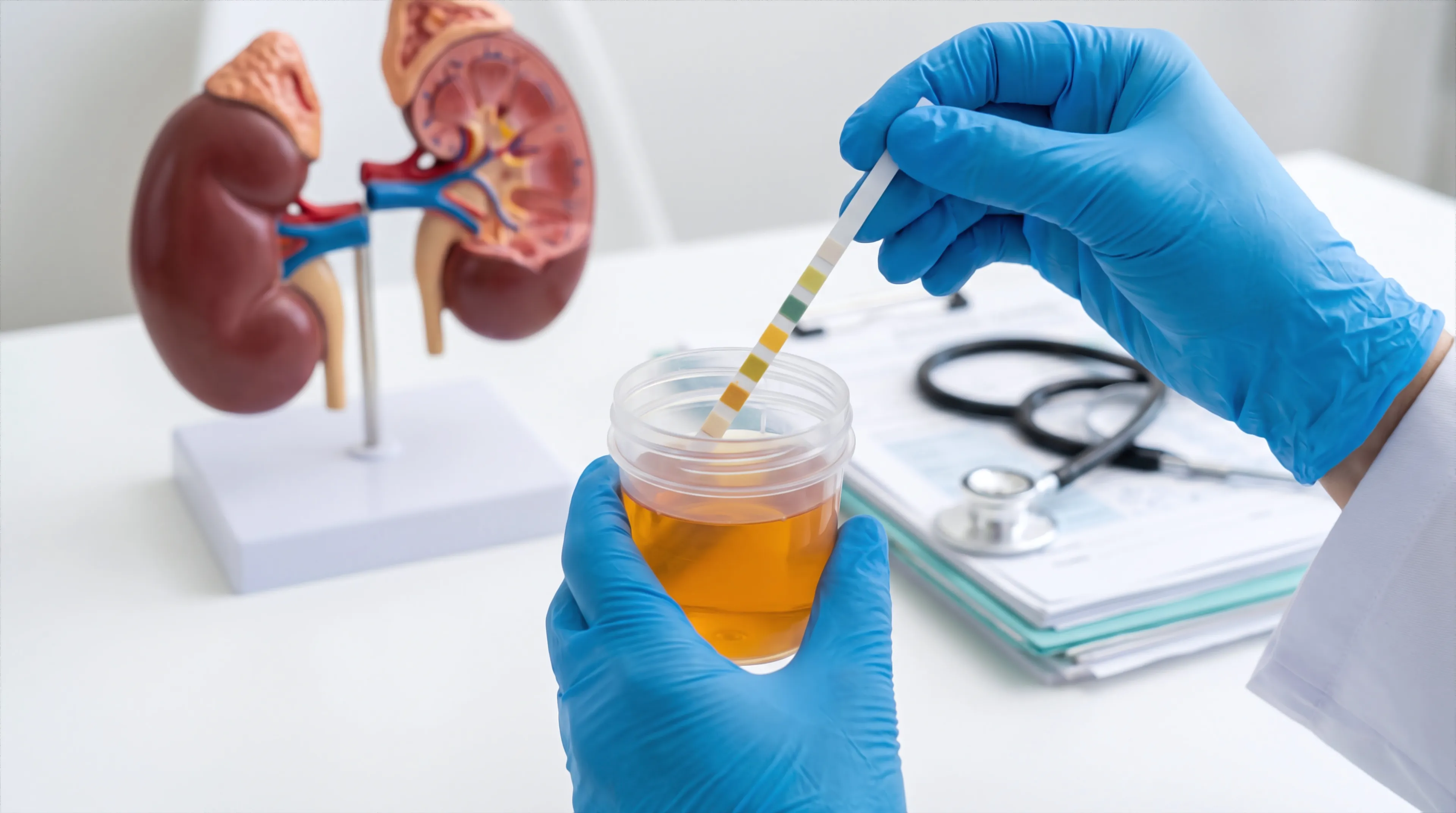
Urine Dipstick Test

This quick, in-clinic test detects nitrites produced by bacteria and leukocyte esterase, a marker for white blood cells. A positive result points strongly toward infection, though a culture is often needed to be certain.

Urine Culture and Sensitivity

A urine sample is sent to a laboratory and grown on a culture medium to identify the exact bacteria involved. The test also shows which antibiotics will work against it. Results take 48 to 72 hours. This step matters most when symptoms are not improving or when infections are recurrent.

ICD-10 Codes for UTI

Clinics and hospitals record UTI diagnoses using standardised ICD-10 codes for clinical records and billing. The most common ones are:

CodeConditionN39.0Urinary tract infection, site not specifiedN30.0Acute cystitis (bladder infection)N10Acute pyelonephritis (kidney infection)N30.1Interstitial cystitis

These UTI diagnosis codes are used for documentation only. Your doctor will communicate your diagnosis directly. If you need a code for insurance or medical records, ask your care team.

Home Remedies to Ease UTI Discomfort

Home remedies will not cure a UTI infection in urine, but they can reduce discomfort while you seek or wait for medical treatment. Learning how to treat UTI naturally through supportive care helps many people feel more comfortable in the short term. These steps are supportive measures, not replacements for antibiotics when antibiotics are needed.

Hydration

Drinking more water is the most useful step you can take. Frequent urination flushes bacteria out of the bladder and lowers bacterial concentration. Stick to water or dilute fluids rather than caffeine or carbonated drinks, which can irritate the bladder lining.

Cranberry Products

Cranberry juice and supplements contain compounds that may reduce bacteria's ability to adhere to the bladder wall. The evidence on whether they resolve an active infection is mixed, but cranberry products are safe for most people and reasonable as a supportive measure. They are not a substitute for medical treatment.

Heat Pads

A warm heat pad applied to the lower abdomen for 15 to 20 minutes at a time can ease pelvic cramping and bladder pressure. Always place a layer of cloth between the pad and skin.

What to Avoid

  • Caffeine, alcohol, and fizzy drinks worsen urgency and burning
  • Scented soaps or hygiene products near the urethra irritate inflamed tissue
  • Holding urine in gives bacteria more time to multiply

For pain relief while waiting for a diagnosis or for a prescription to take effect, an over-the-counter analgesic may help with discomfort.

Always confirm with your pharmacist that any OTC product suits your situation before using it.

Medical Treatment Options for UTI

Antibiotics are the definitive treatment for a bacterial UTI. The choice of antibiotic depends on the bacteria identified in the urine culture, local resistance patterns, your medical history, and any allergies.

Commonly used antibiotic classes include:

  • Nitrofurantoin, typically used for uncomplicated bladder infections
  • Trimethoprim or trimethoprim-sulfamethoxazole for lower UTIs, where resistance patterns allow
  • Fosfomycin, often given as a single dose for uncomplicated cystitis
  • Fluoroquinolones, reserved for more serious infections or when other options are unsuitable
  • Cephalosporins or aminoglycosides for kidney infections requiring hospitalisation

Complete the full course even if symptoms improve quickly. Stopping early can leave some bacteria behind and lead to a recurrent or resistant infection.

Report any adverse effects such as rash, severe diarrhoea, or worsening symptoms to your healthcare provider or the relevant regulatory authority promptly.

Contraindications and Precautions

Certain groups should not self-treat a UTI and need prompt medical assessment:

  • Pregnant women: UTIs carry a higher risk of complications in pregnancy and require supervised antibiotic selection
  • Children: dosing and antibiotic choice differ significantly from adults
  • People with kidney disease or a single functioning kidney: infections can escalate faster
  • Anyone with a recurrent UTI (two or more in six months): a culture and specialist review are important to rule out an underlying cause
  • People who are immunocompromised, such as those on chemotherapy or with diabetes: infections may be more severe and harder to clear
  • Men with a UTI: an infection in a man often signals an underlying problem such as prostate enlargement and warrants investigation

When to See a Doctor for UTI?

Knowing when to see a doctor for UTI symptoms can prevent a simple bladder infection from becoming a kidney infection or bloodstream infection.

Seek medical care if:

  • Symptoms have not improved within 48 hours of starting home care
  • You develop fever, chills, or flank pain at any point
  • You notice blood in your urine
  • You are pregnant, elderly, immunocompromised, or male
  • Symptoms return within two weeks of completing antibiotics
  • You have had more than two UTIs in the past six months

When in doubt, a quick urine test at a clinic can give you a clear answer within minutes.

Conclusion

A urinary tract infection (UTI) can cause symptoms such as burning or pain during urination, frequent urination, an urgent need to urinate, and changes in urine appearance or smell. Early diagnosis and appropriate treatment can help prevent the infection from spreading to the kidneys and causing complications. Diagnosis may involve a urine test, while treatment depends on the type and severity of the infection and may include antibiotics when a bacterial UTI is confirmed or strongly suspected. Drinking adequate fluids and following the prescribed treatment can support recovery, but home remedies should not replace medical care. Seek prompt medical attention if you develop fever, chills, back or side pain, vomiting, blood in the urine, or worsening symptoms, as these may indicate a more serious infection.

FAQs

How long does a UTI last?

With antibiotic treatment, most uncomplicated UTIs resolve within 3 to 7 days. Without treatment, symptoms can persist for weeks and the infection may spread to the kidneys.

Can a UTI go away on its own?

Mild UTIs occasionally clear without antibiotics, but this is unpredictable. Most doctors recommend treatment because untreated infections carry a real risk of spreading to the kidneys, which is a more serious illness.

What drinks help flush out a UTI?

Plain water is the most effective option, as it dilutes bacteria in the bladder and encourages frequent urination. Cranberry juice (unsweetened) is a reasonable addition, but avoid caffeine, alcohol, and fizzy drinks, which irritate the bladder.

Is UTI contagious?

UTIs are not contagious in the usual sense and cannot be passed from person to person like a cold. The bacteria that cause them are usually the patient's own gut bacteria that have migrated to the urinary tract.

Can men get UTIs?

Yes, men can get UTIs, though they are less common. When a UTI does occur in a man, it often points to an underlying issue such as an enlarged prostate or a urinary tract abnormality, so medical evaluation is always recommended.
Apollo 247 Floating Action Button