logo
0

UTI Medicine: Treatment & Home Remedies for Women

Complete guide to UTI medicine for women — diagnosis, antibiotic options, home remedies and when to see a doctor. Medically reviewed.

article image

Dr.Yusuf

A urinary tract infection (UTI) is one of the most common bacterial infections women face, yet many women are unsure which UTI medicine to take, when to see a doctor, and what they can safely try at home. Getting the right information early matters because an untreated UTI can travel from the bladder to the kidneys and become a serious illness.

This guide covers how UTIs are diagnosed, which antibiotics doctors commonly prescribe, who should take extra care with certain medicines, and which home remedies genuinely help alongside treatment.

What Is a UTI and How Is It Diagnosed?

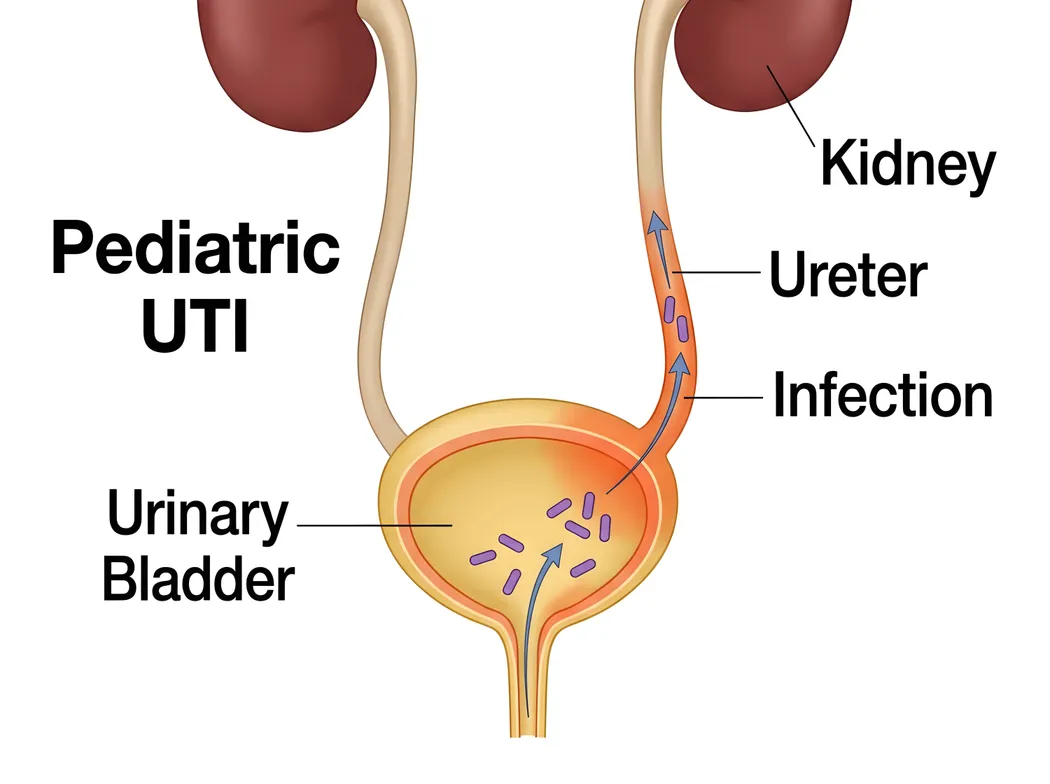
A UTI happens when bacteria, most often Escherichia coli from the gut, enter the urethra and multiply in the urinary tract. Because the female urethra is shorter than the male urethra, bacteria reach the bladder more easily, which is why UTIs are far more common in women.

Common UTI symptoms include:

  • A burning or stinging feeling when you pass urine
  • Frequent, urgent trips to the toilet with little urine produced
  • Cloudy, dark, or strong-smelling urine
  • Pressure or discomfort in the lower abdomen

UTI Symptoms, Diagnosis, and Testing

Doctors use two main tests to confirm a UTI and guide treatment.

  • A dipstick test checks a urine sample for nitrites and white blood cells within minutes. A positive result strongly suggests a bacterial infection, though it is not definitive on its own.
  • A urine culture is the gold-standard test for UTI symptoms and diagnosis. The lab grows bacteria from your urine sample over 24 to 48 hours, identifies the exact organism, and determines which antibiotics will work against it. This step is especially important for severe symptoms, repeated infections, or when initial treatment has not worked.

Self-diagnosis is unreliable. Burning and urgency can also signal sexually transmitted infections, vulvodynia, or interstitial cystitis. Always get a proper urine test before starting antibiotics rather than borrowing a friend's prescription.

UTI Medicine: Antibiotic Options Doctors Prescribe

Antibiotics are the only proven cure for a bacterial UTI. The right UTI medicine depends on the bacteria identified in your urine culture, your medical history, local resistance patterns, and whether the infection is in the bladder (cystitis) or the kidneys (pyelonephritis).

Common Antibiotics for UTI

Doctors in India commonly prescribe the following for uncomplicated lower UTIs:

  • Nitrofurantoin concentrates specifically in the urine, making it effective for bladder infections. It is typically taken over five to seven days.
  • Fosfomycin is sometimes given as a single-dose treatment for uncomplicated UTIs, which helps with completing the course.
  • Trimethoprim-sulfamethoxazole (cotrimoxazole) has been used for decades, though local resistance rates vary and your doctor will check whether it remains appropriate in your area.
  • Cephalosporins such as cefuroxime or cefpodoxime are often chosen when first-line options are not suitable.
  • Fluoroquinolones are generally reserved for complicated infections or kidney involvement because of resistance and side-effect concerns.

All antibiotics for UTI are prescription-only medicines in India. Do not purchase them without a prescription. Antibiotic resistance is a genuine public health problem, and taking the wrong drug can make your infection harder to treat.

Can a UTI be treated without antibiotics? For most women, no. Mild symptoms occasionally resolve on their own, but there is a real risk the infection spreads to the kidneys if left untreated. Home remedies support recovery but do not replace antibiotics.

Contraindications and Precautions

Not every UTI antibiotic is safe for every woman. Your doctor will review your history before prescribing.

Who Should Avoid Certain UTI Antibiotics?

  • Nitrofurantoin should be avoided in the final weeks of pregnancy and in women with significant kidney impairment, as it may not reach effective levels in the urine and can carry risks for the newborn or accumulate harmfully.
  • Trimethoprim-sulfamethoxazole is generally avoided in the first trimester of pregnancy and near delivery. Women with sulfa allergies must not take it.
  • Fluoroquinolones are typically avoided during pregnancy and used cautiously in women with a history of tendon problems or certain heart rhythm conditions.
  • A known allergy to any antibiotic class must be disclosed to your doctor before treatment starts.
  • Kidney disease, liver disease, or concurrent medicines such as blood thinners or some diabetes drugs may require dose adjustments or a different antibiotic entirely.

Always tell your doctor about every medicine, supplement, and allergy before starting UTI treatment.

Adverse events: Report any unexpected side effects, allergic reactions, or worsening symptoms to your healthcare provider or the relevant regulatory authority.

Home Remedies and Self-Care to Support Recovery

Home care does not cure a UTI on its own, but it can ease discomfort and support the medicines your doctor has prescribed. These measures are companions to treatment, not replacements.

Stay Well Hydrated

Drinking plenty of water is the most evidence-backed self-care step for UTI treatment at home. Flushing the urinary tract frequently helps wash out bacteria and dilutes the substances that make urination painful. Most adults manage well with eight to ten glasses of water a day, and more may be needed in warm weather or with a fever.

Cranberry Products

Cranberry juice and supplements contain compounds called proanthocyanidins that may reduce bacteria's ability to stick to the bladder wall. The evidence is modest and cranberry is not a cure, but regular use may benefit women who get recurrent infections. Choose unsweetened juice or a concentrated supplement, since high-sugar cranberry drinks add calories without extra benefit.

Hygiene and Preventive Habits

Simple habits make a real difference for UTI home remedies and prevention:

  • Wipe front to back after using the toilet to prevent gut bacteria reaching the urethra.
  • Urinate after sexual intercourse to help clear bacteria from the urethra.
  • Avoid holding urine for long periods.
  • Wear breathable, cotton underwear and avoid tight-fitting clothing that traps moisture.
  • Avoid scented soaps, douches, or sprays around the genital area, as these can disrupt the natural bacterial balance.

Pain Relief

Over-the-counter pain relief can ease the discomfort of a UTI while antibiotics take effect. A doctor or pharmacist can advise on suitable options based on your other medicines and health conditions.

When to See a Doctor Immediately?

Most uncomplicated UTIs can be managed with a GP appointment and a short course of antibiotics. Some situations, however, need urgent medical attention because they may signal a kidney infection (pyelonephritis) or sepsis.

Go to an emergency department or call your doctor urgently if you have:

  • Fever above 38 degrees Celsius or chills and shivering
  • Pain in the back, side, or flank (around your kidneys)
  • Nausea or vomiting alongside urinary symptoms
  • Blood in your urine that appears suddenly or in large amounts
  • Symptoms that worsen sharply after starting antibiotics
  • Confusion or unusual lethargy, especially in older women

These are red-flag symptoms that suggest the infection has spread beyond the bladder and needs prompt intravenous antibiotics or hospital care. Knowing how to cure a UTI fast starts with recognising when home care is not enough.

Conclusion

UTIs in women are commonly treated according to the location and severity of the infection, the likely cause, urine test results when needed, medical history, and local antibiotic resistance patterns. Antibiotics may be prescribed for bacterial UTIs, while medicines for pain or urinary discomfort may sometimes provide short-term symptom relief but do not treat the underlying infection. Drinking adequate fluids, urinating regularly, and using appropriate hygiene practices can support comfort and recovery, although home remedies cannot reliably cure a bacterial UTI. Antibiotics should be taken only when prescribed and according to the recommended dose and duration, rather than being self-started or stopped early. Fever, chills, back or side pain, vomiting, blood in the urine, pregnancy, recurrent infections, or symptoms that worsen or do not improve require prompt medical assessment because they may indicate a more complicated infection or kidney involvement.

FAQs

What is the fastest way to cure a UTI?

The fastest way is to start a prescribed antibiotic course as early as possible after a confirmed diagnosis. Staying well hydrated and completing the full course without skipping doses speeds recovery.
Can a UTI go away on its own?

Occasionally, very mild lower UTIs resolve without treatment, but this is unpredictable and the risk of the infection spreading to the kidneys is real. Most doctors recommend antibiotic treatment rather than waiting.

What is the best over-the-counter medicine for UTI?

There is no over-the-counter antibiotic for UTI in India; antibiotics require a prescription. A pharmacist can suggest suitable pain relievers to ease discomfort while you see a doctor for a proper diagnosis and prescription.

How long does UTI medicine take to work?

Most women notice symptom improvement within 24 to 48 hours of starting the correct antibiotic. Complete the full prescribed course even if you feel better earlier, to prevent the infection returning or becoming resistant.

Can men get UTIs too?

Yes, men can get UTIs, though they are far less common because the male urethra is much longer. When men do develop UTIs, there is a higher chance of an underlying cause such as an enlarged prostate, so medical evaluation is important.

Apollo 247 Floating Action Button