logo
0

Vitamin-Rich Foods for Babies (A, C, D, Zinc)

Discover the best vitamin-rich foods for babies, covering Vitamins A, C, D, and Zinc. Includes nutrient benefits, top food sources, meal timings, and preparation safety tips. 
 

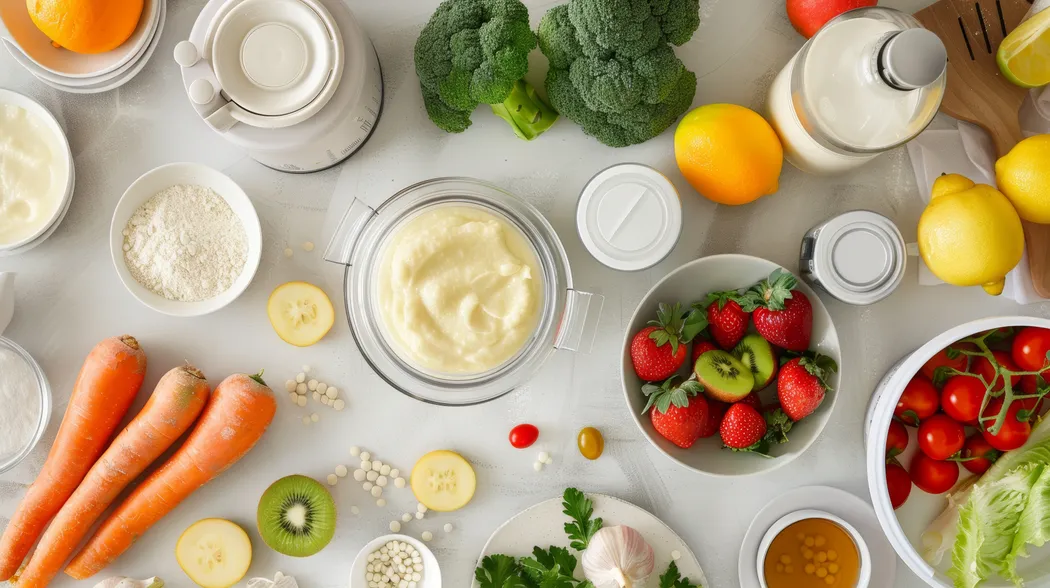
article image

Dr. Kamran

Introducing solid foods to your baby is an exciting milestone. As your little one transitions from an exclusive diet of breast milk or formula, you might find yourself wondering how to ensure they get all the essential nutrients they need to grow strong and healthy. Among the most critical nutrients for your growing infant are Vitamins A, C, D, and the mineral Zinc.

While liquid nutrition provides a solid foundation in the early months, finding the right vitamin D food for baby health, along with other essential micronutrients, becomes incredibly important around the six-month mark. Knowing which foods are packed with these vital nutrients can help you confidently prepare wholesome, delicious meals.

This guide will break down why these four nutrients are so important, highlight the best sources of baby vitamin food, and offer practical tips on how to prepare them safely for your little one.

Why Vitamins and Minerals Matter for Your Baby's Development
 

During the first two years of life, your baby’s brain, bones, and immune system undergo rapid development. Because their stomachs are small, every spoonful of solid food needs to be nutrient-dense. Serving the right vitamin-rich foods for baby growth ensures they meet their daily nutritional requirements without filling up on empty calories.

  • Vitamin A: Crucial for healthy vision, skin health, and robust immune function.
  • Vitamin C: A powerful antioxidant that assists in tissue repair, boosts immunity, and helps the body absorb iron from plant-based foods.
  • Vitamin D: Essential for calcium absorption, helping your baby build strong, healthy bones and teeth.
  • Zinc: Supports cellular growth, metabolism, brain development, and immune defence.

By focusing on a diverse diet rich in these key nutrients, you can give your baby a head start on a lifetime of healthy eating habits.

Vitamin D: The Sunshine Nutrient for Strong Bones

Vitamin D is unique because our bodies can produce it when skin is exposed to sunlight. However, because direct sun exposure is not recommended for young infants due to skin sensitivity, and because breast milk naturally contains low levels of Vitamin D, babies need alternative sources.

According to the paediatric guidelines, breastfed infants require a daily liquid supplement of 400 IU of Vitamin D starting shortly after birth. Once your baby starts eating solid foods around six months, introducing dietary sources of Vitamin D is a fantastic way to support their bone development.

Top Sources of Vitamin D Food for Baby:

While very few foods naturally contain high amounts of this nutrient, there are several safe options to include in your kitchen:

  • Salmon: This fatty fish is an outstanding vitamin D rich food for babies. It is also packed with omega-3 fatty acids, which are crucial for brain development. Be sure to cook it thoroughly and mash it or puree it to a safe texture.
  • Egg Yolks: Eggs are a highly nutritious, versatile vitamin D baby food. Ensure the egg is completely cooked (no runny yolks) before mashing and serving to your baby.
  • Fortified Foods: Many infant cereals, yoghurts, and unsweetened plant milks are fortified with Vitamin D. Always check the labels to ensure there is no added sugar.
  • Sardines: If your baby enjoys stronger flavours, canned, low-sodium sardines mashed into a paste can be a wonderful, nutrient-dense option.

Using a variety of these ingredients helps you offer a diverse selection of vitamin D foods for babies as they learn to appreciate different textures and flavours.


Vitamin C: Boosting Immunity and Iron Absorption
 

At around six months of age, a baby’s natural iron stores begin to deplete, making dietary iron essential. Vitamin C plays a vital role here because it significantly enhances the absorption of non-heme iron (the iron found in plant-based foods like lentils, beans, and spinach).

Why is vitamin C food for babies so important? Beyond helping with iron absorption, Vitamin C is key to producing collagen, which keeps their skin, blood vessels, and tissues healthy, and it helps their immune system fight off common childhood bugs.

Easy and Delicious Vitamin C Baby Food Options:

Finding vitamin C rich food for babies is quite easy because many fruits and vegetables are naturally bursting with it. Here are some of the best choices:

  • Strawberries: A sweet and soft vitamin C food for baby-led weaning. You can puree them for younger babies or slice them into thin, manageable pieces for older infants.
  • Bell Peppers: Yellow, orange, and red bell peppers are packed with Vitamin C. You can steam them until they are completely soft, then puree or slice them.
  • Broccoli: Steamed broccoli florets are easy for babies to hold and chew, making them a fantastic vitamin C baby food.
  • Citrus Fruits: Oranges, clementines, and grapefruits are excellent sources, but they can be highly acidic. Introduce them in small, peeled, membrane-free pieces once your baby is comfortable with basic solids.
  • Kiwi and Papaya: Soft, ripe tropical fruits are naturally easy to mash and offer a sweet flavour that babies love.

Vitamin A: For Bright Eyes and Healthy Skin
 

Vitamin A comes in two forms: preformed Vitamin A (found in animal products) and provitamin A carotenoids (found in plant products, which the body converts into Vitamin A).

Because Vitamin A supports vision—especially night vision—and keeps the lining of the lungs and gut healthy, keeping a regular supply of vitamin a food for baby growth in their diet is highly beneficial.

Top Vitamin A Rich Food for Babies:

As a general rule of thumb, orange and dark green vegetables are loaded with beta-carotene, which the body converts to Vitamin A.

  • Sweet Potatoes: Soft, sweet, and easy to digest, sweet potatoes are an ideal vitamin A food for baby beginners. They can be baked, mashed, or pureed.
  • Carrots: Steam or boil carrots until they are fork-tender to prevent choking.
  • Butternut Squash: Offering a mild, sweet taste, butternut squash is a favourite among infants.
  • Spinach and Kale: Steamed and finely pureed dark leafy greens are an excellent vitamin A rich food for babies.
  • Beef Liver: While not a daily food, small amounts of fully cooked, pureed beef liver contain exceptionally high amounts of easily absorbable Vitamin A and iron.

Zinc: Supporting Cellular Growth and Immune Function

Zinc is an essential mineral that plays a central role in your baby’s rapid physical growth. It supports cellular metabolism, wound healing, and helps maintain a sharp sense of taste and smell. Just like iron, zinc levels in breast milk decline after six months, making zinc-rich solid foods a priority for weaning infants.

Healthy Zinc Food for Baby Menus:

Introducing zinc-rich food for babies helps ensure they meet their daily developmental milestones. Excellent options include:

  • Meats (Beef, Pork, Poultry): Pureed or finely shredded meats are among the best sources of highly bioavailable zinc.
  • Lentils and Beans: For families preferring plant-based options, well-cooked and mashed lentils, chickpeas, and black beans serve as an excellent zinc food for baby diets.
  • Yoghurt and Cheese: Once your baby is introduced to dairy (usually around six months, provided there are no allergies), plain, whole-milk Greek yoghurt offers a healthy dose of zinc and calcium.
  • Seeds: Pumpkin and sesame seed butter (tahini) can be thinned out with water or breast milk and mixed into purees to provide zinc. Never feed whole seeds to babies as they present a major choking hazard.

Transitioning to Toddlerhood: Nutritional Needs at 1 Year
 

As your baby approaches their first birthday, their diet will shift significantly. They will begin transitioning away from breast milk or formula as their primary source of nutrition, relying instead on three balanced meals and snacks per day.

Nutrient Spotlight: Daily Recommendations for 1-Year-Olds

Nutrient Daily Recommended Amount
  
Vitamin D600 IU (15 mcg)
Vitamin C15 mg
Vitamin A300 mcg RAE
Zinc 3 mg

During this transition, finding reliable vitamin D food for toddlers becomes even more important. Whole cow's milk, which is typically introduced after 12 months, is often fortified with Vitamin D and calcium to support bone growth.

Including a variety of options like a fortified vitamin D food for 1 year baby—such as fortified oatmeal, fatty fish, and whole eggs—ensures your toddler continues to receive adequate nutrition to support their active, walking, and exploring lifestyle.

Practical Tips for Preparing Vitamin-Rich Baby Meals
 

To get the most out of your baby's meals, keep these preparation tips in mind:

  • Prioritize Texture and Safety: Always prepare foods to match your baby's developmental stage. Purees should be smooth for beginners, while finger foods for older babies should be soft enough to smash between your thumb and forefinger.
  • Combine Nutrients Wisely: Pair Vitamin C foods (like broccoli or strawberries) with iron- and zinc-rich foods (like lentils or beef) to maximise absorption.
  • Avoid Added Salts and Sugars: Babies' kidneys are delicate, and their developing palates do not need added sugars. Let them enjoy the natural flavours of whole foods.
  • Introduce One New Food at a time: When introducing highly allergenic foods (like eggs, fish, and dairy), introduce them one at a time and wait 3 to 5 days to monitor for any adverse reactions.

FAQS

How do I know if my baby is getting enough Vitamin D?

Because Vitamin D is difficult to obtain in sufficient quantities from food alone, the American Academy of Paediatrics recommends that breastfed babies receive a daily 400 IU liquid supplement. Once your baby transitions to solids and eventually whole milk, incorporating vitamin D foods for baby health—like salmon, fortified cereals, and egg yolks—helps maintain healthy levels. If you are concerned, consult your paediatrician.

Can babies get too much Vitamin A?

Yes, it is possible to get too much preformed Vitamin A (retinol), which is found in supplements and high amounts in animal liver. However, provitamin A (beta-carotene) found in orange and green vegetables like sweet potatoes and carrots is very safe, as the body only converts what it needs. Stick to food sources rather than supplements unless prescribed by a doctor.

What is the best vitamin C baby food for a 6-month-old beginner?

Mashed ripe strawberries or pureed steamed broccoli are wonderful options. They are gentle on the digestive system and easy to swallow when prepared as a smooth puree.

Are there vegetarian zinc-rich foods for babies?

Absolutely! Well-cooked and mashed lentils, chickpeas, kidney beans, and fortified infant oatmeal are excellent plant-based sources of zinc. Pairing these with a Vitamin C-rich food helps your baby absorb the nutrients more efficiently.

Does breast milk contain enough vitamin d food for babies?

While breast milk is the gold standard for infant nutrition, it naturally contains very low amounts of Vitamin D. This is why paediatricians recommend a daily liquid Vitamin D supplement for breastfed infants, alongside introducing dietary sources once solids are started.

Apollo 247 Floating Action Button