Body Changes You May Notice at 16 Weeks
Your body continues adapting to support your growing baby. Changes in your abdomen, breasts, skin and weight are common, although they may not be noticeable in the same way for everyone.
Should You Be Showing at 16 Weeks?
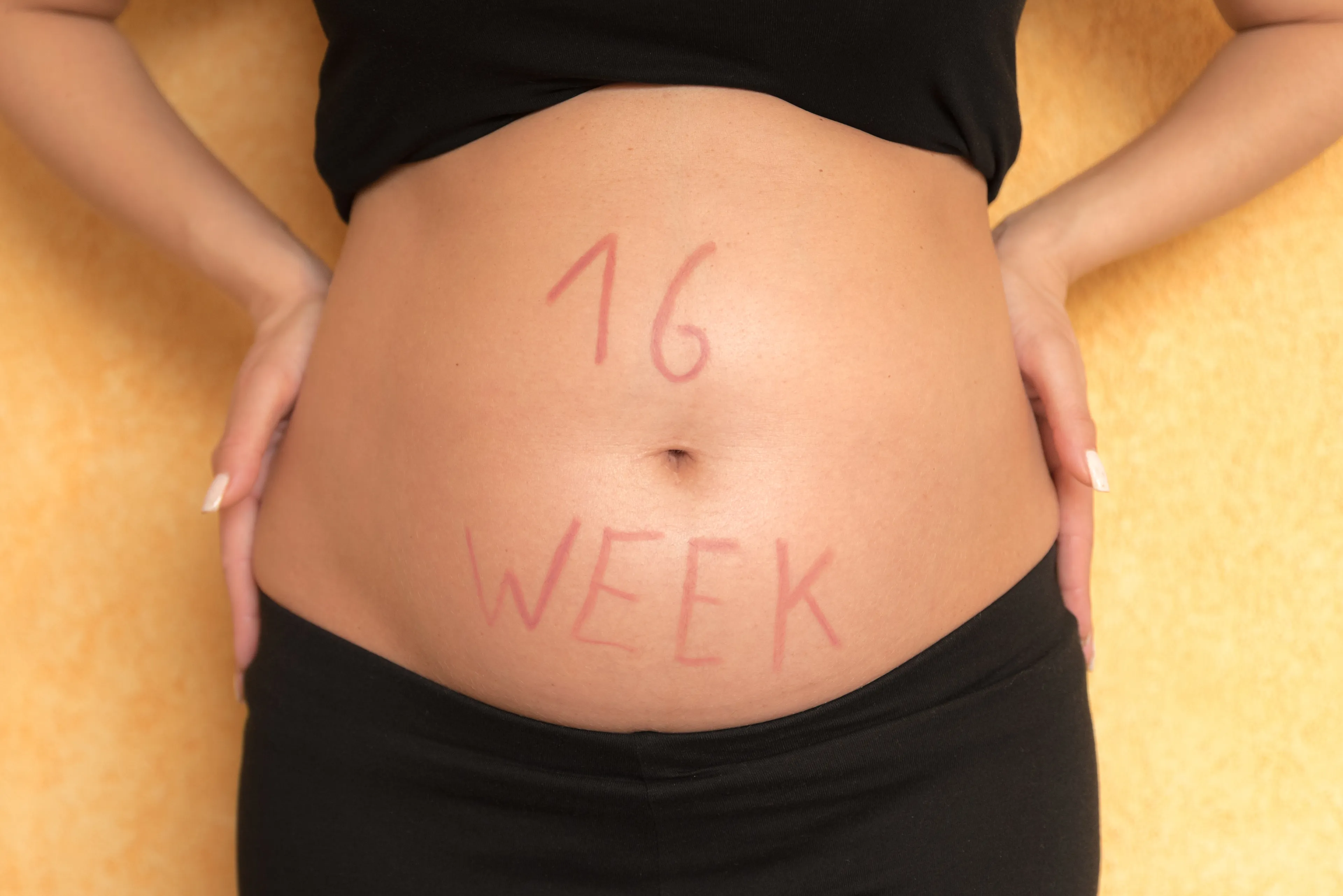
Your 16-week pregnant belly may be becoming more noticeable, but its size and shape vary. If this is your first pregnancy, your bump may appear later. If you have been pregnant before, you may notice it earlier.
At this stage, your uterus is growing upwards from the pelvis. You may find that your usual clothes feel tighter around your waist, even if your bump is still small.
There is no single bump size that everyone should have at 16 weeks. Your doctor will assess your pregnancy using your medical history, examination and ultrasound findings when needed.
Weight Gain During Week 16
Weight gain during pregnancy depends on several factors, including your pre-pregnancy body mass index (BMI), whether you are carrying one baby or more, your health and your pregnancy's progress.
There is no fixed amount of weight you must have gained by week 16. Your doctor will monitor your weight over time and advise you if any changes are needed. Avoid trying to restrict food or deliberately increase your weight without medical guidance.
Skin and Hair Changes
Hormonal changes can affect your skin and hair during the second trimester. You may notice:
- Linea nigra: A darker vertical line may appear along the centre of your abdomen.
- Melasma: Brown or darker patches may develop on the face, particularly the cheeks and forehead.
- Darker nipples: The skin around your nipples may become more pigmented.
- Stretch marks: These may begin appearing as your abdomen and breasts grow.
- Changes in skin texture: Your skin may feel oilier, drier or more sensitive than usual.
A gentle, unscented moisturiser can help with dryness and itching. Stretch marks cannot be reliably prevented with creams or oils, although moisturising may improve skin comfort.