logo
0

When Can I Use a Diaper on My Newborn?

Learn when newborns can start wearing diapers, how to choose a suitable size, how often to change them and tips for preventing nappy rash and skin irritation.

article image

Dr.Vasantha Sree

Knowing when I can use a diaper on my newborn is one of the first practical questions new parents face, often within hours of delivery. The answer is reassuring: diapers are safe from day one. However, how you use them in those early weeks, especially around the umbilical cord stump, makes a real difference to your baby's comfort and skin health.

When Can You Start Using a Diaper on a Newborn?

Newborns can wear diapers immediately after birth. Most hospitals put the first diaper on in the delivery room itself. There is no waiting period required.

The one thing to keep in mind from the very start is the umbilical cord stump. It typically separates within 1 to 2 weeks after birth, though in some babies this can take up to 3 weeks. Diapering technique needs to account for it during this entire period. Beyond that, newborn diaper timing is simply about choosing the right size and checking fit, not waiting for any developmental milestone.

Diapering Around the Umbilical Cord Stump

The stump needs air to dry out and fall off. A diaper that covers or rubs against it can slow healing and raise infection risk.

Most newborn diapers have a pre-cut notch at the front waistband for exactly this reason. If yours does not, fold the top of the front panel down before fastening so the stump sits completely above the diaper line.

A few practical points:

  • Check that the folded edge is not pressing into the stump with every movement.
  • Keep the area dry. If urine seeps toward the stump, change the diaper promptly.
  • Do not apply powder or lotion directly to the stump.

For a full guide on keeping the area clean and watching for warning signs, see how to care for your newborn's belly button.

How Often to Change a Newborn's Diaper?

A newborn's bladder empties frequently, and the digestive system works overtime in the first weeks. As a general guide, most newborns need roughly 8 to 10 diaper changes in a 24-hour period, though this varies by feeding method and individual baby. Breastfed babies may soil more often in the early weeks than formula-fed ones.

Cues to watch for:

  • A noticeably heavy or sagging diaper
  • Visible stool, even a small amount
  • Fussiness that has no other obvious cause
  • The wetness indicator on disposable diapers has changed colour

Do not wait until the diaper looks completely full. Newborn skin is thin and absorbs irritants quickly, so frequent changes are one of the simplest forms of newborn skin care diaper management you can practice.

Cloth vs Disposable Diapers: Choosing for a Newborn

Both options work well for newborns. The right choice usually comes down to your household's priorities.
 

FactorClothDisposable
Upfront costHigherLower per purchase
Long-term costLowerHigher over months
AbsorbencyGood; depends on layersHigh; gel core locks moisture
Skin sensitivityBreathable; no chemical gelsMay contain fragrances or dyes
ConvenienceRequires washingReady to use, easy to discard
Environmental impactLess landfill wasteSignificant landfill contribution

For cloth vs disposable diaper newborn decisions, many parents use disposables in the first few weeks when changes are very frequent, then switch to cloth once routines settle. Neither option is medically superior, so pick what you can sustain consistently.

Preventing Diaper Rash and Skin Irritation

Newborn diaper rash prevention starts before a rash appears. The skin in the diaper area is constantly exposed to moisture and friction.

Practical steps:

  • Change diapers promptly after soiling. Do not leave a wet diaper on longer than needed.
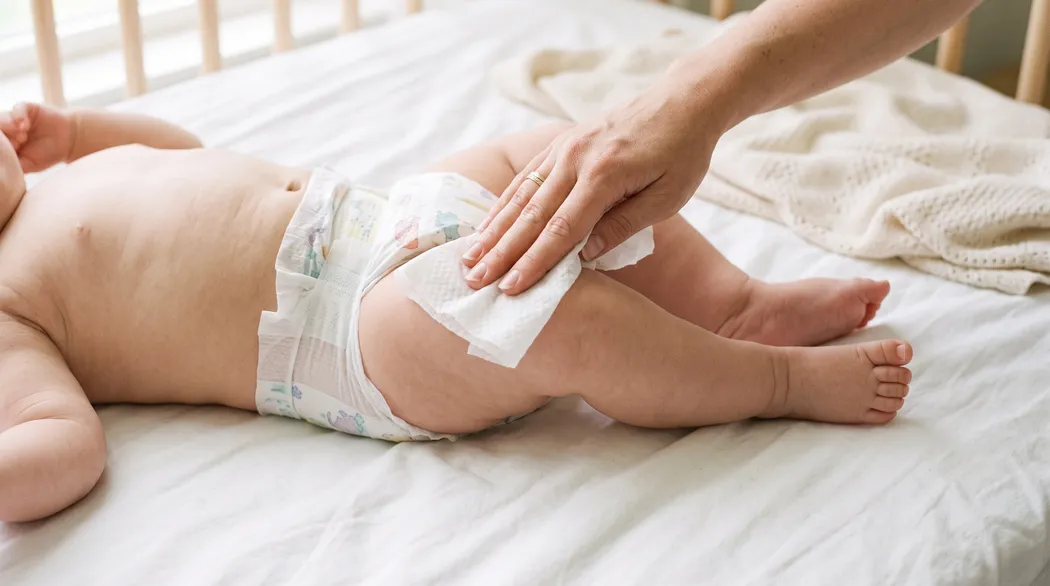
  • At each change, gently clean the area with warm water and unscented cotton pads or a soft cloth.
  • Wipes with alcohol or fragrance can irritate newborn skin.Pat dry rather than rubbing. The area should be completely dry before the next diaper goes on.
  • Apply a thin layer of a zinc oxide-based barrier cream at each change to protect skin from moisture.
  • Give skin five to ten minutes of open-air time once or twice a day by laying your baby on a clean, absorbent mat without a diaper.

If redness appears, increase air time and barrier cream use. If the rash spreads, blisters, or does not improve within 2 to 3 days, consult your paediatrician.

Contraindications and When to Avoid or Delay Diapering

There are situations where standard diapering should be paused or modified:

Umbilical cord infection: If the stump area is red, swollen, has an unpleasant smell, or is oozing pus rather than normal dried secretion, contact your doctor before continuing to diaper.
Open skin wounds or blisters: Any broken skin in the diaper zone needs medical assessment first. Covering an open wound in a warm, moist space raises infection risk. You can read general guidance on treating minor skin cuts and wounds, but always seek a paediatrician's advice for a newborn specifically.
Suspected skin infection: Rashes that are spreading, crusting, or accompanied by fever should be evaluated by a doctor. Do not apply over-the-counter antifungal or steroid creams without a prescription in newborns.
Post-surgical situations: If your baby had any perineal or abdominal procedure, the surgical team will advise on modified diapering. Follow their instructions exactly.

Report adverse events or unexpected skin reactions to your healthcare provider or the relevant regulatory authority.

Conclusion

Newborns can generally wear diapers from birth, provided they fit properly and are changed frequently. Choose a newborn or appropriately sized diaper that fits comfortably around the waist and legs without being too tight or rubbing against the skin. During the first days of life, keeping the umbilical cord stump clean and dry is important, so position the diaper below the stump or use a newborn design with a suitable cut-out. Change the diaper promptly after stools and whenever it becomes wet, and clean and dry the skin gently. If your baby's skin develops persistent redness, sores or other signs of irritation, seek advice from a paediatrician.
FAQS

Can a newborn wear a diaper on the first day?

Yes. Newborns can and do wear diapers from the moment they are born, and hospitals typically diaper babies in the delivery or recovery room.

Is it safe to diaper over the umbilical cord?

It is not recommended. Fold the front of the diaper down so the stump stays exposed to air, which helps it dry out and separate naturally within 1 to 2 weeks in most babies.

How do I know if a diaper is causing rash?

Look for persistent redness, small bumps, or irritated skin in the diaper area. If the skin does not clear up within 2 to 3 days of more frequent changes and barrier cream use, see a paediatrician.

What size diaper does a newborn need?

Most newborns start in the "newborn" size, which is generally designed for babies up to around 5 kg. Check the weight range printed on the packaging, as sizing varies slightly between brands.

When should I switch from newborn to size 1 diapers?

Switch when the tabs barely reach the centre of the waistband, the diaper leaks despite a good fit, or your baby exceeds the weight range on the pack. A snug but comfortable fit around the thighs and waist is your best guide.

Apollo 247 Floating Action Button