logo
0

When Can I Use a Diaper on My Newborn?

Learn when newborns can start wearing diapers, how to choose the right size, umbilical cord care, changing frequency, and signs of diaper irritation.

article image

Dr.Mayank

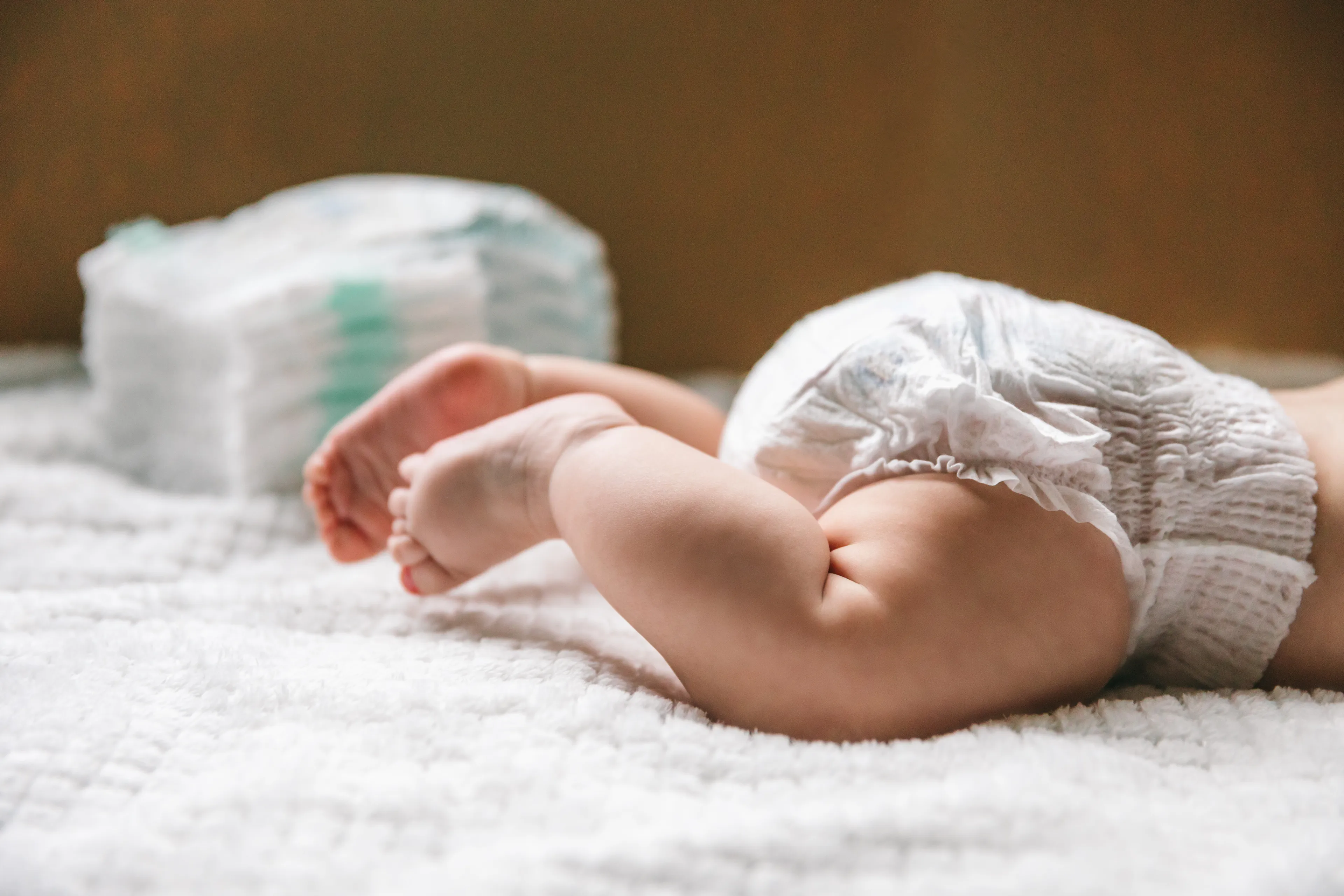
One of the first practical questions parents ask is: when can I use a diaper on my newborn? The answer is straightforward. Diapering starts almost immediately after birth, and knowing what to expect in those first hours and days makes the whole experience far less daunting.

Can You Diaper a Newborn Right From Birth

Yes, newborns wear diapers from day one. In most hospitals, nursing staff place the first diaper on your baby within an hour or two of delivery, once initial skin-to-skin contact and assessments are done. There is no minimum age or weight threshold to clear first.

The First Diaper Change: What to Expect

Your baby's first bowel movement is called meconium. It is dark greenish-black, sticky, and looks nothing like later stools. It typically appears within the first 24 hours and continues for a day or two before transitioning to softer, yellowish stool as your milk or formula comes in.

The nursing team will usually walk you through the first diaper change, which is the ideal moment to watch carefully and ask questions. After that, expect to change your newborn 8 to 10 times per day, roughly every 2 to 3 hours. Frequent wet and soiled diapers are actually a reassuring sign that your baby is feeding well.

Keep these items within arm's reach at every change:

  • Warm water and soft cotton pads, or unscented wipes made for newborns
  • A clean diaper ready before you undo the old one
  • One hand on the baby at all times on a flat, safe surface

This newborn diaper change guide covers the basics, but your hospital nurse is your best real-time resource.

Choosing the Right Diaper Size and Type for Newborns

Newborn-size diapers generally fit babies up to around 5 kg, though the exact range varies by brand. Fit matters: gaps at the thighs or waist cause leaks, and a snug waistband irritates delicate skin.

Look for an umbilical cord cutout or notch at the front waistband. This keeps the diaper from pressing on the cord stump, which needs air to dry and fall off naturally. Checking for this feature is an important part of choosing the right newborn diaper size.

On cloth versus disposable:

  • Disposables are convenient for the first few weeks when output is high and unpredictable.
  • Cloth diapers work from birth but need careful washing and a cover that fits a very small baby.
  • Pre-fold cloth with a snappi fastener tends to suit tiny newborns better than pocket-style inserts.

For most families, newborn-size disposables are the practical starting point.

Transitioning From Hospital-Supplied Diapers to Your Own

Most hospitals provide diapers for the first 24 to 48 hours. You can use what the hospital supplies freely during your stay. Once home, switch to the diapers you have bought, or continue with the same brand if you prefer.

The hospital diaper vs regular diaper difference is smaller than many parents expect. Hospital-supplied diapers are usually standard disposables from common brands, so there is no adjustment period for your baby. The key difference is often just branding and packaging, not design or materials.

Before the birth, stock one to two packs of newborn-size diapers rather than buying in bulk. Babies grow quickly, and some skip newborn size entirely if they arrive on the larger side. Having a small reserve avoids waste if your baby outgrows that size within days. The hospital diaper vs regular diaper swap is seamless once you are home and settled.

Umbilical Cord and Diaper Area Care

Until the cord stump falls off, usually within 1 to 3 weeks, fold the diaper below it. If your chosen diaper lacks a cutout, simply fold the front waistband down before fastening. The aim is to keep the stump dry and exposed to air.

Do not apply creams, ointments, or powder to the stump area unless a doctor advises it. If there is dried blood or slight discharge, wipe gently around the base with a dry cotton swab.

For a step-by-step guide to stump care, read how to care for your newborn's umbilical cord/belly button.

Signs of Diaper Rash or Irritation to Watch For

Newborn skin is sensitive, and rashes develop quickly. At every change, look for:

  • Redness or pink patches around the bottom, inner thighs, or genitals
  • Small bumps or raised spots in the diaper area
  • Skin that looks raw or stays moist after being patted dry
  • A baby who cries or flinches more than usual during changes

Mild redness often clears with more frequent changes and a thin layer of zinc oxide barrier cream. If the rash spreads, blisters appear, or there is no improvement after two to three days, contact your paediatrician.

When to Contact a Doctor Urgently

Seek prompt medical advice if you notice:

  • Bright red rash that spreads beyond the diaper area
  • Open sores, bleeding, or oozing from the skin
  • The cord stump appears red, swollen, or has a foul-smelling discharge
  • Your baby develops a fever alongside any skin change

Do not apply antifungal or steroid creams without a paediatrician's clearance.

Report adverse events to your healthcare provider or the relevant regulatory authority.

Contraindications and When to Avoid Certain Diapering Products

Some products are unsuitable for newborns, and a few can cause harm.

  • Scented diapers or fragranced wipes can trigger contact dermatitis on newborn skin.
  • Talcum powder near the diaper area poses an inhalation risk and is best avoided entirely.
  • Products containing strong antiseptics, boric acid, or camphor should not go on broken or irritated skin without a paediatrician's approval.
  • Adult antiseptic wipes and alcohol-based products should not be used near the diaper area.

If your baby was born premature, has a skin condition, or has any open skin, check with your doctor before using any topical product in the diaper area.

Conclusion

Newborns can generally wear diapers from the first day of life, including during the hospital stay. Choose a properly fitting newborn diaper, keep the front below the umbilical cord stump, and change it every 2–3 hours or promptly after a bowel movement. Fragrance-free products can help reduce skin irritation, while talcum powder and harsh antiseptic products should be avoided. Parents should monitor the diaper area and umbilical stump for redness, swelling, discharge, open skin, or other concerning changes and contact a paediatrician when needed.

FAQs

How often should a newborn's diaper be changed?

Change your newborn every 2 to 3 hours, or immediately after a bowel movement. Most newborns go through 8 to 10 diapers per day in the first few weeks.

Can I use cloth diapers on a newborn from birth?

Yes, cloth diapers are safe from birth. Choose a style that fits a very small baby securely, and ensure they are washed with a gentle, fragrance-free detergent.

Do newborns need special diapers for the umbilical cord?

A cutout or notch at the front waistband helps, but it is not strictly required. You can fold down the waistband of any standard diaper to keep it below the cord stump.

What size diaper fits a newborn?

Newborn-size diapers generally fit babies up to around 5 kg. If your baby weighs more at birth, they may fit directly into size 1 diapers.

When do babies move from newborn to size 1 diapers?

Most babies move to size 1 between 2 and 4 weeks of age, once they exceed the newborn weight range. If leaks become frequent despite correct fastening, it is usually time to size up.
Apollo 247 Floating Action Button