logo
0

When to Introduce a Bottle to a Breastfed Baby?

Learn when to introduce a bottle to a breastfed baby, how to start bottle feeding, paced feeding techniques, bottle safety, and cup-feeding alternatives.
 

article image

Dr. Mayank

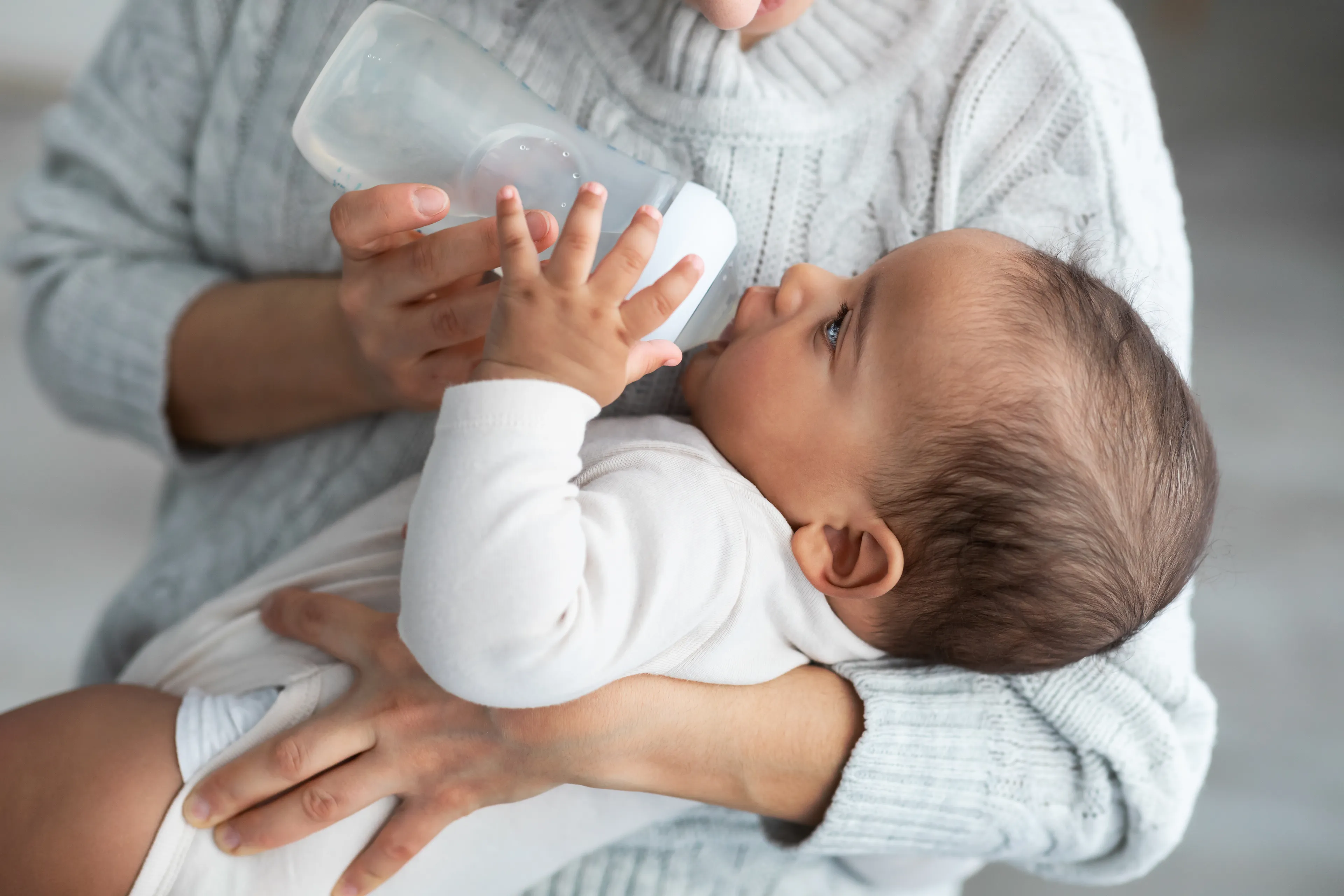
Welcoming a newborn into your family brings a season of immense joy, soft cuddles, and quite a few questions about nutrition. Whether you are planning to return to work, want to share feeding duties with a partner, or simply need a well-deserved break, introducing a bottle is a major milestone. If you are currently nursing, one major question on your mind is likely: when to introduce a bottle to a breastfed baby?

Finding the right balance between breast and bottle requires a little planning, patience, and the right information. While breastfeeding is a natural process, babies use different muscle groups and sucking techniques when feeding from a bottle compared to the breast. Introducing a bottle too early can sometimes interfere with your milk supply or cause latch issues, while waiting too long can lead to a baby stubbornly refusing the silicone nipple.

In this comprehensive guide, we will explore the ideal timing for this transition, safety practices for infant bottle feeding, how to avoid common pitfalls, and when alternative methods like using an infant feeding cup might be the best path forward.

Finding the Sweet Spot: When to Introduce a Bottle to a Breastfed Baby?

The right timing can make bottle introduction smoother while helping your baby continue to breastfeed comfortably.

  • Wait until breastfeeding is established: Usually around 3–4 weeks, when milk supply and latching are well established.
  • Look for a comfortable latch: Your baby should be feeding effectively with a deep, comfortable latch before introducing a bottle.
  • Avoid introducing a bottle too early: Offering a bottle during the first week may increase the chance of flow preference because bottles can provide milk more quickly.
  • Avoid waiting too long: Introducing a bottle around 8–12 weeks may be more challenging because some breastfed babies become strongly accustomed to breastfeeding.
  • Choose the right timing: The goal is to introduce a bottle while maintaining a positive breastfeeding routine.
  • Understand nipple/flow preference: Some babies may prefer the faster, more consistent milk flow from a bottle compared with breastfeeding.
  • Follow your baby’s cues: Every baby is different, so readiness and acceptance can vary.


Choosing the Right Gear: Selecting a Bottle for Infant Feeding

Walking down the baby care aisle can feel overwhelming. With dozens of shapes, sizes, and nipple flows available, choosing a bottle for infant feeding requires looking at a few specific design elements:

  • Nipple Flow Rate: Always start with the slowest flow nipple available (often labeled "Level 0," "Super Slow," or "Preemie"). This mimics the natural flow of breast milk, requiring your baby to work for the milk just as they do during breastfeeding.
  • Nipple Shape: Look for a wide-base nipple that gradually slopes. This encourages your baby to open their mouth wide and take in the base of the nipple, simulating a wide, deep breast latch.
  • Material: Ensure all bottles are BPA-free. Glass, silicone, and high-quality, food-grade plastics are all safe choices.

Step-by-Step Guide: How to Begin Infant Bottle Feeding

Once you have chosen a suitable bottle and hit the 3-to-4-week mark, you can begin introducing it to your baby. The process of bottle feeding infant babies requires patience. Use these step-by-step techniques to make the transition smooth and stress-free:

1. Let Someone Else Offer the First Bottle

Babies can smell their mother’s breast milk from several feet away. If you try to give the bottle, your baby may become confused or frustrated, wondering why they are getting silicone when the "real thing" is right there. Have your partner, a grandparent, or a trusted caregiver offer the first few bottles while you are in another room or out of the house.

2. Practice Paced Bottle Feeding

Paced feeding is a method that allows your baby to control the flow of milk, closely mimicking breastfeeding. When a caregiver is baby bottle feeding infant babies, they should follow these steps:

  • Keep the baby in an upright, seated position rather than lying flat.
  • Hold the bottle horizontally, parallel to the floor, so the milk does not pour into the baby's mouth via gravity.
  • Tickle the baby’s upper lip with the nipple to encourage them to open wide.
  • Allow the baby to pull the nipple into their mouth rather than pushing it in.
  • Tilt the bottle slightly to fill the tip of the nipple with milk.
  • Pause every few minutes to let the baby rest, mimicking the natural "letdown and pause" cycles of breastfeeding.

3. Choose the Right Time

Do not try to introduce a bottle when your baby is ravenously hungry or overly tired. They will have very little patience for learning a new skill. Instead, choose a time mid-way between regular feeds when your baby is alert, calm, and content.

Once breastfeeding is well established, usually around 3–4 weeks, parents can gradually introduce a bottle or consider alternative feeding methods based on their baby’s needs.

1. Transition to Bottle

  • Use a slow-flow bottle nipple.
  • Try paced feeding.
  • Let another caregiver offer the bottle.

2. Consider Alternative Feeding Paths

  • Use an open cup or feeding cup when appropriate.
  • Consider safe syringe feeding when recommended.
  • Introduce cup feeding around 6 months as developmentally appropriate.

Safe Preparation: Formula Feeding Infant Bottle Safety

If you are using infant formula rather than pumped breast milk, infant formula bottle feeding requires strict adherence to hygiene and preparation guidelines to keep your baby's developing immune system safe.

  • Sterilization: Before using a new formula feeding infant bottle and its components for the first time, sterilize them in boiling water for five minutes. After the first use, washing thoroughly with hot, soapy water or using a dishwasher is generally sufficient, unless your pediatrician recommends continued sterilization due to health vulnerabilities.
  • Water Safety: Use water from a safe source. If you are concerned about your local tap water, boil it for one minute and let it cool to room temperature before mixing it with formula.
  • The 2-Hour Rule: According to the Centers for Disease Control and Prevention (CDC), once your baby begins drinking a bottle of formula or breast milk, bacteria from their mouth enter the milk. You must use or discard the remaining milk within two hours of starting the feed. Never save leftovers in the refrigerator for a later feeding.

Alternatives to Bottles: Cup Feeding Infant Options

In some instances, parents may choose to bypass the bottle altogether. This is especially true if a baby absolutely refuses silicone nipples, if bottle-feeding is introduced later in infancy, or if you want to avoid interfering with a fragile breastfeeding latch.

Using an infant feeding cup is an excellent, evidence-based alternative recommended by organizations like the World Health Organization (WHO) for newborns who need temporary supplementation.

While cup feeding infant children is a practiced skill, it can be highly effective. A small, medicine-sized cup is held gently to the baby's lower lip. Rather than pouring the milk into the baby's mouth, the cup is tilted just enough so the milk touches the baby’s lips, allowing them to lap or sip the milk at their own pace.

As your baby grows older—around 6 months of age—you can begin transitioning them directly from the breast to a small, open cup or a straw cup, entirely skipping the need to introduce a bottle.
 

Safe Feeding Practices: The Truth About the "Baby Food Bottle"

As your baby grows, you might hear older generations or online forums suggest putting cereal or purees inside a bottle. They might refer to this setup as a baby food bottle or talk about using a specialized food bottle baby system to help the baby sleep longer at night. Medical experts strongly advise against this practice.

According to the American Academy of Pediatrics (AAP) and the CDC, putting baby cereal or food in a bottle poses several serious risks:

1. Choking Hazard: Thickened liquids are highly difficult for infants to swallow safely through a bottle nipple, increasing the risk of aspiration (inhaling food into the lungs).
2. Excessive Weight Gain: Babies naturally regulate their calorie intake by volume. When high-calorie cereal is packed into a liquid bottle, they may consume far more calories than they actually need, which can lead to unhealthy rapid weight gain.
3. Delays in Developmental Milestones: Learning to eat solid foods is about more than just swallowing calories. It is a developmental milestone where babies learn to use their tongue, chew, and swallow from a spoon. Feeding them solids from a bottle deprives them of this essential practice.

Solid foods should only be introduced around 6 months of age, offered on a spoon or as soft finger foods, and never mixed into a bottle unless specifically prescribed by a pediatrician to treat medical conditions like severe gastrointestinal reflux.
 

Conclusion

Introducing a bottle to a breastfed baby can be a gradual process that requires patience and flexibility. For most healthy, full-term babies, introducing a bottle around 3–4 weeks, once breastfeeding is established, may make the transition smoother. Using a slow-flow nipple, practicing paced bottle feeding, and allowing another caregiver to offer the bottle can help your baby adjust while supporting breastfeeding. If your baby refuses a bottle, cup feeding may be an alternative when developmentally appropriate. Always follow safe preparation and feeding practices, and avoid putting cereal or solid foods in a bottle 

FAQS

When to introduce a bottle to a breastfed baby?

For most healthy, full-term infants, the best time to introduce a bottle is between 3 and 4 weeks of age. By this point, the baby has mastered the coordination required for breastfeeding, and your milk supply has stabilized, making it easier to switch back and forth without disrupting your nursing routine.

What is nipple confusion, and how can I prevent it?

Nipple confusion (or flow preference) occurs when a baby prefers the easy, steady flow of a bottle over the effort required to nurse at the breast. You can prevent this by waiting until 3 to 4 weeks to introduce a bottle, using a super-slow-flow nipple, and practicing paced bottle feeding techniques.

How long can breast milk or formula sit in a bottle?

Freshly pumped breast milk can sit at room temperature for up to 4 hours, while freshly prepared formula can sit for up to 2 hours. However, once your baby’s lips touch the bottle nipple, bacteria from their mouth enter the liquid. Therefore, any remaining milk or formula must be consumed or discarded within 2 hours of starting the feed.

Can I skip the bottle and go straight to a cup?

Yes! If your baby is nearing 6 months of age or is highly resistant to bottles, you can bypass the bottle completely. You can introduce a small, open cup or a straw cup under your supervision, which is excellent for their oral-motor development.

Why shouldn't I put baby cereal in my infant's bottle?

Adding cereal to a bottle is a choking hazard, deprives your baby of the chance to practice eating from a spoon, and can lead to unhealthy weight gain. Solid foods should be introduced via spoon or safe finger foods starting around 6 months of age, never through a bottle.

Apollo 247 Floating Action Button