logo
0

White Nipple Discharge: Causes and When to See a Doctor

Learn the causes of white discharge from the nipple, when it is normal, possible medical conditions, warning signs, and when to seek medical evaluation.

article image

Dr. Rohini priyanaka

Noticing white discharge from the nipple can feel unsettling, but in many cases it has a clear, treatable explanation. Nipple discharge is one of the more common breast symptoms people bring to their doctor, and understanding what drives it makes it much easier to decide whether to watch and wait or seek care promptly. That said, some patterns of white discharge from the nipple do need urgent evaluation, so knowing the difference matters.

What Does White Discharge From the Nipple Mean?

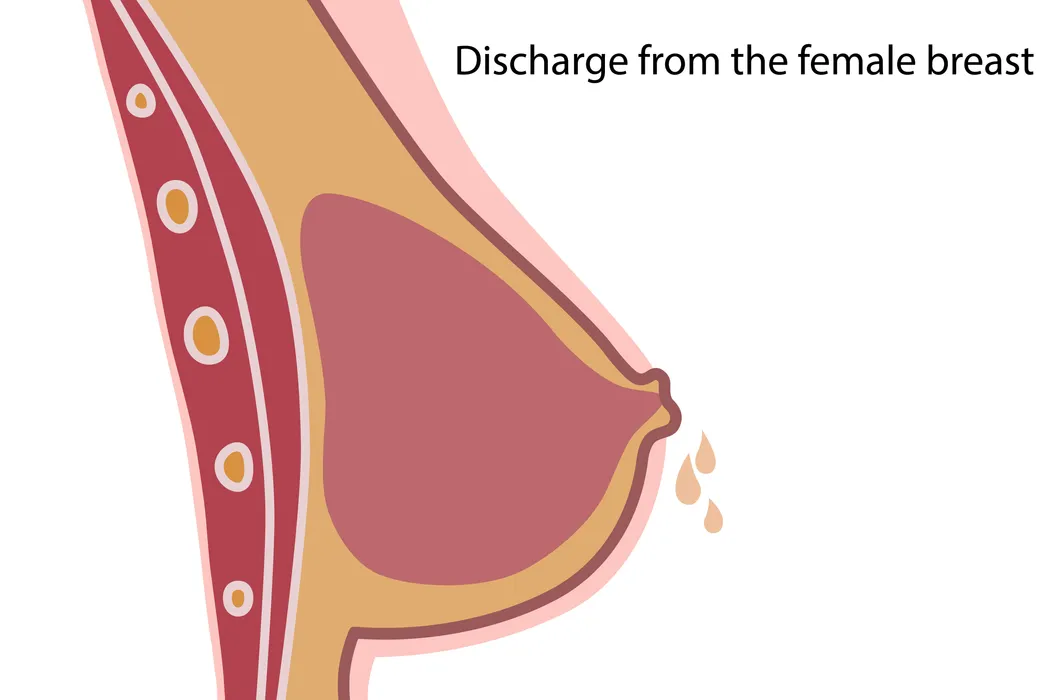
Nipple discharge is any fluid that leaks from one or both nipples. It can be milky white, clear, yellow, green, or bloody. Broadly, discharge falls into two categories: physiologic (a normal response to certain triggers) and pathologic (a sign of an underlying condition requiring evaluation).

White or milky discharge is most often physiologic when it comes from both nipples, only appears with squeezing, and is not accompanied by a lump or skin changes. Pathologic discharge tends to be spontaneous, one-sided, or paired with other symptoms.

Common Causes of White Nipple Discharge

Pregnancy and Breastfeeding

The body begins preparing to produce milk early in pregnancy, so milky or clear discharge can appear even in the first trimester. After weaning, residual milk production can continue for several months, which is normal.

Galactorrhea Causes

Galactorrhea is milk-like discharge from the nipple in someone who is not pregnant or breastfeeding. Galactorrhea causes include elevated prolactin levels, pituitary gland problems, thyroid disorders, and certain medications. It can affect women at any age. Nipple discharge in men is less common but can also signal elevated prolactin and always warrants medical review.

Medication-Induced Discharge

Several drug classes raise prolactin and can trigger milky discharge, including some antipsychotics, antidepressants, blood pressure medicines, and drugs that affect stomach motility. If you have recently started a new prescription and notice discharge, mention it to your doctor before stopping anything.

Other Common Triggers

  • Hormonal shifts around the menstrual cycle, perimenopause, or hormonal therapy can produce transient discharge.
  • Fibrocystic breast changes, a benign condition, can lead to cloudy or whitish discharge when cysts sit near the nipple ducts.
  • Repeated physical stimulation of the nipple, including from tight clothing or frequent self-examination, can trigger discharge with no underlying disease.

When Nipple Discharge Signals a Problem

Milky discharge from the breast when not pregnant is often benign, but certain features should prompt a doctor visit without delay.

Seek evaluation sooner if you notice:

  • Discharge from only one nipple
  • Discharge that appears on its own without squeezing
  • Blood-stained or rust-coloured fluid
  • A lump, skin dimpling, or nipple inversion alongside the discharge
  • Any discharge in a man
  • Discharge accompanied by fever or persistent breast pain

Can nipple discharge be a sign of cancer? In a small proportion of cases, yes. Intraductal papilloma, a benign growth inside a milk duct, is actually the most common cause of spontaneous one-sided discharge. Breast cancer can rarely present this way too. Because these conditions look similar at first glance, unilateral or bloody discharge always warrants imaging and clinical assessment, even when the likelihood of cancer is low.

Contraindications and Risk Factors to Be Aware Of

Certain conditions and medications are closely linked to nipple discharge and need extra attention.

  • Pituitary Conditions: A prolactinoma, a benign pituitary tumour, causes elevated prolactin and is among the most common medical causes of galactorrhoea. Anyone with persistent milky discharge and no obvious explanation should have a prolactin blood test.
  • Thyroid Dysfunction: An underactive thyroid raises thyroid-releasing hormone, which can stimulate prolactin production. Treating the thyroid condition usually resolves the discharge.
  • Medications Requiring Caution: If a medication is identified as the cause, changing or stopping it under your doctor's guidance generally reverses the discharge. Never stop a prescribed medicine on your own.

People who should be especially careful about discussing any new discharge with a doctor include those with a personal or family history of breast cancer, anyone over 40, people with a known pituitary or thyroid disorder, and those taking medications known to raise prolactin.

Report adverse events to your healthcare provider or the relevant regulatory authority.

Diagnosis and Nipple Discharge Treatment

A doctor evaluating nipple discharge will begin with a history and physical examination, noting which breast is affected, the colour and consistency of the fluid, and any associated findings.

Typical investigations include:

  • Blood tests for prolactin and thyroid function
  • Mammogram, ultrasound, or both, depending on age and risk profile
  • Ductoscopy or surgical duct excision if an intraductal lesion is suspected
  • Pituitary MRI if a prolactinoma is being considered

Nipple discharge treatment depends entirely on the cause. Medication-induced discharge often resolves when the offending drug is changed. Galactorrhea linked to a prolactinoma is typically managed with dopamine-agonist medicines that lower prolactin. Thyroid-related discharge improves with appropriate thyroid treatment. Benign intraductal papillomas may be removed surgically if they cause persistent symptoms. In the rare situation that discharge is linked to a malignancy, treatment follows standard breast cancer protocols.

Conclusion

White discharge from the nipple is often linked to normal hormonal changes, pregnancy, breastfeeding, or other treatable medical conditions such as galactorrhoea, thyroid disorders, or medication side effects. However, discharge that is spontaneous, affects only one breast, is bloody, or occurs alongside a lump or skin changes should be evaluated promptly. A medical assessment can identify the underlying cause and ensure appropriate treatment when needed.

FAQS

Is white discharge from the nipple normal in non-pregnant women?

It can be. Milky discharge that appears only when the nipple is squeezed and comes from both breasts is often physiologic, linked to hormonal changes or medication. Spontaneous or one-sided discharge, however, always needs a clinical check.
Can men have white nipple discharge?

Yes. Nipple discharge in men is uncommon but can occur when prolactin levels are elevated, often due to a pituitary tumour or certain medications. Any discharge in a man should be evaluated by a doctor promptly.

What tests are done for nipple discharge?

Doctors typically order a prolactin blood test, thyroid function tests, and breast imaging (mammogram or ultrasound). If a pituitary cause is suspected, an MRI of the brain may also be arranged.

Can stress cause nipple discharge?

Severe physical or emotional stress can transiently raise prolactin, which may occasionally trigger mild discharge. This is rarely the sole cause; other explanations should still be ruled out through proper evaluation.

When should I see a doctor for nipple discharge?

See a doctor if the discharge is spontaneous, comes from one breast only, is blood-stained, or is accompanied by a lump or skin change. Men with any nipple discharge should seek review without delay.

Apollo 247 Floating Action Button