logo
0

Women's Health Check-Up List: A Complete Preventive Guide

Explore a complete women's health check-up list with essential screenings, routine tests, preventive care, and age-based health checks for women.

article image

Dr.Mayank

Staying on top of your health is one of the most practical things you can do, and a women's health check-up list makes that possible. Many serious conditions, including heart disease, diabetes, cervical cancer, and thyroid disorders, can be caught early through routine screening, often before any symptoms appear. This guide walks you through which tests matter, when to get them, and what to watch for at each stage of life.

Why Regular Health Check-Ups Matter for Women?

Women face a distinct set of health risks across their lifetimes, from hormonal shifts in their 20s and 30s to cardiovascular and bone health concerns after menopause. Routine checkups create a baseline so your doctor can spot changes early rather than managing a condition that has already progressed.

Early detection consistently leads to better outcomes. Cervical cancer found at an early stage, for example, has a far higher survival rate than cancer discovered after symptoms develop. The same holds for breast cancer, hypertension, and type 2 diabetes. Skipping annual checkups, especially when you feel well, is where most preventable health problems slip through unnoticed.

Essential Tests Every Woman Should Get

The following tests form the core of any women's health screening tests plan. Not every test is needed every year, but all of them should appear on your checklist at some point.

  • Blood Pressure Measurement: Blood pressure should be checked at every visit. Hypertension rarely causes symptoms but significantly raises the risk of heart attack and stroke.
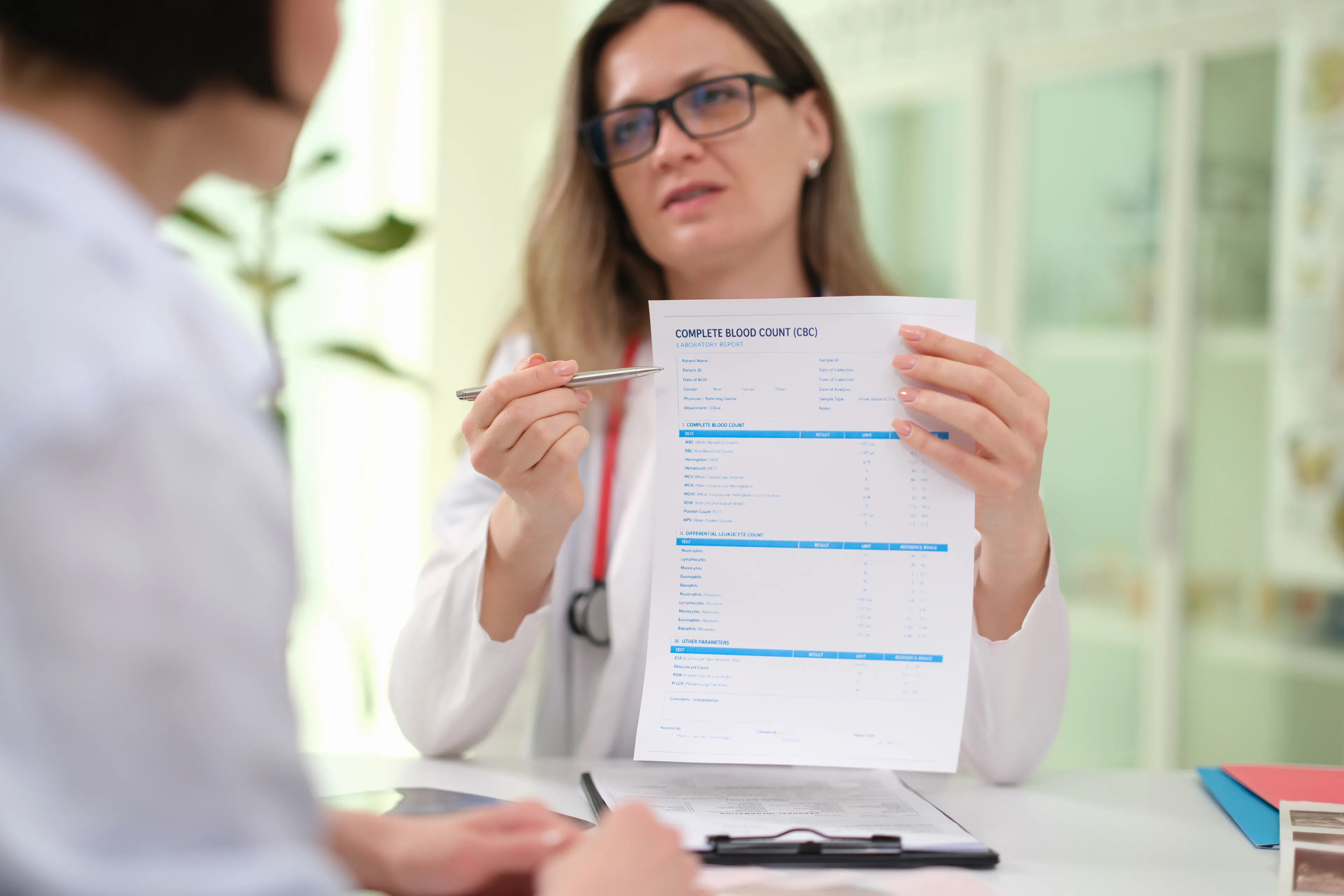
  • Complete Blood Count (CBC): A complete blood count checks for anaemia, infection, and other blood-related conditions common in women with heavy periods or nutritional deficiencies.
  • Fasting Lipid Profile: A fasting lipid profile measures cholesterol levels. High LDL cholesterol is a major risk factor for heart disease.
  • Fasting Blood Glucose and HbA1c: These tests screen for prediabetes and diabetes, both of which are rising rapidly in Indian women.
  • Thyroid Function Test (TSH): Thyroid function tests are particularly important for women, who are significantly more likely than men to develop thyroid disorders.
  • Pap Smear: A Pap smear (cervical cytology) detects abnormal cells in the cervix before they develop into cancer. It is a cornerstone of the gynaecological checkup checklist.
  • Mammogram: A mammogram screens for breast cancer and is recommended from age 40 onward, or earlier with a family history.
  • Bone Density Scan (DEXA): A bone density scan is essential for women approaching or past menopause to detect osteoporosis before a fracture occurs.
  • Urine Routine Examination: A urine routine examination screens for kidney issues, urinary tract infections, and protein or glucose in the urine.

Health Check-Up List by Age Group

The tests you prioritise should shift as your life stage changes. Here is a practical breakdown of health tests for women by age.

  • Women in their 20s
  • Blood pressure
  • Complete blood count (CBC)
  • Blood sugar
  • Pap smear from age 21
  • STI screening
  • Mental health assessment
  • Frequency: Annually or as advised
  • Women in their 30s
  • All tests recommended in the 20s
  • Thyroid (TSH)
  • Lipid profile
  • HPV co-test with Pap smear
  • Frequency: Every 1 to 3 years depending on results
  • Women in their 40s
  • All previously recommended tests
  • Mammogram
  • Blood sugar monitoring
  • Vitamin D and B12 levels
  • Skin check
  • Frequency: Mammogram every 1 to 2 years; others annually
  • Women aged 50 and above
  • Bone density scan (DEXA)
  • Colorectal screening
  • Cardiac risk assessment
  • Eye and hearing tests
  • Frequency: As recommended by your doctor

Important: Women with a family history of cancer, diabetes, or heart disease should discuss earlier or more frequent screening with their doctor. Pregnancy and menopause can also shift the screening schedule considerably.

Preventive Care and Lifestyle Screenings

Preventive care for women goes beyond blood tests and scans. A complete annual checkup for women should also include the following.

  • Vaccinations: Vaccinations are easy to overlook as an adult but matter greatly. Check that your HPV vaccination is complete if you are under 26 and not yet vaccinated. Influenza vaccination is recommended yearly. Discuss Hepatitis B, MMR, and Tdap status with your doctor, especially if you are planning a pregnancy.
  • Mental Health Screening: Mental health screening deserves a place on every checklist. Depression and anxiety affect women at roughly twice the rate seen in men. A brief screening questionnaire during your annual visit can open the right conversation early.
  • Nutritional Assessment: A nutritional assessment is also worthwhile. Deficiencies in iron, vitamin D, vitamin B12, and calcium are common in Indian women and often go undetected. A simple blood panel can identify gaps before they affect energy, bone health, or immunity.
  • Reproductive and Sexual Health: Reproductive and sexual health discussions, including STI testing, contraceptive counselling, and preconception advice, are all part of women's wellness exams and deserve open conversation with your gynaecologist.
  • Eye and Dental Checks: Eye and dental checks are often overlooked but should be part of your annual routine. Uncontrolled diabetes, hypertension, and nutritional deficiencies can show early signs in the eyes and mouth.

Contraindications and Precautions for Screening Tests

Some screening tests require adjustments depending on your health history. This is a mandatory consideration before booking investigations.

  • Pap smears are generally not performed during heavy menstrual bleeding or active vaginal infection, as results can be inaccurate.
  • Mammograms are technically harder to interpret in women with very dense breast tissue. Your radiologist may recommend an ultrasound as a supplement.
  • Bone density scans (DEXA) should not be performed during pregnancy. If you are or may be pregnant, inform your doctor before any X-ray-based investigation.
  • Contrast dyes used in some imaging tests can cause reactions in people with known allergies or kidney impairment. Always inform your healthcare team about existing conditions before any test.
  • Fasting requirements apply to lipid profiles and blood glucose tests, typically 8 to 12 hours. Eating before these tests produces inaccurate results.
  • Women on certain medications, including blood thinners or hormone therapy, should inform their doctor, as these can affect test interpretation or timing.

Report any adverse reactions after a screening procedure to your healthcare provider or the relevant regulatory authority promptly.

When to Consult a Doctor Immediately?

Routine screening keeps you ahead of most problems, but some symptoms need urgent attention and should not wait for a scheduled appointment.

Seek care promptly if you notice any of the following:

  • Unexplained lumps in the breast, armpit, or neck
  • Abnormal vaginal bleeding, including bleeding after menopause or between periods
  • Sudden chest pain, shortness of breath, or palpitations
  • Severe or persistent pelvic pain
  • Sudden, unexplained weight loss or fatigue lasting more than a few weeks
  • Persistent headaches, blurred vision, or numbness in the limbs
  • Blood in urine or stools

These are not causes for panic, but they are signs your body is asking for attention. Contact a healthcare provider rather than searching for a self-diagnosis online.

Conclusion

Regular women’s health check-ups can help detect potential health concerns early and support long-term physical and reproductive well-being. The right screening tests depend on factors such as age, family history, personal health history, lifestyle, and individual risk factors. Preventive care may include routine blood pressure and health assessments, cervical and breast cancer screening, vaccinations, and tests for conditions such as diabetes or high cholesterol when appropriate. Not every test is necessary for every woman, so screening schedules should be personalised with guidance from a qualified healthcare professional. Staying up to date with recommended check-ups and discussing new or persistent symptoms promptly can help support healthier outcomes at every stage of life.

FAQs

What is included in a full body checkup for women?

A full body checkup typically covers blood pressure, CBC, fasting blood sugar, lipid profile, thyroid function, liver and kidney function tests, urine analysis, and a gynaecological examination including Pap smear. Depending on your age, a mammogram and bone density scan may also be included.

How often should a woman get a health checkup?

Most guidelines recommend an annual checkup for women, though some specific tests like Pap smears or mammograms may only be needed every one to three years depending on previous results and risk factors. Your doctor will advise a schedule tailored to your history.

What blood tests are important for women's health?

Key blood tests include CBC, fasting blood glucose, HbA1c, TSH, lipid profile, vitamin D, vitamin B12, iron studies, and liver and kidney function panels. Women planning pregnancy may also need additional hormonal and nutritional tests.

At what age should women start getting mammograms?

Most guidelines recommend starting mammograms at age 40 for average-risk women, though women with a family history of breast cancer may be advised to start earlier. Discuss your personal risk with your doctor to decide the right time to begin.

Is fasting required before a women's health checkup?

Fasting of 8 to 12 hours is required for blood glucose and lipid profile tests. Many other tests, including thyroid function and CBC, do not require fasting. Your diagnostic centre will provide specific instructions when you book your appointment.

Apollo 247 Floating Action Button