0



₹2.39 per gm
BEST VALUE
₹2.53 per gm
SOLD OUT
MRP ₹2870
(Inclusive of all Taxes)
 Offers & Discounts
Get Free delivery (₹99) with


Manufacturer/Marketer :
Consume Type :
Expires on or after :
Return Policy :
Description
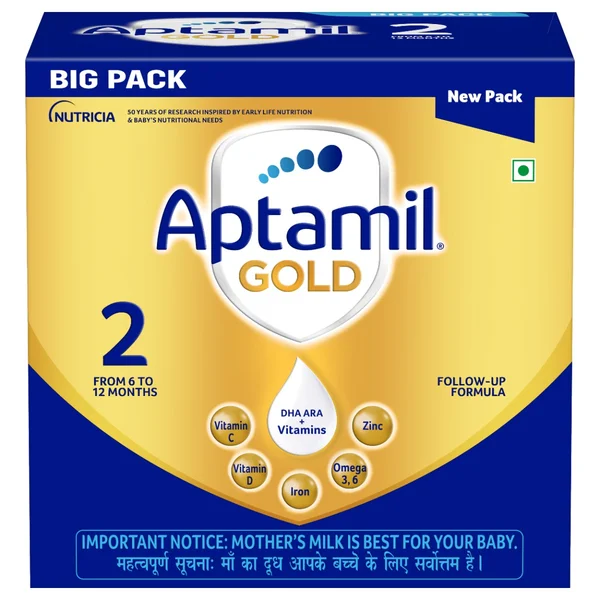
Aptamil Gold Stage 2 is designed to support babies as they transition from exclusive milk feeding to a mixed diet that includes semi-solid and solid foods. Between 6 and 12 months, nutritional demands increase significantly due to rapid physical growth, brain development, and higher activity levels.
This follow-up formula complements a weaning diet by helping bridge nutritional gaps that may arise during this transition phase. It provides a balanced supply of macronutrients such as proteins and fats, along with essential micronutrients like iron, calcium, and vitamins.
The formulation includes key nutrients such as nucleotides, vitamins, and minerals that may help support immune function. Combined with long-chain fatty acids such as DHA and ARA, the formula contributes to overall developmental support during this critical stage.
Key Ingredients

Have a query?
Directions for Use
Standard preparation: 1 level scoop for every 30 ml of water.
Typical feed: 240 ml water with 8 scoops, given 3 to 4 times daily or as advised by a healthcare professional.
Key Benefits
It is a nutritional supplement designed for babies aged 6 to 12 months. It helps bridge nutritional gaps during the weaning phase by providing essential nutrients such as DHA, ARA, iron, and nucleotides. It may support overall growth, immune function, and brain development when used alongside a balanced diet that includes solid foods.
Stage 1 is formulated for newborns up to 6 months and focuses on early nutritional needs similar to breast milk. Stage 2 is designed for older infants and contains adjusted levels of nutrients such as iron, protein, and minerals to meet the higher energy and developmental requirements during the weaning stage.
Digestive patterns may vary when introducing a new formula or solid foods. While this formula is designed to be gentle and easy to digest, some babies may experience temporary changes in stool consistency. Ensuring adequate fluid intake and gradual dietary transitions may help. If constipation persists or causes discomfort, consult a healthcare professional.
A common feeding pattern is around 210 ml per feed, prepared with 7 scoops, given 3 to 4 times a day along with solid meals. However, the exact quantity may vary depending on your baby’s appetite, growth rate, and overall diet. It is advisable to follow your paediatrician’s guidance for personalised feeding recommendations.
No, the formula should only be mixed with water as per preparation instructions. Cow’s milk is not recommended as a primary drink for babies under 12 months, as it may be harder to digest and does not provide the appropriate balance of nutrients required at this stage.
Prepared formula should ideally be consumed immediately after preparation. If left unused, it should be discarded within one hour to minimise the risk of bacterial growth. Always prepare fresh feeds for each use to ensure safety and nutritional quality.
No, this formula contains lactose derived from milk, which may not be suitable for babies with lactose intolerance or cow’s milk protein allergy. If your baby has been diagnosed with such conditions, consult a healthcare professional for appropriate alternatives.
DHA and ARA are long-chain fatty acids that support brain and eye development. They play an important role in the formation of neural connections and visual function, both of which develop rapidly during the first year of life.
After opening, transfer the contents into a clean, dry, airtight container to maintain freshness. Store it in a cool and dry place away from direct sunlight. Avoid refrigeration, as moisture can affect the powder quality. It is generally recommended to use the contents within three weeks of opening.
No, additional sugar should not be added. The formula already contains lactose, a naturally occurring milk sugar that provides energy and mild sweetness. Adding extra sugar is unnecessary and may not be suitable for your baby’s nutritional needs.
Country of origin
Manufacturer/Marketer address


Alternatives
Similar Products