My 6-week-old baby becomes very fussy from evening to night. Is this normal, what causes it, and when does it usually improve?
G.santoshini Reddy
M Pharmacy (Pharmaceutics)
It is quite common for a 6-week-old baby to become fussy in the evening, a pattern often called Infantile Colic, and it usually happens due to an immature digestive system, gas, overstimulation during the day, or a natural witching hour when babies find it harder to settle; although it can be stressful, this is generally normal if the baby is otherwise feeding well, gaining weight, and has no fever or illness. You can help by using soothing methods like gentle rocking, burping after feeds, holding the baby upright, giving a warm bath, or maintaining a calm, dim environment in the evening. This phase typically peaks around 6-8 weeks and gradually improves by 3-4 months of age. However, if the baby cries excessively for long hours, refuses feeds, has vomiting, fever, or poor weight gain, it is important to consult a paediatrician to rule out other causes.
My 1-month-old baby has severe colic pain. Gripe water and colic drops provide only temporary relief, and the baby has also developed diaper rash. What is the best management?
G.santoshini Reddy
M Pharmacy (Pharmaceutics)
Severe crying in a 1-month-old baby is often due to Infantile Colic, which is common and usually harmless, but it can be distressing. The best management is mainly supportive, including proper burping after every feed, giving smaller and more frequent feeds, keeping the baby upright after feeding, gentle tummy massage, and soothing techniques like rocking or swaddling, while ensuring the baby is not overfed or swallowing excess air. Gripe water and many colic drops may give only temporary relief and are not always necessary, and medicines should be used only if advised by a doctor. For diaper rash, keep the area clean and dry, change diapers frequently, allow some diaper-free time, and apply a protective barrier cream (like zinc oxide). Most babies outgrow colic by 3-4 months of age, but if the baby has persistent crying, poor feeding, vomiting, fever, or is not gaining weight, it is important to consult a paediatrician to rule out other causes.
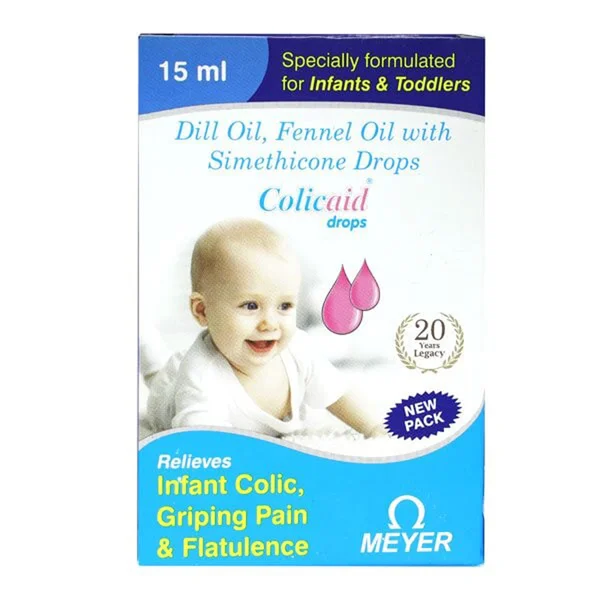
My child has abdominal pain, reduced appetite, and difficulty sleeping, with episodes of crying. Is this due to colic, and are medications like dicyclomine hydrochloride, simethicone drops, and herbal colic drops safe?
G.santoshini Reddy
M Pharmacy (Pharmaceutics)
Abdominal pain, crying episodes, poor feeding, and disturbed sleep may be due to Infantile Colic, which is common in young babies, but similar symptoms can also occur with gas, mild infections, or feeding issues, so it is important to observe closely. For management, gentle measures like proper burping after feeds, smaller, frequent feeds, tummy time (when awake), and soothing techniques are safest and often effective. Medicines like simethicone drops are generally considered safe but may have limited benefit, while Dicyclomine is usually not recommended in young infants due to potential side effects, and herbal colic drops should be used cautiously as their safety is not always well proven. If the baby continues to cry excessively, refuses feeds, has vomiting, fever, or poor weight gain, it is important to consult a pediatrician to rule out other causes and guide safe treatment.
While we strive to provide complete, accurate, and expert-reviewed content on our 'Platform', we make no warranties or representations and disclaim all responsibility and liability for the completeness, accuracy, or reliability of the aforementioned content. The content on our platform is for informative purposes only, and may not cover all clinical/non-clinical aspects. Reliance on any information and subsequent action or inaction is solely at the user's risk, and we do not assume any responsibility for the same. The content on the Platform should not be considered or used as a substitute for professional and qualified medical advice. Please consult your doctor for any query pertaining to medicines, tests and/or diseases, as we support, and do not replace the doctor-patient relationship.