Apollo
logo
Select Delivery Location
Best Price

₹236 with coupons & bank offers*

View

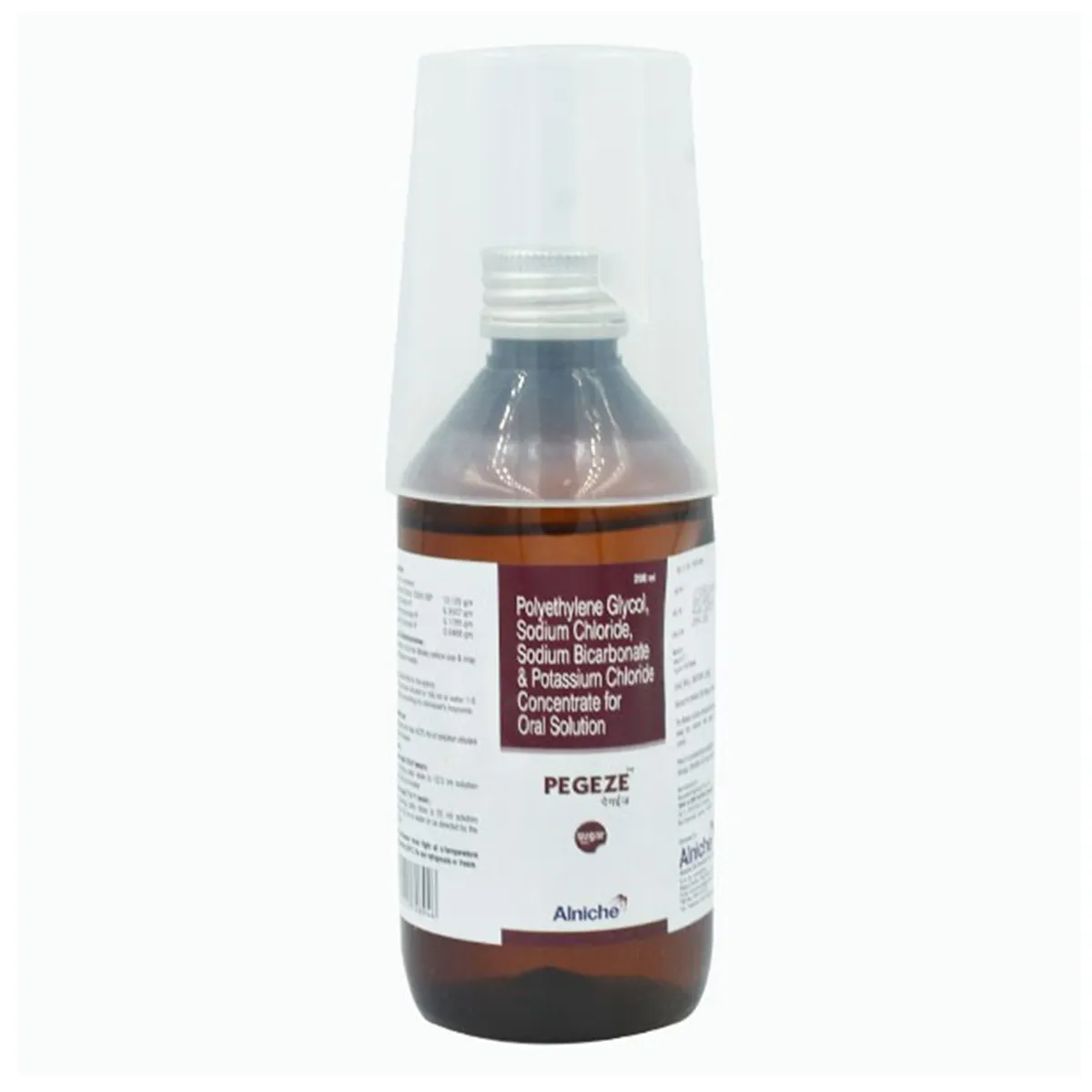
Pegeze Syrup is used to treat constipation. It works by drawing water into the intestine, which softens the stools, making them easier to pass. In some cases, this medicine may cause side effects such as stomach pain, indigestion, mild diarrhoea, nausea, or vomiting. Before taking this medicine, inform the doctor if you are pregnant or breastfeeding, taking any other medication, or have any pre-existing medical conditions.

Read more
Written By Veda Maddala , M Pharmacy
Reviewed By Dr Aneela Siddabathuni , MPharma., PhD
OffersOffers & Discounts

Get Free delivery (₹99) with circle icon

Join Circle
coupon
Get 18% Off with Coupons
coupon
Extra 10% Off with Bank Offers
bank offer
bank offer
bank offer

More about the Product

About Pegeze Syrup

Pegeze Syrup is a medicine used to treat ongoing constipation and to clear the digestive tract completely before medical tests or surgeries. It works by bringing water into your bowel, which softens your stool and makes bowel movements more frequent and easier to pass. This helps ensure your intestines are completely clear for diagnostic procedures like colonoscopies.

To get the best results, you must take the Pegeze Syrup exactly as directed by your doctor. If you are taking it for daily constipation, consistency is key, and you should take it at the same time each day, with or without food. Along with taking this medicine, drinking plenty of water, eating fiber-rich foods, and staying physically active can significantly improve your digestive health.

While taking Pegeze Syrup , some people may experience mild stomach discomfort, bloating, or nausea. These symptoms are usually temporary, but if you experience severe vomiting, severe abdominal pain, or blood in your stool, you should contact your doctor immediately.

Do not take this if you have a bowel obstruction, a tear in your stomach or intestinal wall, or severe inflammatory bowel conditions. Always talk to your doctor before starting Pegeze Syrup if you have kidney problems, heart conditions, or a history of salt imbalances in your blood.

Because Pegeze Syrup works by flushing your bowel, it can prevent other oral medicines from being absorbed properly if taken at the same time. Talk to your doctor or pharmacist if you take blood pressure medications, or if you are pregnant, breastfeeding, or elderly, to ensure you can use this medicine safely.

Uses of Pegeze Syrup

Pegeze Syrup is used to relieve constipation and cleanse the bowel before certain medical procedures. The detailed uses are as follows:

  • Chronic constipation: Pegeze Syrup helps by drawing water into the bowel to soften dry, hard stool, making it much easier to pass.
  • Bowel cleansing before medical procedures: Pegeze Syrup clears out the digestive tract completely so that doctors can get a clear view during examinations like colonoscopies or X-rays.

Key Benefits

Pegeze Syrup helps relieve constipation, promote comfortable bowel movements, and support effective bowel cleansing. The key benefits include:

  • Relieves constipation: Softens stools and makes bowel movements easier to pass.
  • Promotes comfortable bowel movements: Helps reduce straining and discomfort during defecation.
  • Supports bowel cleansing: Effectively clears the bowel before medical procedures such as colonoscopy.
  • Helps maintain hydration: The added electrolytes help reduce the risk of dehydration during bowel preparation.
  • Supports effective diagnosis: A well-cleansed bowel allows better visualisation during diagnostic procedures.
  • Improves digestive comfort: Helps relieve the discomfort associated with chronic constipation.
Side effects of Pegeze Syrup 200 ml
  • Drink water or other clear fluids.
  • To prevent worsening of pain, limit intake of tea, coffee, or alcohol.
  • Include bland foods like rice, toast, crackers, and rice in your diet.
  • Avoid lying down immediately after eating as it may cause indigestion or heartburn.
  • Avoid acidic and spicy food as it may cause indigestion.
Here are the precise steps to cope with diarrhoea caused by medication usage:
  • Inform Your Doctor: Notify your doctor immediately about your diarrhoea symptoms. This allows them to adjust your medication or provide guidance on managing side effects.
  • Stay Hydrated: Drink plenty of fluids to replace lost water and electrolytes. Choose water, clear broth, and electrolyte-rich drinks. Avoid carbonated or caffeinated beverages to effectively rehydrate your body.
  • Follow a Bland Diet: Eat easy-to-digest foods to help firm up your stool and settle your stomach. Try incorporating bananas, rice, applesauce, toast, plain crackers, and boiled vegetables into your diet.
  • Avoid Trigger Foods: Steer clear of foods that can worsen diarrhoea, such as spicy, fatty, or greasy foods, high-fibre foods, and dairy products (especially if you're lactose intolerant).
  • Practice Good Hygiene: Maintain good hygiene to prevent the spread of infection. To stay healthy, wash your hands frequently, clean and disinfect surfaces regularly, and avoid exchanging personal belongings with others.
  • Take Anti-Diarrheal Medications: If your doctor advises, anti-diarrheal medications such as loperamide might help manage diarrhoea symptoms. Always follow your doctor's directions.
  • Keep track of your diarrhoea symptoms. If they don't get better or worse or are accompanied by severe stomach pain, blood, or dehydration signs (like extreme thirst or dark urine), seek medical help.
To prevent, manage, and treat Constipation caused by medication usage, follow these steps:
  • Preventing Vomiting (Before it Happens)
  • Take medication exactly as prescribed by your doctor. This can help minimize side effects, including vomiting.
  • Having a small meal before taking your medication can help reduce nausea and vomiting.
  • Talk to your doctor about taking anti-nausea medication along with your prescribed medication.
  • Managing Vomiting (If it Happens)
  • Try taking ginger in the form of tea, ale, or candy to help alleviate nausea and vomiting.
  • What to Do if Vomiting Persists
  • Consult your doctor if vomiting continues or worsens, consult the doctor for guidance on adjusting your medication or additional treatment.
Overcome Medication-Induced Nausea: A 9-Step Plan
  • Inform your doctor about the nausea and discuss possible alternatives to the medication or adjustments to the dosage.
  • Divide your daily food intake into smaller, more frequent meals to reduce nausea.
  • Opt for bland, easily digestible foods like crackers, toast, plain rice, bananas, and applesauce.
  • Avoid certain foods that can trigger nausea, such as fatty, greasy, spicy, and smelly foods.
  • Drink plenty of fluids, such as water, clear broth, or electrolyte-rich beverages like coconut water or sports drinks.
  • Use ginger (tea, ale, or candies) to help relieve nausea.
  • Get adequate rest and also avoid strenuous activities that can worsen nausea.
  • Talk to your doctor about taking anti-nausea medication if your nausea is severe.
  • Record when your nausea occurs, what triggers it, and what provides relief to help you identify patterns and manage your symptoms more effectively.
Here are the few steps for dealing with itching caused by drug use:
  • Report the itching to your doctor immediately; they may need to change your medication or dosage.
  • Use a cool, damp cloth on the itchy area to help soothe and calm the skin, reducing itching and inflammation.
  • Keep your skin hydrated and healthy with gentle, fragrance-free moisturizers.
  • Try not to scratch, as this can worsen the itching and irritate your skin.
  • If your doctor prescribes, you can take oral medications or apply topical creams or ointments to help relieve itching.
  • Track your itching symptoms and follow your doctor's guidance to adjust your treatment plan if needed. If the itching persists, consult your doctor for further advice.
Dealing with Medication-Induced Headache:
  • Hydrate your body: Drink enough water to prevent dehydration and headaches.
  • Calm Your Mind: Deep breathing and meditation can help you relax and relieve stress.
  • Rest and Recharge: Sleep for 7-8 hours to reduce headache triggers.
  • Take rest: lie down in a quiet, dark environment.
  • Cold or warm compresses can help reduce tension.
  • Stay Upright: Maintain good posture to keep symptoms from getting worse.
  • To treat headaches naturally, try acupuncture or massage therapy.
  • Over-the-counter pain relievers include acetaminophen and ibuprofen.
  • Prescription Assistance: Speak with your doctor about more substantial drug alternatives.
  • Severe Headaches: Seek emergency medical assistance for sudden, severe headaches.
  • Frequent Headaches: If you get reoccurring headaches, consult your doctor.
  • Headaches with Symptoms: Seek medical attention if your headaches include fever, disorientation, or weakness.

Directions for Use

  • Pegeze Syrup can be taken with or without food, or as advised by your doctor.
  • Follow your doctor's instructions on the dosage and timing of this medication.
  • Check the label for directions. Dilute Pegeze Syrup with water as advised by your doctor. Take it orally using the measuring cup provided with the package.
  • Shake the bottle well before each use.

How Pegeze Syrup Works

Pegeze Syrup contains polyethylene glycol, potassium chloride, sodium bicarbonate, and sodium chloride, which work together to relieve constipation and cleanse the bowel while maintaining the body's fluid and electrolyte balance. Polyethylene glycol is an osmotic agent that binds to water and carries it into the colon, where it softens hard stools, increases stool volume, and stimulates natural bowel movements. Potassium chloride, sodium bicarbonate, and sodium chloride replace essential electrolytes that may be lost during bowel cleansing, helping maintain hydration and normal electrolyte levels. Together, these ingredients provide effective bowel cleansing while reducing the risk of dehydration and electrolyte imbalance.
bannner image

Alcohol

Consult your doctor

The interaction of alcohol with Pegeze Syrup is unknown. Please consult a doctor before consuming alcohol while using Pegeze Syrup .

bannner image

Pregnancy

Caution

Please consult a doctor if you are pregnant. Pegeze Syrup is given to pregnant women only if the doctor thinks the benefits outweigh the risks.

bannner image

Breast Feeding

Caution

Please consult a doctor if you are breastfeeding. Pegeze Syrup is given to breastfeeding mothers only if the doctor thinks the benefits outweigh the risks.

bannner image

Driving

Safe

Pegeze Syrup usually does not affect your ability to drive or operate machinery.

bannner image

Liver

Caution

Take Pegeze Syrup with caution, especially if you have a history of Liver diseases/conditions. The dose may be adjusted by your doctor as required.

bannner image

Kidney

Caution

Take Pegeze Syrup with caution, especially if you have a history of Kidney diseases/conditions. The dose may be adjusted by your doctor as required.

bannner image

Children

Caution

Pegeze Syrup is not recommended for children under 12 years of age, as its safety and effectiveness have not been established.

bannner image

Heart

Caution

Pegeze Syrup should be used with caution in patients with heart problems. Inform your doctor about any heart-related conditions before taking Pegeze Syrup .

bannner image

Geriatrics

Caution

Pegeze Syrup should be given with caution in elderly patients due to an increased risk of side effects. Seek medical advice before using Pegeze Syrup .

What if I have taken an overdose of Pegeze Syrup

If you take more than the recommended dose of Pegeze Syrup , seek immediate medical attention. Symptoms of an overdose may include severe diarrhoea, dehydration, or electrolyte imbalance.

Diet & Lifestyle Advise

  • Stay well hydrated: Drink plenty of clear fluids, such as water, clear broths, or herbal teas, especially when using Pegeze Syrup for bowel preparation.
  • Increase dietary fibre: If treating constipation, gradually include more fruits, vegetables, and whole grains in your diet to support regular bowel movements.
  • Stay physically active: Engage in light exercise, such as daily walking, to help stimulate natural bowel function.
  • Avoid gas-producing foods and drinks: Limit carbonated beverages and foods that commonly cause bloating or excess gas.
health query

Have a query?

How Soon It Starts Working

The time required for Pegeze Syrup to start to work: The time required for Pegeze Syrup to show its action is unknown.

The time for which the effects of Pegeze Syrup last: The duration of action for Pegeze Syrup is clinically unknown.

Storage

•Store the unmixed powder at 15°C to 30°C in a cool, dry place away from heat, direct light, and moisture. Do not store it in the bathroom.

What if you forget to take Pegeze Syrup

If you are taking Pegeze Syrup daily for constipation and miss a dose, take it as soon as you remember. If it is almost time for your next dose, skip the missed one and continue with your regular schedule. Do not take a double dose to make up for a missed one. If you are preparing for a medical procedure and miss a dose or fall behind on your drinking schedule, contact your doctor or the clinic immediately for guidance.

Drug Warnings

  • Check the prepared solution: Drink the solution only if it is clear and free of undissolved powder. Do not use it if it appears cloudy or discoloured.
  • Do not alter the solution: Do not add sugar, flavourings, or thickeners, as they may affect how Pegeze Syrup works.
  • Chill before use: Refrigerating the prepared solution may improve its taste. Do not freeze it.
  • Manage bloating: If you develop severe abdominal bloating or distension, slow down or temporarily stop drinking the solution until the symptoms improve.
  • Special dietary restrictions: Consult your doctor before using Pegeze Syrup if you are on a sodium-restricted or potassium-restricted diet.

Drug-Drug Interactions

verifiedApollotooltip

The following medicines may interact with Pegeze Syrup and may require closer monitoring:

  • Oral medicines: Taking other oral medicines within 1 hour of Pegeze Syrup may reduce their absorption and effectiveness.
  • Diuretics (water tablets) and blood pressure medicines: Taking these with Pegeze Syrup may increase the risk of dehydration or electrolyte imbalance. Your doctor may recommend closer monitoring.

Drug-Drug Interactions

Login/Sign Up

How does the drug interact with Pegeze Syrup 200 ml:
Taking Pegeze Syrup 200 ml with Diphenhydramine can increase the risk of stomach ulcers and bleeding.

How to manage the interaction:
Taking Pegeze Syrup 200 ml with Diphenhydramine is not recommended, as it can lead to an interaction, but it can be taken if a doctor has prescribed it. However, if you experience severe stomach pain, bloating, sudden lightheadedness or dizziness, nausea, vomiting (especially with blood), decreased hunger, or dark, tarry stools, contact a doctor. Do not stop taking any medication without consulting a doctor.
How does the drug interact with Pegeze Syrup 200 ml:
Co-administration of trihexyphenidyl with Macrogol and Potassium chloride and Sodium bicarbonate and Sodium chloride can increase the risk of stomach ulcers and bleeding.

How to manage the interaction:
Taking Pegeze Syrup 200 ml together with trihexyphenidyl is not recommended as it can possibly result in an interaction, it can be taken if prescribed by a doctor. However, if you experience abdominal pain, bloating, sudden dizziness or lightheadedness, nausea, vomiting (especially with blood), loss of appetite, black stools, contact a doctor immediately. Do not discontinue any medications without consulting to a doctor.
How does the drug interact with Pegeze Syrup 200 ml:
Co- administration of Pegeze Syrup 200 ml with Amitriptyline may cause stomach and upper intestinal discomfort.

How to manage the interaction:
Although co-administration of Pegeze Syrup 200 ml with Amitriptyline is not recommended as it can possibly lead to an interaction, they can be taken if prescribed by a doctor. If you experience severe stomach pain, bloating, sudden dizziness or lightheadedness, nausea, vomiting (in particular with blood), decreased hunger, and black stools while taking these medications, consult a doctor immediately. Do not discontinue any medications without consulting a doctor.
How does the drug interact with Pegeze Syrup 200 ml:
Taking Pegeze Syrup 200 ml with clidinium bromide may increase the risk of irritant effects of potassium on your stomach and upper intestine.

How to manage the interaction:
Co-administration of Pegeze Syrup 200 ml with clidinium bromide is not recommended, as it can lead to an interaction, it can be taken if prescribed by a doctor. However, if you experience symptoms such as severe stomach pain, bloating, sudden dizziness or lightheadedness, nausea, vomiting (especially with blood), decreased hunger, black, tarry stools, consult a doctor immediately. Do not discontinue any medications without consulting a doctor.
How does the drug interact with Pegeze Syrup 200 ml:
Taking Pegeze Syrup 200 ml together with Tolterodine can increase the risk of stomach ulcers and bleeding.

How to manage the interaction:
Taking Pegeze Syrup 200 ml together with Tolterodine is not recommended, as it can lead to an interaction, they can be taken if prescribed by a doctor. However, contact a doctor immediately if you develop severe abdominal pain, bloating, sudden dizziness or lightheadedness, nausea, vomiting (especially with blood), or loss of appetite. Do not discontinue medications without consulting a doctor.
How does the drug interact with Pegeze Syrup 200 ml:
Co-administration of Pegeze Syrup 200 ml with Flavoxate can increase the risk of stomach ulcers and bleeding.

How to manage the interaction:
Taking Pegeze Syrup 200 ml with Flavoxate is not recommended, as it can lead to an interaction, it can be taken if a doctor has prescribed it. However, if you experience severe stomach pain, bloating, sudden lightheadedness or dizziness, nausea, vomiting (especially with blood), decreased hunger, or dark, tarry stools, consult a doctor immediately. Do not discontinue the medication without consulting a doctor.
How does the drug interact with Pegeze Syrup 200 ml:
Co-administration of Pegeze Syrup 200 ml with Oxybutynin can increase the risk of developing stomach ulcers and bleeding.

How to manage the interaction:
Taking Pegeze Syrup 200 ml with Oxybutynin is not recommended, as it can lead to an interaction, it can be taken when a doctor has prescribed it. Consult a doctor immediately if you experience severe stomach pain, bloating, lightheadedness, dizziness, vomiting (especially with blood), decreased hunger, or dark stools. Do not discontinue any medication without contacting a doctor.
How does the drug interact with Pegeze Syrup 200 ml:
Taking Pegeze Syrup 200 ml together with Procyclidine can increase the risk of stomach ulcers and bleeding.

How to manage the interaction:
Taking Pegeze Syrup 200 ml with Procyclidine is not recommended, but it can be taken together if advised by a doctor. However, if you experience severe stomach pain, bloating, sudden lightheadedness or dizziness, nausea, vomiting (especially with blood), decreased hunger, or dark, tarry stools, consult a doctor immediately. Do not discontinue any medications without a doctor's advice.
How does the drug interact with Pegeze Syrup 200 ml:
Co-administration of Pegeze Syrup 200 ml with Dicyclomine can increase the risk of stomach ulcers and bleeding.

How to manage the interaction:
Taking Pegeze Syrup 200 ml with Dicyclomine is not recommended, as it can lead to an interaction, it can be taken if a doctor has prescribed it. However, if you experience severe stomach pain, bloating, sudden lightheadedness or dizziness, nausea, vomiting (especially with blood), decreased hunger, dark, tarry stools, consult a doctor immediately. Do not discontinue the medication without consulting a doctor.
How does the drug interact with Pegeze Syrup 200 ml:
Taking Pegeze Syrup 200 ml with Glycopyrrolate can increase the risk or severity of ulcers and bleeding.

How to manage the interaction:
Taking Pegeze Syrup 200 ml with Glycopyrrolate is not recommended as it can possibly result in an interaction, it can be taken if a doctor has advised it. However, if you experience sudden dizziness or lightheadedness, nausea, vomiting (especially with blood), loss of appetite, and/or black, tarry stools, contact a doctor immediately. Do not discontinue any medications without consulting a doctor.

Drug-Food Interactions

verifiedApollotooltip
  • Starch-based food thickeners: Do not mix Pegeze Syrup with starch-based thickeners, as it can reduce the effectiveness of both products.
No Drug - Food interactions found in our database. Some may be unknown. Consult your doctor for what to avoid during medication.

Drug-Food Interactions

Login/Sign Up

All Substitutes & Brand Comparisons

Habit Forming

No

Therapeutic Class

[LAXATIVES]

FAQs

Pegeze Syrup belongs to a class of drugs called laxatives, used to treat constipation.
Pegeze Syrup contains Polyethylene glycol, Potassium chloride, Sodium bicarbonate and Sodium chloride. Polyethylene glycol draws water into the intestine and softens stools, making it easier to pass. Potassium chloride is essential for the healthy functioning of organs. Sodium bicarbonate works by neutralising high levels of acid in the stomach, helping to treat acidity and heartburn. Sodium chloride maintains sodium levels in the body. Together, Pegeze Syrup helps in relieving constipation.
Pegeze Syrup may cause mild diarrhoea as a side effect at the beginning of the treatment. It usually gets better by reducing the amount of Pegeze Syrup intake. However, if the condition persists or worsens, please consult a doctor.
You are not recommended to take Pegeze Syrup with anticonvulsants as it may reduce the effectiveness of anticonvulsants (medicines for epilepsy). However, please consult your doctor before taking Pegeze Syrup with other medicines.
You are recommended to avoid foods that are high in fat and low in fibre, such as ice cream, red meat, frozen meals, potato chips, cheese, hot dogs and hamburgers.
You are not recommended to take more than the advised dose of Pegeze Syrup as it may cause excessive diarrhoea that might lead to dehydration. If you have diarrhoea, stop taking Pegeze Syrup and drink plenty of fluids to avoid dehydration. However, if the condition persists or worsens, please consult a doctor.
It is best to dissolve the powder only in water as directed on the package. Mixing it with juice, soda, or other drinks can alter the concentration of salts and affect how the medicine works. Talk to your doctor or pharmacist before adding anything to the solution.
If you are taking Pegeze Syrup to cleanse your bowel before a medical procedure, you must avoid solid foods and only consume clear liquids. If you are taking it for daily constipation, you can eat normally. Talk to your doctor for specific dietary guidelines.
Since Pegeze Syrup is minimally absorbed by the body, it is generally considered safe, but you should always talk to your doctor before taking any laxative during pregnancy or breastfeeding.
If you feel nauseous, try drinking the solution more slowly or take a brief break of 15 to 30 minutes before resuming. Drinking the solution chilled can also help reduce nausea. Talk to your doctor if the nausea is severe or if you vomit.
Mild stomach cramps and bloating are common side effects as the medicine works to move stool through your bowels. However, if you experience severe, sharp, or persistent stomach pain, stop taking the medicine and contact your doctor immediately.
Pegeze Syrup can prevent other oral medicines from being absorbed properly because it speeds up bowel movements. You should take your other oral medications at least 1 hour before or 1 hour after taking Pegeze Syrup . Talk to your doctor or pharmacist to plan your medication schedule safely.
Your bowel preparation is typically complete when your bowel movements become clear, yellowish, and free of solid matter. If your stool is still dark or contains solid particles near the time of your procedure, contact your doctor's clinic for advice.

Disclaimer

While we strive to provide complete, accurate, and expert-reviewed content on our 'Platform', we make no warranties or representations and disclaim all responsibility and liability for the completeness, accuracy, or reliability of the aforementioned content. The content on our platform is for informative purposes only, and may not cover all clinical/non-clinical aspects. Reliance on any information and subsequent action or inaction is solely at the user's risk, and we do not assume any responsibility for the same. The content on the Platform should not be considered or used as a substitute for professional and qualified medical advice. Please consult your doctor for any query pertaining to medicines, tests and/or diseases, as we support, and do not replace the doctor-patient relationship.

Country of origin

INDIA

Manufacturer/Marketer address

S-14, 1St Floor, Janta Market, Rajouri Garden, New Delhi, 110 027
Other Info - PEG0089
whatsapp Floating Button
Buy Now
Add to Cart