apollo
logo
0
Select Delivery Location

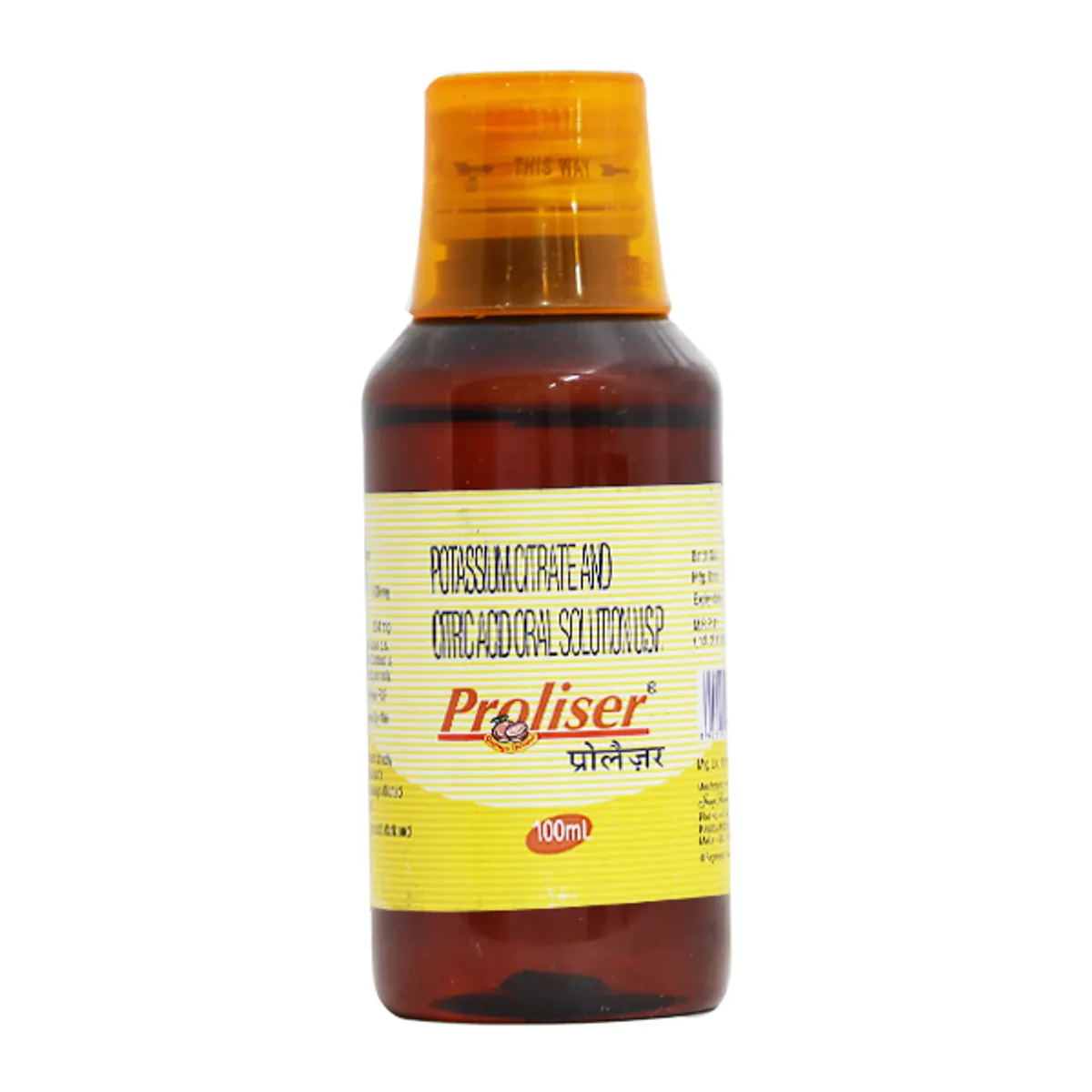
Proliser Syrup is used to reduce the acidity of the urine. This function aids in the kidney's elimination of uric acid, which helps to prevent kidney stones and gout. Additionally, it can be used to prevent and treat kidney disease-related metabolic issues such as diabetic ketoacidosis. It contains Citric acid and Potassium citrate, which prevent the formation of deposits by binding with the salts and also break down the small deposits that are beginning to form. Also, it neutralises the acids in the blood and urine, thereby preventing the accumulation of salts in the body. It may cause side effects such as diarrhoea, stomach upset, nausea, and vomiting. Before taking this medicine, you should tell your doctor if you are allergic to any of its components or if you are pregnant/breastfeeding, and about all the medications you are taking and pre-existing medical conditions.

Read more
Written By Bayyarapu Mahesh Kumar , M Pharmacy
Reviewed By Dr Aneela Siddabathuni , MPharma., PhD
OffersOffers & Discounts

Get Free delivery (₹99) with circle icon

Join Circle
Get Extra 18% Off with Coupons
Extra 10% Off with Bank Offers
bank offer
bank offer
bank offer

More about the Product

Manufacturer/Marketer :

Group Pharmaceuticals Ltd

Consume Type :

Oral

Expires on or after :

Jan-27

Return Policy :

Not Returnable

About Proliser Syrup

Proliser Syrup is an oral medication used to make your urine less acidic. It is primarily prescribed to prevent the formation of certain kidney stones, such as calcium oxalate, uric acid, and cystine stones, and to manage metabolic acidosis. By raising the pH of your urine, it helps dissolve existing crystals and prevents new stones from developing.

For the best results, you must take Proliser Syrup regularly and consistently exactly as your doctor instructs. This liquid medication is typically taken after meals or within 30 minutes of bedtime to prevent stomach irritation, and it must always be diluted in water or juice. Drinking plenty of fluids and lowering your salt intake can significantly improve your treatment outcomes.

Some people using Proliser Syrup may experience mild side effects like a temporary upset stomach, mild diarrhoea, or nausea. However, you should contact your doctor immediately if you develop serious symptoms such as severe abdominal pain, muscle weakness, or a slow, irregular heartbeat.

Before starting this medicine, talk to your doctor if you have kidney disease, heart problems, or high potassium levels. Do not take this if you have severe kidney failure, untreated Addison's disease, or if you are severely dehydrated, as it can cause dangerous shifts in your electrolyte levels.

This medicine can interact with other treatments, particularly blood pressure drugs like ACE inhibitors, potassium-sparing water pills, and antacids. If you are pregnant, breastfeeding, or are an older adult, you should consult your doctor or pharmacist to make sure this product is safe for you.

Uses of Proliser Syrup

Proliser Syrup is used in the reduction of acidity of the urine and prevention of kidney stones and gout. The detailed uses of Proliser Syrup are as follows:

  • Kidney stone prevention: Proliser Syrup helps prevent the formation of calcium oxalate, uric acid, and cystine stones by making the urine more alkaline (less acidic).
  • Metabolic acidosis: Proliser Syrup helps neutralise excess acid in the blood and body tissues, restoring a healthy pH balance in patients with kidney problems.
  • Gout management: By lowering acid levels in the urine, Proliser Syrup assists in the clearance of uric acid, which can help reduce painful gout flare-ups.

Key Benefits

Proliser Syrup helps reduce the risk of kidney stone formation and supports relief from discomfort caused by urinary tract acidity.

The following are the benefits of Proliser Syrup :

  • Helps reduce the risk of kidney stone formation.
  • Reduces burning and discomfort during urination.
  • Improves urinary comfort by balancing acidity levels.
  • Supports long-term kidney health and function.
  • Helps prevent the growth and recurrence of urinary crystals.
  • Promotes better overall urinary tract comfort and well-being.

Directions for Use

  • Measure your dose carefully using the calibrated measuring cup or spoon provided with the medicine. Do not use a regular household spoon.
  • Mix the measured dose thoroughly with a full glass (about 8 ounces) of water or cold fruit juice.
  • Drink the entire mixture slowly. Taking it after meals can help prevent stomach upset.
  • Drink extra water throughout the day to help your kidneys flush out crystals.
  • Never take this medication undiluted. Always follow your doctor's exact instructions regarding how much to take and when to take it.

How Proliser Syrup Works

Proliser Syrup contains citric acid and potassium citrate, which work together as systemic and urinary alkalinisers and a stone-dissolving agent. • Potassium citrate: Once you take the medicine, potassium citrate is absorbed and metabolised by the body into bicarbonate. Bicarbonate is a natural alkaline substance that helps neutralise excess acid in your blood and kidneys. • Citric acid: It helps enhance the stability of the medicine and works alongside citrate in the urinary tract to bind with calcium. This binding process reduces the amount of free calcium available to crystallise into calcium oxalate, which is the most common component of kidney stones. By raising the pH of your urine, the mixture makes it much easier for uric acid and cystine to remain dissolved so they can be washed out of the body safely.
bannner image

Alcohol

Caution

Alcohol consumption may worsen your health condition.

bannner image

Pregnancy

Caution

Proliser Syrup is a pregnancy category C drug. It should not be taken until prescribed. Your doctor will weigh the benefits and potential risks before prescribing them. Please consult your doctor.

bannner image

Breast Feeding

Caution

There is limited data on how Proliser Syrup affects breastfeeding. Please consult your doctor before taking Proliser Syrup . Your doctor will weigh the benefits and potential risks before prescribing them.

bannner image

Driving

Safe if prescribed

Proliser Syrup may not affect your ability to drive.

bannner image

Liver

Safe if prescribed

Proliser Syrup can be used in patients with liver diseases if prescribed.

bannner image

Kidney

Caution

Proliser Syrup should be used with caution in patients with kidney diseases. Dose adjustments may be necessary.

bannner image

Children

Caution

The safety and effectiveness of Proliser Syrup in children have not been established. Please consult your doctor before giving Proliser Syrup to children.

bannner image

Heart

Unsafe

This medicine is not recommended in cardiac patients due to its adverse effects. However, if prescribed extreme caution should be exercised.

bannner image

Geriatrics

Caution

Proliser Syrup can be given in elderly patients with caution and only if prescribed by the doctor.

What if I have taken an overdose of Proliser Syrup

If you suspect an overdose, seek immediate medical attention. An overdose of this medicine can lead to dangerously high potassium levels in the blood, which can cause severe muscle weakness, numbness, confusion, or a life-threatening irregular heartbeat.

Diet & Lifestyle Advise

  • Drink plenty of fluids: Aim to drink at least 2 to 3 litres of water daily (unless your doctor advises otherwise) to keep your urine diluted and help prevent stone formation.
  • Reduce your salt intake: High sodium levels can increase the amount of calcium in your urine, raising the risk of kidney stones. Limit processed foods, canned soups, and table salt.
  • Limit foods high in oxalates: If you are prone to calcium oxalate stones, try to limit dietary oxalates found in foods like spinach, rhubarb, nuts, and chocolate.
  • Eat moderate protein: Consuming too much animal protein (like red meat, poultry, and shellfish) can increase uric acid levels and make your urine more acidic.
  • Incorporate citrus fruits: Consuming lemons, limes, and oranges can naturally boost citrate levels in your urine, helping Proliser Syrup work more effectively.

Have a query?

How Soon It Starts Working

  • The time required for Proliser Syrup to start to work: The time required for Proliser Syrup to show its action is clinically unknown.
  • The time for which the effects of Proliser Syrup last: The duration of action for Proliser Syrup is clinically unknown.

Storage

• Store in a cool and dry place away from sunlight. • Keep out of sight and reach of children. • Non cold chain - To be stored in cool places at 10ºC to 25ºC or below 30ºC.

What if you forget to take Proliser Syrup

If you miss a dose of Proliser Syrup , take it as soon as you remember, preferably with food or a full glass of water. If it is almost time for your next scheduled dose, skip the missed dose and resume your regular dosing schedule. Do not take a double dose to make up for a missed one.

Drug Warnings

  • Dilute before drinking: Always mix this medicine with water before taking it. Drinking it without diluting can irritate your throat and stomach.
  • Check the liquid before use: Make sure the liquid is clear and free of particles. Do not use it if it looks cloudy, has changed colour, or contains floating particles.
  • Measure the dose correctly: Always use the measuring cup, spoon, or syringe provided with the medicine. This helps you take the correct dose every time.
  • Attend regular check-ups: Keep all scheduled blood and urine tests. These help your doctor check your potassium and acid levels and make sure your treatment remains safe.
  • Inform your healthcare provider: Tell your doctor, surgeon, or dentist that you are taking this medicine before any medical or dental procedure.

verifiedApollotooltip
  • Blood pressure medications (e.g., spironolactone, enalapril, lisinopril): Taking these blood pressure medications with Proliser Syrup can lead to dangerously high potassium levels in your blood.
  • Aluminium-containing antacids (e.g., aluminium hydroxide, magaldrate): Taking these antacids alongside Proliser Syrup can increase aluminium absorption, which can be harmful, especially if you have kidney problems.
  • Nonsteroidal anti-inflammatory drugs (e.g., aspirin, salsalate): Proliser Syrup can increase how quickly your body eliminates these medications, potentially reducing their effectiveness.

Login/Sign Up

verifiedApollotooltip
  • High-sodium diet: Eating foods high in salt can counteract the stone-preventing benefits of Proliser Syrup .
  • Potassium-rich foods: Consuming large amounts of potassium-rich foods, such as bananas, leafy greens, or salt substitutes, while taking this medicine may increase your risk of high blood potassium levels.

Login/Sign Up

All Substitutes & Brand Comparisons

Habit Forming

No

Therapeutic Class

[RENAL AND GENITOURINARY AGENT]

FAQs

Proliser Syrup is used to reduce the acidity of the urine. This function aids in the kidneys elimination of uric acid, which helps prevent kidney stones and gout. Additionally, this medicine can be used to prevent and treat kidney disease-related metabolic issues such as diabetic ketoacidosis.
Proliser Syrup combines two medicines: Citric acid and Potassium citrate. Citric acid and Potassium citrate are alkaline in nature and work by neutralizing the blood and urine acids.
Proliser Syrup should not be used along with antacids as it may cause electrolyte imbalances. So, before taking Proliser Syrup , inform your doctor about all the prescription or non-prescription medicines you are taking.
You should closely monitor your regular blood tests and electrocardiograms to ensure safety, renal function, and electrolytes. Besides this, frequent checks of potassium levels are required for kidney impairments.
Proliser Syrup should be taken as long as your doctor prescribes it for you. Consult your doctor before stopping any medicine, don't stop your medication suddenly.
Do not take diuretics like triamterene, spironolactone, or amiloride while you are taking Proliser Syrup unless your doctor says it to take. Together Proliser Syrup and potassium-sparing diuretics' rise in serum potassium concentration may produce cardiac arrest. Also, do not take food containing high levels of potassium, such as almonds, apricots, bananas, beans (lima, pinto, white), cantaloupe, carrot juice (canned), figs, grapefruit juice, halibut, milk, oat bran, potato (with skin), salmon, spinach, tuna, etc.
The common side effects of Proliser Syrup include diarrhoea, stomach upset, nausea, and vomiting. If any of these side effects persist or worsen, please inform your doctor.
No, do not consume alcohol with Proliser Syrup , as alcohol may interfere with its effectiveness or worsen your health condition.
Proliser Syrup consists of two medications, including citric acid and potassium citrate, which help reduce the acidity of the urine.
Proliser Syrup comes as an oral liquid. Take it exactly as your doctor has prescribed. Be sure to shake the bottle well before each use. Use the provided measuring cup, and take the prescribed dose by mouth.
You are advised to take Proliser Syrup for as long as your doctor has prescribed it, depending on your medical condition.
Proliser Syrup should not be taken by individuals who are allergic to any of its components. It should also be avoided by people with hyperkalaemia (high potassium levels), as it may increase potassium levels in the body.
Proliser Syrup should be used during pregnancy only if your doctor prescribes it. Your doctor will assess the potential benefits and risks before recommending Proliser Syrup .
Yes, you should avoid taking potassium supplements, salt substitutes, or low-salt dietary products while taking Proliser Syrup unless advised otherwise by the doctor.
Before starting treatment with Proliser Syrup , inform your doctor about any allergies or existing medical conditions, such as hyperkalaemia (high potassium levels), dehydration (fluid loss), heat cramps, adynamia episodica hereditaria (a condition causing periods of muscle weakness), kidney disease, heart disease, difficulty urinating, untreated Addison's disease (a disorder where the adrenal glands produce insufficient hormones), high blood pressure during pregnancy, oedema (swelling), and chronic diarrhoea.
Consult the doctor before taking Proliser Syrup with other medicines, particularly antacids containing aluminium (aluminium hydroxide, aluminium carbonate), pain relievers (aspirin), antipsychotic medications (lithium), medications used to treat urinary tract infections (methenamine, nitrofurantoin), medications used to treat arrhythmia (quinidine), potassium-sparing diuretics (triamterene, spironolactone, amiloride), antihistamines (diphenhydramine, brompheniramine), antihypertensives (enalapril, captopril, fosinopril), antidepressants (amitriptyline, amoxapine, desipramine, doxepin, imipramine), and medications used to treat overactive bladder (solifenacin, darifenacin).
Diluting Proliser Syrup in water or juice is essential because the concentrated solution can severely irritate your mouth, oesophagus, and stomach. Dilution makes it much gentler on your digestive tract. Talk to your doctor if you experience persistent stomach discomfort.
It is highly recommended to take Proliser Syrup after meals or within 30 minutes of bedtime. Taking it with food or on a full stomach helps prevent stomach upset and diarrhoea. Talk to your doctor or pharmacist if you have trouble scheduling your doses.
No, you should avoid salt substitutes containing potassium. Combining them with Proliser Syrup can cause potassium levels in your blood to rise to unsafe levels. Talk to your doctor before making major dietary changes.
Signs of high potassium include muscle weakness, numbness or tingling in your hands or feet, confusion, and a slow or irregular heartbeat. If you experience any of these symptoms, seek immediate medical attention and talk to your doctor.
Regular tests are necessary to check your urine pH and monitor the electrolyte levels (like potassium) in your blood. This helps your doctor adjust your dose to ensure the medication is both safe and effective. Talk to your doctor for more details about your monitoring schedule.
Yes, Proliser Syrup can help dissolve certain types of existing stones, such as uric acid stones, by making the urine less acidic. However, it may not dissolve all types of kidney stones. Talk to your doctor about the specific type of stones you have.

Disclaimer

While we strive to provide complete, accurate, and expert-reviewed content on our 'Platform', we make no warranties or representations and disclaim all responsibility and liability for the completeness, accuracy, or reliability of the aforementioned content. The content on our platform is for informative purposes only, and may not cover all clinical/non-clinical aspects. Reliance on any information and subsequent action or inaction is solely at the user's risk, and we do not assume any responsibility for the same. The content on the Platform should not be considered or used as a substitute for professional and qualified medical advice. Please consult your doctor for any query pertaining to medicines, tests and/or diseases, as we support, and do not replace the doctor-patient relationship.

Country of origin

INDIA

Manufacturer/Marketer address

Devraj Bldg, 'A' Wing, 4th Floor, S.V.Road, Goregoan West, Mumbai - 400 062, India.
Other Info - PRO1121
whatsapp Floating Button
Buy Now
Add to Cart