
0
Welcome User
Login/Sign Up

Login/Sign Up
₹57.5
(Inclusive of all Taxes)
₹42 with coupons & bank offers*
Get Free delivery (₹99) with
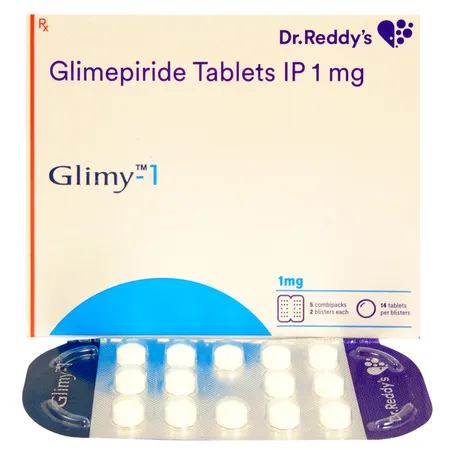
க்ளிமி 1 மாத்திரை 14'ஸ் என்பது டைப் 2 நீரிழிவு நோயின் (Type 2 diabetes mellitus) அதிகரித்த இரத்த சர்க்கரை அளவைக் குறைக்கப் பயன்படுத்தப்படுகிறது. உடல் போதுமான இன்சுலினை உற்பத்தி செய்யவில்லை என்றாலோ அல்லது உடலின் இன்சுலின் எதிர்பார்த்த அளவு சிறப்பாக செயல்படவில்லை என்றாலோ டைப் 2 நீரிழிவு ஏற்படுகிறது.
க்ளிமி 1 மாத்திரை 14'ஸ் இல் கிளிமெபிரைடு (glimepiride) உள்ளது, இது கணpancreas அதிக இன்சுலினை வெளியிட உதவுகிறது, இதன் மூலம் இரத்த சர்க்கரை அளவைக் குறைக்கிறது. எனவே, இது டைப் 2 நீரிழிவு நோயின் அறிகுறிகளைத் தடுக்கிறது.
சிலருக்கு ஒவ்வாமை எதிர்வினைகள் (தோல் தடிப்பு, சிரத் தடிப்பு மற்றும் சூரியக் கதிர்களுக்கு அதிக உணர்திறன்), குறைந்த குளுக்கோஸ் அளவு, குமட்டல், தலைவலி மற்றும் அதிர்ச்சி போன்ற பாதிப்புகள் ஏற்படலாம். க்ளிமி 1 மாத்திரை 14'ஸ் இன் இத்தகைய பெரும்பாலான பக்க விளைவுகளுக்கு மருத்துவக் கவனிப்பு தேவையில்லை மற்றும் காலப்போக்கில் படிப்படியாக சரியாகிவிடும். இருப்பினும், பக்க விளைவுகள் தொடர்ந்தாலோ அல்லது மோசமடைந்தாலோ, தயவுசெய்து உங்கள் டாக்டரை (Doctor) ஆலோசிக்கவும்.
க்ளிமி 1 மாத்திரை 14'ஸ் ஆல் உங்களுக்கு ஒவ்வாமை இருந்தால் உங்கள் டாக்டரிடம் தெரிவிக்கவும். சர்க்கரை அளவு தொடர்ந்து மாறிக்கொண்டே இருப்பதால், நீங்கள் நலமாக உணர்ந்தாலும் உங்கள் டாக்டரை ஆலோசிக்காமல் க்ளிமி 1 மாத்திரை 14'ஸ் மருந்துகளை நிறுத்தக்கூடாது. உங்களுக்கு டைப் 1 நீரிழிவு நோய் அல்லது கடுமையான சிறுநீரகம் அல்லது கல்லீரல் நோய் இருந்தால் க்ளிமி 1 மாத்திரை 14'ஸ் எடுக்கக்கூடாது. உங்களுக்கு ஏதேனும் இதய நோய் இருந்தால் அல்லது நீங்கள் கர்ப்பமாக இருக்கத் திட்டமிட்டாலோ அல்லது தாய்ப்பால்餵ும் திட்டத்தில் இருந்தாலோ தயவுசெய்து உங்கள் டாக்டரிடம் தெரிவிக்கவும்.
க்ளிமி 1 மாத்திரை 14'ஸ் டைப் 2 நீரிழிவு நோயின் (type 2 diabetes mellitus) சிகிச்சையில் பயன்படுத்தப்படுகிறது. க்ளிமி 1 மாத்திரை 14'ஸ்-ன் விரிவான பயன்கள் பின்வருமாறு:
கவனம்
ஆல்கஹாலுடன் க்ளிமி 1 மாத்திரை 14'ஸ் எடுத்துக்கொள்ள பரிந்துரைக்கப்படவில்லை. ஆல்கஹால் உட்கொள்வது க்ளிமி 1 மாத்திரை 14'ஸ் இன் இரத்த சர்க்கரையை குறைக்கும் செயலை கணிக்க முடியாத வகையில் அதிகரிக்கலாம் அல்லது குறைக்கலாம், இது தீங்கு விளைவிக்கும் நிகழ்வுக்கு வழிவகுக்கும்.
கவனம்
க்ளிமி 1 மாத்திரை 14'ஸ் என்பது கர்ப்பகால வகை C மருந்து. அதாவது கர்ப்பிணிப் பெண்களிடம் நன்கு கட்டுப்படுத்தப்பட்ட ஆய்வுகள் எதுவும் செய்யப்படவில்லை. இருப்பினும், நீங்கள் கர்ப்ப காலத்தில் க்ளிமி 1 மாத்திரை 14'ஸ் எடுத்துக்கொண்டிருந்தால், உங்கள் பிரசவ தேதிக்கு குறைந்தது 2 வாரங்களுக்கு முன்னதாக அல்லது உங்கள் மருத்துவர் பரிந்துரைத்தபடி அதை எடுத்துக்கொள்வதை நிறுத்துங்கள்.
கவனம்
தாய்ப்பால் கொடுக்கும் தாய்மார்கள் இதை எடுத்துக்கொள்ள பரிந்துரைக்கப்படவில்லை. க்ளிமி 1 மாத்திரை 14'ஸ் தாய்ப்பாலில் கலந்து, குழந்தைக்கு இரத்த சர்க்கரை அளவு குறைவாகும் அபாயத்தை ஏற்படுத்தலாம். மேலும் ஆலோசனைக்கு உங்கள் மருத்துவரை அணுகவும்.
கவனம்
குளுக்கோஸ் அளவு ஏற்ற இறக்கமாக உள்ள நோயாளிகளுக்கு இது பரிந்துரைக்கப்படுவதில்லை. க்ளிமி 1 மாத்திரை 14'ஸ் உங்கள் இரத்த சர்க்கரை குறைந்தால் (ஹைபோகிளைசீமியா) அல்லது அதிகரித்தால் (ஹைபர்கிளைசீமியா) அல்லது அத்தகைய நிலைமைகளின் விளைவாக உங்களுக்கு பார்வை பிரச்சனைகள் ஏற்பட்டால், கவனம் செலுத்தும் அல்லது எதிர்வினையாற்றும் திறனைக் குறைக்கலாம். இதனால் நோயாளி தனக்கோ அல்லது மற்றவர்களுக்கோ (எ.கா. கார் ஓட்டும் போது அல்லது இயந்திரங்களைப் பயன்படுத்தும் போது) ஆபத்தை விளைவிக்கக்கூடும் என்பதால் இது பரிந்துரைக்கப்படுவதில்லை.
உங்கள் டாக்டரை அணுகவும்
க்ளிமி 1 மாத்திரை 14'ஸ் ஐ கவனமாக எடுத்துக் கொள்ள வேண்டும், குறிப்பாக உங்களுக்கு கல்லீரல் நோய் இருந்த வரலாறு இருந்தால். உங்கள் மருத்துவர் தேவைக்கேற்ப மருந்தின் அளவை சரிசெய்யலாம்.
உங்கள் டாக்டரை அணுகவும்
க்ளிமி 1 மாத்திரை 14'ஸ்ஐ கவனமாக எடுத்துக்கொள்ளவும், குறிப்பாக உங்களுக்கு சிறுநீரக நோய் வரலாறு இருந்தால். தேவைக்கேற்ப உங்கள் டாக்டர் மருந்தளவை மாற்றியமைக்கலாம்.
பாதுகாப்பற்றது
க்ளிமி 1 மாத்திரை 14'ஸ் 18 வயதுக்கு குறைவானவர்கள் பயன்படுத்துவதற்கு அங்கீகரிக்கப்படவில்லை.
உங்கள் டாக்டரை அணுகவும்
உங்களுக்கு ஏற்கனவே இதயப் பிரச்சனைகள் இருந்தால், க்ளிமி 1 மாத்திரை 14'ஸ் பயன்படுத்துவதற்கு முன்பு உங்கள் மருத்துவரிடம் ஆலோசனை பெறுங்கள். இதன் நன்மைகள் அபாயங்களை விட அதிகமாக இருக்கும் என்று உங்கள் மருத்துவர் கருதினால் மட்டுமே, அவர் க்ளிமி 1 மாத்திரை 14'ஸ்ஐப் பரிந்துரைப்பார்.
உங்கள் டாக்டரை அணுகவும்
முதியவர்களுக்கு க்ளிமி 1 மாத்திரை 14'ஸ் கொடுப்பதற்கு முன், தயவுசெய்து உங்கள் மருத்துவரை அணுகவும்.
Have a query?
Drug-Drug Interactions
Glimy 1 Tablet may interact with certain medications, potentially affecting blood sugar control or increasing the risk of side effects. Inform your doctor about all prescription medicines, over-the-counter products, and supplements you are taking, including:
Drug-Food Interactions
Certain dietary habits may influence the effectiveness and safety of Glimy 1 Tablet . Consider the following precautions:
Drug-Disease Interactions
Certain medical conditions may require special precautions or closer monitoring while taking Glimy 1 Tablet . Tell your doctor if you have any of the following:
Login/Sign Up
Login/Sign Up
₹16.8
MRP ₹33.5
50% off
₹23.1
MRP ₹38.5
40% off
₹25.4
MRP ₹39
35% off
Disclaimer
Recommended for a 30-day course: 3 Strips


