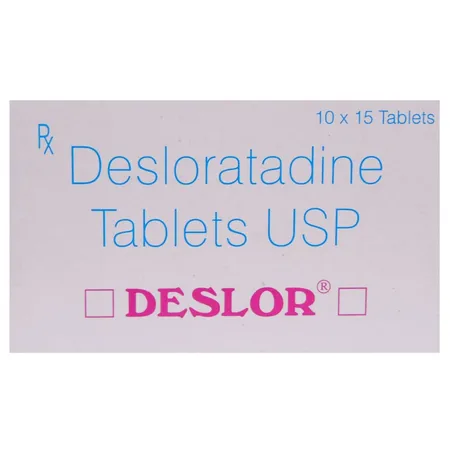
Deslor Tablet is used to treat allergic rhinitis and urticaria. It contains Desloratadine, which blocks the action of histamine (a chemical causing allergic symptoms) and reduces the allergic reaction. It may cause side effects such as fatigue (lack of energy), dry mouth, and headache. Before taking this medicine, you should tell your doctor if you are allergic to any of its components or if you are pregnant/breastfeeding, and about all the medications you are taking and pre-existing medical conditions.
I suddenly developed a cold with continuous nasal discharge since yesterday. What medicines can help manage this condition?
G.santoshini Reddy
M Pharmacy (Pharmaceutics)
A sudden onset of continuous nasal discharge since yesterday is most likely due to a common cold, medically called viral upper respiratory infection, and it usually improves within a few days with supportive care. For relief, you can take paracetamol for body aches or fever, an antihistamine to reduce sneezing and runny nose, and a short course of a decongestant if there is nasal blockage (only for a few days and as advised). Steam inhalation, warm fluids, rest, and staying hydrated can help you recover faster. You should see a doctor if symptoms last more than 5-7 days, worsen, or are associated with high fever, severe headache, or breathing difficulty.
I experience a runny nose, especially when exposed to smoke. Could this be an allergy?
G.santoshini Reddy
M Pharmacy (Pharmaceutics)
Yes, a runny nose triggered by smoke is commonly due to Allergic Rhinitis or nasal irritation, where the lining of the nose becomes sensitive to environmental triggers like smoke, dust, or strong odors. This is not an infection but a reaction of the body, and it can be managed by avoiding exposure (such as using a mask), keeping your surroundings clean, and using antihistamines or saline nasal sprays if needed. If symptoms are frequent or troublesome, a doctor may recommend medicated nasal sprays for better control.
My mother has developed small, fluid-filled, itchy blisters on the palm side of her fingers (2nd to 5th fingers). What treatment is recommended?
G.santoshini Reddy
M Pharmacy (Pharmaceutics)
Small, fluid-filled, itchy blisters on the fingers are often due to a condition called dyshidrotic eczema, though sometimes fungal infection or contact allergy can also cause similar symptoms, so proper diagnosis is important. Treatment usually includes keeping the hands clean and dry, avoiding irritants like detergents or excessive water exposure, and applying a mild to moderate steroid cream (as prescribed by a doctor) to reduce itching and inflammation; antihistamine tablets may also help relieve itching. In some cases, antifungal treatment may be needed if an infection is suspected. It is best to avoid scratching to prevent worsening or infection. If the blisters persist, spread, or become painful, a doctor or dermatologist should be consulted for confirmation and appropriate treatment.
I have allergies and frequent, severe sneezing. How can it be effectively treated?
G.santoshini Reddy
M Pharmacy (Pharmaceutics)
Frequent, severe sneezing due to allergies is commonly caused by Allergic Rhinitis, where the nose reacts to triggers like dust, pollen, smoke, or strong smells. The most effective treatment starts with avoiding these triggers as much as possible; keep your home dust-free, use a mask in polluted or dusty areas, wash bedding regularly, and avoid known irritants. For symptom relief, doctors often recommend antihistamine tablets and saline nasal sprays, and in some cases, medicated nasal sprays (like steroid sprays) to reduce inflammation; these are safe when used correctly under medical guidance. Simple measures like steam inhalation and staying hydrated can also help. If symptoms are frequent or long-lasting, consult a doctor for proper evaluation and a tailored treatment plan, as this condition is very manageable with the right approach.
I currently have a cold. Which medications can help relieve symptoms quickly and safely?
G.santoshini Reddy
M Pharmacy (Pharmaceutics)
A common cold is usually caused by a viral upper respiratory infection and typically improves on its own within a few days, so treatment focuses on symptom relief; paracetamol can help with fever and body aches, antihistamines may reduce sneezing and a runny nose, and short-term use of decongestants can ease nasal congestion. Along with this, rest, warm fluids, and steam inhalation can provide additional comfort. Antibiotics are not needed unless a bacterial infection is confirmed. Consult a doctor if symptoms last more than a week, worsen, or include high fever or breathing difficulty.
Have a query?
Side effects of Deslor Tablet
Dealing with Medication-Induced Headache:
Hydrate your body: Drink enough water to prevent dehydration and headaches.
Calm Your Mind: Deep breathing and meditation can help you relax and relieve stress.
Rest and Recharge: Sleep for 7-8 hours to reduce headache triggers.
Take rest: lie down in a quiet, dark environment.
Cold or warm compresses can help reduce tension.
Stay Upright: Maintain good posture to keep symptoms from getting worse.
To treat headaches naturally, try acupuncture or massage therapy.
Over-the-counter pain relievers include acetaminophen and ibuprofen.
Prescription Assistance: Speak with your doctor about more substantial drug alternatives.
Severe Headaches: Seek emergency medical assistance for sudden, severe headaches.
Frequent Headaches: If you get reoccurring headaches, consult your doctor.
Headaches with Symptoms: Seek medical attention if your headaches include fever, disorientation, or weakness.
Here's a comprehensive approach to managing medication-triggered fever:
Inform your doctor immediately if you experience a fever after starting a new medication.
Your doctor may adjust your medication regimen or dosage as needed to minimize fever symptoms.
Monitor your body temperature to monitor fever progression.
Drink plenty of fluids, such as water or electrolyte-rich beverages, to help your body regulate temperature.
Get plenty of rest and engage in relaxation techniques, such as deep breathing or meditation, to help manage fever symptoms.
Under the guidance of your doctor, consider taking medication, such as acetaminophen or ibuprofen, to help reduce fever.
If your fever is extremely high (over 103°F), or if you experience severe symptoms such as confusion, seizures, or difficulty breathing, seek immediate medical attention.
Manage stress by practising deep breathing, yoga or meditation.
Get enough sleep. Maintain a regular sleep cycle.
Exercise regularly. Try physical activities like walking, running, or dancing.
Limit stimulants like tea, coffee and alcohol.
Identify triggers and try managing them.
Take a break by scheduling time for yourself.
Try creative activities like writing, dancing or painting as it helps release tension.
Here are the precise steps to cope with diarrhoea caused by medication usage:
Inform Your Doctor: Notify your doctor immediately about your diarrhoea symptoms. This allows them to adjust your medication or provide guidance on managing side effects.
Stay Hydrated: Drink plenty of fluids to replace lost water and electrolytes. Choose water, clear broth, and electrolyte-rich drinks. Avoid carbonated or caffeinated beverages to effectively rehydrate your body.
Follow a Bland Diet: Eat easy-to-digest foods to help firm up your stool and settle your stomach. Try incorporating bananas, rice, applesauce, toast, plain crackers, and boiled vegetables into your diet.
Avoid Trigger Foods: Steer clear of foods that can worsen diarrhoea, such as spicy, fatty, or greasy foods, high-fibre foods, and dairy products (especially if you're lactose intolerant).
Practice Good Hygiene: Maintain good hygiene to prevent the spread of infection. To stay healthy, wash your hands frequently, clean and disinfect surfaces regularly, and avoid exchanging personal belongings with others.
Take Anti-Diarrheal Medications: If your doctor advises, anti-diarrheal medications such as loperamide might help manage diarrhoea symptoms. Always follow your doctor's directions.
Keep track of your diarrhoea symptoms. If they don't get better or worse or are accompanied by severe stomach pain, blood, or dehydration signs (like extreme thirst or dark urine), seek medical help.
Here are the steps to manage the medication-triggered Upper respiratory tract infection:
Inform your doctor about the symptoms you're experiencing due to medication.
Your doctor may adjust your treatment plan, which could include changing your medication, adding new medications, or offering advice on managing your symptoms.
Practice good hygiene, including frequent handwashing, avoiding close contact with others, and avoiding sharing utensils or personal items.
Stay hydrated by drinking plenty of fluids to help loosen and clear mucus from your nose, throat, and airways.
Get plenty of rest and engage in stress-reducing activities to help your body recover. If your symptoms don't subside or worsen, consult your doctor for further guidance.
Here are the steps to manage the medication-triggered Cough:
Tell your doctor about the cough symptoms you're experiencing, which may be triggered by your medication.
Your doctor may adjust your treatment plan by changing your medication, adding new medications, or providing guidance on managing your cough symptoms.
Practice good hygiene, including frequent handwashing, avoiding close contact with others, and avoiding sharing utensils or personal items.
Stay hydrated by drinking plenty of fluids, such as water, tea, or soup, to help thin out mucus and soothe your throat.
Get plenty of rest and engage in stress-reducing activities to help your body recover. If your cough persists or worsens, consult your doctor for further guidance.
Here are the 7 steps to manage Dizziness caused by medication:
Inform your doctor about dizziness symptoms. They may adjust your medication regimen or prescribe additional medications to manage symptoms.
Follow your doctor's instructions for taking medication, and take it at the same time every day to minimize dizziness.
When standing up, do so slowly and carefully to avoid sudden dizziness.
Avoid making sudden movements, such as turning or bending quickly, which can exacerbate dizziness.
Drink plenty of water throughout the day to stay hydrated and help alleviate dizziness symptoms.
If you're feeling dizzy, sit or lie down and rest until the dizziness passes.
Track when dizziness occurs and any factors that may trigger it, and share this information with your doctor to help manage symptoms.
How does the drug interact with Deslor Tablet: Co-administration of Ivacaftor and Deslor Tablet can increase the levels of Deslor Tablet.
How to manage the interaction: Co-administration of Deslor Tablet with Ivacaftor can possibly result in an interaction, but it can be taken if doctor has advised it. Do not stop using any medications without talking to a doctor.
How does the drug interact with Deslor Tablet: Co-administration of Deslor Tablet with Isocarboxazid can increase the risk of CNS depression.
How to manage the interaction: Taking Deslor Tablet with Isocarboxazid together can possibly result in an interaction, but it can be taken if a doctor has advised it. Do not stop using any medications without talking to a doctor.
How does the drug interact with Deslor Tablet: Co-administration of Deslor Tablet with Tranylcypromine may increase the risk or severity of CNS depression (decreased heart rate, decreased rate of breathing, loss of consciousness).
How to manage the interaction: Although there is an interaction between Deslor Tablet with tranylcypromine, but it can be taken if a doctor has advised it. However, if you experience any unusual symptoms contact your doctor immediately. Do not discontinue any medications without consulting a doctor.
Drug-Food Interactions
No Drug - Food interactions found in our database. Some may be unknown. Consult your doctor for what to avoid during medication.
While we strive to provide complete, accurate, and expert-reviewed content on our 'Platform', we make no warranties or representations and disclaim all responsibility and liability for the completeness, accuracy, or reliability of the aforementioned content. The content on our platform is for informative purposes only, and may not cover all clinical/non-clinical aspects. Reliance on any information and subsequent action or inaction is solely at the user's risk, and we do not assume any responsibility for the same. The content on the Platform should not be considered or used as a substitute for professional and qualified medical advice. Please consult your doctor for any query pertaining to medicines, tests and/or diseases, as we support, and do not replace the doctor-patient relationship.