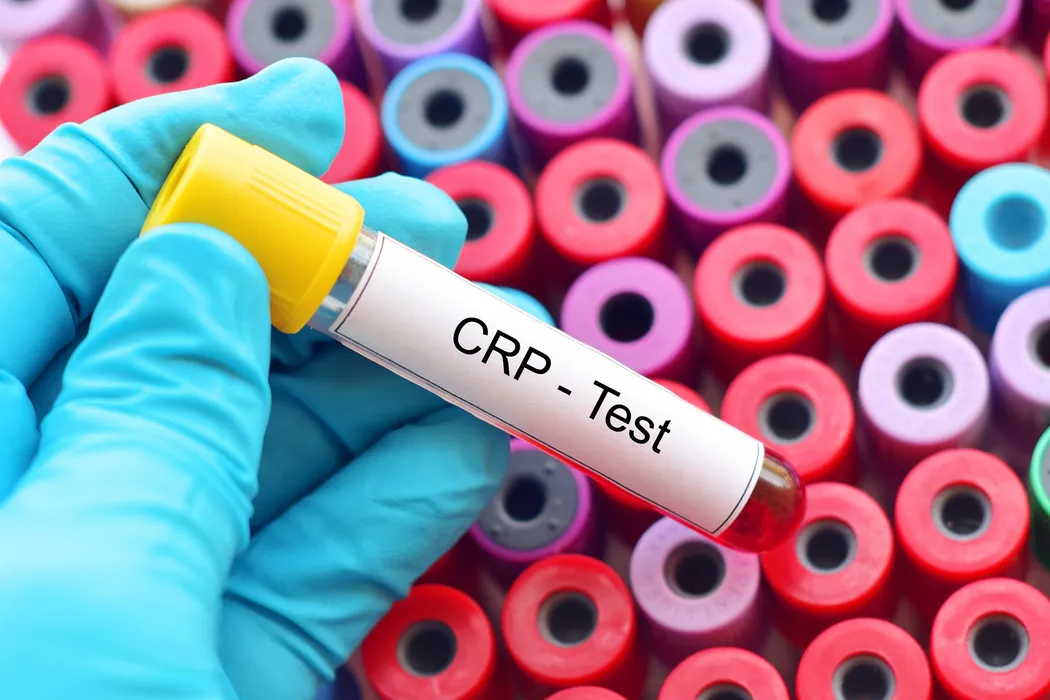
Doctors often recommend undergoing a CRP test after an injury or infection. C-reactive protein, often called CRP, is necessary to assess the presence and severity of inflammatory processes in the body. It can be measured either alone or in conjunction with other diagnostic tests. Let's learn more about CRP in this blog.
CRP Test: Levels and How to Reduce Them
Learn what CRP is, why levels rise, symptoms of inflammation, causes of high CRP, and effective ways to lower it through diet, lifestyle changes, and medical care.
Apollo Pharmacy
What is CRP?
CRP, or C-reactive protein, is an acute-phase protein produced by the liver in response to inflammation or infection in the body. Its primary function is to bind to damaged cells, bacteria, and other foreign substances to activate the immune system and promote the clearance of these harmful agents.
How is CRP Measured?
The most common method for measuring CRP levels is through a blood test known as a high-sensitivity CRP (hs-CRP) assay. It can detect even low levels of CRP in the blood. This test involves taking a small sample of blood from a vein in your arm and analyzing it in a laboratory. CRP levels are typically measured in milligrams per litre (mg/L) and the readings may indicate:
- Normal levels: CRP levels less than 10 mg/L.
- Mild Inflammation: CRP levels between 10-100 mg/L
- Moderate to severe inflammation: CRP levels above 100 mg/L
What is the Link Between CRP Levels and Inflammation?
Inflammation is a natural response of the immune system to protect the body from harmful stimuli, such as infections, injuries, or chronic diseases. Inflammation can be divided into:
- Acute inflammation: It is a short-term response to injury or infection, characterized by redness, swelling, heat, and pain. It is a necessary process for healing.
- Chronic inflammation: It persists over a prolonged period and can contribute to various diseases.
Common conditions associated with elevated CRP levels include:
1. Infections
Bacterial or viral infections can cause a significant increase in CRP levels. Common examples include pneumonia, urinary tract infections, and sepsis.
2. Autoimmune Diseases
Conditions like rheumatoid arthritis, lupus, and inflammatory bowel disease often lead to chronic inflammation and elevated CRP levels.
3. Cardiovascular Diseases
High CRP levels have been associated with an increased risk of heart disease. It has been suggested that chronic inflammation plays a role in the development and progression of atherosclerosis (plaque deposition in the arteries).
Research suggests that individuals with high levels of CRP are more likely to experience cardiovascular events such as heart attacks and strokes. Studies have also shown that CRP levels can be as effective as cholesterol levels in predicting future cardiovascular events.
4. Cancer
Certain types of cancer, such as lymphoma and leukaemia, can cause elevated CRP levels. However, CRP levels alone are not sufficient for cancer diagnosis and further testing is required.
CRP serves as a valuable biomarker for assessing disease severity and monitoring treatment response in inflammatory conditions. Monitoring CRP levels can help doctors make informed decisions regarding treatment plans and adjust therapies accordingly.
What Causes High CRP Levels?
It is important to understand the potential causes and associated risks when interpreting elevated CRP levels. Here are some key points to consider:
1. Infection and CRP Levels
Infections, whether bacterial, viral, or fungal, can lead to increased CRP levels. When the body detects an infection, it activates the immune system, triggering an inflammatory response. This results in the production of CRP. Common types of infections that are known to cause elevated CRP levels include:
- Respiratory infections such as pneumonia, bronchitis, or sinusitis
- Urinary tract infections
- Skin and soft tissue infections
- Inflammatory conditions like appendicitis or diverticulitis
2. Chronic Conditions and CRP Levels
Chronic diseases can contribute to persistently high CRP levels. These conditions often involve chronic inflammation, which leads to increased production of CRP. Some specific chronic diseases known to elevate CRP levels include:
- Cardiovascular disease
- Rheumatoid arthritis
- Inflammatory bowel disease
3. Lifestyle Factors Affecting CRP Levels
Apart from infections and chronic conditions, lifestyle factors can also affect CRP levels.
- Smoking: Smoking is a major contributor to inflammation in the body. It can significantly increase CRP levels.
- Obesity: Excess body fat leads to a state of chronic low-grade inflammation, raising CRP levels.
- Sedentary lifestyle: Leading a sedentary lifestyle, characterized by prolonged sitting or lack of physical activity, is associated with higher CRP levels.
How to Lower CRP Levels?
Measures to lower CRP levels include:
1. Dietary Recommendations for Lowering CRP
- Include plenty of fruits, vegetables, whole grains, and lean proteins in your diet. Choose foods rich in antioxidants and anti-inflammatory properties, such as berries, leafy greens, fatty fish (like salmon), olive oil, nuts, and seeds.
- Limit processed foods, sugary snacks, and beverages high in added sugars, as they can contribute to inflammation.
- Include foods like turmeric, ginger, and garlic, and choose healthier cooking methods like grilling, baking, steaming, and stir-frying instead of deep-frying or using excessive oil.
2. Exercise and Physical Activity
Engage in regular physical activity to burn calories and maintain muscle mass. Avoid crash diets or extreme weight loss methods, as they can lead to muscle loss and potentially increase inflammation. Here are some recommendations to help you incorporate physical activity into your daily routine:
- Start with small steps: Begin by setting achievable goals such as taking a 10-minute walk during your lunch break or doing light stretching exercises at home.
- Find activities you enjoy: Whether it's dancing, cycling, swimming, or playing a sport, find something that brings you joy and gets you moving.
- Make it a priority: Block out dedicated time for exercise and treat it as non-negotiable.
3. Medications and Supplements
Non-steroidal anti-inflammatory drugs (NSAIDs) are commonly prescribed for managing inflammation as they help reduce pain, swelling, and inflammation in the body. They can be effective in treating acute inflammatory conditions such as injuries or post-operative inflammation.
However, the long-term use of NSAIDs may have certain side effects, including gastrointestinal issues such as stomach ulcers or bleeding. Therefore, it is essential to consult with your doctor before starting any medication.
Certain evidence-based supplements can also help lower CRP levels. These include:
- Omega-3 Fatty Acids: Found in fatty fish like salmon, mackerel, and sardines, as well as in fish oil supplements.
- Curcumin: Curcumin, an active compound found in turmeric, has potent anti-inflammatory properties and has been shown to lower CRP levels.
- Green Tea Extract: Rich in antioxidants called catechins, which have anti-inflammatory effects.
- Resveratrol: Resveratrol is a natural compound found in grapes, berries, and red wine.
- Probiotics: Include probiotic-rich foods like yoghurt, kefir, and fermented vegetables in your diet.
When to Consult a Doctor?
It is important to recognize the symptoms that indicate the need for medical intervention and understand the conditions where urgent medical attention is required.
- Pain in your joints, muscles, or other areas of the body that persists even after resting or after taking over-the-counter pain medications
- Swelling in your joints, limbs or any part of your body that lasts for more than a few days
- An unexplained fever
- Excessive fatigue
- Difficulty breathing
- Difficulty moving
- Confusion
- Seizures
Summary
Maintaining optimal CRP levels is essential for overall health and well-being. By adopting a healthy lifestyle, managing stress, and getting regular check-ups, individuals can take proactive steps to manage inflammation and reduce their risk of chronic diseases.
To reduce your CRP levels,
FAQs
FAQs
Can CRP levels be elevated without any underlying health issues?
Yes, certain lifestyle factors can cause temporary elevations in CRP levels. These factors include smoking, obesity, lack of physical activity, and poor diet. However, persistent elevation in CRP levels could indicate an underlying health condition that needs medical attention.
Can stress affect CRP levels?
Yes, studies have shown that chronic stress can lead to increased inflammation in the body, which in turn can raise CRP levels.
How does alcohol intake affect CRP levels?
Alcohol consumption can have both positive and negative effects on CRP levels. Moderate alcohol intake has been associated with lower CRP levels, however, it is crucial to consider your overall health status when assessing the potential impact of alcohol on CRP levels.
Why do women have lower CRP than men?
Hormones such as oestrogen and testosterone can affect inflammation and therefore influence CRP levels. Oestrogen has been found to have anti-inflammatory properties, which may explain why women generally have lower CRP levels compared to men.
Does sleep affect CRP levels?
Yes, poor sleep can contribute to increased CRP levels.


