Have you ever noticed how the scent of rain, a parijat flower, or a favourite food can instantly change your mood? That's the power of scent. Aromatherapy takes this idea further, using the pure goodness of plants to help your mind and body feel better. This guide is perfect for anyone, especially new users and spa fans in India, who are keen to explore this natural path to wellness. We will show you simple ways to integrate aromatherapy for beginners India into your daily life.
Aromatherapy Basics: How Essential Oils Help Indian Homes
Start your journey with aromatherapy for beginners India! Learn what aromatherapy is, how to use essential oils safely, and find the top oils for essential oil use India.
Apollo Pharmacy
What is Aromatherapy and How Does It Work?
Aromatherapy is a holistic practice that uses aromatic materials, especially essential oils, to improve psychological and physical well-being.
- It is not a new concept; fragrant plant extracts have been used for centuries for healing.
- When you inhale an aroma, it travels to the brain, influencing your mood and emotions.
- The use of oils can promote relaxation, reduce stress, and improve sleep quality.
- This is a wonderful way to bring natural benefits into your busy Indian household routine.
Essential Oil Types: What You Need to Know
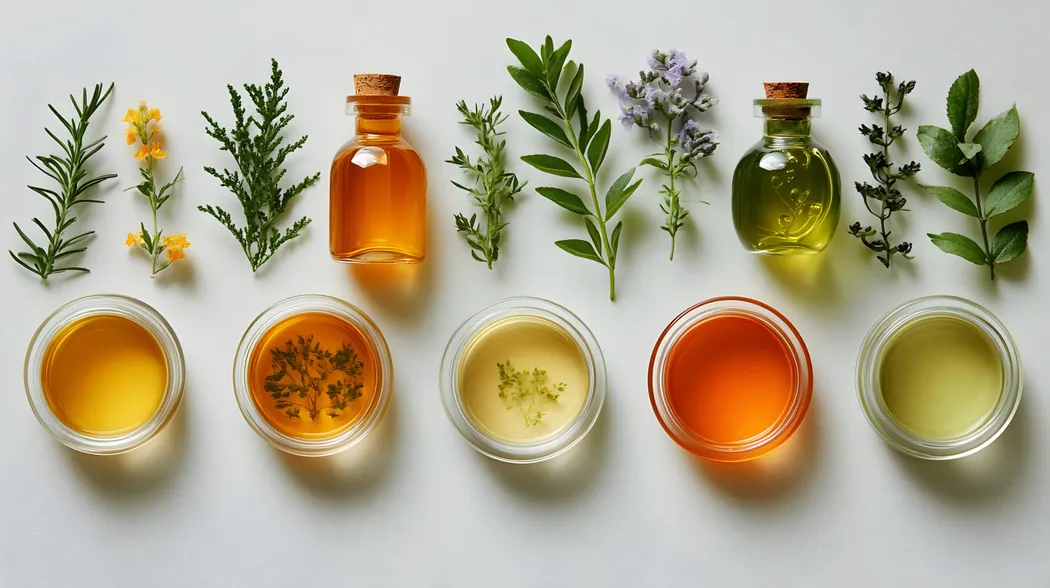
Essential oils are highly concentrated extracts obtained from flowers, leaves, bark, roots, or other parts of plants. They capture the plant’s natural aroma, flavour, and therapeutic properties, making them valuable in aromatherapy, skincare, and holistic wellness. In India, where traditional healing systems like Ayurveda have long used plant-based remedies, understanding the different types of essential oils can help you make informed and safe choices. Here’s a detailed look at the main types of essential oils and how they differ in composition and use:
1. Pure Essential Oils: Pure essential oils are the most potent and unadulterated form of plant essence. They contain only the natural aromatic compounds extracted through steam distillation, cold pressing, or resin tapping, without any added chemicals or fillers. Because of their high concentration, they deliver the full therapeutic benefits of the plant — from calming stress and improving focus to supporting better sleep and boosting immunity. Examples include lavender, peppermint, eucalyptus, and tea tree oil. When using pure essential oils, it is important to dilute them properly with a carrier oil before applying to the skin, as direct use may cause irritation due to their strength.
2. Carrier Oils: Carrier oils are milder, plant-based oils such as coconut, jojoba, almond, or olive oil. They are used to dilute pure essential oils, making them safe for topical use and improving absorption through the skin. Carrier oils are non-volatile, meaning they do not evaporate quickly, and they also provide their own moisturising and nourishing benefits. For instance, sweet almond oil is ideal for dry skin, while jojoba oil closely resembles the skin’s natural sebum, making it perfect for sensitive or oily skin types. Using carrier oils ensures that you enjoy the therapeutic effects of essential oils without irritation.
3. Blended Oils: Blended oils are pre-formulated mixtures of two or more essential oils, often combined with a carrier oil, crafted for specific purposes such as stress relief, better sleep, focus enhancement, or pain relief. These blends are carefully balanced to create synergy between the oils, where their combined effects are stronger and more pleasant than individual oils alone.
When purchasing essential oils, always look for 100% pure, therapeutic-grade oils from trusted brands that provide transparency about their sourcing and extraction methods. Avoid oils labelled with synthetic fragrances or additives, as these lack genuine therapeutic benefits. Opting for high-quality essential oils ensures better results, safer application, and a more authentic aromatherapy experience.


Simple Ways for Essential Oil Use India (Usage Methods)
There are a few easy and safe methods to practice aromatherapy for beginners India in your home.
- Aromatic Diffusion: Use an electric diffuser to disperse the aroma into the air, creating a calm atmosphere. This is great for setting a relaxing or energizing mood in a room.
- Topical Application: Dilute 1–2 drops of essential oil in a teaspoon of carrier oil and apply it to the skin. Common application areas include the wrists, temples, or the soles of the feet.
- Direct Inhalation: Put a drop of oil on a cotton ball or tissue and inhale the scent briefly when needed. This simple method is helpful for quick stress relief or mental clarity.
- A Relaxing Bath: Add a few diluted drops of your chosen oil to a warm bath for a spa-like soak at home. This combines the benefits of warm water with the soothing aroma.
Safety Guide for Aromatherapy Beginners
While essential oils offer many benefits, it is crucial to use them safely, especially for aromatherapy for beginners India.
- Always Dilute Oils: Never apply undiluted essential oils directly onto your skin; always mix them with a carrier oil first.
- Perform a Patch Test: Before widespread application, apply a tiny, diluted amount to a small skin area, like your forearm.
- Keep Away from Eyes and Mucous Membranes: Avoid contact with sensitive areas like your eyes, nose, or inner ears.
- Store Properly: Keep your essential oils in dark glass bottles, away from direct sunlight and heat.
- Consult a Professional: If you are pregnant, nursing, or have serious health conditions, speak to a doctor before use.
- Less is More: Start with the smallest recommended amount and increase only if necessary.
Top Oils to Start Your Aromatherapy Journey
If you are new to aromatherapy for beginners India, here are a few versatile essential oils to help you start your practice.
- Lavender Essential Oil: Famous for its calming properties, it is perfect for promoting restful sleep.
- Peppermint Essential Oil: Can help with mental focus and may ease tension headaches when applied topically (diluted).
- Lemon Essential Oil: Its bright, citrus scent is known to uplift the mood and purify the air in your space.
- Eucalyptus Essential Oil: Often used to support respiratory health, especially during cold and cough season.
- Tea Tree Essential Oil: A popular choice for its purifying benefits, making it an excellent addition to your routine for essential oil use India.
Conclusion
Starting your aromatherapy journey is a simple yet impactful step towards better self-care. By understanding these basic principles of aromatherapy and safe essential oil use India, you can easily integrate natural wellness into your home. Embrace the soothing and uplifting power of these plant extracts and discover the positive change they can bring.


