You can blend essential oils to create calming, focusing, energising, or soothing experiences that suit your personal needs. Whether you enjoy DIY aromatherapy at home, love spa-style relaxation, or simply want natural stress support, blending oils lets you design scents that match your goals. This guide explores why essential oil blending works, the safety principles to follow, popular recipes, and smart ways to store and use your creations confidently. With a little care, anyone can craft unique and effective essential oil blends that enhance everyday wellbeing.
How To Blend Essential Oils For Personalised Results?
Learn how to blend essential oils safely and creatively. Find recipes, dilution advice, storage tips, and DIY aromatherapy guidance. Shop carrier oils and tools at apollopharmacy.in.
Apollo Pharmacy
1. Why Blend Oils?
- Blending essential oils allows you to combine different properties for enhanced results, often outperforming single oils in supporting wellbeing.
- Each oil carries unique benefits; mixing them helps you balance top, middle, and base notes for both therapeutic and aromatic harmony.
- Personalised blends let you address specific needs—such as sleep support, stress reduction, pain relief, or mental focus—while creating scents that feel uniquely yours.
- For example, lavender may calm the mind, peppermint may energise, and bergamot may uplift—together, they produce a richer sensory experience.
- Creating blends also helps you enjoy spa-like aromatherapy at home, experimenting with ratios and aromas until you find the perfect balance.
- You can start small, testing just a few drops at a time, and adjust the strength according to preference and tolerance.
- Over time, this creative process helps you understand how oils complement one another, allowing for truly personalised self-care solutions.
2. Safety Rules
- Always dilute essential oils with a carrier oil such as coconut, jojoba, or almond before topical use. Concentrated oils can irritate or sensitise skin.
- For children, elderly individuals, or those with sensitive skin, maintain a lower dilution—typically 1% (one drop per teaspoon of carrier oil). For general adult use, 2–3% is safe.
- Conduct a patch test before using any new blend: apply a small amount to the inner forearm and wait 24 hours to check for redness, itching, or irritation.
- Avoid using certain oils like clary sage, rosemary, or basil during pregnancy, and always consult your doctor if you’re on medication or have chronic conditions.
- Never apply essential oils directly near the eyes, mucous membranes, or broken skin.
- Store essential oils in tightly sealed containers, away from children and pets, and keep them out of direct sunlight or heat.
- Label every bottle with ingredients, concentrations, and preparation dates. Keeping recipe cards or a blending journal ensures safety and consistency in future mixes.
3. Top Blend Recipes
- Sleep Blend: Combine lavender, chamomile, and cedarwood with a carrier oil. These calming oils soothe the mind and prepare the body for rest. Use a 3% dilution in a 10 ml roller bottle and apply to wrists or pillow edges.
- Relax Blend: Mix bergamot, ylang-ylang, and sweet orange for a soft evening aroma. Diffuse this blend for 3–5 hours to unwind after a long day.
- Focus Blend: Blend rosemary, peppermint, and lemon to sharpen mental clarity. This combination promotes alertness and focus, perfect for students or professionals. Diffuse briefly during study or work sessions.
- Energise Blend: Combine grapefruit, bergamot, and ginger for a refreshing and uplifting scent. Apply sparingly to wrists or diffuse mid-morning for a natural energy boost without caffeine.
- Headache Blend: Mix lavender, peppermint, and marjoram with a carrier oil. Massage gently onto temples or the base of the skull for soothing relief.
- When experimenting, document exact drops and ratios—this allows you to replicate or fine-tune the perfect formula.
- Remember, blending essential oils is both art and science. A balance between aroma and therapeutic purpose gives the best outcome.


4. Storage Guide
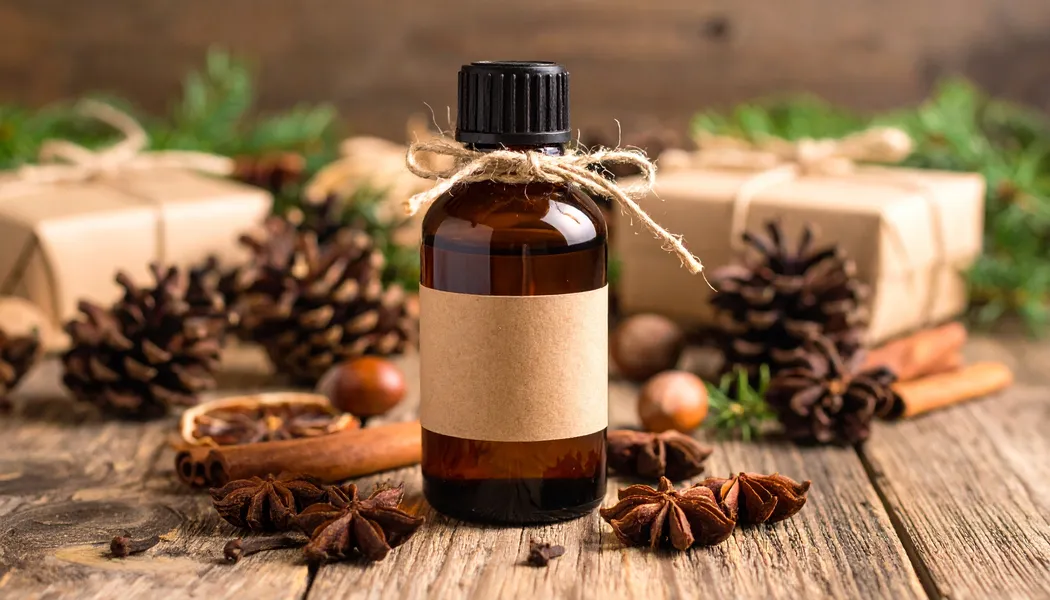
- Always store your essential oil blends in dark glass bottles—preferably amber or cobalt blue—to protect them from light and oxidation.
- Keep bottles tightly sealed and stored in a cool, dry place, away from direct sunlight or humidity.
- Label clearly with the blend name, date, and ingredients, so you always know what’s inside and when it was made.
- Citrus-based blends oxidise faster; refrigerating them helps maintain freshness and extends shelf life.
- Avoid plastic bottles since essential oils can break down plastic compounds over time.
- Discard any blend that smells “off” or has changed colour or texture. Most blends last about 12 months if stored properly, but always check manufacturer guidance.
5. Usage Tips
- When learning to blend essential oils, start small—use 3 drops base note, 2 drops middle note, and 1 drop top note as a beginner formula.
- Keep a notebook to record your recipes, scent impressions, and how each blend makes you feel.
- Test a small batch first before scaling up for larger bottles or gifts.
- Adjust ratios gradually; add just one drop at a time, then smell-test using blotter strips or tissue paper to judge balance.
- Share your creations with friends or family to get feedback and refine your blends further.
- Be patient; scent perception evolves as blends mature over a few days, and experience helps refine your technique.
- For topical use, always keep dilutions low—less is more when working with potent essential oils.
- Rotate blends regularly to prevent scent fatigue, and give your body and senses time to rest.
- Purchase carrier oils, diffusers, and roller bottles from reliable sellers like apollopharmacy.in for quality assurance and safe aromatherapy supplies.
- Treat essential oil blending as an enjoyable routine—both mindful and creative—that can enhance emotional balance and self-care.
Conclusion
With consistent practice and careful attention to safety, anyone can confidently blend essential oils that enhance mood, focus, and relaxation. Each combination becomes a personal expression of scent and self-care, helping you align your environment and energy with your goals. Start small, keep detailed notes, and enjoy the satisfaction of crafting blends that support your wellbeing every day. Explore trusted products like carrier oils, diffusers, and glass bottles at apollopharmacy.in to begin your essential oil journey with the right tools and confidence.


