0

In this article

  • Why Does Hair Fall Occur in Monsoon?
  • Shampoo Routine
  • Choosing Oils
  • Home Remedies and Top Picks from Apollo
  • Sebamed Anti Hairloss Shampoo
  • Dove Hair Fall Rescue Shampoo
  • Himalaya Anti Hair Fall Hair Oil
  • Indulekha Hair Oil
  • Folliserum
  • When to See a Trichologist?
  • Monsoon Hair Care Practices to Strengthen Results
  • Realistic Timeline
  • Conclusion

Monsoon Hair Fall: 5 Steps to Reduce Shedding & Boost Growth

Know about the monsoon hair fall, why it happens, choosing shampoo and oils, types of home remedies, remedies on apollo and more. 
 

article image

Apollo Pharmacy

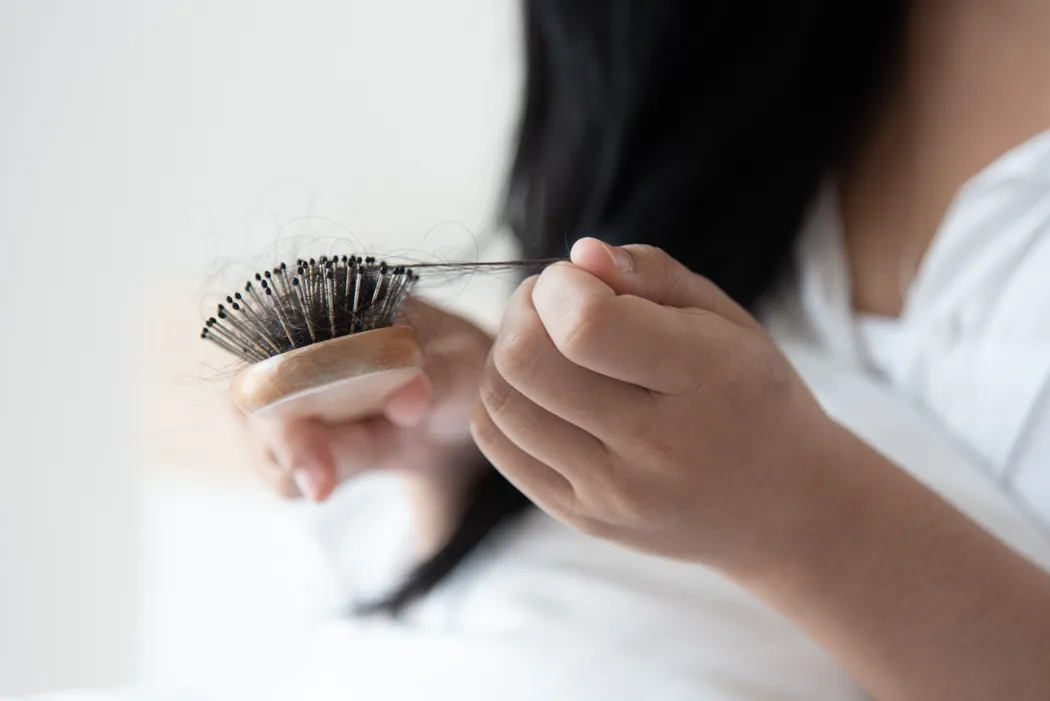
Monsoon brings welcome relief from scorching heat, but it also introduces a new set of hair concerns, especially for working women between 18 and 40. Increased humidity, unexpected showers, sweat accumulation, and scalp infections make hair fall in monsoon India a common seasonal complaint, prompting people to search for anti-hair fall shampoo options. Many women notice excessive strands on pillows, clogged shower drains, and thinning ponytails during this time. While seasonal hair fall is natural, ignoring it can worsen underlying scalp issues and slow down regrowth.

The good news is that hair fall in monsoon India is manageable with the right action plan. Instead of panic-driven product hopping, a structured routine focusing on scalp health, cleansing balance, nourishment, and timely intervention can significantly reduce shedding. Choosing the right anti-hair fall shampoo, pairing it with suitable oils and serums, and knowing when to seek professional help can make all the difference. This blog takes a practical, weather-focused approach to monsoon hair care. Designed for busy professionals, it breaks down five essential steps that fit easily into everyday routines. From understanding why hair falls more during the monsoon to selecting trusted solutions available at Apollo Pharmacy, this blog helps one move from reactive hair care to confident, informed prevention, so hair stays strong, healthy, and resilient through the rainy season.

Why Does Hair Fall Occur in Monsoon?

Understanding why hair falls occurs in the monsoon.

Excess Humidity and Scalp Imbalance

  • High humidity leads to excessive sweating on the scalp
  • Moisture build-up weakens hair roots
  • Fungal and bacterial growth increases

When sweat and moisture remain trapped, the scalp’s natural balance is disrupted, leading to itchiness and weakened follicles. Humidity-induced scalp imbalance is a primary trigger for seasonal hair fall.

Increased Hair Breakage

  • Hair absorbs moisture and swells
  • Cuticles lift, making strands fragile
  • Wet hair is more prone to breakage

Frequent exposure to rain without proper drying damages hair shafts over time. Breakage during the monsoon often adds to perceived hair fall.

Pollution and Rainwater Exposure

  • Rainwater mixes with urban pollutants
  • Dirt settles on the scalp and hair
  • Follicles get clogged

This build-up restricts oxygen supply to roots, slowing growth. Pollution-loaded rainwater worsens scalp congestion and shedding.

Seasonal Hair Growth Cycle

  • Hair naturally enters the shedding phase during the monsoon
  • A temporary increase in hair fall is common

While natural, poor care can extend this phase unnecessarily. Seasonal hair fall is normal, but it is manageable with the right routine.

Shampoo Routine

Let’s understand a shampoo routine:

Why Does Shampoo Choice Matter in Monsoon?

  • The scalp needs frequent but gentle cleansing
  • Harsh shampoos strip natural oils
  • Overwashing weakens roots

An effective anti-hair fall shampoo cleans without disrupting scalp health. Balanced cleansing is essential during monsoon months.

How Often Should You Wash?

  • Oily scalp: 2 to 3 times a week
  • Normal scalp: 2 times a week
  • Dry scalp: Once or twice weekly

Adjust frequency based on sweat and exposure. Customised washing schedules reduce unnecessary hair stress.

Shampooing Technique

  • Dilute the shampoo before applying
  • Massage gently using fingertips
  • Avoid scratching with nails

Proper technique improves circulation and minimises hair fall. How one washes hair is as important as what they use.

Post-Wash Care

  • Use lightweight conditioners
  • Avoid heavy serums on a wet scalp
  • Air-dry whenever possible

This prevents scalp clogging and breakage. Post-wash habits influence long-term hair strength.

Choosing Oils

Understanding the importance of oils.

Why Is Oiling Still Important in Monsoon?

  • Nourishes hair roots
  • Improves blood circulation
  • Strengthens follicles

Contrary to myths, oiling supports scalp health when done correctly. Oiling remains beneficial even during humid weather.

Frequency of Oiling

  • Once or twice weekly
  • Avoid overnight oiling if the scalp is oily
  • Use light, non-sticky oils

Less is more during the monsoon. Moderation prevents greasy build-up and hair fall.

Best Time to Oil

  • 1 to 2 hours before shampoo
  • Avoid oiling before stepping out

This ensures nourishment without attracting dirt. Timing oil application improves effectiveness.

Massage Technique

  • Circular motions with fingertips
  • Gentle pressure
  • 5 to10 minutes only

Stimulates follicles without stressing roots. Gentle massage boosts absorption and growth.

Home Remedies and Top Picks from Apollo

Below are a few home remedies:

Simple Home Remedies That Support Hair Health

  • Aloe vera gel to soothe the scalp
  • Onion juice (once weekly) to stimulate growth
  • Fenugreek paste for dandruff control

Used sparingly, these can complement products. Home remedies work best as supportive care, not replacements.

Here are the top 5 picks on Apollo:

Sebamed Anti Hairloss Shampoo

  • pH-balanced formula
  • Strengthens hair roots
  • Suitable for sensitive scalps

Ideal for women experiencing scalp irritation during the monsoon. A clinically gentle shampoo helps reduce seasonal hair fall.

Buy Sebamed Anti Hairloss Shampoo Here

Dove Hair Fall Rescue Shampoo

  • Nourishes weak hair
  • Reduces breakage
  • Improves hair smoothness

Works well for daily or frequent washing routines. Breakage control significantly reduces visible hair fall.

Buy Dove Hair Fall Rescue Shampoo Here
 

Himalaya Anti Hair Fall Hair Oil

  • Enriched with Bhringaraja and Amla
  • Strengthens hair follicles
  • Improves scalp nourishment

A trusted herbal option for weekly oiling. Herbal oils support long-term scalp health.

Buy Himalaya Anti Hair Fall Oil Here

Indulekha Hair Oil

  • Ayurvedic formulation
  • Targets hair root nourishment
  • Comes with an applicator for precision

Ideal for targeted hair fall concerns. Precision oiling improves absorption and results.

Buy Indulekha Hair Oil Here

Folliserum

  • Advanced hair growth serum
  • Lightweight and non-greasy
  • Suitable for thinning areas

Buy Folliserum Here

Designed for women experiencing noticeable density loss. Serums enhance regrowth when used consistently.

When to See a Trichologist?

This is when one can see a trichologist:

Signs Hair Fall Is Beyond Seasonal

  • Excessive shedding for over 8 weeks
  • Visible scalp patches
  • Sudden thinning

These indicate deeper issues. Persistent hair fall requires professional assessment.

Underlying Causes That Need Diagnosis

  • Hormonal imbalance
  • Nutritional deficiencies
  • Scalp infections

Topical care alone may not be sufficient. Medical insight prevents long-term damage.

What Can a Trichologist Help With?

  • Scalp analysis
  • Personalised treatment plans
  • Prescription solutions

Early consultation improves recovery time. Expert guidance ensures targeted and effective care.

Monsoon Hair Care Practices to Strengthen Results

Below are a few hair care practices one can follow:

Scalp Hygiene beyond Shampoo

  • Always dry hair thoroughly after getting wet in the rain
  • Avoid tying wet hair tightly
  • Clean combs and brushes weekly

During the monsoon, damp environments encourage fungal growth on both the scalp and hair tools. Even the best anti-hair fall shampoo cannot work effectively if hygiene practices are neglected. Wet hair, when tied back, creates friction and promotes microbial growth, accelerating hair fall. Dry scalp habits and tool hygiene significantly improve the effectiveness of hair care routines.

Diet and Hydration Support

  • Increase protein intake (dal, eggs, paneer, nuts)
  • Include iron-rich foods like spinach and beetroot
  • Drink adequate water despite humid weather

Hair is made of keratin, a protein structure that weakens when nutrition is inadequate. Hence, internal nourishment is essential for reducing monsoon-related shedding.

Stress and Sleep Impact on Hair Fall

  • Poor sleep disrupts hair growth cycles
  • Stress elevates cortisol, weakening follicles
  • Long work hours worsen seasonal hair fall

Working professionals often overlook stress as a contributor to hair fall during the monsoon in India. Increased humidity already stresses the scalp, and mental stress compounds the damage. Managing stress and sleep quality plays a direct role in controlling seasonal hair fall.

Styling Mistakes to Avoid During Monsoon

  • Excessive heat styling on damp hair
  • Tight ponytails or buns
  • Daily use of dry shampoos

Monsoon hair is already swollen and fragile. Heat styling weakens cuticles further, while tight hairstyles pull at roots already compromised by humidity. Gentle styling choices prevent unnecessary hair loss during the monsoon.

Night-Time Hair Care Routine

  • Switch to cotton or silk pillowcases
  • Loosely braid hair before sleep
  • Avoid sleeping with wet hair

Night-time friction contributes to hair breakage, often mistaken for hair fall. Small changes during sleep protect hair shafts and improve texture. Protective night routines preserve hair length and reduce breakage.

Realistic Timeline

What to Expect in 30–60 Days

First 2 Weeks

  • Reduced scalp itchiness
  • Less oil and sweat build-up
  • Slight reduction in daily shedding

Early improvements indicate that the scalp environment is stabilising. Initial results focus on scalp comfort rather than visible regrowth.

30 Days

  • Noticeably reduced hair fall
  • Improved hair texture
  • Better manageability

Consistent use of the right shampoo, oil, and serum begins strengthening follicles. One month of disciplined care shows measurable improvement.

60 Days and Beyond

  • Visible baby hair growth
  • Improved hair density
  • Reduced seasonal sensitivity

Hair growth cycles take time. Continued care ensures long-term resilience. Long-term consistency delivers lasting hair health beyond monsoon.

Conclusion

Seasonal humidity, sweat, pollution, and lifestyle stressors all play a role in weakening hair during this time. However, with a structured approach that combines scalp hygiene, the right anti-hairfall shampoo, mindful oiling, targeted serums, supportive home remedies, and healthy lifestyle choices, women can significantly control hairfall during the monsoon in India.

By treating monsoon hair fall as a seasonal adjustment rather than a permanent issue, working women can maintain strong, healthy hair not just during the rains but throughout the year.

By understanding why hair falls in monsoon India increases and following a structured five-step approach, including scalp awareness, proper shampooing, mindful oiling, supportive remedies, and timely professional care, one can significantly reduce shedding and support healthy regrowth. Choosing the right anti-hair fall shampoo, pairing it with trusted oils and serums, and adapting routines to weather conditions allows working women to stay ahead of seasonal damage.

Apollo 247 Floating Action Button