Blood sugar monitoring is one of the most important medical checks performed in the first hours after birth, especially when a newborn has certain risk factors. Many parents become worried when doctors mention low sugar levels because glucose plays a critical role in supporting the newborn brain and other organs during the early transition after delivery. Inside the womb, a baby receives a continuous supply of glucose through the placenta. After birth, that supply stops immediately, and the baby must begin maintaining glucose levels independently through stored energy and feeding. In most babies, this adjustment happens naturally. In some, however, blood sugar may temporarily fall below the expected range. A low blood sugar level in a newborn is medically called neonatal hypoglycaemia. It is common, especially during the first day of life, and when recognised early, treatment is usually simple and highly effective. This guide explains the normal newborn blood sugar range, why sugar levels fall, symptoms of low sugar, and how doctors restore safe levels.
Newborn Blood Sugar Levels: Normal Range, Signs & Care Tips
Learn the normal blood sugar range in newborn babies, causes of low sugar, warning signs of neonatal hypoglycaemia, treatment options, and when monitoring is needed.
Dr. Vasantha Sree
Why Is Blood Sugar Important in a Newborn?
Glucose is the main fuel used by a newborn brain. During the newborn period, the brain uses a large proportion of the body's available glucose because growth and neurological activity are extremely rapid. A stable sugar level supports:
- Brain function
- Breathing regulation
- Muscle activity
- Feeding ability
- Body temperature control
Because newborn energy reserves are limited, sugar levels can change quickly if feeding is delayed or adaptation is difficult. According to World Health Organization newborn care guidance, early feeding plays a major role in maintaining glucose stability after birth.
Normal Blood Sugar Range in a Newborn
Blood sugar levels in newborns vary depending on age after birth.
During the First 24 Hours
- A normal blood glucose level usually remains between:
- 40 mg/dL to 60 mg/dL
- This lower early range is expected because the body is still adjusting.
After the First 24 to 48 Hours
- As feeding becomes established, the level usually stabilises between:
- 50 mg/dL to 90 mg/dL
Doctors often refer to this as the safe random blood sugar range in a healthy newborn. A brief mild drop immediately after birth can be normal, but persistent low values need attention.
Why Blood Sugar Falls in Newborns
Several common conditions increase the risk of low sugar.
1. Maternal Diabetes
Babies born to mothers with gestational diabetes or pre-existing diabetes often produce extra insulin before birth. After delivery, the maternal glucose supply stops suddenly, but insulin remains high for a short period. This can rapidly lower glucose.
2. Premature Birth
Premature babies have smaller glycogen stores. Glycogen is stored sugar in the liver that helps maintain blood glucose after birth. Because reserves are limited, premature babies develop low sugar more easily.
3. Small Birth Weight
Small babies often have lower stored energy reserves. This makes glucose regulation less stable.
4. Large Birth Weight
Larger babies may also be at risk, especially when maternal diabetes is present.
5. Delayed Feeding
If feeding is delayed after birth, stored sugar may be used faster than it is replaced.
6. Infection or Illness
Conditions such as newborn infection can increase glucose use rapidly. According to Mayo Clinic neonatal hypoglycaemia guidance, infection is an important medical cause of persistent low sugar.
Signs of Low Blood Sugar in a Newborn
Some babies show obvious symptoms, while others may appear normal. This is why at-risk babies are routinely screened.
Common Symptoms Include
- Jitteriness
- Tremors
- Poor feeding
- Weak sucking
- Unusual sleepiness
- Pale skin
- Bluish lips
- Weak cry
More Serious Signs
If sugar falls further, symptoms may include:
- Breathing pauses
- Fast breathing
- Reduced body temperature
- Seizures
These require immediate medical attention.
Why Are Symptoms Sometimes Missed?
Some babies with low sugar appear quiet rather than obviously distressed. A very sleepy baby who refuses feeding should always be assessed.
How Is Blood Sugar Tested in a Newborn?
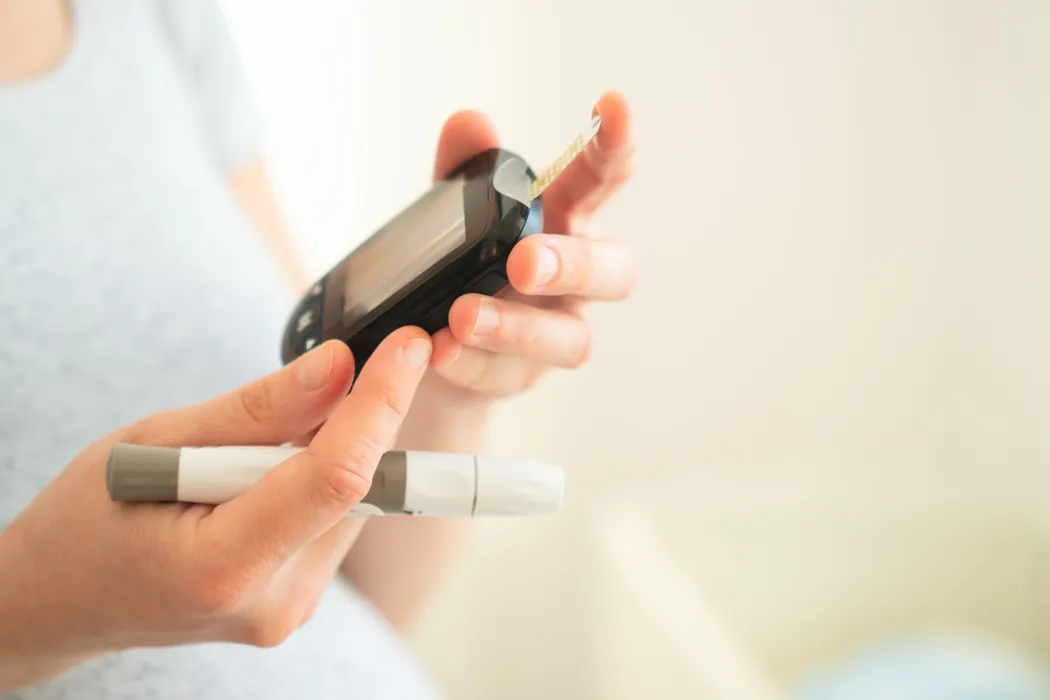
The first test is usually done by heel prick.
Heel Prick Testing
A nurse:
- Warms the heel
- Uses a tiny sterile lancet
- Collects a drop of blood
- Checks glucose on a meter
- This gives a quick bedside reading.
- Confirmatory Blood Testing
If results are low, doctors may repeat testing or send a larger blood sample to the laboratory. This ensures accuracy.
Which Babies Are Commonly Tested?
Routine glucose checks are often done in babies who are:
- Premature
- Small for gestational age
- Large for gestational age
- Born to diabetic mothers
- Showing symptoms
How Low Blood Sugar Is Treated
Treatment aims to restore glucose safely and quickly.
1. Early Feeding
The first treatment is feeding. Breast milk is encouraged immediately when possible. Expressed colostrum often works very well because it is concentrated and energy-rich.
2. Formula Supplementation
If breastfeeding is not sufficient initially, formula may be temporarily used.
3. Glucose Gel
A commonly used hospital treatment is glucose gel applied inside the cheek. This allows glucose absorption through the oral lining.
4. Intravenous Glucose
If levels remain low or the baby cannot feed effectively, IV glucose is started. This is often done in neonatal care. According to Cleveland Clinic newborn glucose care guidance, IV treatment usually stabilises glucose quickly.
Why Do Prompt Treatment Matter?
A newborn brain depends heavily on glucose. Prolonged severe low sugar can affect neurological development if untreated. However, early hospital screening makes long-term complications uncommon.
Can Low Sugar Return After Going Home?
This is uncommon once feeding is established and hospital monitoring is complete. Parents should still ensure:
- Feeding every 2 to 3 hours
- Good latch or bottle intake
- Normal wet diapers
- Warning Signs at Home
Call a doctor if your baby develops:
- Extreme sleepiness
- Poor feeding
- Weak cry
- Unusual shaking
Which Medicines May Be Used If Needed?
In hospital care, treatment focuses on glucose itself rather than medicines.
However, if feeding is difficult, doctors may sometimes support care with monitored feeding tools and glucose therapy rather than medication.
When to Consult a Paediatrician?
Seek medical advice if:
- Baby feeds poorly repeatedly
- Baby is difficult to wake
- Tremors continue
- Weight gain becomes poor
Conclusion
A temporary fall in newborn blood sugar is common during the first hours after birth, especially in babies with known risk factors. The good news is that with early feeding, routine screening, and simple treatment when needed, most babies stabilise quickly and recover fully. The most important signs parents should watch are feeding strength, alertness, and overall comfort rather than numbers alone.


