If you monitor your blood pressure (BP) at home, you have likely noticed that the numbers are rarely exactly the same. Seeing different readings, even taken just an hour apart, can be confusing and sometimes concerning. It is important to know that daily BP variations India are completely normal and are a healthy reflection of your body responding to life. Your body is constantly adjusting blood flow and pressure to meet the demands of waking up, exercising, digesting food, and managing stress. For those managing hypertension or caring for elders, understanding these natural BP changes morning evening India is key to effective management and peace of mind. This article provides a simple, compassionate guide to decoding your blood pressure readings throughout the day.
Blood Pressure Changes During the Day: What’s Normal?
Understand normal daily bp variations India. Learn why your blood pressure fluctuates, what the typical bp changes morning evening India look like, and when to seek a doctor's advice.
Apollo Pharmacy
In this article
- Why does your BP Change?
- Mapping Your Day
- Decoding Your Numbers
- Identifying Red Flags
- Routine for Home Monitoring
- Conclusion
Why does your BP Change?
Why does your BP Change?
The simple fact that your blood pressure changes constantly is the first crucial piece of information for any patient or caregiver to grasp. These fluctuations are not random but follow your body’s natural 24-hour rhythm, known as the circadian rhythm.
- Hormonal Wake-Up Call: Your body releases stress hormones like adrenaline and cortisol when you wake up. This hormonal surge prepares the body for the day and naturally causes blood pressure to rise.
- Physical Activity Impact: Simple movements like walking, lifting objects, or even quick mood shifts temporarily increase the pressure. This is your heart efficiently pushing blood to working muscles.
- Digestion and Blood Flow: Eating a heavy meal directs a large amount of blood to your digestive system. This shift often causes a temporary slight drop in your blood pressure.
- Temperature Sensitivity: Exposure to very cold or very hot temperatures can constrict or expand blood vessels, affecting the BP. This environmental influence contributes significantly to daily BP variations India.
- Emotional Stress: Feelings of anxiety, excitement, or tension immediately constrict your blood vessels. This automatic tightening is often responsible for the highest BP spikes during the day.
- Nocturnal Dipping: When you fall asleep, your body needs less energy, and your blood pressure should naturally drop by 10% to 20%. This expected drop is crucial for cardiovascular rest.
- The Normal Pattern: Recognising these predictable, normal BP changes morning evening India helps you differentiate a crisis from a typical fluctuation.
Mapping Your Day
Mapping Your Day
Understanding the typical pattern of daily BP variations India is essential for interpreting your home monitoring data correctly. This pattern is often visualized as a "J-shaped" curve.
- Lowest Point (Early Morning): Your BP hits its lowest point usually between 2:00 AM and 4:00 AM while you are in a deep sleep state.
- The Morning Surge: Blood pressure starts climbing sharply around 6:00 AM to 10:00 AM to help you get out of bed. This surge is where many heart events occur.
- Mid-Day Peak: The highest average pressure is usually recorded in the middle of the afternoon, between 1:00 PM and 4:00 PM. This reflects the peak of daily activity and stress.
- Evening Decline: As you wind down in the late afternoon and evening, your BP starts a steady, gentle decline. This drop prepares your body for nighttime rest.
- The Importance of BP Changes Morning Evening India: Comparing your morning and evening readings is often more telling than relying on a single mid-day measurement. This comparison reveals if your BP is dipping enough at night.
- Recording Key Events: Note down alongside your readings if you have just exercised, been stressed, or consumed caffeine. Contextual data makes your chart much more useful to your physician.
- Consistency is Key: Only when you check your BP at the same times each day can you accurately track these daily BP variations India.
Decoding Your Numbers
Decoding Your Numbers
Interpreting your daily BP variations India involves looking beyond the individual numbers and identifying abnormal patterns.
- The Systolic Number (Top): This number shows the pressure when your heart beats and is heavily influenced by stress and activity. It is expected to be higher during the day.
- The Diastolic Number (Bottom): This number shows the pressure between beats, indicating how relaxed your arteries are. It often changes less dramatically than the systolic number.
- Non-Dippers: This is a concerning pattern where the night-time BP drop is less than 10% of the daytime average. This lack of dipping increases strain on your heart and kidneys.
- Reverse Dippers: Even more concerning is the rare pattern where BP actually rises during the night. This pattern signals a high risk for heart events and requires immediate medical attention.
- Extreme Swings: If you notice wildly fluctuating readings - for example, 150/90 mmHg in the morning and 110/70 mmHg in the afternoon - discuss this with your doctor. Significant, unexplained swings can indicate secondary hypertension causes.
- Understanding Normal Ranges: A reading below 120/80 mmHg is generally considered normal, but your target may be different if you are on medication.
Identifying Red Flags
Identifying Red Flags
While minor bp changes morning evening India are normal, some variations or symptoms signal that you need to contact your healthcare provider immediately.
- Hypertensive Crisis: A reading of 180/120 mmHg or higher is a medical emergency. Call for immediate help, even if you feel no accompanying symptoms.
- Sudden Symptom Onset: Report any sudden, new symptoms accompanying high BP, like severe headache, blurred vision, or chest pain. These are signs of organ damage.
- High Morning Surge: If your first reading upon waking is consistently the highest and significantly above your doctor's target, this needs reviewing. A dangerous morning surge is a key target for medication adjustment.
- Lack of Dipping: If your tracking reveals you are a non-dipper or reverse-dipper, this requires a specialist consultation. These abnormal daily BP variations India patterns increase heart risk dramatically.
- Repeated Low Readings (Hypotension): Consistent readings below 90/60 mmHg that cause dizziness or fainting need investigation. Your medication may be too strong or you might be dehydrated.
- Machine Malfunction: If your readings suddenly become illogical or erratic, test your monitor against your doctor’s clinic reading. Do not trust potentially incorrect data.
Routine for Home Monitoring
Routine for Home Monitoring
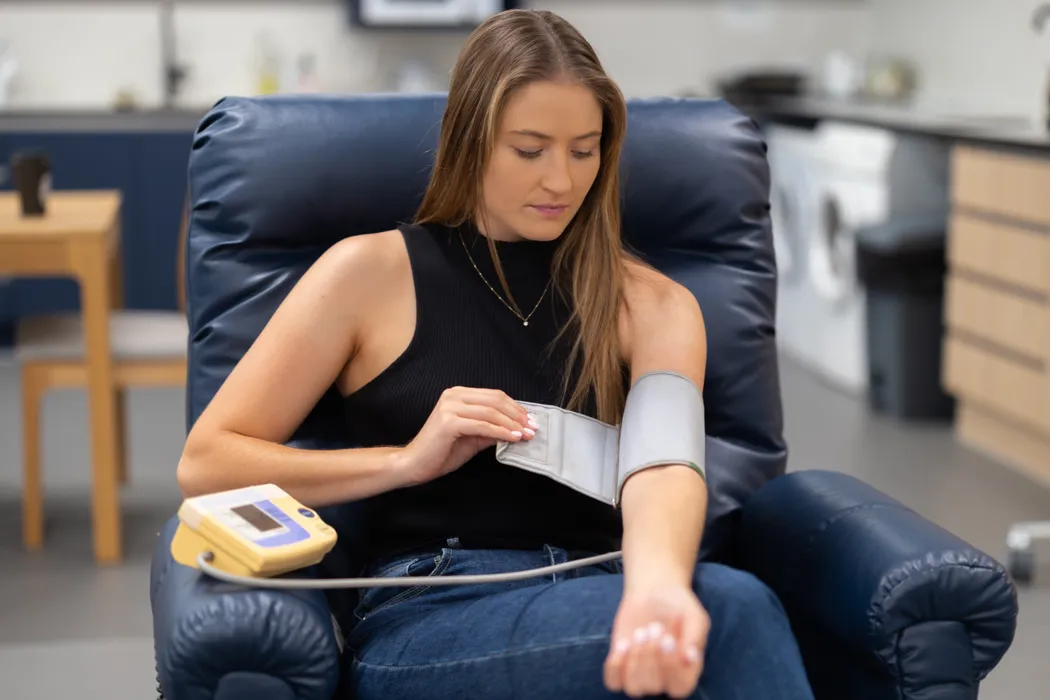
Effective home BP monitoring for diabetics India requires a calm, consistent approach to capture reliable daily BP variations India data.
- Establish a Schedule: Commit to measuring BP at the exact same times every day, typically once in the morning and once in the evening. Consistency is the only way to track true patterns.
- Practice the Relaxation Phase: Sit quietly for five full minutes before applying the cuff, using deep, slow breaths to encourage relaxation. A calm body gives a truer baseline BP reading.
- Record Everything: Use a dedicated logbook or a digital app to record the date, time, systolic, diastolic, and pulse rate. Having a clear log is crucial for your physician.
- Cuff Check: Ensure your cuff is placed on bare skin, centred over the artery, and fits snugly - not too tight and not too loose. A correct cuff size is non-negotiable for accuracy.
- Avoid Crossing Legs: Keep your feet flat on the floor and your back supported, avoiding crossing your legs or talking during the measurement. Posture affects the accuracy of BP changes morning evening India readings.
- Regular Calibration Check: Take your home monitor to your doctor's office periodically to check its calibration against their professional equipment. Accuracy of the device is the foundation of reliable monitoring.
Conclusion
Conclusion
It is completely normal and healthy to see daily BP variations India in your home readings. By understanding the natural rhythm of your body, including the expected BP changes morning evening India, you can turn those fluctuating numbers into valuable health insights. Consistent monitoring, careful technique, and open communication with your doctor are your strongest tools in managing hypertension effectively and protecting your long-term cardiovascular health.

Accusure AS Automatic Digital Blood Pressure Monitor System, 1 Count
₹1265.10(₹1733)

Omron Automatic Blood Pressure Monitor HEM-8712, 1 Count
₹2100.60(₹2334)

Omron Blood Pressure Monitor HEM-7121 J, 1 Count
₹1737(₹2316)

Beurer BM 28 Upper Arm Blood Pressure Monitor Without Adapter, 1 Count
₹1427.80(₹2231)

Dr.Morepen Blood Pressure Monitor BP-15, 1 Count
₹999.60(₹1470)


