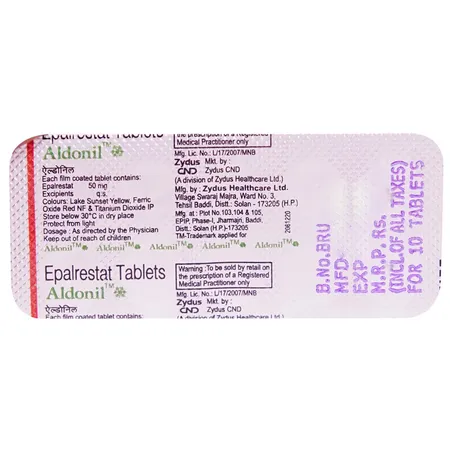
Aldonil Tablet is used to treat diabetic neuropathy, a condition that causes nerve pain in people with diabetes. It helps reduce symptoms such as burning sensation, tingling, numbness, and pain in the hands and feet. Regular use can improve nerve function, enhance comfort, and support a better quality of life by relieving diabetes-related nerve discomfort. It also helps prevent the worsening of nerve damage when taken as prescribed along with proper blood sugar control.
Managing Medication-Triggered malaise (Feeling Unwell): A Step-by-Step Guide:
If you experience persistent or severe malaise (a general feeling of discomfort, illness, or unease) after taking medication, seek medical attention immediately.
Inform your doctor about the medication you're taking and the symptoms you're experiencing.
Your treatment plan may be modified, which may include adjusting the dosage, substituting with an alternative medication, or discontinuing the medication. Additionally, certain lifestyle changes may be recommended to help manage symptoms.
To manage malaise symptoms, follow your doctor's advice, such as getting plenty of rest, staying hydrated, and practicing stress-reducing techniques.
Track your symptoms regularly and report any changes or concerns to your healthcare provider to ensure the malaise is managed effectively.
Dealing with Medication-Induced Headache:
Hydrate your body: Drink enough water to prevent dehydration and headaches.
Calm Your Mind: Deep breathing and meditation can help you relax and relieve stress.
Rest and Recharge: Sleep for 7-8 hours to reduce headache triggers.
Take rest: lie down in a quiet, dark environment.
Cold or warm compresses can help reduce tension.
Stay Upright: Maintain good posture to keep symptoms from getting worse.
To treat headaches naturally, try acupuncture or massage therapy.
Over-the-counter pain relievers include acetaminophen and ibuprofen.
Prescription Assistance: Speak with your doctor about more substantial drug alternatives.
Severe Headaches: Seek emergency medical assistance for sudden, severe headaches.
Frequent Headaches: If you get reoccurring headaches, consult your doctor.
Headaches with Symptoms: Seek medical attention if your headaches include fever, disorientation, or weakness.
Drink water or other clear fluids.
To prevent worsening of pain, limit intake of tea, coffee, or alcohol.
Include bland foods like rice, toast, crackers, and rice in your diet.
Avoid lying down immediately after eating as it may cause indigestion or heartburn.
Avoid acidic and spicy food as it may cause indigestion.
Overcome Medication-Induced Nausea: A 9-Step Plan
Inform your doctor about the nausea and discuss possible alternatives to the medication or adjustments to the dosage.
Divide your daily food intake into smaller, more frequent meals to reduce nausea.
Opt for bland, easily digestible foods like crackers, toast, plain rice, bananas, and applesauce.
Avoid certain foods that can trigger nausea, such as fatty, greasy, spicy, and smelly foods.
Drink plenty of fluids, such as water, clear broth, or electrolyte-rich beverages like coconut water or sports drinks.
Use ginger (tea, ale, or candies) to help relieve nausea.
Get adequate rest and also avoid strenuous activities that can worsen nausea.
Talk to your doctor about taking anti-nausea medication if your nausea is severe.
Record when your nausea occurs, what triggers it, and what provides relief to help you identify patterns and manage your symptoms more effectively.
Managing Medication-Related Skin Allergies: A Step-by-Step Guide
If you experience signs of skin allergies such as redness, itching, or irritation after taking medication, contact your doctor right away.
To alleviate skin allergy symptoms, your doctor may change your medication regimen or offer tailored medication management advice.
Your doctor may recommend or prescribe drugs to relieve discomfort.
Cool compresses or calamine lotion can help relieve redness and itching on the afflicted skin area.
Staying hydrated by consuming plenty of water can help relieve discomfort.
Monitor your skin condition closely and promptly report any changes, worsening symptoms, or concerns to your healthcare provider.
Health Queries
I have diabetes and am experiencing back pain and numbness in my toes. I want to avoid insulin if possible. What treatment may help manage these symptoms?
Dr. S Aneela
M. Pharm (Pharmacology)., PhD
Diabetes, along with back pain and numbness in the toes, may happen because of diabetic nerve involvement, poor blood sugar control, vitamin deficiency, nerve compression in the back, or reduced circulation. Long-term high sugar levels can affect the nerves gradually and may cause tingling, burning, numbness, or reduced sensation in the feet and toes. Treatment usually focuses on improving blood sugar control, protecting the nerves, and reducing pain or numbness. Depending on blood sugar levels and overall health, doctors may adjust diabetes medicines, recommend nerve-support medicines, or advise physiotherapy and exercises for the back. Regular walking, proper foot care, healthy weight control, and avoiding smoking may also help improve circulation and nerve health. Maintaining stable blood sugar may reduce the risk of worsening nerve damage over time. Avoid self-stopping or delaying treatment because uncontrolled diabetes can worsen nerve and kidney complications. Consult your doctor for blood sugar review, vitamin testing, and nerve evaluation before deciding whether insulin can safely be avoided.
What are the causes and treatment options for severe sciatic nerve pain that radiates from the back to the feet?
Y. Lakshmi Thulasi
Pharm-D (Post baccalaureate)
A slipped disc, spinal stenosis, muscle spasms, or arthritis pushing on the sciatic nerve are frequent causes of severe sciatica. Painkillers, physical therapy, posture adjustment, and occasionally nerve-specific medications or injections are all part of the treatment, if recommended by the doctor.
How is osteoarthritis related to nerve pain?
Y. Lakshmi Thulasi
Pharm-D (Post baccalaureate)
Inflammation and joint degeneration brought on by osteoarthritis can irritate or compress surrounding nerves. In addition to joint pain, this nerve involvement may cause burning, tingling, or shooting pain. Frequently, the discomfort gets better with rest and gets worse with movement.
What is sciatica pain, and what are the available treatment options?
Y. Lakshmi Thulasi
Pharm-D (Post baccalaureate)
Indeed, diabetes or early nerve involvement may be linked to severe discomfort, particularly if diabetes is inherited. Worsening can be avoided by getting blood sugar checks and visiting a doctor as soon as possible.
What are the treatment options for nerve-related pain in diabetic patients?
Y. Lakshmi Thulasi
Pharm-D (Post baccalaureate)
Pregabalin, gabapentin, or duloxetine, when recommended by a physician, are used in conjunction with appropriate blood sugar management to alleviate nerve-related discomfort in diabetics. Regular exercise, taking vitamin B supplements, and taking care of your feet can all help lessen symptoms and avoid consequences.
Have a query?
Drug-Drug Interactions
Drug-Drug Interactions: No interactions found/established.
Drug-Food Interactions: No interactions found/established.
Drug-Disease Interactions: No interactions found/established.
No Drug - Drug interactions found in our data. We may lack specific data on this medicine and are actively working to update our database. Consult your doctor for personalized advice
Drug-Drug Interactions
Login/Sign Up
Drug-Food Interactions
No Drug - Food interactions found in our database. Some may be unknown. Consult your doctor for what to avoid during medication.
While we strive to provide complete, accurate, and expert-reviewed content on our 'Platform', we make no warranties or representations and disclaim all responsibility and liability for the completeness, accuracy, or reliability of the aforementioned content. The content on our platform is for informative purposes only, and may not cover all clinical/non-clinical aspects. Reliance on any information and subsequent action or inaction is solely at the user's risk, and we do not assume any responsibility for the same. The content on the Platform should not be considered or used as a substitute for professional and qualified medical advice. Please consult your doctor for any query pertaining to medicines, tests and/or diseases, as we support, and do not replace the doctor-patient relationship.