
Welcome User
Login/Sign Up

Login/Sign Up
₹229.5
(Inclusive of all Taxes)
₹169 with coupons & bank offers*
Get Free delivery (₹99) with
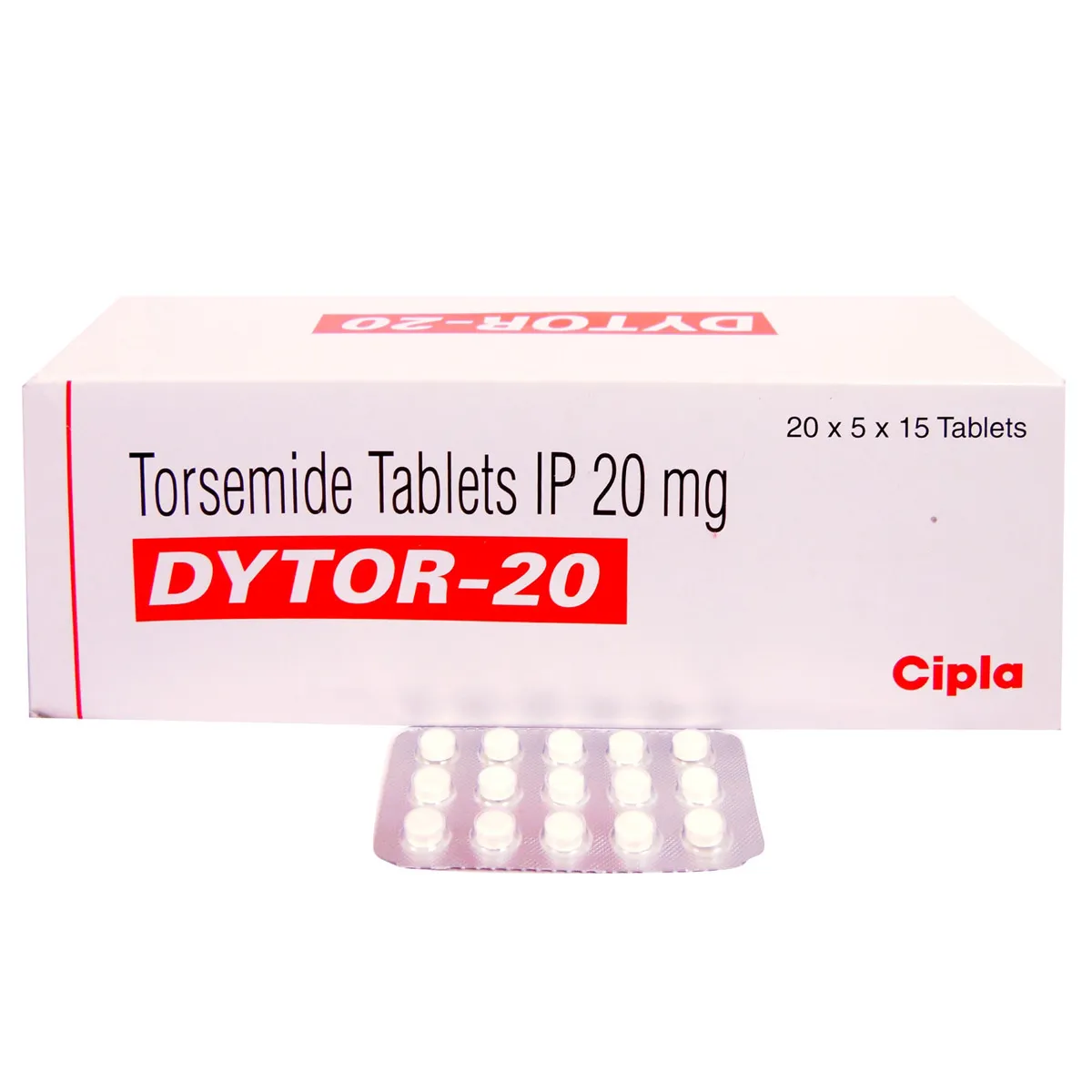
डाइटॉर-20 टैबलेट 15's का उपयोग उच्च रक्तचाप और एडिमा (शरीर में तरल पदार्थ का जमाव) के इलाज के लिए किया जाता है। हाइपरटेंशन का मतलब है उच्च रक्तचाप होना। उच्च रक्तचाप के कारण शरीर में तरल पदार्थ जमा हो सकता है, जिससे हाथों, पैरों और टांगों में सूजन आ सकती है।
डाइटॉर-20 टैबलेट 15's में टॉर्सेमाइड होता है, जो गुर्दों को पेशाब के ज़रिए अतिरिक्त तरल पदार्थ निकालने में मदद करता है और हृदय, लिवर, गुर्दे या फेफड़ों की समस्याओं के कारण होने वाली सूजन को कम करता है।
कुछ मामलों में, आपको कुछ सामान्य दुष्प्रभाव जैसे डिहाइड्रेशन, मतली, चक्कर आना, मांसपेशियों में ऐंठन या मांसपेशियों में कमज़ोरी का अनुभव हो सकता है। इनमें से अधिकांश दुष्प्रभावों के लिए डॉक्टर की सलाह की ज़रूरत नहीं होती है। हालांकि, यदि आपको ये दुष्प्रभाव लगातार महसूस होते हैं, तो अपने डॉक्टर से बात करें।
यदि आपको डाइटॉर-20 टैबलेट 15's से एलर्जी है तो इसे लेने से बचें। बिना डॉक्टर की सलाह के डाइटॉर-20 टैबलेट 15's लेना बंद न करें, क्योंकि इससे रक्तचाप बढ़ सकता है और हृदय रोग या स्ट्रोक का खतरा बढ़ सकता है। यदि आप गुर्दे, लिवर या हृदय रोग से पीड़ित हैं तो अपने डॉक्टर को बताएं। यदि आप गर्भवती हैं या स्तनपान करा रही हैं, तो कृपया अपने डॉक्टर को सूचित करें।
डाइटॉर-20 टैबलेट 15's का उपयोग उच्च रक्तचाप (हाई ब्लड प्रेशर) और एडिमा (सूजन) (जो हृदय, गुर्दे या लिवर की बीमारियों सहित विभिन्न चिकित्सीय समस्याओं के कारण होती है) के इलाज में किया जाता है। डाइटॉर-20 टैबलेट 15's के विस्तृत उपयोग इस प्रकार हैं:
असुरक्षित
आपको डाइटॉर-20 टैबलेट 15's के साथ इलाज के दौरान शराब का सेवन करने से बचना चाहिए, क्योंकि इससे कुछ अवांछित दुष्प्रभाव हो सकते हैं।
कृपया अपने डॉक्टर से सलाह लें।
डाइटॉर-20 टैबलेट 15's का उपयोग गर्भवती महिलाओं को तब तक नहीं करना चाहिए जब तक कि बहुत ज़रूरी न हो। इसलिए, यदि आप गर्भवती हैं या गर्भधारण की योजना बना रही हैं, तो कृपया अपने डॉक्टर से सलाह लें।
कृपया अपने डॉक्टर से सलाह लें।
डाइटॉर-20 टैबलेट 15's का उपयोग स्तनपान कराने वाली माताओं को तब तक नहीं करना चाहिए जब तक कि यह बहुत आवश्यक न हो। इसलिए, यदि आप स्तनपान करा रही हैं, तो अपने डॉक्टर से सलाह लें।
असुरक्षित
डाइटॉर-20 टैबलेट 15's लेने के बाद गाड़ी चलाने से बचें, क्योंकि इससे आपको नींद या चक्कर आ सकते हैं।
सावधानी
डाइटॉर-20 टैबलेट 15's का उपयोग सावधानी से करना चाहिए, खासकर यदि आपको लिवर की बीमारी का इतिहास रहा हो, क्योंकि इलेक्ट्रोलाइट असंतुलन में अचानक बदलाव से हेपेटिक कोमा हो सकता है।
सावधानी
डाइटॉर-20 टैबलेट 15's का इस्तेमाल सावधानी से करें, खासकर अगर आपको किडनी की बीमारी का इतिहास रहा हो। आपकी वर्तमान किडनी की स्थिति के आधार पर आपके Doctor द्वारा खुराक में बदलाव किया जा सकता है।
असुरक्षित
डाइटॉर-20 टैबलेट 15's को 16 साल से कम उम्र के बच्चों में इस्तेमाल करने की सलाह नहीं दी जाती है, क्योंकि इस दवा की सुरक्षा और असर अभी तक स्थापित नहीं हुए हैं।
सावधानी
मरीज़ों को, जिन्हें दिल से जुड़ी कोई समस्या है, उन्हें डाइटॉर-20 टैबलेट 15's का इस्तेमाल सावधानी से करना चाहिए। अगर आपको पहले से कोई दिल की बीमारी है, तो डाइटॉर-20 टैबलेट 15's का इस्तेमाल करने से पहले अपने Doctor को ज़रूर बताएं।
सावधानी
डाइटॉर-20 टैबलेट 15's को बुजुर्ग मरीजों को देते समय सावधानी बरतनी चाहिए, क्योंकि उनमें साइड इफेक्ट्स का खतरा बढ़ सकता है। यदि आपको कोई चिंता हो, तो कृपया डॉक्टर से सलाह लें।
Have a query?
Login/Sign Up
Login/Sign Up
Disclaimer
Recommended for a 30-day course: 2 Strips


