apollo
logo
0
Select Delivery Location
prescriptionPrescription Medicine

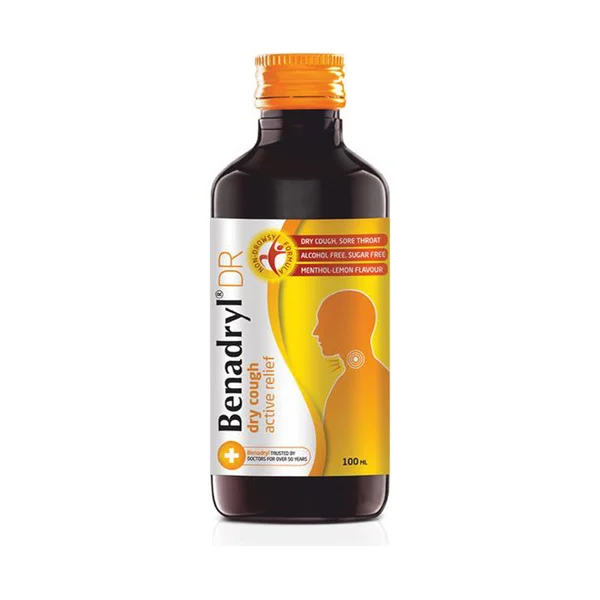
Benadryl DR Syrup is used to relieve cough due to minor throat irritation associated with cold or inhaled irritants. It contains dextromethorphan hydrobromide, which works by blocking the cough receptor present in the brain, which is known to cause cough. In some cases, it may cause side effects like nausea, vomiting, dizziness, drowsiness and constipation. Before starting Benadryl DR Syrup, let the doctor know if you are pregnant, breastfeeding, taking other medicines or have other medical conditions.

Read more
Written By ,
Reviewed By Santoshini Reddy G , M Pharmacy
OffersOffers & Discounts

Get Free delivery (₹99) with circle icon

Join Circle
coupon
Get 18% Off with Coupons
coupon
coupon
coupon
Extra 10% Off with Bank Offers

More about the Product

Manufacturer/Marketer :

Johnson & Johnson Pvt Ltd

Consume Type :

Oral

Expires on or after :

Jan-27

Return Policy :

Not Returnable

About Benadryl DR Syrup

Benadryl DR Syrup is used to relieve cough due to minor throat irritation associated with cold or inhaled irritants. Coughing is a natural reflex that helps remove irritants, such as allergens, mucus, or smoke, from the airways and prevents infections.

Benadryl DR Syrup contains Dextromethorphan hydrobromide, which works by blocking the cough receptor present in the brain, which is known to cause cough.

In some cases, Benadryl DR Syrup may cause side effects such as nausea, vomiting, dizziness, drowsiness, and constipation. Most of these side effects do not require medical attention and typically resolve on their own over time. However, if the side effects persist or worsen, please consult your doctor.

Do not take Benadryl DR Syrup if you are allergic to any of its components. Consult the doctor if you are pregnant or breastfeeding. Benadryl DR Syrup should be given to children only if prescribed by the doctor.

Uses of Benadryl DR Syrup

Benadryl DR Syrup is used to relieve a cough. The detailed uses of Benadryl DR Syrup are as follows:

  • Relief from dry cough: Benadryl DR Syrup provides temporary relief from dry cough caused by allergic reactions or irritants in the air.
  • Soothing an irritated throat: Benadryl DR Syrup helps to soothe the throat and reduce the urge to cough, allowing for better sleep during nighttime cough episodes.
  • Cough suppressant: Benadryl DR Syrup is involved in easing symptoms of dry, non-productive coughs caused by colds or environmental irritants like smoke, dust, or pollutants.

Have a query?

Directions for Use

  • Benadryl DR Syrup can be taken with or without food. However, if stomach upset occurs, take it with food.
  • Follow your doctor's instructions on the dosage and timing of this medication.
  • Place the lozenge in the mouth and allow it to dissolve slowly.
  • Do not crush, chew or swallow as a whole.

Key Benefits

  • Benadryl DR Syrup is used to relieve cough due to minor throat/bronchial irritation associated with cold or inhaled irritants.
  • Benadryl DR Syrup contains Dextromethorphan hydrobromide, a cough suppressant.
  • It works by blocking the cough receptor present in the brain, which is known to cause cough.

How Benadryl DR Syrup Works

Benadryl DR Syrup contains Dextromethorphan hydrobromide, a cough suppressant. It works by blocking the cough receptor present in the brain, which is known to cause cough.

Storage

Store in a cool and dry place away from sunlight
Side effects of Benadryl DR Syrup, 100 ml
Overcome Medication-Induced Nausea: A 9-Step Plan
  • Inform your doctor about the nausea and discuss possible alternatives to the medication or adjustments to the dosage.
  • Divide your daily food intake into smaller, more frequent meals to reduce nausea.
  • Opt for bland, easily digestible foods like crackers, toast, plain rice, bananas, and applesauce.
  • Avoid certain foods that can trigger nausea, such as fatty, greasy, spicy, and smelly foods.
  • Drink plenty of fluids, such as water, clear broth, or electrolyte-rich beverages like coconut water or sports drinks.
  • Use ginger (tea, ale, or candies) to help relieve nausea.
  • Get adequate rest and also avoid strenuous activities that can worsen nausea.
  • Talk to your doctor about taking anti-nausea medication if your nausea is severe.
  • Record when your nausea occurs, what triggers it, and what provides relief to help you identify patterns and manage your symptoms more effectively.
To prevent, manage, and treat Constipation caused by medication usage, follow these steps:
  • Preventing Vomiting (Before it Happens)
  • Take medication exactly as prescribed by your doctor. This can help minimize side effects, including vomiting.
  • Having a small meal before taking your medication can help reduce nausea and vomiting.
  • Talk to your doctor about taking anti-nausea medication along with your prescribed medication.
  • Managing Vomiting (If it Happens)
  • Try taking ginger in the form of tea, ale, or candy to help alleviate nausea and vomiting.
  • What to Do if Vomiting Persists
  • Consult your doctor if vomiting continues or worsens, consult the doctor for guidance on adjusting your medication or additional treatment.
Here are the steps to cope with constipation as a side effect of medication:
  • Inform your doctor about your constipation symptoms. They may adjust your medication or advise alternative treatments.
  • Stay hydrated by drinking sufficient of water (at least 8-10 glasses a day) to help soften stool and promote bowel movements.
  • Increase fibre intake by eating foods high in fibre, such as fruits, whole grains, vegetables and legumes, to help bulk up the stool.
  • Establish a bowel routine by trying to go to the bathroom at the same time each day to train your bowels.
  • Engaging in regular exercise, like walking or yoga, can support in bowel movement stimulation.
  • Consult your doctor if constipation persists, and discuss alternative treatments or adjustments to your medication.
  • Get enough sleep. Maintain a regular sleep cycle.
  • Eat a healthy diet and exercise regularly.
  • Manage stress with yoga or meditation.
  • Limit alcohol and caffeine.
  • Avoid driving or operating machinery unless you are alert.
Here are the 7 steps to manage Dizziness caused by medication:
  • Inform your doctor about dizziness symptoms. They may adjust your medication regimen or prescribe additional medications to manage symptoms.
  • Follow your doctor's instructions for taking medication, and take it at the same time every day to minimize dizziness.
  • When standing up, do so slowly and carefully to avoid sudden dizziness.
  • Avoid making sudden movements, such as turning or bending quickly, which can exacerbate dizziness.
  • Drink plenty of water throughout the day to stay hydrated and help alleviate dizziness symptoms.
  • If you're feeling dizzy, sit or lie down and rest until the dizziness passes.
  • Track when dizziness occurs and any factors that may trigger it, and share this information with your doctor to help manage symptoms.
  • Avoid driving or operating machinery or activities that require high focus until you know how the medication affects you.
  • Maintain a fixed sleeping schedule, create a relaxing bedtime routine and ensure your sleeping space is comfortable to maximize your sleep quality.
  • Limit alcohol and caffeine as these may worsen drowsiness and disturb sleep patterns.
  • Drink plenty of water as it helps with alertness and keeps you hydrated and for overall well-being.
  • Moderate physical activity can improve energy levels, but avoid intense workouts right before bedtime.
  • Confusion is a major psychotic disorder that needs immediate medical attention.
  • Acknowledge your experience and put effort to control confusion.
  • Avoid smoking and alcohol intake as it can worsen the condition and increase your confusion.
  • Practice meditation and yoga to avoid anxiety, which can be one of the leading causes.
  • Talk to your dietician and consume food that can improve your mental health.

What if I have taken an overdose of Benadryl DR Syrup

Take Benadryl DR Syrup only as prescribed by the physician. Do not exceed the recommended dose, as it might cause an overdose. If you experience any unusual symptoms or suspect you have taken an overdose, seek immediate medical attention.

Drug Warnings

  • Do not take Benadryl DR Syrup if you are allergic to any of its components.
  • Consult the doctor if you are pregnant or breastfeeding.
  • If your condition does not improve even after using Benadryl DR Syrup for 7 days, recurs, or is accompanied by fever and rash, please consult a doctor, as this could be a serious issue.
  • Inform the doctor if you have phenylketonuria, a long-term cough caused by smoking, asthma, or emphysema, a cough with mucus, or have taken antidepressants/monoamine oxidase inhibitors in the past 2 weeks.
  • Avoid taking Benadryl DR Syrup for a prolonged period or exceeding the recommended dosage.

Drug-Drug Interactions

verifiedApollotooltip
DextromethorphanIsocarboxazid
Critical
Critical

Drug-Drug Interactions

Login/Sign Up

DextromethorphanIsocarboxazid
Critical
How does the drug interact with Benadryl DR Syrup, 100 ml:
Co-administration of Isocarboxazid with Benadryl DR Syrup, 100 ml can increase the risk of serotonin syndrome (A condition in which a chemical called serotonin builds up in your body).

How to manage the interaction:
Taking Benadryl DR Syrup, 100 ml and Isocarboxazid can lead to an interaction. However, if you experience any symptoms like confusion, hallucination, seizure, changes in blood pressure, increased heart rate, fever, excessive sweating, shivering or shaking, blurred vision, muscle stiffness, tremors, stomach cramps, nausea, vomiting, and diarrhea, consult a doctor immediately. Do not stop using any medications without a doctor's advice.
Critical
How does the drug interact with Benadryl DR Syrup, 100 ml:
Co-administration of Phenelzine and Benadryl DR Syrup, 100 ml can increase the risk of serotonin syndrome (A condition in which a chemical called serotonin builds up in your body).

How to manage the interaction:
Co-administration of Phenelzine and Benadryl DR Syrup, 100 ml can lead to an interaction. However, if you experience any symptoms like confusion, hallucination, seizure, changes in blood pressure, increased heart rate, fever, excessive sweating, shivering or shaking, blurred vision, muscle stiffness, tremors, stomach cramps, nausea, vomiting, and diarrhea, consult a doctor immediately. Do not stop using any medications without a doctor's advice.
How does the drug interact with Benadryl DR Syrup, 100 ml:
Taking Rasagiline with Benadryl DR Syrup, 100 ml can increase the risk of serotonin syndrome (A condition in which a chemical called serotonin increase in your body).

How to manage the interaction:
Taking Benadryl DR Syrup, 100 ml with Rasagiline is not recommended as it can possibly result in an interaction, it can be taken if a doctor has advised it. If you notice any of these symptoms like confusion, hallucination, fits, extreme changes in blood pressure, increased heart rate, fever, excessive sweating, shivering or shaking, blurred vision, muscle spasm or stiffness, shaking, incoordination, stomach cramps, nausea, vomiting, and diarrhea, consult a doctor. Do not discontinue any medications without consulting a doctor.
How does the drug interact with Benadryl DR Syrup, 100 ml:
Co-administration of Benadryl DR Syrup, 100 ml and Procarbazine may increase the risk of serotonin syndrome (a condition in which a chemical called serotonin builds up in your body).

How to manage the interaction:
Co-administration of Procarbazine with Benadryl DR Syrup, 100 ml can possibly result in an interaction, but it can be taken if a doctor has advised it. If you notice any of these symptoms - confusion, hallucination, seizure, increased heart rate, fever, excessive sweating, shivering, shaking, blurred vision, muscle spasm, stiffness, incoordination, stomach cramps, nausea, vomiting, or diarrhea - make sure to contact a doctor right away. Do not stop using any medications without talking to a doctor.
How does the drug interact with Benadryl DR Syrup, 100 ml:
Co-administration of Benadryl DR Syrup, 100 ml and Selegiline may increase the risk of serotonin syndrome (a condition in which a chemical called serotonin builds up in your body).

How to manage the interaction:
Co-administration of Selegiline with Benadryl DR Syrup, 100 ml can possibly result in an interaction, but it can be taken if a doctor has advised it. If you notice any of these symptoms - confusion, hallucination, fits, increased heart rate, fever, excessive sweating, shivering, shaking, blurred vision, muscle spasm, stiffness, incoordination, stomach cramps, nausea, vomiting, or diarrhea - make sure to contact a doctor right away. Do not stop using any medications without talking to a doctor.
How does the drug interact with Benadryl DR Syrup, 100 ml:
Taking Tranylcypromine with Benadryl DR Syrup, 100 ml can increase the risk of serotonin syndrome (a condition in which a chemical called serotonin increases in your body).

How to manage the interaction:
Taking Benadryl DR Syrup, 100 ml with Tranylcypromine is not recommended, but can be taken together if prescribed by a doctor. However, consult a doctor if you experience confusion, hallucination(seeing and hearing things that do not exist), fit blood pressure alteration, increased heart rate, fever, excessive sweating, shivering or shaking, blurred vision, pain in the muscles or stiffness, incoordination, stomach cramps, nausea, vomiting, and diarrhea. Do not discontinue any medications without consulting a doctor.
Critical
How does the drug interact with Benadryl DR Syrup, 100 ml:
Co-administration of Pargyline and Benadryl DR Syrup, 100 ml can increase the risk of serotonin syndrome (A condition in which a chemical called serotonin builds up in your body).

How to manage the interaction:
Co-administration of Benadryl DR Syrup, 100 ml and Pargyline can lead to an interaction. However, if you experience any symptoms like confusion, hallucination, seizure, changes in blood pressure, increased heart rate, fever, excessive sweating, shivering or shaking, blurred vision, muscle stiffness, tremors, stomach cramps, nausea, vomiting, and diarrhea, consult a doctor immediately. Do not stop using any medications without a doctor's advice.
How does the drug interact with Benadryl DR Syrup, 100 ml:
Co-administration of Benadryl DR Syrup, 100 ml with Buspirone can increase the risk of serotonin syndrome. (A condition in which a chemical called serotonin builds up in your body).

How to manage the interaction:
Co-administration of Buspirone along with Benadryl DR Syrup, 100 ml can lead to an interaction, it can be taken if recommended by a doctor. However, if you experience symptoms such as confusion, hallucination, seizure, extreme changes in blood pressure, increased heart rate, fever, excessive sweating, shivering or shaking, blurred vision, muscle spasm or stiffness, incoordination, stomach pain, nausea, vomiting, and diarrhea, consult the doctor. Do not discontinue any medications without consulting a doctor.
Severe
How does the drug interact with Benadryl DR Syrup, 100 ml:
Co-administration of Benadryl DR Syrup, 100 ml and Quinidine may increase the effects of Benadryl DR Syrup, 100 ml.

How to manage the interaction:
Although there is a possible interaction between Benadryl DR Syrup, 100 ml and Quinidine, you can take these medicines together if prescribed by a doctor. However, if you experience drowsiness, difficulty breathing, dizziness, restless feeling, anxiety, nervousness, confusion, or diarrhea, contact a doctor. Do not discontinue the medication without consulting a doctor.
How does the drug interact with Benadryl DR Syrup, 100 ml:
Co-administration of Benadryl DR Syrup, 100 ml and Vilazodone may increase the risk of serotonin syndrome (A condition in which a chemical called serotonin builds up in your body).

How to manage the interaction:
Although there is a possible interaction between Benadryl DR Syrup, 100 ml and Vilazodone, you can take these medicines together if prescribed by a doctor. However, if you experience symptoms such as seizures (fits), extreme changes in blood pressure, confusion, hallucination, increased heart rate, fever, excessive sweating, shivering or shaking, tremor, incoordination, blurred vision, muscle spasm or stiffness, nausea, vomiting, stomach cramp, and diarrhoea, contact a doctor immediately. Do not discontinue the medications without consulting a doctor.

Drug-Food Interactions

verifiedApollotooltip
No Drug - Food interactions found in our database. Some may be unknown. Consult your doctor for what to avoid during medication.

Drug-Food Interactions

Login/Sign Up

Diet & Lifestyle Advise

  • Wash your hands with soap and water regularly to prevent the spread of germs.
  • Eat plenty of foods rich in good bacteria, like yoghurt, to improve overall health.
  • Drink plenty of fluids to avoid dehydration.
  • Gargle with salt water for relief from a sore throat.
  • Do not smoke, as it might worsen your symptoms.
  • Avoid alcohol consumption as it may cause tiredness, drowsiness, or lack of concentration.

Habit Forming

No

Therapeutic Class

[ANTITUSSIVE]

All Substitutes & Brand Comparisons

bannner image

Alcohol

Consult your doctor

It is not known if alcohol affects Benadryl DR Syrup. Please consult a doctor before consuming alcohol with Benadryl DR Syrup.

bannner image

Pregnancy

Consult your doctor

Please consult the doctor if you are pregnant. Benadryl DR Syrup should be used during pregnancy only if the benefits outweigh the risks.

bannner image

Breast Feeding

Consult your doctor

Please consult the doctor if you are breastfeeding. Benadryl DR Syrup should be used during lactation only if the benefits outweigh the risks.

bannner image

Driving

Caution

Benadryl DR Syrup may cause drowsiness in some people. Therefore, drive only if you are alert after taking Benadryl DR Syrup.

bannner image

Liver

Consult your doctor

Please consult the doctor if you have any concerns regarding the usage of Benadryl DR Syrup in people with liver problems.

bannner image

Kidney

Consult your doctor

Please consult a doctor if you have any concerns about using Benadryl DR Syrup in individuals with kidney problems.

bannner image

Children

Consult your doctor

Benadryl DR Syrup should be given to children only if prescribed by a child specialist. Please consult the doctor if you have any concerns.

bannner image

Heart

Safe if prescribed

Benadryl DR Syrup is generally considered safe for patients with heart problems when used as directed by the doctor. However, please consult your doctor if you have any concerns.

bannner image

Geriatrics

Safe if prescribed

Benadryl DR Syrup is generally considered safe for use in geriatric people, it is crucial to take significant precautions because of sensitivities related to aging and the possibility of drug interactions.

FAQs

Benadryl DR Syrup is used to relieve cough due to minor throat/bronchial irritation associated with cold or inhaled irritants.

Benadryl DR Syrup works by blocking the cough receptor present in the brain, which is known to cause cough.

To treat your condition effectually, continue taking Benadryl DR Syrup for as long as your doctor has prescribed. Do not be reluctant to speak with your doctor if your condition does not improve or if you experience any difficulty whilst taking Benadryl DR Syrup.

Benadryl DR Syrup may cause drowsiness. So, operating any machinery or driving a car, doing an activity that requires concentration and alertness, should be avoided unless you are alert.

It is not recommended to take Benadryl DR Syrup along with any antidepressant medication, as it can lead to unpleasant side effects or drug interactions. Additionally, Benadryl DR Syrup should be taken at least 14 days after your last dose of antidepressants, especially monoamine oxidase inhibitors (MAOIs).

Benadryl DR Syrup may cause drowsiness/sleepiness. Hence, drive or operate machinery only if you are alert.

No, Benadryl DR Syrup is not a steroid, opiate, antihistamine, narcotic, NSAID, controlled substance, or contains alcohol or codeine. It's an antitussive medication.

Yes, Benadryl DR Syrup is safe if taken in the dose and duration prescribed by the doctor.

It is advisable to consult a doctor before taking Benadryl DR Syrup with other medications to prevent any unpleasant side effects or interactions.

No, Benadryl DR Syrup is not an antibiotic. It is an antitussive agent used to relieve coughing.

Yes, Benadryl DR Syrup is good for a dry cough. It treats dry cough by blocking the cough receptor present in the brain.

Yes, Benadryl DR Syrup helps clear the throat and soothe a cough.

The side effects of Benadryl DR Syrup include nausea, vomiting, dizziness, drowsiness and constipation. Most of these side effects do not require medical attention and typically resolve on their own over time. However, if the side effects persist or worsen, please consult your doctor.

Country of origin

India

Manufacturer/Marketer address

Corporate Communications, Johnson & Johnson Private Limited., 501 Arena Space, Behind Majas Bus Depot, Off Jogeshwari Vikhroli Link Road, Jogeshwari (E), Mumbai 400 060
Other Info - BEN0255

Disclaimer

While we strive to provide complete, accurate, and expert-reviewed content on our 'Platform', we make no warranties or representations and disclaim all responsibility and liability for the completeness, accuracy, or reliability of the aforementioned content. The content on our platform is for informative purposes only, and may not cover all clinical/non-clinical aspects. Reliance on any information and subsequent action or inaction is solely at the user's risk, and we do not assume any responsibility for the same. The content on the Platform should not be considered or used as a substitute for professional and qualified medical advice. Please consult your doctor for any query pertaining to medicines, tests and/or diseases, as we support, and do not replace the doctor-patient relationship.
whatsapp Floating Button
Buy Now
Add to Cart