apollo
logo
0
Select Delivery Location
prescription
Prescription Medicine
info

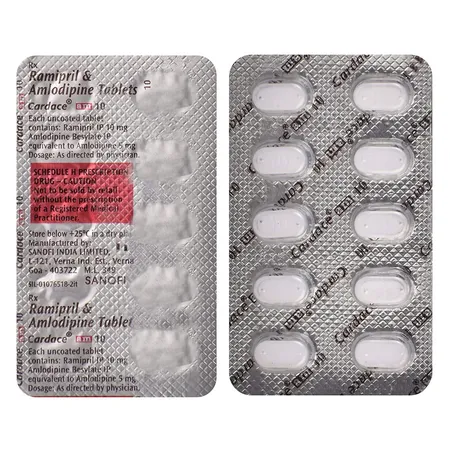
Cardace AM Tablet is used to treat hypertension (high blood pressure). It contains Amlodipine and Ramipril, which relaxes and widens the blood vessels making it easier for the heart to pump blood throughout the body, thereby lowering blood pressure. It also improves blood supply to the heart muscle to receive more oxygen and thus preventing chest pain. In some cases, you may experience blurred vision, sweating, confusion, tiredness, stomach upset, flushing (sense of warmth in the face, ears, neck and trunk), dizziness, headache and swelling of the ankles or feet. Before taking this medicine, you should tell your doctor if you are allergic to any of its components or if you are pregnant/breastfeeding, and about all the medications you are taking and pre-existing medical conditions.

Read more
Written By Santoshini Reddy G , M Pharmacy
Reviewed By Bayyarapu Mahesh Kumar , M Pharmacy
OffersOffers & Discounts

Get Free delivery (₹99) with circle icon

Join Circle
Get Extra 18% Off with Coupons
Extra 10% Off with Bank Offers
bank offer
bank offer
bank offer

More about the Product

Manufacturer/Marketer :

Sanofi India Ltd

Consume Type :

Oral

Expires on or after :

Jan-27

Return Policy :

Not Returnable

About Cardace AM Tablet

Cardace AM Tablet is a combination prescription medicine used to treat high blood pressure (hypertension). By lowering elevated blood pressure, this medication helps reduce the risk of serious cardiovascular events, such as heart attacks and strokes. It is typically prescribed to patients whose blood pressure is not fully controlled by a single medication alone.

To get the most benefit, you should take Cardace AM Tablet once daily at the same time every day. You can take this medicine with or without food, but keeping a consistent routine is highly recommended. Incorporating positive lifestyle choices, such as eating a low-salt diet and staying physically active, will further support the effectiveness of your treatment.

Some people may experience mild side effects while taking this medicine, including dizziness, a persistent dry cough, or mild ankle swelling. However, if you develop severe symptoms like swelling of your face, lips, or throat, or a yellowing of your skin or eyes, you must seek medical help immediately. Always consult your doctor if you experience any unusual or worsening symptoms.

Talk to your doctor before starting Cardace AM Tablet if you have a history of kidney disease, liver problems, severe dehydration, or diabetes. Do not take this if you are pregnant, planning to become pregnant, or have a history of severe allergic swelling (angioedema), as it can cause serious complications or harm to an unborn baby.

This medicine can interact with several other substances. For instance, taking it with potassium supplements, certain pain relievers, or other blood pressure treatments can cause health risks, while drinking alcohol may worsen dizziness. If you are breastfeeding, elderly, or have upcoming surgeries, talk to your doctor or pharmacist to ensure this medicine is safe for your specific situation.


Uses of Cardace AM Tablet

Cardace AM Tablet is used to treat high blood pressure (hypertension). The detailed uses of Cardace AM Tablet are as follows:

  • High blood pressure (Hypertension): Cardace AM Tablet relaxes and widens your blood vessels, allowing blood to flow more smoothly and keeping your blood pressure within a healthy range.
  • Reduction of cardiovascular risk: By maintaining controlled blood pressure, this medication lowers your chances of experiencing life-threatening events like strokes or heart attacks.
     

Key Benefits

Cardace AM Tablet helps manage high blood pressure by providing effective, long-lasting blood pressure control. By combining two blood pressure-lowering medicines in a single tablet, it supports cardiovascular health while simplifying daily treatment.

  • Helps Maintain Healthy Blood Pressure Levels: By working through two complementary mechanisms, Cardace AM Tablet helps lower and maintain blood pressure within a healthy range, reducing strain on the heart and blood vessels.
  • Supports Long-Term Heart, Brain, and Kidney Health: Consistent blood pressure control with Cardace AM Tablet helps reduce the risk of complications such as heart attack, stroke, heart failure, and kidney damage, protecting vital organs from the long-term effects of hypertension.
  • Offers Convenient Combination Therapy: By combining two antihypertensive medicines into a single daily tablet, Cardace AM Tablet simplifies your treatment routine, supports better medication adherence, and helps maintain reliable blood pressure control over the long term.
     
Side effects of Cardace AM 10 Tablet
Managing Low Blood Pressure Triggered by Medication: Expert Advice:
  • If you experience low blood pressure symptoms like dizziness, lightheadedness, or fainting while taking medication, seek immediate medical attention.
  • Make lifestyle modifications and adjust your medication regimen under medical guidance to manage low blood pressure.
  • As your doctor advises, regularly check your blood pressure at home. Record your readings to detect any changes and share them with your doctor.
  • Fluid intake plays a vital role in managing blood pressure by maintaining blood volume, regulating blood pressure, and supporting blood vessel function. Drinking enough fluids helps prevent dehydration, maintain electrolyte balance, and regulate fluid balance.
  • Take regular breaks to sit or lie down if you need to stand for long periods.
  • When lying down, elevate your head with extra pillows to help improve blood flow.
  • Avoid heavy exercise or strenuous activities that can worsen low blood pressure.
  • Wear compression socks as your doctor advises to enhance blood flow, reduce oedema, and control blood pressure.
  • If symptoms persist or worsen, or if you have concerns about your condition, seek medical attention for personalized guidance and care.
Here are the steps to manage the medication-triggered Cough:
  • Tell your doctor about the cough symptoms you're experiencing, which may be triggered by your medication.
  • Your doctor may adjust your treatment plan by changing your medication, adding new medications, or providing guidance on managing your cough symptoms.
  • Practice good hygiene, including frequent handwashing, avoiding close contact with others, and avoiding sharing utensils or personal items.
  • Stay hydrated by drinking plenty of fluids, such as water, tea, or soup, to help thin out mucus and soothe your throat.
  • Get plenty of rest and engage in stress-reducing activities to help your body recover. If your cough persists or worsens, consult your doctor for further guidance.
Dealing with Medication-Induced Headache:
  • Hydrate your body: Drink enough water to prevent dehydration and headaches.
  • Calm Your Mind: Deep breathing and meditation can help you relax and relieve stress.
  • Rest and Recharge: Sleep for 7-8 hours to reduce headache triggers.
  • Take rest: lie down in a quiet, dark environment.
  • Cold or warm compresses can help reduce tension.
  • Stay Upright: Maintain good posture to keep symptoms from getting worse.
  • To treat headaches naturally, try acupuncture or massage therapy.
  • Over-the-counter pain relievers include acetaminophen and ibuprofen.
  • Prescription Assistance: Speak with your doctor about more substantial drug alternatives.
  • Severe Headaches: Seek emergency medical assistance for sudden, severe headaches.
  • Frequent Headaches: If you get reoccurring headaches, consult your doctor.
  • Headaches with Symptoms: Seek medical attention if your headaches include fever, disorientation, or weakness.
Here are the 7 steps to manage Dizziness caused by medication:
  • Inform your doctor about dizziness symptoms. They may adjust your medication regimen or prescribe additional medications to manage symptoms.
  • Follow your doctor's instructions for taking medication, and take it at the same time every day to minimize dizziness.
  • When standing up, do so slowly and carefully to avoid sudden dizziness.
  • Avoid making sudden movements, such as turning or bending quickly, which can exacerbate dizziness.
  • Drink plenty of water throughout the day to stay hydrated and help alleviate dizziness symptoms.
  • If you're feeling dizzy, sit or lie down and rest until the dizziness passes.
  • Track when dizziness occurs and any factors that may trigger it, and share this information with your doctor to help manage symptoms.
Overcome Medication-Induced Nausea: A 9-Step Plan
  • Inform your doctor about the nausea and discuss possible alternatives to the medication or adjustments to the dosage.
  • Divide your daily food intake into smaller, more frequent meals to reduce nausea.
  • Opt for bland, easily digestible foods like crackers, toast, plain rice, bananas, and applesauce.
  • Avoid certain foods that can trigger nausea, such as fatty, greasy, spicy, and smelly foods.
  • Drink plenty of fluids, such as water, clear broth, or electrolyte-rich beverages like coconut water or sports drinks.
  • Use ginger (tea, ale, or candies) to help relieve nausea.
  • Get adequate rest and also avoid strenuous activities that can worsen nausea.
  • Talk to your doctor about taking anti-nausea medication if your nausea is severe.
  • Record when your nausea occurs, what triggers it, and what provides relief to help you identify patterns and manage your symptoms more effectively.
To prevent, manage, and treat Constipation caused by medication usage, follow these steps:
  • Preventing Vomiting (Before it Happens)
  • Take medication exactly as prescribed by your doctor. This can help minimize side effects, including vomiting.
  • Having a small meal before taking your medication can help reduce nausea and vomiting.
  • Talk to your doctor about taking anti-nausea medication along with your prescribed medication.
  • Managing Vomiting (If it Happens)
  • Try taking ginger in the form of tea, ale, or candy to help alleviate nausea and vomiting.
  • What to Do if Vomiting Persists
  • Consult your doctor if vomiting continues or worsens, consult the doctor for guidance on adjusting your medication or additional treatment.
Here are the 7 steps to manage Dizziness caused by medication:
  • Inform your doctor about dizziness symptoms. They may adjust your medication regimen or prescribe additional medications to manage symptoms.
  • Follow your doctor's instructions for taking medication, and take it at the same time every day to minimize dizziness.
  • When standing up, do so slowly and carefully to avoid sudden dizziness.
  • Avoid making sudden movements, such as turning or bending quickly, which can exacerbate dizziness.
  • Drink plenty of water throughout the day to stay hydrated and help alleviate dizziness symptoms.
  • If you're feeling dizzy, sit or lie down and rest until the dizziness passes.
  • Track when dizziness occurs and any factors that may trigger it, and share this information with your doctor to help manage symptoms.

Directions for Use

  • Cardace AM Tablet can be taken with or without food as advised by your doctor.
  • Follow your doctor's instructions on the dosage and timing of this medication to ensure safety.
  • Swallow Cardace AM Tablet as a whole with a glass of water.
  • Do not chew, crush, or break it.

How Cardace AM Tablet Works

Cardace AM Tablet works through the coordinated actions of its two active ingredients, which target blood pressure in different ways. The first active ingredient, amlodipine, is a calcium channel blocker. It works by relaxing the muscle cells in the walls of your blood vessels. This relaxation allows the blood vessels to widen, which lowers the pressure inside them and makes it easier for your heart to pump blood throughout your body. The second active ingredient, ramipril, is an ACE inhibitor. It stops your body from producing a natural chemical that causes blood vessels to constrict and narrow. By blocking this chemical, the blood vessels remain relaxed and open, which further reduces blood pressure and decreases the workload on your heart.
bannner image

Alcohol

Caution

Alcohol may lower your blood pressure. It would help if you avoided or limit consuming alcohol.

bannner image

Pregnancy

Caution

It is advised to seek medical advice before using Cardace AM Tablet if you plan to conceive or a pregnant before using Cardace AM Tablet .

bannner image

Breast Feeding

Caution

There are limited studies on how Cardace AM Tablet affects breastfed infants. Please consult your doctor before using Cardace AM Tablet if you are a lactating mother.

bannner image

Driving

Caution

Cardace AM Tablet may cause side effects due to lowering of the blood pressure such as dizziness or tiredness. If you feel dizzy or tired when taking this medicine, do not drive or use any tools or machines.

bannner image

Liver

Caution

Let your doctor know if you have any history of liver diseases before using Cardace AM Tablet . Cardace AM Tablet is to be administered with caution in patients with severe hepatic impairment.

bannner image

Kidney

Caution

Let your doctor know if you have any history of kidney diseases before using Cardace AM Tablet . Cardace AM Tablet is primarily eliminated by the kidney and can be accumulated in patients with renal impairment.

bannner image

Children

Unsafe

Cardace AM Tablet is not recommended for use in children as the efficacy and safety has not been established.

bannner image

Heart

Safe if prescribed

Cardace AM Tablet is generally safe for heart patients if prescribed, but should be used under medical supervision.

bannner image

Geriatrics

Caution

Elderly patients may require caution and dose adjustments, as Cardace AM Tablet may increase the risk of side effects.

What if I have taken an overdose of Cardace AM Tablet

If you take more than your prescribed dose, seek emergency medical care immediately. An overdose can cause a dangerous, sudden drop in blood pressure, leading to severe dizziness, confusion, or fainting.

Diet & Lifestyle Advise

  • Reduce your daily salt intake, as sodium causes your body to hold onto extra water, which raises your blood pressure.
  • Avoid using salt substitutes that contain potassium, as this medicine can naturally raise your blood potassium levels.
  • Stay moderately active with low-impact exercises like walking or swimming, but talk to your doctor before starting any new exercise routine.
  • Limit your alcohol intake, as combining alcohol with this medication can cause your blood pressure to drop too low, making you feel dizzy or faint.
  • Focus on a heart-healthy diet rich in fresh vegetables, fruits, whole grains, and lean proteins.


Have a query?

How Soon It Starts Working

The time required for Cardace AM Tablet to start to work: The time required for Cardace AM Tablet to start to work is 1 to 2 hours after administration. The time for which the effects of Cardace AM Tablet last: The effect of Cardace AM Tablet lasts for 24 hours.

What if you forget to take Cardace AM Tablet

If you miss a dose, take it as soon as you remember. However, if it is almost time for your next scheduled dose, skip the missed one and continue with your regular routine. Do not take two doses at the same time to make up for a missed one.

Storage

• Store Cardace AM Tablet at room temperature, strictly between 20°C and 25°C (68°F to 77°F).

Drug Warnings

  • Stand up slowly from a sitting or lying position to give your body time to adjust and prevent temporary dizziness.
  • Keep your scheduled appointments for routine blood tests, as your doctor will need to monitor your kidney function and potassium levels.
  • Do not stop taking this medication suddenly, even if you feel completely healthy, as high blood pressure rarely has visible symptoms.
  • Avoid consuming grapefruit or grapefruit juice, as it can interfere with how your body processes the medicine, raising the risk of side effects.
  • Always tell any surgeon, dentist, or emergency medical professional that you are taking Cardace AM Tablet before you undergo any procedures.


Drug-Drug Interactions

verifiedApollotooltip
  • Other blood pressure medicines: Combining these can cause your blood pressure to drop to dangerously low levels.
  • Potassium supplements or potassium-sparing water pills: Taking these together can lead to unsafe, high levels of potassium in your blood.
  • Nonsteroidal anti-inflammatory drugs (NSAIDs) like ibuprofen: Regular use of these pain relievers can reduce the effectiveness of your blood pressure medicine and increase the risk of kidney damage.
  • Lithium: This medicine can decrease the clearance of lithium from your body, increasing the risk of lithium toxicity.
     
Critical

Drug-Drug Interactions

Login/Sign Up

How does the drug interact with Cardace AM 10 Tablet:
Taking aliskiren together with Cardace AM 10 Tablet may increase the risk of serious side effects such as kidney problems, low blood pressure, and high potassium levels in the blood.

How to manage the interaction:
Taking Cardace AM 10 Tablet with Aliskiren is not recommended but can be taken if prescribed by a doctor. However, consult your doctor if you feel nausea, vomiting, weakness, confusion, tingling in the hands and feet, a sensation of heaviness in the legs, a weak pulse, or a slow or irregular heartbeat. You must drink enough fluids while taking these medications. Do not discontinue any medications without a doctor's advice.
Critical
How does the drug interact with Cardace AM 10 Tablet:
Using amlodipine together with dantrolene may increase the risk of hyperkalemia (high blood potassium).

How to manage the interaction:
Taking Amlodipine with Dantrolene can cause an interaction, consult a doctor before taking it. You should seek medical attention if you experience nausea, vomiting, weakness, confusion, tingling of the hands and feet, a weak pulse, or a slow or irregular heartbeat. Do not stop using any medications without talking to a doctor.
How does the drug interact with Cardace AM 10 Tablet:
Coadministration of Cardace AM 10 Tablet and carbamazepine together may significantly reduce amlodipine blood levels, making the medicine less effective.

How to manage the interaction:
Although there is an interaction between Cardace AM 10 Tablet and carbamazepine, it can be taken if a doctor has advised it. However, if you experience any unusual symptoms, contact the doctor immediately. Do not stop using any medications without talking to a doctor.
Severe
How does the drug interact with Cardace AM 10 Tablet:
When Cardace AM 10 Tablet is taken with Fosphenytoin, it may decrease the blood levels of Amlodipine, which may make Amlodipine less effective.

How to manage the interaction:
Although taking Cardace AM 10 Tablet and Fosphenytoin together can cause an interaction, it can be taken if a doctor has suggested it. Do not stop using any medications without a doctor's advice.
How does the drug interact with Cardace AM 10 Tablet:
Co-administration of Cardace AM 10 Tablet can make Sirolimus may increase the risk of angioedema.

How to manage the interaction:
There may be a possibility of interaction between Cardace AM 10 Tablet and Sirolimus, but it can be taken if prescribed by a doctor. However, consult the doctor if you notice any swelling of the face, eyes, lips, tongue, throat, hands and feet or have trouble breathing or swallowing. Do not stop using any medications without a doctor's advice.
How does the drug interact with Cardace AM 10 Tablet:
Taking Ramipril with Candesartan may increase the risk of side effects such as low blood pressure, kidney function impairment, and a condition called hyperkalemia (high blood potassium).

How to manage the interaction:
Although taking Ramipril together with Candesartan can possibly result in an interaction, they can be taken together if prescribed by your doctor. However, consult your doctor if you experience nausea, vomiting, weakness, confusion, tingling of the hands and feet, feelings of heaviness in the legs, a weak pulse, or a slow or irregular heartbeat. Do not stop taking any medication without consulting your doctor.
How does the drug interact with Cardace AM 10 Tablet:
Using Cardace AM 10 Tablet and phenytoin together may drastically lower amlodipine blood levels, which makes the medicine less effective.

How to manage the interaction:
Although Cardace AM 10 Tablet with phenytoin can result in an interaction, it can be taken if a doctor has advised it. Do not discontinue any medications without consulting a doctor.
Ramipril + AmlodipinePotassium acetate
Severe
How does the drug interact with Cardace AM 10 Tablet:
Taking ramipril with potassium acetate may significantly increase potassium levels in the blood. High levels of potassium can develop into a condition known as hyperkalemia.

How to manage the interaction:
Although there is a interaction between Ramipril and Potassium acetate, but it can be taken if prescribed by a doctor. However, if you notice any nausea, vomiting, weakness, confusion, tingling of the hands and feet, feelings of heaviness in the legs, or irregular heartbeat, you should contact a doctor immediately. Avoid taking a potassium-rich diet (tomatoes, raisins, figs, potatoes, lima beans, bananas, plantains, papayas, pears, cantaloupes, mangoes) while taking these medications. Do not stop using any medications without talking to a doctor.
How does the drug interact with Cardace AM 10 Tablet:
Using amlodipine and primidone together may lower amlodipine blood levels, which makes the medicine less effective.

How to manage the interaction:
Although co-administration of amlodipine with primidone can result in an interaction, it can be taken if a doctor has advised it. Do not discontinue any medications without consulting a doctor.
How does the drug interact with Cardace AM 10 Tablet:
Taking Ramipril together with Irbesartan may increase the risk of side effects such as low blood pressure, kidney function impairment, and a condition called hyperkalemia (high blood potassium).

How to manage the interaction:
Although taking Irbesartan with Ramipril together can possibly result in an interaction, it can be taken if a doctor has prescribed it. However, consult a doctor if you experience nausea, vomiting, weakness, disorientation, tingling in your hands and feet, feelings of heaviness in your legs, or a slow or irregular heartbeat. Do not discontinue any medications without a doctor's advice.

Drug-Food Interactions

verifiedApollotooltip
  • Grapefruit and grapefruit juice: Can increase the concentration of the medication in your bloodstream, leading to excessive blood pressure drops.
  • High-potassium foods or salt substitutes: May cause potassium to build up to unhealthy levels in your blood.
     
AMLODIPINE-5MG+RAMIPRIL-10MGPotassium rich foods
Moderate

Drug-Food Interactions

Login/Sign Up

AMLODIPINE-5MG+RAMIPRIL-10MGPotassium rich foods
Moderate
Common Foods to Avoid:
Lentils, Orange Juice, Oranges, Raisins, Potatoes, Salmon Dried, Spinach, Sweet Potatoes, Tomatoes, Coconut Water, Beans, Beetroot, Broccoli, Bananas, Apricots, Avocado, Yogurt

How to manage the interaction:
Taking Cardace AM 10 Tablet with potassium-containing salt substitutes or potassium supplements can cause high levels of potassium in the blood. Avoid taking potassium-containing salt substitutes or potassium supplements while being treated with Cardace AM 10 Tablet.

All Substitutes & Brand Comparisons

Habit Forming

No

Therapeutic Class

[ANTI- HYPERTENSIVES]

FAQs

Cardace AM Tablet is used to treat hypertension (high blood pressure), a medical condition in which the blood exerts high pressure (force exerted by circulating blood) against blood vessel's walls.
Cardace AM Tablet consists of Amlodipine and Ramipril. Amlodipine relaxes blood vessels, so that blood passes through them easily thereby lowering the blood pressure. Ramipril relaxes and widens the blood vessels making it easier for the heart to pump blood throughout the body thereby lowering the raised blood pressure.
Cardace AM Tablet can cause dizziness as one of its side effects. If you feel dizzy, try getting up slowly from a sitting or lying position. If your dizziness is severe or unmanageable, please seek medical advice.
Amlodipine in Cardace AM Tablet can cause ankle swelling upon long term use. Please try to keep your feet at the elevated position when sitting for long hours. If the problem persists, please consult your doctor and do as advised.
Cardace AM Tablet may increase blood potassium levels in people with diabetes, poor kidney function and patients using potassium-sparing diuretics or taking potassium supplements. Please consult your doctor before taking Cardace AM Tablet if you have diabetes.
Take the missed dose as soon as possible. However, if it is time for the next dose, skip the missed dose and go back to your regular dosing schedule.
Excessive alcohol consumption can lower blood pressure further and increase the risk of side effects. It's best to limit or avoid alcohol while taking this medication.
Common side effects of Cardace AM Tablet may include blurred vision, sweating, confusion, tiredness, stomach upset, flushing (sense of warmth in the face, ears, neck and trunk), dizziness, headache and swelling of the ankles or feet. Most of these side effects of Cardace AM Tablet do not require medical attention and gradually resolve over time. However, if the side effects persist, please contact your doctor.
Your doctor will determine the appropriate dosage and frequency based on your needs. It's essential to follow the prescribed instructions.
No, stopping Amlodipine Ramipril suddenly can cause a sudden increase in blood pressure. Your doctor will gradually reduce your dosage to help prevent this.
Your doctor will schedule regular follow-up appointments to monitor your blood pressure and check for side effects. It's essential to attend these appointments.
Cardace AM Tablet contains Amlodipine (calcium channel blocker) and Ramipril (angiotensin-converting enzyme inhibitor).
If you are allergic to Cardace AM Tablet , seek medical attention immediately. Symptoms may include hives, swelling of the face or throat, and difficulty breathing.
If you experience side effects from Cardace AM Tablet , talk to your doctor. They may be able to adjust your dose or switch you to a different medication.
No, you must not take Cardace AM Tablet if you are pregnant or planning to become pregnant. It can cause severe harm or fatal complications to an unborn baby. If you suspect you are pregnant, stop taking the medicine and talk to your doctor immediately.
The medicine begins working to lower your blood pressure within a few hours of your first dose. However, it may take several weeks of consistent, daily use to achieve stable, optimal blood pressure control. Talk to your doctor if you do not see an improvement.
One of the active ingredients in this medicine can cause a natural chemical to build up in your airways, triggering a persistent, dry, tickly cough. This cough is generally harmless but cannot be treated with standard cough medicines. Talk to your doctor if the cough becomes highly bothersome.
This medication can cause dizziness, fatigue, or lightheadedness, particularly when you first start taking it or after gradually increasing your dose. Avoid driving, riding a bike, or operating machinery until you know how this medicine affects you. Talk to your doctor if these symptoms persist.
You can take Cardace AM Tablet at any time of day, but you should take it at the same time every day to maintain a steady level in your system. Many patients find it easiest to take it in the morning. Talk to your doctor or pharmacist to establish the best routine for you.
You should avoid eating grapefruit, drinking grapefruit juice, and using potassium-containing salt substitutes. These can interfere with the medicine or cause unsafe chemical imbalances in your blood. Talk to your doctor for personalised dietary advice.
No, Cardace AM Tablet does not contain a diuretic (water pill), so it should not cause you to urinate more frequently. If you notice a sudden decrease in how much you urinate or experience painful urination, talk to your doctor immediately.
No, you should never stop taking this medicine without consulting your doctor. High blood pressure is a chronic condition that is managed, not cured, by medication. Stopping your treatment suddenly can cause your blood pressure to spike dangerously. Talk to your doctor before making any changes.

Disclaimer

While we strive to provide complete, accurate, and expert-reviewed content on our 'Platform', we make no warranties or representations and disclaim all responsibility and liability for the completeness, accuracy, or reliability of the aforementioned content. The content on our platform is for informative purposes only, and may not cover all clinical/non-clinical aspects. Reliance on any information and subsequent action or inaction is solely at the user's risk, and we do not assume any responsibility for the same. The content on the Platform should not be considered or used as a substitute for professional and qualified medical advice. Please consult your doctor for any query pertaining to medicines, tests and/or diseases, as we support, and do not replace the doctor-patient relationship.

Country of origin

India

Manufacturer/Marketer address

CT Survey No.117-B, L&T Business Park, Saki Vihar Road, Powai, Mumbai 400072.
Other Info - CAR0514
whatsapp Floating Button

Recommended for a 30-day course: 3 Strips

Buy Now
Add 3 Strips