
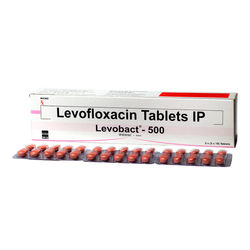
Levobact-500 Tablet 10's


₹96.5
 ₹14.0Cashback (15%)
(Inclusive of all Taxes)
₹67 with coupons & bank offers*
 Offers & Discounts
Get Free delivery (₹99) with


Delivery Information
More about the Product
Composition :
Manufacturer/Marketer :
Consume Type :
Expires on or after :
Return Policy :
NPPA :
About Levobact-500 Tablet
Levobact-500 Tablet is a prescription oral antibiotic containing Levobact-500 Tablet , used to treat a wide variety of bacterial infections. It is prescribed for bacterial infections affecting the lungs, sinuses, skin, kidneys, and urinary tract. This medication is designed to treat bacterial illnesses specifically and will not work for viral infections such as the common cold or flu.
To ensure the medication works effectively, you must take Levobact-500 Tablet consistently at the same time every day as prescribed by your doctor. You can take this medication with or without food, but it is important to drink plenty of water throughout the day. Getting adequate rest and eating a balanced diet can help support your body’s natural immune response while recovering.
While taking Levobact-500 Tablet , some people may experience mild side effects, such as a mild upset stomach, headache, or difficulty sleeping. However, you should contact your doctor immediately if you experience serious side effects, such as severe joint pain, numbness or tingling in your hands and feet, or sudden changes in your mood or heartbeat.
Before taking this medicine, you must talk to your doctor if you have a history of kidney disease, nerve problems, seizures, or a heart condition known as a prolonged QT interval. Do not take this if you have a history of tendon swelling, tearing, or tendonitis, or if you have had a severe allergic reaction to similar antibiotics in the past.
This medicine can interact with certain other treatments, such as antacids, iron supplements, and blood thinners, which can reduce its effectiveness or increase the risk of side effects. Avoid drinking alcohol while taking this medicine as it can increase dizziness and affect your recovery. If you are pregnant, breastfeeding, or are an elderly individual, consult your doctor to discuss whether this medication is safe for you.
Uses of Levobact-500 Tablet
Levobact-500 Tablet is used to treat Bacterial infections. The detailed uses of Levobact-500 Tablet are as follows:
- Pneumonia and lung infections: Levobact-500 Tablet helps clear bacterial infections deep in the lungs, making it easier to breathe and reducing coughing and fever.
- Acute sinus infections: It targets and eliminates bacteria in the nasal passages, relieving sinus pressure, headache, and congestion.
- Urinary tract infections (UTIs): It treats bacterial infections in the bladder and kidneys, resolving painful urination and burning sensations.
- Skin and soft tissue infections: It helps cure bacterial infections of the skin and reduces redness, swelling, and localised pain.
- Chronic bronchitis flare-ups: It clears up sudden bacterial complications in the airways of patients with long-term lung conditions.
Key Benefits
- Levobact-500 Tablet provides reliable, broad-spectrum defense against many types of harmful bacteria. By stopping the bacteria from growing and spreading, it helps your body resolve the infection quickly. This leads to a faster recovery and a quicker return to your normal energy levels and daily activities.
- Because it is highly absorbed when taken by mouth, this oral medication offers a convenient alternative to intravenous antibiotics for many moderate-to-severe infections. This allows you to complete your full antibiotic treatment safely and comfortably at home.
- Prepare for a restful night's sleep: Develop a calming pre-sleep routine, like reading or meditation, to help your body relax and prepare for sleep.
- Create a sleep-conducive Environment: Make bedroom a sleep haven by ensuring it is quiet, dark and calm.
- Follow a Sleep Schedule: Go to bed and get up at the same time every day to help regulate your body's internal clock and increase sleep quality.
- Try relaxing techniques like deep breathing, mindfulness meditation and any others.
- Limit stimulating activities before bedtime: Avoid stimulating activities before bedtime to improve sleep quality.
- Monitor Progress: Keep track of your sleep patterns to identify areas for improvement.
- Consult a doctor if needed: If these steps don't improve your sleep, consult a doctor for further guidance and therapy.
- Hydrate your body: Drink enough water to prevent dehydration and headaches.
- Calm Your Mind: Deep breathing and meditation can help you relax and relieve stress.
- Rest and Recharge: Sleep for 7-8 hours to reduce headache triggers.
- Take rest: lie down in a quiet, dark environment.
- Cold or warm compresses can help reduce tension.
- Stay Upright: Maintain good posture to keep symptoms from getting worse.
- To treat headaches naturally, try acupuncture or massage therapy.
- Over-the-counter pain relievers include acetaminophen and ibuprofen.
- Prescription Assistance: Speak with your doctor about more substantial drug alternatives.
- Severe Headaches: Seek emergency medical assistance for sudden, severe headaches.
- Frequent Headaches: If you get reoccurring headaches, consult your doctor.
- Headaches with Symptoms: Seek medical attention if your headaches include fever, disorientation, or weakness.
- Inform your doctor about dizziness symptoms. They may adjust your medication regimen or prescribe additional medications to manage symptoms.
- Follow your doctor's instructions for taking medication, and take it at the same time every day to minimize dizziness.
- When standing up, do so slowly and carefully to avoid sudden dizziness.
- Avoid making sudden movements, such as turning or bending quickly, which can exacerbate dizziness.
- Drink plenty of water throughout the day to stay hydrated and help alleviate dizziness symptoms.
- If you're feeling dizzy, sit or lie down and rest until the dizziness passes.
- Track when dizziness occurs and any factors that may trigger it, and share this information with your doctor to help manage symptoms.
- Inform your doctor about the nausea and discuss possible alternatives to the medication or adjustments to the dosage.
- Divide your daily food intake into smaller, more frequent meals to reduce nausea.
- Opt for bland, easily digestible foods like crackers, toast, plain rice, bananas, and applesauce.
- Avoid certain foods that can trigger nausea, such as fatty, greasy, spicy, and smelly foods.
- Drink plenty of fluids, such as water, clear broth, or electrolyte-rich beverages like coconut water or sports drinks.
- Use ginger (tea, ale, or candies) to help relieve nausea.
- Get adequate rest and also avoid strenuous activities that can worsen nausea.
- Talk to your doctor about taking anti-nausea medication if your nausea is severe.
- Record when your nausea occurs, what triggers it, and what provides relief to help you identify patterns and manage your symptoms more effectively.
- Take medications with food (if recommended): It can help prevent stomach distress and indigestion.
- Eat smaller, more frequent meals: Divide daily food intake into smaller, more frequent meals to ease digestion.
- Avoid trigger foods: Identify and avoid foods that trigger indigestion, such as spicy, fatty, or acidic foods.
- Stay upright after eating: Sit or stand upright for at least 1-2 hours after eating to prevent stomach acid from flowing into the oesophagus.
- Avoid carbonated drinks: Avoid drinking carbonated beverages, such as soda or beer, which can worsen indigestion.
- Manage stress: To alleviate indigestion, engage in stress-reducing activities like deep breathing exercises or meditation.
- Consult a doctor if needed: If indigestion worsens or persists, consult a healthcare professional to adjust the medication regimen or explore alternative treatments.
- Skin rash caused by allergies is due to irritants or allergens. Therefore, avoid contact with such irritants.
- Consult your doctor for proper medication and apply an anti-itch medication. Follow the schedule and use the medication whenever needed.
- Protect your skin from extreme heat and try to apply wet compresses.
- Soak in the cool bath, which gives a soothing impact to the affected area.
Directions for Use
Always take Levobact-500 Tablet exactly as your doctor has instructed. Follow these essential steps for proper use:
- Swallow the tablet whole with a full glass of water. Do not crush, chew, or split the tablet.
- You can take this medicine with or without food. If it causes an upset stomach, taking it with a meal may help.
- Take the medication at the same time each day to maintain a consistent level in your body.
- Take this medicine at least 2 hours before or 2 hours after taking antacids, multivitamins, iron, or zinc supplements, as these can block your body from absorbing the antibiotic.
- Complete the entire course of treatment prescribed by your doctor, even if you feel better after a few days. Stopping too early can cause the infection to return and may make the bacteria resistant to future treatments.
How Levobact-500 Tablet Works

Alcohol
Caution
Alcohol is not known to cause any unpleasant side effects if taken along with Levobact-500 Tablet . But intake of alcohol with Levobact-500 Tablet may damage your liver. So intake of Levobact-500 Tablet should be avoided with Levobact-500 Tablet .

Pregnancy
Consult your doctor
It is not known whether Levobact-500 Tablet will affect pregnant women or the fetus or not. Hence, the intake of Levobact-500 Tablet should be avoided if you are pregnant or planning to become pregnant unless your doctor recommends otherwise.

Breast Feeding
Consult your doctor
Before taking this drug doctor's consultation is mandatory. Levobact-500 Tablet is excreted in human milk. But the amount of Levobact-500 Tablet absorbed by the nursing infant is unknown.

Driving
Unsafe
After taking this drug, you can experience side effects like feeling dizzy, tired, and a spinning sensation (vertigo) or alterations in your vision. If this occurs, do not drive or perform any work that requires a high level of concentration.

Liver
Caution
Levobact-500 Tablet to be taken with caution, especially if you have a history of liver diseases/conditions. The dose may have to be adjusted by your doctor.

Kidney
Caution
Levobact-500 Tablet to be taken with caution, especially if you have a history of kidney diseases/conditions. The dose may have to be adjusted by your doctor.

Children
Caution
Levobact-500 Tablet can be given to children, but under medical supervision. Levobact-500 Tablet is prescribed to the children to treat complicated urinary tract infections, anthrax infection or plague infection.

Heart
Caution
Levobact-500 Tablet should be used with caution in patients with heart disease, as it may increase the risk of heart rhythm disturbances, such as QT prolongation. Always consult your doctor to assess risks and explore safer alternatives if needed.

Geriatrics
Caution
Levobact-500 Tablet can be used in geriatric patients, but older adults are more prone to side effects like tendon rupture, nerve damage, or heart rhythm changes. Doctors usually prescribe it with caution and monitor closely for any adverse reactions.
What if I have taken an overdose of Levobact-500 Tablet
Diet & Lifestyle Advise
- Stay well-hydrated: Drink plenty of water throughout the day while taking this medication. This helps prevent crystals from forming in your urine and protects your kidneys.
- Avoid direct sunlight: This medicine can make your skin highly sensitive to the sun. Wear protective clothing, apply high-SPF sunscreen, and avoid tanning beds while taking this medication.
- Stagger calcium-rich foods: Avoid eating large amounts of dairy products (like milk, yoghurt, or cheese) or calcium-fortified juices at the exact same time you take your medication, as calcium can reduce how well the medicine is absorbed.
- Limit strenuous exercise: Because this class of medicine is associated with a risk of tendon injury, avoid heavy lifting or high-impact athletic activities during treatment.


Have a query?
How Soon It Starts Working
- The time required for Levobact-500 Tablet to start to work: Levobact-500 Tablet ideally shows its action within 1 to 2 hours after administration.
- The time for which the effects of Levobact-500 Tablet last: The effect of Levobact-500 Tablet lasts for 24 to 48 hours.
What if you forget to take Levobact-500 Tablet
Storage
Drug Warnings
- Stop taking Levobact-500 Tablet and contact your doctor immediately at the first sign of tendon pain, swelling, or inflammation.
- Avoid driving or operating heavy machinery until you know how this medication affects you, as it can cause dizziness or lightheadedness.
- If you have diabetes, monitor your blood sugar closely. This antibiotic can cause fluctuations in blood glucose levels, especially when taken with certain diabetes medications.
- Stop the medication and seek medical help right away if you experience unusual mood changes, severe confusion, anxiety, or hallucinations.
- Do not share this antibiotic with anyone else, even if they have similar symptoms to yours.
Drug-Drug Interactions


Drug-Drug Interaction Summary:
- Antacids and Mineral Supplements: Antacids containing magnesium or aluminum, as well as iron or zinc supplements, can bind to the medicine in your stomach, greatly reducing its absorption and effectiveness.
- Warfarin: Taking this antibiotic with blood thinners like warfarin can increase the risk of bleeding. Your doctor may need to monitor your blood clotting times more closely.
- NSAIDs (Pain Relievers): Taking nonsteroidal anti-inflammatory drugs (such as ibuprofen or naproxen) alongside this medication can increase the risk of central nervous system stimulation and seizures.
- Diabetes Medications: When combined with insulin or oral diabetes drugs (like sulfonylureas), there is an increased risk of severe low blood sugar (hypoglycemia).
Drug-Drug Interactions
Login/Sign Up
The combination of Amiodarone and Levobact-500 Tablet may significantly raise the risk of an abnormal heart rhythm.
How to manage the interaction:
Despite the fact that Amiodarone and Levobact-500 Tablet interact, it can be taken if prescribed by a doctor. If you get dizziness, lightheadedness, fainting, or fast or racing heartbeats, consult a doctor. Do not stop taking any medications without visiting a doctor.
Taking Levobact-500 Tablet with Ziprasidone can increase the risk of abnormal heart rhythm.
How to manage the interaction:
Taking Levobact-500 Tablet with Ziprasidone is not recommended, but it can be taken together if prescribed by a doctor. However, consult your doctor if you experience sudden dizziness, lightheadedness, fainting, shortness of breath. Do not discontinue any medications without consulting a doctor.
Using sotalol together with Levobact-500 Tablet can increase the risk of an irregular heart rhythm that may be serious. The risk increases in patients with a history of heart illness or electrolyte imbalance.
How to manage the interaction:
Taking Levobact-500 Tablet with Sotalol is generally avoided as it can result in an interaction, it can be taken if your doctor has advised it. If you experience sudden dizziness, lightheadedness, fainting, or fast or pounding heartbeats, contact a doctor immediately. Do not discontinue any medications without consulting a doctor.
Combining Levobact-500 Tablet with Disopyramide can increase the risk of irregular heart rhythm .
How to manage the interaction:
Taking Levobact-500 Tablet with Disopyramide is not recommended, as it can result in an interaction, it can be taken if your doctor has advised it. However, if you experience any symptoms like sudden dizziness, lightheadedness, fainting, or fast or pounding heartbeats, contact your doctor immediately. Do not discontinue any medications without first consulting your doctor.
Using arsenic trioxide together with Levobact-500 Tablet can increase the risk of an irregular heart rhythm.
How to manage the interaction:
Taking Levobact-500 Tablet with Arsenic trioxide together can result in an interaction, but it can be taken if a doctor has advised it. If you experience any symptoms like an irregular heart rhythm, severe or prolonged diarrhea, vomiting, complications, sudden dizziness, feeling lightheaded, fainting, having trouble breathing, or feeling your heart beating fast or irregularly, you should call a doctor right away. Do not discontinue any medications without consulting a doctor.
Blood glucose levels can be affected by Levobact-500 Tablet when taken in conjunction with nateglinide. They may cause hyperglycemia (high blood glucose) and, less commonly, hypoglycemia (low blood glucose).
How to manage the interaction:
Although concomitant administration of Levobact-500 Tablet with nateglinide can result in an interaction, they can be taken if a doctor has advised it. Inform doctor if you experience hypoglycemia (low blood glucose) or hyperglycemia (high blood glucose), or if you have a lack of blood glucose control. Headache, dizziness, sleepiness, anxiety, confusion, a shaking sensation, nausea, hunger, weakness, sweat, palpitation, and fast pulse are all symptoms of hypoglycemia. Hyperglycemia symptoms may include increased thirst, increased appetite, and increased urine. Do not stop using any medications without talking to a doctor.
Co-administration of Levobact-500 Tablet with mifepristone can increase the risk of irregular heart rhythms.
How to manage the interaction:
Taking Levobact-500 Tablet with mifepristone together can result in an interaction, it can be taken if a doctor has advised it. However, contact a doctor immediately if you experience any symptoms such as dizziness, lightheadedness, fainting, shortness of breath, or irregular heartbeat. Do not discontinue any medications without consulting a doctor.
Co-administration of Levobact-500 Tablet with Glibenclamide may affect blood glucose levels.
How to manage the interaction:
Although there is a possible interaction, glibenclamide can be taken with Levobact-500 Tablet if prescribed by the doctor. Consult the prescriber if you experience nervousness, confusion, headache, dizziness, drowsiness, tremors, nausea, hunger, weakness, perspiration, pulse, rapid heartbeat, increased urination, increased thirst, and increased hunger. Monitoring of blood glucose levels is advised. Do not discontinue the medications without consulting a doctor.
Taking Levobact-500 Tablet with panobinostat increases the risk of an abnormal heart rhythm.
How to manage the interaction:
Although concomitant administration of Levobact-500 Tablet with panobinostat can result in an interaction, it can be taken if a doctor has advised it. However, if you experience abrupt dizziness, lightheadedness, fainting, shortness of breath, or rapid heartbeat, get medical help immediately. Do not discontinue any medications without consulting a doctor.
Taking Levobact-500 Tablet with Dexamethasone can induce tendinitis(inflammation of the thick fibrous cords that attach muscle to bone. These cords are called tendons).
How to manage the interaction:
Concomitant administration of Levobact-500 Tablet with dexamethasone can result in an interaction, it can be taken if a doctor has advised it. If you experience pain, swelling, or inflammation in a tendon location such as the back of the ankle, shoulder, biceps, hand, or thumb, call a doctor immediately. Do not discontinue the medication without consulting a doctor.
Drug-Food Interactions
Drug-Food Interaction Summary:
- Calcium-rich foods: Large amounts of dairy products or calcium-fortified juices can interfere with the absorption of the medicine if consumed at the same time.
- Caffeine: This medicine can slow down how quickly your body processes caffeine, leading to increased jitteriness, headache, or a rapid heart rate.
Drug-Food Interactions
Login/Sign Up

All Substitutes & Brand Comparisons
RX
Superquin 500 mg Tablet 5's
₹35.3
MRP ₹47
25% off
RX
Levoquin 500 mg Tablet 5's
₹35.5
MRP ₹48
26% off
RX
Lquin 500 mg Tablet 10's
₹71.4
MRP ₹96.5
26% off


Customers Also Bought
FAQs
Disclaimer
Author Details


Reference
- National Center for Biotechnology Information (NCBI). Pmc7149789 Scientific Research Publication. Bethesda, MD: NLM; 2025. [Accessed on 02 Jun. 2026]Check here
- National Center for Biotechnology Information (NCBI). Nbk545180 Scientific Research Publication. Bethesda, MD: NLM; 2025. [Accessed on 02 Jun. 2026]Check here
- Electronic Medicines Compendium (EMC). Pil.6129 Patient Information Leaflet (PIL). Cheshire, UK: Datapharm; 2025. [Accessed on 02 Jun. 2026]Check here
- Drugs.com Clinical Review Team. Levofloxacin Clinical Drug Monograph. Auckland, NZ: Drugs.com; 2026. [Accessed on 02 Jun. 2026]Check here
- MIMS Drug Reference Compendium. Levofloxacin Monograph. Singapore: MIMS; 2025. [Accessed on 02 Jun. 2026]Check here
- Levofloxacin Levofloxacin. 1996. [Accessed on 01 Apr. 2019]Check here
- Levofloxacin Levofloxacin. 2025. [Accessed on 04 Jan. 2026]Check here
Country of origin
Manufacturer/Marketer address
Therapeutic Class
Habit Forming

