apollo
0
  1. Home
  2. Medicine
  3. Minirin Nasal Spray 2.5 ml

Prescription drug
 Trailing icon
coupon
coupon
coupon
Extra 15% Off with Bank Offers
Written By Santoshini Reddy G , M Pharmacy
Reviewed By Dr Aneela Siddabathuni , MPharma., PhD

Minirin Nasal Spray is used to treat central cranial diabetes insipidus and manage temporary polyuria (extreme urination) or polydipsia (extreme thirst) after head trauma. It contains Desmopressin, which mimics the natural hormone vasopressin and works by reabsorbing water from the kidneys, which controls excessive thirst and urination. Some of the common side effects include weakness, headache, nasal congestion/stuffy nose, rhinitis/runny nose, nose bleeds, nausea, upset stomach, abdominal pain, and flushing.

Read more

Composition :

DESMOPRESSIN-0.1MG

Manufacturer/Marketer :

Ferring Pharmaceuticals Pvt Ltd

Consume Type :

Nasal

Expires on or after :

Return Policy :

Not Returnable

About Minirin Nasal Spray

Minirin Nasal Spray is used as replacement therapy in central cranial diabetes insipidus. It is also used to manage temporary polyuria (extreme urination) or polydipsia (extreme thirst) after head trauma or surgery in the pituitary gland.

Minirin Nasal Spray contains Desmopressin, which mimics the natural hormone vasopressin and works by reabsorbing water from the kidneys, which controls excessive thirst and urination. Thus, it prevents dehydration.

Common side effects of Minirin Nasal Spray include conjunctivitis/red eyes, weakness, headache, nasal congestion/stuffy nose, rhinitis/runny nose, nosebleeds, nausea, and flushing (warmth) of the face. If the side effects persist or worsen, please seek a doctor's advice.

Let your doctor know if you have severe kidney disease, hyponatremia (low sodium levels), excessive fluid intake, high blood pressure, heart problems/failure, swelling or scarring of the nasal lining, or illnesses that cause fluid/mineral imbalance.

Uses of Minirin Nasal Spray

Minirin Nasal Spray is used in the treatment of central cranial diabetes insipidus, polyuria, and polydipsia. The detailed uses of Minirin Nasal Spray are as follows:

  • Treatment of Diabetes Insipidus: Minirin Nasal Spray helps control excessive thirst and urination in patients with central diabetes insipidus.
  • Management of Bed-Wetting (Nocturnal Enuresis): Minirin Nasal Spray is used in children and adults to reduce nighttime urine production, helping prevent bed-wetting.
  • Bleeding Disorders: Minirin Nasal Spray is prescribed for haemophilia A and Von Willebrand’s disease (Type I) to control bleeding during surgery or injury.
  • Post-Surgical or Head Trauma Care: Minirin Nasal Spray helps manage excessive thirst and urination caused by brain surgery or head injury.

Have a query?

Directions for Use

  • It is advised to take Minirin Nasal Spray 30 minutes before bedtime or as advised by a doctor.
  • Gently shake the medicine bottle before use.
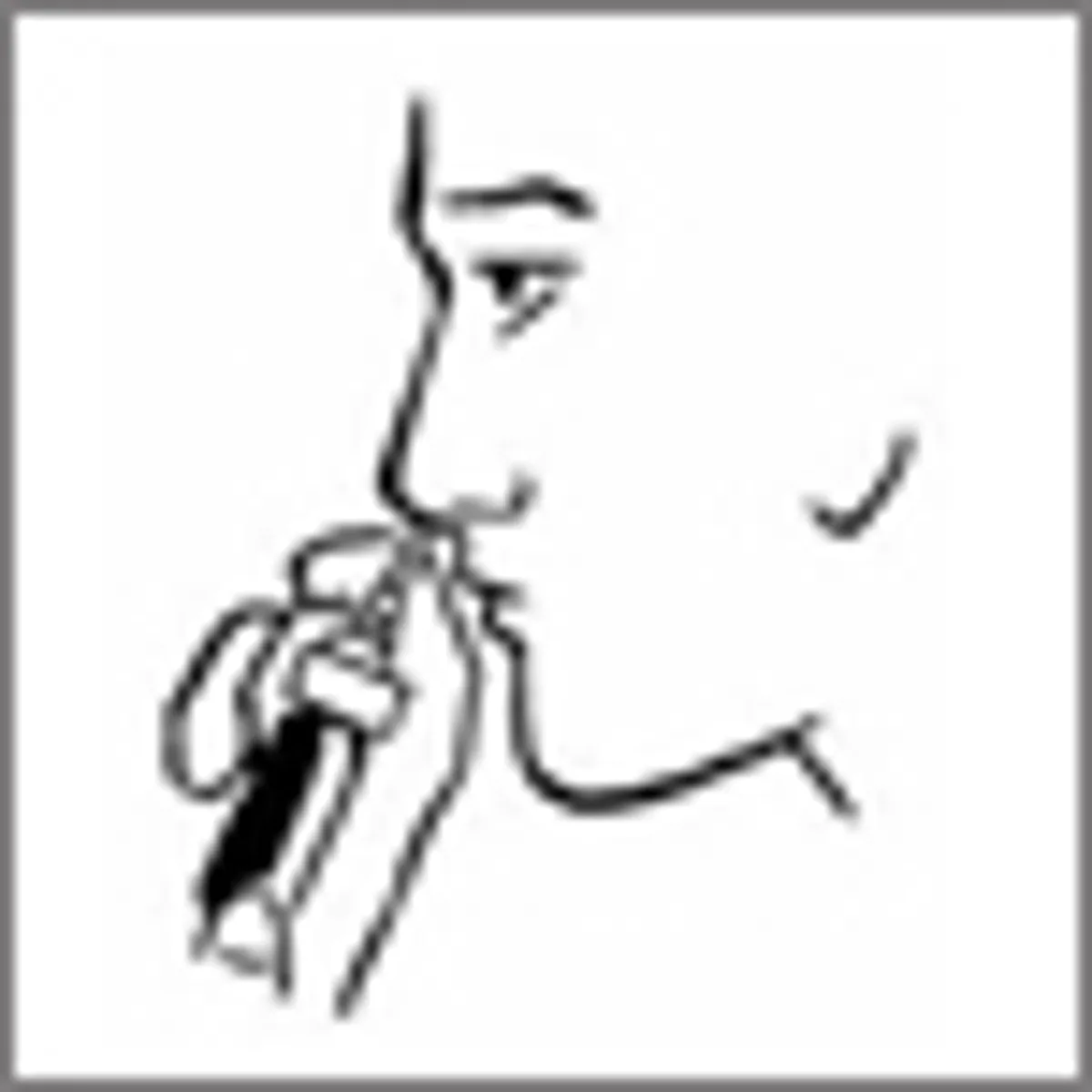
  • Tilt your head backwards, insert the dropper into one nostril, and squeeze the prescribed number of drops.
  • Keep your head tilted for a few seconds to allow the medicine to absorb.

Key Benefits

  • Minirin Nasal Spray contains Desmopressin, a synthetic analogue of vasopressin, which acts as an antidiuretic hormone to help regulate the body's fluid balance.
  • It works by reducing the amount of water excreted in the urine, thereby controlling excessive thirst and urination.
  • This helps manage conditions such as central diabetes insipidus and nocturnal enuresis (bedwetting).
  • Minirin Nasal Spray effectively maintains proper hydration and prevents dehydration due to excessive urine output.

How Minirin Nasal Spray Works

Minirin Nasal Spray contains Desmopressin, which mimics the natural hormone vasopressin and works by reabsorbing water from the kidneys, which controls excessive thirst and urination. Thus, it prevents dehydration.

Storage

Store in a cool and dry place away from sunlight
Side effects of Minirin Nasal Spray 2.5 ml
Managing Medication-Triggered Rhinitis (Stuffy Nose): A Step-by-Step Guide
  • Consult your doctor if you experience nasal congestion, runny nose, or sinus pressure after taking medication.
  • Your doctor may adjust your treatment plan by changing your medication, adding new medications, or providing guidance on managing your rhinitis symptoms.
  • If advised by your doctor, use nasal decongestants or saline nasal sprays to help relieve nasal congestion.
  • Practice good hygiene, including frequent handwashing, avoiding close contact with others, and avoiding sharing utensils or personal items.
  • Stay hydrated by drinking plenty of water and other fluids to help thin out mucus and soothe your nasal passages.
  • Drink water or other clear fluids.
  • To prevent worsening of pain, limit intake of tea, coffee, or alcohol.
  • Include bland foods like rice, toast, crackers, and rice in your diet.
  • Avoid lying down immediately after eating as it may cause indigestion or heartburn.
  • Avoid acidic and spicy food as it may cause indigestion.
  • Rest well; get enough sleep.
  • Eat a balanced diet and drink enough water.
  • Manage stress with yoga and meditation.
  • Limit alcohol and caffeine.
  • Physical activities like walking or jogging might help boost energy and make you feel less tired.
  • Rest well; get enough sleep.
  • Wear comfortable layers of clothes and get to a warm place.
  • Drink warm fluids like coffee, tea or hot chocolate.
  • Warm up using a blanket or heating pad.
  • Try eating smaller meals (4-5 times) instead of large ones to make it easier on your stomach.
  • Avoid foods that are spicy, fatty, or high in insoluble fibre.
  • Consuming soluble fibre (such as psyllium) can help with constipation, and probiotics may reduce bloating and discomfort.
  • Stay away from carbonated drinks, alcohol, caffeine, and smoking, as they can upset your stomach.
  • Reducing stress, losing weight, and exercising regularly for 20-30 minutes can help improve digestion and reduce stomach issues.
  • Poor sleep can worsen stomach problems, so focus on good sleep habits or use tools like Sleepio to improve your sleep.
Overcome Medication-Induced Nausea: A 9-Step Plan
  • Inform your doctor about the nausea and discuss possible alternatives to the medication or adjustments to the dosage.
  • Divide your daily food intake into smaller, more frequent meals to reduce nausea.
  • Opt for bland, easily digestible foods like crackers, toast, plain rice, bananas, and applesauce.
  • Avoid certain foods that can trigger nausea, such as fatty, greasy, spicy, and smelly foods.
  • Drink plenty of fluids, such as water, clear broth, or electrolyte-rich beverages like coconut water or sports drinks.
  • Use ginger (tea, ale, or candies) to help relieve nausea.
  • Get adequate rest and also avoid strenuous activities that can worsen nausea.
  • Talk to your doctor about taking anti-nausea medication if your nausea is severe.
  • Record when your nausea occurs, what triggers it, and what provides relief to help you identify patterns and manage your symptoms more effectively.

What if I have taken an overdose of Minirin Nasal Spray

An overdose of Minirin Nasal Spray may cause unpleasant side effects. Seek medical attention if you experience unusual symptoms.

Drug Warnings

  • Before starting Minirin Nasal Spray , let your doctor know if you have any history of allergic reactions to antidiuretic hormones, severe kidney disease, hyponatremia (low sodium levels in your body), excessive fluid intake, high blood pressure, heart failure, illnesses that cause fluid/mineral imbalance (cystic fibrosis), or fluid retention.
  • Please consult your doctor before starting Minirin Nasal Spray if you are pregnant, planning to conceive or are a breastfeeding mother.
  • Alcohol consumption may interfere with the working of Minirin Nasal Spray ; hence, it is advised to limit or avoid its intake.
  • Minirin Nasal Spray should be used in children only when prescribed by the doctor.

Drug-Drug Interactions

verifiedApollotooltip

Drug-Drug Interactions

Login/Sign Up

How does the drug interact with Minirin Nasal Spray 2.5 ml:
Co-administration of Minirin Nasal Spray 2.5 ml with Betamethasone can increase the risk of hyponatremia (low levels of salt in the blood).

How to manage the interaction:
Co-administration of Betamethasone and Minirin Nasal Spray 2.5 ml can lead to an interaction, it can be taken if advised by a doctor. However, if you experience any symptoms like loss of appetite, nausea, vomiting, headache, lethargy, irritability, difficulty concentrating, memory impairment, confusion, muscle spasm, weakness, unsteadiness, decreased urination, and/or sudden weight gain, consult a doctor immediately. Do not stop using any medications without a doctor's advice.
How does the drug interact with Minirin Nasal Spray 2.5 ml:
Co-administration of Minirin Nasal Spray 2.5 ml with Dexamethasone may increase the risk of hyponatremia (low levels of salt in the blood).

How to manage the interaction:
Co-administration of Dexamethasone and Minirin Nasal Spray 2.5 ml can lead to an interaction, it can be taken if advised by a doctor. However, if you experience any symptoms like confusion, hallucination, seizure, changes in blood pressure, increased heart rate, fever, excessive sweating, shivering or shaking, blurred vision, muscle stiffness, tremors, stomach cramps, nausea, vomiting, and diarrhea, consult a doctor immediately. Do not stop using any medications without a doctor's advice.
How does the drug interact with Minirin Nasal Spray 2.5 ml:
Co-administration of Torasemide can make Minirin Nasal Spray 2.5 ml may increase the risk of hyponatremia (low levels of salt in the blood).

How to manage the interaction:
If you have to use Minirin Nasal Spray 2.5 ml and Torasemide together, a doctor may adjust the dose or monitor you more frequently to safely use both medications. However, if you experience loss of appetite, headache, nausea, vomiting, lethargy (very tired), irritability, difficulty concentrating, weakness, unsteadiness, memory impairment, confusion, muscle spasm, decreased urination, and/or sudden weight gain, contact your doctor immediately as these may be symptoms of water intoxication (water poisoning) and hyponatremia (low levels of salt in the blood). Do not discontinue the medication without consulting a doctor.
How does the drug interact with Minirin Nasal Spray 2.5 ml:
Co-administration of Minirin Nasal Spray 2.5 ml together with fluticasone may increase the risk of hyponatremia, a condition associated with low levels of salt in the blood.

How to manage the interaction:
If you have to use Minirin Nasal Spray 2.5 ml and Fluticasone together, your doctor may adjust the dose or monitor you more frequently to safely use both medications. However, if you experience loss of appetite, headache, nausea, vomiting, lethargy (very tired), irritability, difficulty concentrating, weakness, unsteadiness, memory impairment, confusion, muscle spasm, decreased urination, and/or sudden weight gain, contact your doctor immediately as these may be symptoms of water intoxication (water poisoning) and hyponatremia (low levels of salt in the blood). Do not discontinue the medication without consulting a doctor.
DesmopressinFluticasone Propionate
Critical
How does the drug interact with Minirin Nasal Spray 2.5 ml:
Co-administration of Minirin Nasal Spray 2.5 ml together with fluticasone may increase the risk of hyponatremia, a condition associated with low levels of salt in the blood.

How to manage the interaction:
Coadministration of Minirin Nasal Spray 2.5 ml and Fluticasone Propionate is not recommended, but can be taken if prescribed by a doctor. However, if you experience nausea, vomiting, headache, lethargy, irritability, difficulty concentrating, memory impairment, confusion, muscle spasm, weakness, unsteadiness, decreased urination and sudden weight gain contact doctor immediately. Do not discontinue any medications without consulting a doctor.
How does the drug interact with Minirin Nasal Spray 2.5 ml:
Co-administration of Minirin Nasal Spray 2.5 ml together with Beclomethasone may increase the risk of hyponatremia (low levels of salt in the blood).

How to manage the interaction:
If you have to use Minirin Nasal Spray 2.5 ml and Beclomethasone together, your doctor may adjust the dose or monitor you more frequently to safely use both medications. However, if you experience loss of appetite, headache, nausea, vomiting, lethargy (very tired), irritability, difficulty concentrating, weakness, unsteadiness, memory impairment, confusion, muscle spasm, decreased urination, and/or sudden weight gain, contact your doctor immediately as these may be symptoms of water intoxication (water poisoning) and hyponatremia (low levels of salt in the blood). Do not discontinue the medication without consulting a doctor.
How does the drug interact with Minirin Nasal Spray 2.5 ml:
Co-administration of Deflazacort and Minirin Nasal Spray 2.5 ml may increase the risk of hyponatremia (low levels of salt in the blood).

How to manage the interaction:
Although co- administration of Daflazacort with Desmopression can possibly lead to an interaction, it can be taken in case a doctor advices you. You should seek medical attention if you experience loss of appetite, nausea, vomiting, headache, lethargy, irritability, difficulty in concentrating, memory impairment, confusion, muscle spasm, weakness, unsteadiness, decreased urination, or sudden weight gain. Do not stop using any medications without consulting a doctor.
How does the drug interact with Minirin Nasal Spray 2.5 ml:
Coadministration of Prednisone and Minirin Nasal Spray 2.5 ml may increase the risk of hyponatremia (low levels of salt in the blood).

How to manage the interaction:
If you have to use Minirin Nasal Spray 2.5 ml and prednisone together, your doctor may adjust the dose or monitor you more frequently to safely use both medications. However, if you experience loss of appetite, headache, nausea, vomiting, lethargy (very tired), irritability, difficulty concentrating, weakness, unsteadiness, memory impairment, confusion, muscle spasm, decreased urination, and/or sudden weight gain, contact your doctor immediately as these may be symptoms of water intoxication (water poisoning) and hyponatremia (low levels of salt in the blood). Do not discontinue the medication without consulting a doctor.
How does the drug interact with Minirin Nasal Spray 2.5 ml:
Co-administration of Prednisolone and Minirin Nasal Spray 2.5 ml may increase the risk of hyponatremia (low levels of sodium in the blood).

How to manage the interaction:
Taking Prednisolone with Minirin Nasal Spray 2.5 ml is not generally advised as they lead to an interaction, they can be taken together if advised by a doctor. However, if you experience loss of appetite, headache, nausea, vomiting, lethargy (very tired), irritability, difficulty concentrating, weakness, unsteadiness, memory impairment, confusion, muscle spasm, decreased urination, and/or sudden weight gain, contact a doctor immediately. Do not discontinue the medication without consulting a doctor.
DesmopressinCortisone
Critical
How does the drug interact with Minirin Nasal Spray 2.5 ml:
Co-administration of Cortisone and Minirin Nasal Spray 2.5 ml may increase the risk of hyponatremia (low levels of salt in the blood).

How to manage the interaction:
If you have to use Minirin Nasal Spray 2.5 ml and Cortisone together, your doctor may adjust the dose or monitor you more frequently to safely use both medications. However, if you experience loss of appetite, headache, nausea, vomiting, lethargy (very tired), irritability, difficulty concentrating, weakness, unsteadiness, memory impairment, confusion, muscle spasm, decreased urination, and/or sudden weight gain, contact your doctor immediately as these may be symptoms of water intoxication (water poisoning) and hyponatremia (low levels of salt in the blood). Do not discontinue the medication without consulting a doctor.

Drug-Food Interactions

verifiedApollotooltip
No Drug - Food interactions found in our database. Some may be unknown. Consult your doctor for what to avoid during medication.

Drug-Food Interactions

Login/Sign Up

Diet & Lifestyle Advise

  • Maintain a fibre-rich diet and include healthy carbohydrates from fruits, vegetables and whole grains.
  • Reduce the amount of salt and protein in your diet, which will help your kidneys to produce less urine.
  • Avoid drinking coffee, tea, cola, energy drinks, or other caffeine sources before bedtime since it can lead to increased urination.
  • Avoid activities that cause dehydration, such as excessive physical exercise or spending time in the heat.
  • Optimal water intake is recommended to prevent dehydration due to excessive urination.

Habit Forming

No

Therapeutic Class

[HORMONES]

bannner image

Alcohol

Safe if prescribed

Alcohol consumption may interfere with the working of Minirin Nasal Spray ; hence, it is advised to limit or avoid its intake.

bannner image

Pregnancy

Consult your doctor

Minirin Nasal Spray should be used in pregnancy only when recommended by a doctor. Please consult your doctor before starting Minirin Nasal Spray if you are pregnant or planning to conceive.

bannner image

Breast Feeding

Consult your doctor

Minirin Nasal Spray is excreted into the breast milk when used by a breastfeeding mother. Please seek medical advice before you start Minirin Nasal Spray if you are nursing.

bannner image

Driving

Safe if prescribed

Minirin Nasal Spray usually does not interfere with your driving ability. Do not drive or operate machinery if you experience unmanageable side effects with Minirin Nasal Spray .

bannner image

Liver

Consult your doctor

Please let your doctor know if you have any history of liver diseases or hepatic impairment when you are prescribed Minirin Nasal Spray .

bannner image

Kidney

Consult your doctor

Minirin Nasal Spray is contraindicated in patients with moderate to severe renal impairment. Please let your doctor know if you have any history of kidney diseases when prescribed Minirin Nasal Spray .

bannner image

Children

Safe if prescribed

Minirin Nasal Spray should be used in children only when prescribed by the doctor.

bannner image

Heart

If you have an existing or a history of heart disease, inform your doctor before receiving Minirin Nasal Spray .

bannner image

Geriatrics

Consult your doctor

Minirin Nasal Spray should be used with caution in elderly patients. Please consult your doctor before use.

FAQs

Minirin Nasal Spray is an antidiuretic medicine used as replacement therapy in central cranial diabetes insipidus. It is also used to manage temporary polyuria (extreme urination) or polydipsia (extreme thirst) after head trauma.

Minirin Nasal Spray contains Desmopressin, a human-made form of vasopressin (antidiuretic hormone). When your body cannot produce enough vasopressin, Minirin Nasal Spray is used to replace it. It helps treat cranial diabetes insipidus, polyuria, and polydipsia.

Do not use Minirin Nasal Spray if you have polyuria that has not been diagnosed as diabetes insipidus. It is advised to use the Minirin Nasal Spray only when the doctor has suggested it for you, depending on your medical condition.

Take the missed dose as soon as possible. However, if it is time for the next dose, skip the missed dose and return to your regular dosing schedule.

Optimal intake of fluids is recommended to prevent dehydration. However, avoid excess intake of water and other liquids like coffee, tea, cola, and energy drinks during the treatment. Excessive fluid intake while using Minirin Nasal Spray may lead to a build-up of water, which dilutes the salt in the body, leading to serious problems.

Country of origin

India

Manufacturer/Marketer address

K-28/1, ADDITIONAL MIDC , ANAND NAGAR , AMBERNATH - 421506 , INDIA
Other Info - MIN0009

Disclaimer

While we strive to provide complete, accurate, and expert-reviewed content on our 'Platform', we make no warranties or representations and disclaim all responsibility and liability for the completeness, accuracy, or reliability of the aforementioned content. The content on our platform is for informative purposes only, and may not cover all clinical/non-clinical aspects. Reliance on any information and subsequent action or inaction is solely at the user's risk, and we do not assume any responsibility for the same. The content on the Platform should not be considered or used as a substitute for professional and qualified medical advice. Please consult your doctor for any query pertaining to medicines, tests and/or diseases, as we support, and do not replace the doctor-patient relationship.
whatsapp Floating Button
Buy Now
Add to Cart