
Olmat 40 mg Tablet 15's


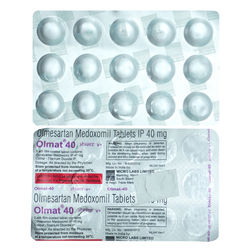


₹330
 ₹50.0Cashback (15%)
(Inclusive of all Taxes)
₹230 with coupons & bank offers*
 Offers & Discounts
Get Free delivery (₹99) with


Delivery Information
More about the Product
Composition :
Manufacturer/Marketer :
Consume Type :
Expires on or after :
Return Policy :


About Olmat 40 mg Tablet
Olmat 40 mg Tablet is a prescription medication used to manage and treat high blood pressure, medically known as hypertension. By lowering elevated blood pressure, this treatment helps protect your vital organs from long-term damage. It reduces the risk of serious cardiovascular events, such as strokes and heart attacks.
This medicine is designed for daily use and must be taken consistently at the same time each day to work effectively. You can take this tablet with or without food, as eating does not affect how the medication is absorbed. For the best outcomes, combine this daily treatment with healthy lifestyle adjustments, such as reducing salt intake, staying active, and managing stress.
Most patients tolerate this medication very well, though some may experience mild effects like dizziness or a runny nose. However, you should consult your doctor immediately if you experience serious side effects, such as swelling of your face, severe persistent diarrhoea, or signs of kidney problems.
Before taking this medicine, talk to your doctor if you have kidney disease, liver damage, or high levels of potassium in your blood. Pregnant women must not take Olmat 40 mg Tablet because it can cause severe injury or death to an unborn baby.
This medicine can interact with alcohol, which may cause your blood pressure to drop too low and make you feel dizzy. It can also interact with other blood pressure drugs and certain over-the-counter pain medicines, so elderly individuals and breastfeeding mothers should always consult their doctor before starting treatment.
Uses of Olmat 40 mg Tablet
Olmat 40 mg Tablet is used to manage and treat high blood pressure. The detailed uses of Olmat 40 mg Tablet are as follows:
- High Blood Pressure (Hypertension): Olmat 40 mg Tablet is prescribed to lower elevated blood pressure, reducing the strain on your heart and blood vessels.
- Cardiovascular Protection: By maintaining optimal blood pressure levels, it helps lower your risk of experiencing a heart attack or stroke.
Key Benefits
Olmat 40 mg Tablet helps manage high blood pressure and provides long-term protection for important organs such as the heart, brain, and kidneys. By maintaining healthy blood pressure levels, it supports overall cardiovascular health and helps reduce the risk of serious complications.
- Helps Control Blood Pressure Effectively: By keeping blood pressure within a healthy range, Olmat 40 mg Tablet helps support consistent blood pressure management and reduces the likelihood of sudden increases that can strain the cardiovascular system.
- Supports Heart, Brain, and Kidney Health: Long-term blood pressure control with Olmat 40 mg Tablet helps protect vital organs from damage caused by uncontrolled hypertension, contributing to better overall health and wellbeing.
- Convenient Once-Daily Treatment: Olmat 40 mg Tablet is typically taken once daily, making it easy to incorporate into a regular routine. This convenience can support treatment adherence and help maintain long-term cardiovascular protection.
- Inform your doctor about dizziness symptoms. They may adjust your medication regimen or prescribe additional medications to manage symptoms.
- Follow your doctor's instructions for taking medication, and take it at the same time every day to minimize dizziness.
- When standing up, do so slowly and carefully to avoid sudden dizziness.
- Avoid making sudden movements, such as turning or bending quickly, which can exacerbate dizziness.
- Drink plenty of water throughout the day to stay hydrated and help alleviate dizziness symptoms.
- If you're feeling dizzy, sit or lie down and rest until the dizziness passes.
- Track when dizziness occurs and any factors that may trigger it, and share this information with your doctor to help manage symptoms.
- If you experience symptoms like coughing, wheezing, chest tightness, or difficulty breathing after taking medication, seek medical attention immediately.
- Your healthcare provider will work with you to stop the medication causing the reaction, start alternative treatments, and provide supportive therapy.
- To manage symptoms and prevent complications, follow your doctor's advice to use inhalers or nebulizers as prescribed, practice good hygiene, avoid irritants, stay hydrated, and get plenty of rest.
- Regularly track your symptoms and report any changes or concerns to your healthcare provider.
- Inform Your Doctor: Notify your doctor immediately about your diarrhoea symptoms. This allows them to adjust your medication or provide guidance on managing side effects.
- Stay Hydrated: Drink plenty of fluids to replace lost water and electrolytes. Choose water, clear broth, and electrolyte-rich drinks. Avoid carbonated or caffeinated beverages to effectively rehydrate your body.
- Follow a Bland Diet: Eat easy-to-digest foods to help firm up your stool and settle your stomach. Try incorporating bananas, rice, applesauce, toast, plain crackers, and boiled vegetables into your diet.
- Avoid Trigger Foods: Steer clear of foods that can worsen diarrhoea, such as spicy, fatty, or greasy foods, high-fibre foods, and dairy products (especially if you're lactose intolerant).
- Practice Good Hygiene: Maintain good hygiene to prevent the spread of infection. To stay healthy, wash your hands frequently, clean and disinfect surfaces regularly, and avoid exchanging personal belongings with others.
- Take Anti-Diarrheal Medications: If your doctor advises, anti-diarrheal medications such as loperamide might help manage diarrhoea symptoms. Always follow your doctor's directions.
- Keep track of your diarrhoea symptoms. If they don't get better or worse or are accompanied by severe stomach pain, blood, or dehydration signs (like extreme thirst or dark urine), seek medical help.
- Talk to your doctor about your back pain and potential medication substitutes or dose changes.
- Try yoga or Pilates and other mild stretching exercises to increase flexibility and strengthen your back muscles.
- To lessen the tension on your back, sit and stand upright and maintain proper posture.
- To alleviate discomfort and minimize inflammation, apply heat or cold packs to the afflicted area.
- Under your doctor's supervision, think about taking over-the-counter painkillers like acetaminophen or ibuprofen.
- Make ergonomic adjustments to your workspace and daily activities to reduce strain on your back.
- To handle tension that could make back pain worse, try stress-reduction methods like deep breathing or meditation.
- Use pillows and a supportive mattress to keep your spine in the right posture as you sleep.
- Back discomfort can worsen by bending, twisting, and heavy lifting.
- Speak with a physical therapist to create a customized training regimen to increase back strength and flexibility.
- Limit fried foods and red meat.
- Increase your intake of whole foods such as vegetables, fruits, tree nuts and beans.
- Avoid air pollutants and unhealthy foods.
- Drink lots of water to detoxify your liver.
- Exercise regularly.
- Inform your doctor about the medication you're taking and the UTI symptoms you're experiencing.
- Your doctor may adjust your medication regimen or consider alternative medications or dosages that may reduce the risk of UTIs.
- Drink plenty of water (at least 8-10 glasses a day) to help flush out bacteria. Avoid sugary drinks and caffeine, which can exacerbate UTI symptoms.
- Urinate when you feel the need rather than holding it in. This can help prevent bacterial growth and reduce the risk of UTIs.
- Consider cranberry supplements: Cranberry supplements may help prevent UTIs by preventing bacterial adhesion.
- Monitor UTI symptoms and report any changes to your doctor.
- If antibiotics are prescribed, take them as directed and complete the full course.
- Inform your doctor about your anxiety symptoms so that you doctor may explore potential drug interactions and alter your treatment plan.
- Work with your doctor to adjust your medication regimen or dosage to minimize anxiety symptoms.
- Reduce anxiety symptoms by practicing relaxation techniques like meditation, deep breathing, or yoga.
- Regular self-care activities, such as exercise, healthy food, and adequate sleep, can assist control anxiety.
- Surround yourself with a supportive network of friends, family, or a support group to help manage anxiety and stay motivated.
- Regularly track anxiety symptoms and report any changes to your doctor to ensure your treatment plan is effective and adjusted as needed.
Directions for Use
To get the full benefit of Olmat 40 mg Tablet and minimise side effects, follow these simple guidelines:
- Take the tablet by mouth, usually once daily, with or without food.
- Swallow the tablet whole with a full glass of water. Do not crush, chew, or break the tablet unless your doctor advises you to do so.
- Try to take your dose at the same time every day to establish a consistent habit and maintain steady levels of the medicine in your body.
- Always follow your doctor's exact instructions regarding your dose and how often to take it.
How Olmat 40 mg Tablet Works

Alcohol
Caution
Alcohol should not be taken while using Olmat 40 mg Tablet . It may worsen the health condition.

Pregnancy
Unsafe
Olmat 40 mg Tablet is not safe during pregnancy, as it can harm the unborn baby. If you become pregnant while taking it, stop the medicine immediately and consult your doctor.

Breast Feeding
Caution
Olmat 40 mg Tablet should be used with caution in breastfeeding mothers. Consult your doctor before use.

Driving
Caution
Olmat 40 mg Tablet may cause dizziness and affect your ability to drive.

Liver
Consult your doctor
Olmat 40 mg Tablet may be used with caution in patients with mild to moderate liver impairment, usually at a lower dose and under close medical supervision. However, it is generally not recommended in patients with severe liver impairment, as reduced liver function can affect drug metabolism and lead to accumulation in the body.

Kidney
Consult your doctor
The use of Olmat 40 mg Tablet may be considered with caution in patients with mild to moderate kidney impairment, typically under close medical supervision. However, in patients with severe kidney dysfunction, its use is generally not recommended, as impaired kidney function can reduce drug elimination and increase the risk of side effects. Regular monitoring of kidney function is advised during treatment.

Children
Caution
Olmat 40 mg Tablet is not recommended for use in children under 2 years of age. In children over 2, it should be used with caution and may require dose adjustments.

Heart
Safe if prescribed
Olmat 40 mg Tablet is safe for use in heart patients if recommended by the physician.

Geriatrics
Safe if prescribed
Olmat 40 mg Tablet is safe for use in elderly patients if recommended by the doctor.
What if I have taken an overdose of Olmat 40 mg Tablet
Diet & Lifestyle Advise
- Reduce your daily sodium (salt) intake by avoiding processed foods and using herbs or spices to flavour your meals instead.
- Incorporate heart-healthy foods into your diet, such as fresh vegetables, fruits, whole grains, and lean proteins.
- Engage in moderate aerobic exercise, like brisk walking or swimming, for at least 30 minutes most days of the week, as cleared by your doctor.
- Avoid salt substitutes containing potassium without consulting your doctor first, as this medication can raise potassium levels in your blood.
- Limit your alcohol intake and avoid smoking, as both can negatively affect your blood pressure and increase the risk of side effects.

Have a query?
How Soon It Starts Working
The time required for Olmat 40 mg Tablet to start to work: The time required for Olmat 40 mg Tablet to start to work is 1 to 2 hours after administration. The time for which the effects of Olmat 40 mg Tablet last: The effect of Olmat 40 mg Tablet lasts for 24 hours.
What if you forget to take Olmat 40 mg Tablet
Storage
Drug Warnings
- Stand up slowly from a sitting or lying position to minimise the risk of dizziness and prevent falls.
- Have your kidney function and potassium levels checked regularly through blood tests, as recommended by your doctor.
- Avoid using over-the-counter pain medicines like ibuprofen or naproxen without consulting your doctor, as they can reduce the effectiveness of Olmat 40 mg Tablet and strain your kidneys.
- Stop taking this medication immediately and contact your healthcare provider if you discover you are pregnant.
- Monitor your blood pressure at home regularly and keep a log to share with your doctor during checkups.
Drug-Drug Interactions


Drug-Drug Interaction Summary:
- Potassium supplements or potassium-sparing water pills: May lead to dangerously high levels of potassium in your blood.
- Nonsteroidal anti-inflammatory drugs (NSAIDs) like ibuprofen: May decrease the blood pressure-lowering effect of Olmat 40 mg Tablet and increase the risk of severe kidney damage.
- Other blood pressure medications: May increase the risk of excessively low blood pressure, high potassium levels, and kidney dysfunction.
- Lithium: Olmat 40 mg Tablet can increase the levels of lithium in your body, raising the risk of lithium toxicity.
Drug-Drug Interactions
Login/Sign Up
Using aliskiren together with olmesartan may increase the risk of serious side effects (kidney problems, low blood pressure, and high potassium levels in the blood).
How to manage the interaction:
Taking Olmat 40 mg Tablet with Aliskiren is not recommended as it can cause an interaction, they can be taken if advised by a doctor. You should seek medical attention if you experience nausea, vomiting, weakness, confusion, tingling of the hands and feet, feelings of heaviness in the legs, a weak pulse, or a slow or irregular heartbeat.It is crucial that you continue to consume enough fluids while taking these medications. Do not stop using any medications without consulting a doctor.
Coadministration of Olmat 40 mg Tablet with fosinopril may cause low blood pressure, kidney problems, and may increase potassium levels in the blood.
How to manage the interaction:
Although taking Olmat 40 mg Tablet together with fosinopril may lead to an interaction but can be taken if prescribed by the doctor. However, consult the doctor if you experience nausea, vomiting, weakness, disorientation, tingling in your hands and feet, feelings of heaviness in your legs, a weak pulse, or a slow or irregular heartbeat. Do not stop using any medications without talking to a doctor.
Coadministration of Olmat 40 mg Tablet with potassium iodide may increase potassium levels in the blood. (High potassium levels can cause hyperkalemia, which can lead to kidney failure, muscular paralysis, abnormal heart rhythm, and cardiac arrest in extreme cases).
How to manage the interaction:
Although taking Olmat 40 mg Tablet together with potassium iodide may lead to an interaction but can be taken if prescribed by the doctor. However, consult the doctor if you experience nausea, vomiting, weakness, disorientation, tingling in your hands and feet, feelings of heaviness in your legs, a weak pulse, or a slow or irregular heartbeat. It is important to maintain proper fluid intake while taking these medications. Do not stop using any medications without talking to a doctor.
Coadministration of Olmat 40 mg Tablet with lisinopril may increase potassium levels in the blood.
How to manage the interaction:
Although taking Olmat 40 mg Tablet together with lisinopril may lead to an interaction but can be taken if prescribed by the doctor. However, consult the doctor if you experience nausea, vomiting, weakness, confusion, tingling in your hands and feet, feelings of heaviness in your legs, a weak pulse, or a slow or irregular heartbeat. Do not stop using any medications without talking to a doctor.
Taking ramipril together with olmesartan may increase the risk of side effects (blood pressure, kidney function impairment, and a condition called Hyperkalemia - high blood potassium).
How to manage the interaction:
Although taking Olmat 40 mg Tablet with ramipril may lead to an interaction but can be taken if prescribed by the doctor. However, consult the doctor if you experience nausea, vomiting, weakness, disorientation, tingling in your hands and feet, feelings of heaviness in your legs, a weak pulse, or a slow or irregular heartbeat. Do not stop using any medications without talking to a doctor.
Coadministration of Olmat 40 mg Tablet may increase potassium levels in the blood, which can lead to kidney failure, muscular paralysis, and abnormal heart rhythm.
How to manage the interaction:
Although taking Olmat 40 mg Tablet together with potassium citrate may result in an interaction, they can be taken together if prescribed by your doctor. However, consult the doctor if you experience nausea, vomiting, weakness, disorientation, tingling in your hands and feet, feelings of heaviness in your legs, a weak pulse, or a slow or irregular heartbeat. It is essential to maintain proper fluid intake while taking these medications. Do not discontinue any medications without a doctor's advice.
Olmat 40 mg Tablet when combined with benazepril may cause low blood pressure, kidney problems, and may increase potassium levels in the blood.
How to manage the interaction:
Although taking Olmat 40 mg Tablet with benazepril may lead to an interaction but can be taken if prescribed by the doctor. However, consult the doctor if you experience nausea, vomiting, weakness, disorientation, tingling in your hands and feet, feelings of heaviness in your legs, a weak pulse, or a slow or irregular heartbeat. Do not stop using any medications without talking to a doctor.
Using potassium phosphate together with olmesartan may significantly increase potassium levels in the blood.
How to manage the interaction:
Although taking Olmat 40 mg Tablet and potassium phosphate together can cause an interaction, it can be taken if a doctor has suggested it. However if you experience symptoms such as nausea, vomiting, weakness, confusion, tingling of the hands and feet, feelings of heaviness in the legs, a weak pulse, or a slow or irregular heartbeat, consult a doctor. It is crucial that you continue to consume enough fluids while taking these medications. Do not discontinue any medications without consulting a doctor.
Taking lithium with Olmat 40 mg Tablet may significantly increase the blood levels of lithium .
How to manage the interaction:
Although taking Olmat 40 mg Tablet alongside lithium can lead to interaction, they can be taken if prescribed by a doctor. However, if you develop sleepiness, dizziness, confusion, loose stools, vomiting, muscular weakness, muscle incoordination, a shaking sensation, blurred vision, ringing in the ears, excessive thirst, and/or increased urination, consult a doctor. Do not stop using any medications without talking to a doctor.
Taking Olmat 40 mg Tablet with triamterene may increase potassium levels in the blood. (High potassium levels can cause hyperkalemia, which can lead to kidney failure, muscular paralysis, abnormal heart rhythm, and cardiac arrest in extreme cases).
How to manage the interaction:
Although taking Olmat 40 mg Tablet with triamterene may lead to an interaction but can be taken if prescribed by the doctor. However, consult the doctor if you experience nausea, vomiting, weakness, disorientation, tingling in your hands and feet, feelings of heaviness in your legs, a weak pulse, or a slow or irregular heartbeat. Do not stop using any medications without talking to a doctor.
Drug-Food Interactions
Drug-Food Interaction Summary:
- Potassium-rich salt substitutes: Using these while taking Olmat 40 mg Tablet can cause your body to retain too much potassium, potentially leading to heart rhythm issues.
- Alcohol: Drinking alcohol can enhance the blood pressure-lowering effect of this medicine, making you feel excessively dizzy or lightheaded.
Drug-Food Interactions
Login/Sign Up
Lentils, Orange Juice, Oranges, Raisins, Potatoes, Salmon Dried, Spinach, Sweet Potatoes, Tomatoes, Coconut Water, Beans, Beetroot, Broccoli, Bananas, Apricots, Avocado, Yogurt
How to manage the interaction:
Taking Olmat 40 mg Tablet along with potassium-containing salt alternatives and over-the-counter potassium supplements might result in elevated potassium levels in your blood. High potassium levels might result in fatigue, irregular heartbeat, disorientation, tingling in the limbs, or feelings of heaviness in the legs. Avoid potassium-rich foods like tomatoes, raisins, figs, potatoes, lima beans, bananas, plantains, papayas, pears, cantaloupes, mangoes, and potassium-containing salt substitutes. However, if you experience symptoms such as fatigue, irregular heartbeat, disorientation, tingling in the limbs, or feelings of heaviness in the legs consult a doctor.

All Substitutes & Brand Comparisons


Customers Also Bought
FAQs
Disclaimer
Author Details


Reference
- Electronic Medicines Compendium (EMC). Pil.8787 Patient Information Leaflet (PIL). Cheshire, UK: Datapharm; 2025. [Accessed on 02 Jun. 2026]Check here
- Drugs.com Clinical Review Team. Olmesartan Clinical Drug Monograph. Auckland, NZ: Drugs.com; 2026. [Accessed on 02 Jun. 2026]Check here
- Olmesartan medoxomil. 2009. [Accessed on 20 Mar. 2019]Check here
- Drugs and Lactation Database (LactMed) [Internet]. 2006Check here
- Olmesartan medoxomil [Prescribing Information]. 2023. [Accessed on 03 Aug. 2023]Check here
- Ema. SmPC. Olmesartan Tablets. [Accessed on 3 April 2025]Check here
- Ema. PIL. Olmesartan Tablets.[Accessed on 3 April 2025]Check here
Country of origin
Manufacturer/Marketer address
Therapeutic Class
Habit Forming


Recommended for a 30-day course: 2 Strips