
Olmat 20 AMH Tablet 10's


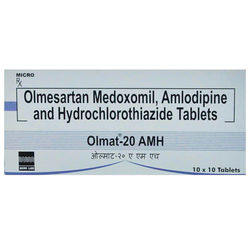


₹111.5
 ₹17.0Cashback (15%)
(Inclusive of all Taxes)
₹78 with coupons & bank offers*
 Offers & Discounts
Get Free delivery (₹99) with


Delivery Information
More about the Product
Manufacturer/Marketer :
Consume Type :
Expires on or after :
Return Policy :
About Olmat 20 AMH Tablet
Olmat 20 AMH Tablet is an oral prescription medication used to treat high blood pressure (hypertension). It is typically prescribed when a single medicine or a dual-combination therapy is not enough to control your blood pressure. Lowering high blood pressure helps decrease your risk of serious cardiovascular events like strokes or heart attacks.
For this medication to work effectively, you must take Olmat 20 AMH Tablet consistently every day, exactly as your doctor prescribes. You can take it with or without food, but taking it at the same time each day helps maintain steady blood pressure levels. Incorporating a low-sodium diet and regular physical activity can further support your blood pressure goals.
While taking Olmat 20 AMH Tablet , some patients may experience mild side effects such as dizziness, headache, or ankle swelling. However, if you experience severe symptoms like chest pain, rapid heartbeat, or signs of an allergic reaction, contact your healthcare provider immediately. Always monitor how you feel and report any unusual changes to your doctor.
Do not take this if you are pregnant, as it can cause serious harm or death to an unborn baby. You should also talk to your doctor before starting Olmat 20 AMH Tablet if you have kidney disease, liver damage, diabetes, or severe electrolyte imbalances. Your healthcare provider will determine if this triple-combination therapy is safe for your specific health profile.
Olmat 20 AMH Tablet can interact with other blood pressure drugs, potassium supplements, and certain pain relievers, which may cause your blood pressure to drop too low or affect kidney function. Drinking alcohol while taking this medicine can also worsen dizziness and lightheadedness. Pregnant or breastfeeding individuals should not use this medication, and elderly patients should consult their doctor for careful monitoring.
Uses of Olmat 20 AMH Tablet
Olmat 20 AMH Tablet is prescribed to help manage high blood pressure and reduce the health risks associated with uncontrolled hypertension. Common uses include:
- High Blood Pressure (Hypertension): Olmat 20 AMH Tablet helps lower elevated blood pressure when other single or dual-drug treatments fail to achieve target levels.
- Reduction of Cardiovascular Risks: By successfully controlling blood pressure, Olmat 20 AMH Tablet helps lower the risk of experiencing life-threatening events such as strokes and heart attacks.
Key Benefits
By combining three complementary blood pressure medicines into a single treatment, Olmat 20 AMH Tablet provides several important benefits, including:
- Triple-Action Blood Pressure Control: Uses three different mechanisms to help lower and maintain healthy blood pressure levels.
- Convenient Once-Daily Treatment: Combines three active ingredients into a single tablet, reducing the number of medicines that need to be taken each day.
- Reduces Cardiovascular Risk: Helps lower the likelihood of complications associated with uncontrolled hypertension, including heart attack and stroke.
- Protects Vital Organs: Supports the long-term health of the heart, kidneys, blood vessels, and other organs that can be damaged by persistently high blood pressure.
- Supports Daily Well-Being: Helps maintain stable blood pressure control, allowing you to carry out daily activities with greater confidence and peace of mind.
- Reduce salt intake to minimize fluid buildup.
- Use compression stockings, sleeves, or gloves.
- Gently massage the affected area towards the heart.
- Protect the swollen area from injury and keep it clean.
- Use lotion or cream to keep the skin moisturized.
- Avoid triggers like alcohol, caffeine, and energy drinks.
- Try relaxation techniques such as yoga, meditation, or deep breathing.
- Exercise regularly as it helps maintain heart health.
- Follow a nutritious and balanced diet.
- Avoid driving or operating machinery or activities that require high focus until you know how the medication affects you.
- Maintain a fixed sleeping schedule, create a relaxing bedtime routine and ensure your sleeping space is comfortable to maximize your sleep quality.
- Limit alcohol and caffeine as these may worsen drowsiness and disturb sleep patterns.
- Drink plenty of water as it helps with alertness and keeps you hydrated and for overall well-being.
- Moderate physical activity can improve energy levels, but avoid intense workouts right before bedtime.
- Inform your doctor about dizziness symptoms. They may adjust your medication regimen or prescribe additional medications to manage symptoms.
- Follow your doctor's instructions for taking medication, and take it at the same time every day to minimize dizziness.
- When standing up, do so slowly and carefully to avoid sudden dizziness.
- Avoid making sudden movements, such as turning or bending quickly, which can exacerbate dizziness.
- Drink plenty of water throughout the day to stay hydrated and help alleviate dizziness symptoms.
- If you're feeling dizzy, sit or lie down and rest until the dizziness passes.
- Track when dizziness occurs and any factors that may trigger it, and share this information with your doctor to help manage symptoms.
- Hydrate your body: Drink enough water to prevent dehydration and headaches.
- Calm Your Mind: Deep breathing and meditation can help you relax and relieve stress.
- Rest and Recharge: Sleep for 7-8 hours to reduce headache triggers.
- Take rest: lie down in a quiet, dark environment.
- Cold or warm compresses can help reduce tension.
- Stay Upright: Maintain good posture to keep symptoms from getting worse.
- To treat headaches naturally, try acupuncture or massage therapy.
- Over-the-counter pain relievers include acetaminophen and ibuprofen.
- Prescription Assistance: Speak with your doctor about more substantial drug alternatives.
- Severe Headaches: Seek emergency medical assistance for sudden, severe headaches.
- Frequent Headaches: If you get reoccurring headaches, consult your doctor.
- Headaches with Symptoms: Seek medical attention if your headaches include fever, disorientation, or weakness.
- Drink water or other clear fluids.
- To prevent worsening of pain, limit intake of tea, coffee, or alcohol.
- Include bland foods like rice, toast, crackers, and rice in your diet.
- Avoid lying down immediately after eating as it may cause indigestion or heartburn.
- Avoid acidic and spicy food as it may cause indigestion.
Directions for Use
- Olmat 20 AMH Tablet can be taken with or without food as advised by your doctor.
- Follow your doctor's instructions on the dosage and timing of this medication to ensure safety.
- Swallow Olmat 20 AMH Tablet as a whole with a glass of water.
- Do not chew, crush, or break it.
How Olmat 20 AMH Tablet Works

Alcohol
Unsafe
You are recommended not to consume alcohol and Olmat 20 AMH Tablet to avoid unpleasant side effects like drowsiness, dizziness, and liver damage.

Pregnancy
Unsafe
Olmat 20 AMH Tablet is not recommended during pregnancy as it contains Olmesartan, which is a category D pregnancy drug. This medicine may cause fetal damage and can affect the unborn baby (fetus).

Breast Feeding
Unsafe
Olmat 20 AMH Tablet is known to pass breast milk, but its effect on the baby is unknown. So, before breastfeeding, let your doctor know about this. Either you need to stop breastfeeding for using Olmat 20 AMH Tablet or stop taking Olmat 20 AMH Tablet .

Driving
Caution
Drive with caution; Olmat 20 AMH Tablet usually causes drowsiness and affects driving ability.

Liver
Caution
Olmat 20 AMH Tablet to be taken with caution, especially if you have or have had a history of liver disease. Your doctor will change the dosage depending on your medical condition and your reaction to treatment.

Kidney
Caution
Olmat 20 AMH Tablet to be taken with caution, especially if you have had a history of kidney disease. Your doctor will have to change the dosage depending on your medical condition and your reaction to treatment.

Children
Caution
Efficacy and safety of Olmat 20 AMH Tablet have not been established in children. If prescribed, it should be strictly under medical supervision and only if the benefits outweigh the harm.

Heart
Caution
Olmat 20 AMH Tablet should be taken with caution in patients with heart problems. Please inform your doctor if you have any pre-existing heart problems before using Olmat 20 AMH Tablet .

Geriatrics
Caution
Olmat 20 AMH Tablet should be given with caution in elderly patients due to an increased risk of side effects. Seek medical advice before using Olmat 20 AMH Tablet .
What if I have taken an overdose of Olmat 20 AMH Tablet
Diet & Lifestyle Advise
- Limit Sodium Intake: Reduce your daily salt intake by avoiding processed foods and choosing fresh ingredients, as sodium can raise blood pressure and counteract the effects of Olmat 20 AMH Tablet .
- Stay Hydrated Carefully: While hydrochlorothiazide is a diuretic that removes fluid, it is important to maintain a healthy balance of fluids. Drink a moderate amount of water throughout the day, and discuss fluid guidelines with your doctor.
- Monitor Potassium Levels: Olmesartan can sometimes increase potassium levels, while hydrochlorothiazide can decrease them. Consult your healthcare provider before using salt substitutes containing potassium or taking potassium supplements.
- Engage in Regular Moderate Exercise: Aim for at least 30 minutes of moderate cardiovascular exercise, like brisk walking, most days of the week, with your doctor's approval.
- Monitor Your Blood Pressure: Keep a log of your blood pressure readings at home to share with your doctor during checkups.

Have a query?
How Soon It Starts Working
- The time required for Olmat 20 AMH Tablet to start to work: The time required for Olmat 20 AMH Tablet to show its action is unknown.
- The time for which the effects of Olmat 20 AMH Tablet last: The effect of Olmat 20 AMH Tablet lasts for 24 hours.
What if you forget to take Olmat 20 AMH Tablet
Storage
- Store Olmat 20 AMH Tablet tablets at room temperature, ideally between 68°F and 77°F (20°C to 25°C).
- Keep the medication in its original container to protect it from light and moisture. Do not store it in the bathroom cabinet where humidity levels can change.
Drug Warnings
- Rise slowly from sitting or lying positions: This medication can cause a sudden drop in blood pressure when you stand up, leading to dizziness or fainting.
- Check your skin regularly: Hydrochlorothiazide can make your skin more sensitive to sunlight. Wear sunscreen, protective clothing, and limit direct sun exposure to prevent severe sunburns.
- Get routine blood work: Your doctor will need to perform periodic blood tests to check your kidney function and monitor your electrolyte levels (such as potassium, sodium, and magnesium).
- Avoid driving if dizzy: Do not drive, operate machinery, or perform tasks requiring alertness until you know how Olmat 20 AMH Tablet affects you.
- Inform your surgeon: If you are scheduled for any surgery or dental procedure, let your surgeon or dentist know you are taking Olmat 20 AMH Tablet , as it can interact with anesthetics.
Drug-Drug Interactions


Drug-Drug Interaction Summary:
Olmat 20 AMH Tablet can interact with medicines that affect kidney function, potassium levels, blood pressure control, or lithium concentrations, including:
- Lithium: Taking Olmat 20 AMH Tablet with lithium may increase lithium levels in your blood to dangerous levels, leading to toxicity.
- Nonsteroidal Anti-inflammatory Drugs (NSAIDs): Pain relievers like ibuprofen or naproxen can reduce the blood-pressure-lowering effect of Olmat 20 AMH Tablet and increase the risk of kidney damage.
- Potassium Supplements or Potassium-Sparing Diuretics: Combining these with olmesartan can raise blood potassium levels too high, affecting your heart rhythm.
- Other Blood Pressure Medications: Taking other antihypertensives alongside Olmat 20 AMH Tablet can significantly increase the risk of excessively low blood pressure and kidney issues.
Drug-Drug Interactions
Login/Sign Up
Taking Dofetilide and Hydrochlorothiazide can increase the risk of an irregular heart rhythm which can be severe. The risk increases in patients with a history of heart illness or electrolyte imbalance.
How to manage the interaction:
Combining Olmat 20 AMH Tablet and Hydrochlorothiazide is not recommended as it can result in an interaction, but it can be taken if your doctor advises. However, contact your doctor immediately if you experience any symptoms like sudden dizziness, lightheadedness, fainting, shortness of breath, chest pain or tightness, rapid heartbeat, or memory loss. Do not discontinue any medications without consulting a doctor.
Taking Cisapride and Hydrochlorothiazide can increase the risk of an irregular heart rhythm which can be severe. The risk increases in patients with a history of heart illness or electrolyte imbalance.
How to manage the interaction:
Combining Cisapride and Olmat 20 AMH Tablet together is generally avoided as it can possibly result in an interaction, but it can be taken if advised by your doctor. However, consult the doctor immediately if you experience any symptoms like dizziness, lightheadedness, fainting, or fast or pounding heartbeats. Do not stop using any medications without a doctor's advice.
Using Olmat 20 AMH Tablet together with dantrolene may increase the risk of hyperkalemia (high blood potassium).
How to manage the interaction:
Taking Olmat 20 AMH Tablet with Dantrolene can cause an interaction, but it can be taken if prescribed by a doctor. You should seek medical attention if you experience nausea, vomiting, weakness, confusion, tingling of the hands and feet, or a slow or irregular heartbeat. Do not stop using any medications without talking to a doctor.
Using aliskiren together with olmesartan may increase the risk of serious side effects (kidney problems, low blood pressure, and high potassium levels in the blood).
How to manage the interaction:
Taking Olmesartan medoxomil with Aliskiren is not recommended as it can cause an interaction, but it can be taken if advised by a doctor. You should seek medical attention if you experience nausea, vomiting, weakness, confusion, tingling of the hands and feet, feelings of heaviness in the legs, or a slow or irregular heartbeat. Do not stop using any medications without consulting a doctor.
Coadministration of Olmat 20 AMH Tablet with potassium iodide may increase potassium levels in the blood. (High potassium levels can cause hyperkalemia, which can lead to kidney failure, muscular paralysis, and abnormal heart rhythm).
How to manage the interaction:
Although taking Olmat 20 AMH Tablet together with potassium iodide may lead to an interaction, it can be taken if prescribed by the doctor. However, consult the doctor if you experience nausea, vomiting, weakness, disorientation, tingling in your hands and feet, feelings of heaviness in your legs, or a slow or irregular heartbeat. Do not stop using any medications without talking to a doctor.
Co-administration of Olmat 20 AMH Tablet can make Sirolimus may increase the risk of angioedema (a condition associated with swelling of the face, eyes, lips, tongue, throat, and occasionally also the hands and feet).
How to manage the interaction:
There may be a possibility of interaction between Olmat 20 AMH Tablet and Sirolimus, but it can be taken if prescribed by a doctor. However, consult the doctor if you notice any swelling of the face, eyes, lips, tongue, throat, hands, and feet or have trouble breathing or swallowing. Do not stop using any medications without a doctor's advice.
Olmat 20 AMH Tablet, when combined with benazepril, may cause low blood pressure and kidney problems and may increase potassium levels in the blood.
How to manage the interaction:
Although taking Olmat 20 AMH Tablet with benazepril may lead to interaction, it can be taken if prescribed by the doctor. However, consult the doctor if you experience nausea, vomiting, weakness, disorientation, tingling in your hands and feet, feelings of heaviness in your legs, or a slow or irregular heartbeat. Do not stop using any medications without talking to a doctor.
Taking Ziprasidone and Olmat 20 AMH Tablet can increase the risk of an irregular heart rhythm, which can be severe. The risk increases in patients with a history of heart illness or electrolyte imbalance.
How to manage the interaction:
Taking Ziprasidone and Olmat 20 AMH Tablet together is avoided as it can result in an interaction, but it can be taken together if prescribed by a doctor. However, consult your doctor if you experience sudden dizziness, lightheadedness, fainting, or shortness of breath. Do not discontinue any medications without consulting a doctor.
Taking Amiloride with Olmat 20 AMH Tablet can elevate potassium levels in the blood.
How to manage the interaction:
Although taking amiloride with Olmat 20 AMH Tablet may lead to interaction, it can be taken if prescribed by the doctor. However, consult the doctor if you experience nausea, vomiting, weakness, disorientation, tingling in your hands and feet, feelings of heaviness in your legs, a weak pulse, or a slow or irregular heartbeat. Do not stop using any medications without talking to a doctor.
When Olmat 20 AMH Tablet is taken with Fosphenytoin, it may decrease the blood levels of Amlodipine, which may make Amlodipine less effective.
How to manage the interaction:
Although taking Olmat 20 AMH Tablet and Fosphenytoin can cause an interaction, it can be taken if a doctor has suggested it. Do not stop using any medications without a doctor's advice.
Drug-Food Interactions
Drug-Food Interaction Summary:
Certain foods and beverages may affect blood pressure control or alter the way some components of this medicine work in the body, including:
- Alcohol: Drinking alcohol while taking Olmat 20 AMH Tablet can amplify blood-pressure-lowering effects, increasing dizziness, lightheadedness, and the risk of fainting.
- Grapefruit and Grapefruit Juice: Grapefruit can interact with amlodipine, potentially increasing the level of the medication in your body and raising the risk of side effects.
Drug-Food Interactions
Login/Sign Up
Apricots, Avocado, Bananas, Beans, Beetroot, Broccoli, Coconut Water, Lentils, Orange Juice, Oranges, Potatoes, Raisins, Salmon Dried, Spinach, Sweet Potatoes, Tomatoes, Yogurt
How to manage the interaction:
Taking Olmat 20 AMH Tablet with potassium-containing salt substitutes or potassium supplements can cause high levels of potassium in the blood. Avoid taking potassium-containing salt substitutes or potassium supplements while being treated with Olmat 20 AMH Tablet.

All Substitutes & Brand Comparisons


Customers Also Bought


FAQs
Disclaimer
Author Details


Reference
- Electronic Medicines Compendium (EMC). Pil.8529 Patient Information Leaflet (PIL). Cheshire, UK: Datapharm; 2025. [Accessed on 02 Jun. 2026]Check here
- Drugs.com Clinical Review Team. Leaflet Clinical Drug Monograph. Auckland, NZ: Drugs.com; 2026. [Accessed on 02 Jun. 2026]Check here
- National Center for Biotechnology Information (NCBI). Pmc1994014 Scientific Research Publication. Bethesda, MD: NLM; 2025. [Accessed on 02 Jun. 2026]Check here
- Drugs.com Clinical Review Team. Amlodipine Clinical Drug Monograph. Auckland, NZ: Drugs.com; 2026. [Accessed on 02 Jun. 2026]Check here
- National Health Service (NHS). Amlodipine - NHS Medicines Reference Guide. London, UK: NHS; 2025. [Accessed on 02 Jun. 2026]Check here
- Olmesartan medoxomil, amlodipine, hydrochlorothiazide. 2010. [Accessed on 11 Apr. 2019]Check here
- Hydrochlorothiazide, olmesartan medoxomil, amlodipine besilate. 2018. [Accessed on 11 Apr. 2019]Check here
Country of origin
Manufacturer/Marketer address
Therapeutic Class
Habit Forming


Recommended for a 30-day course: 3 Strips