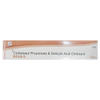
Psoraclear Ointment 20 gm


₹160
 ₹24.0Cashback (15%)
(Inclusive of all Taxes)
 Offers & Discounts
Get Free delivery (₹99) with


Delivery Information
More about the Product
Composition :
Manufacturer/Marketer :
Consume Type :
Expires on or after :
Return Policy :
About Psoraclear Ointment
Psoraclear Ointment is a topical medication used to treat severe, inflammatory skin conditions that are accompanied by excessive scaling or crusting, such as plaque psoriasis and severe eczema. It helps reduce localized redness, swelling, and itching while softening the rough skin buildup. By targeting both the inflammation and the scaling, this treatment helps restore a healthier skin appearance.
To achieve the best results, you must apply Psoraclear Ointment with consistent frequency exactly as prescribed by your doctor, which is typically once or twice a day. Ensure the skin is clean and dry before you apply the medication. Making simple lifestyle adjustments, such as using gentle, fragrance-free skin moisturizers daily, can significantly support the healing process.
While using this medicine, you may experience some common side effects like mild burning, stinging, or dryness at the application site. However, you should contact your doctor immediately if you notice serious issues, such as severe skin irritation, signs of a skin infection, or extreme fatigue.
Talk to your doctor before using Psoraclear Ointment if you have any pre-existing health conditions, especially diabetes, a weak immune system, or poor blood circulation. Do not use this medicine on untreated skin infections, such as herpes, shingles, or fungal infections. It should also not be used for rosacea or perioral dermatitis, as these conditions can worsen with strong corticosteroids unless your doctor specifically recommends it.
Inform your healthcare provider about all other topical products, cosmetics, or skin treatments you use, as they may interact with this medication. If you are pregnant, planning to breastfeed, or are caring for an elderly patient, consult your doctor to ensure this high-strength topical option is safe for your specific situation.
Uses of Psoraclear Ointment
Your doctor may prescribe this medicine to treat several conditions, including:
- Psoriasis: Psoraclear Ointment helps by flattening raised plaques, softening thick scales, and reducing the intense redness and inflammation associated with this chronic condition.
- Severe Eczema: It targets stubborn outbreaks by calming the immune response in the skin, which relieves intense itching, dryness, and inflammation.
- Chronic Dermatitis: It manages localized, persistent skin irritation and scaling that does not respond to milder topical treatments.
Key Benefits
This topical treatment offers targeted relief to improve your physical comfort and the physical appearance of your skin:
- Faster Skin Clearing: By peeling away dead skin scales, the active ingredients reach the deeper layers of skin quickly, leading to faster visible improvement.
- Relief from Itching: It quickly calms localized burning, itching, and swelling, allowing you to go about your daily routine without constant discomfort.
- Smoother Skin Texture: The scaling and roughness of plaque lesions are softened, restoring a smoother feel to the treated skin.
- Burning sensation is an abnormal side effect that needs medical attention. To relieve the burning feeling, your doctor may prescribe painkillers or antidepressants.
- Focused exercises can improve strength and reduce burning by soothing muscles.
- Change in lifestyle and improving nutrition can reduce the causes of burning sensation and provide relief.
- Your doctor may suggest nerve block injections as it is related to sensation in the skin.
- Burning feeling in a specific area would need mild electrical currents to reduce pain that targets the nerve affected. This practice must be done only if your doctor mentions it.
- Consult your doctor if you experience skin redness, itching, or irritation after taking medication.
- Apply cool compresses or calamine lotion to the affected skin area to reduce irritation.
- Stay hydrated by drinking plenty of water to help alleviate symptoms and keep your skin soothing.
- Monitor your skin condition closely and promptly report any changes, worsening symptoms, or concerns to your healthcare provider.
- Report the itching to your doctor immediately; they may need to change your medication or dosage.
- Use a cool, damp cloth on the itchy area to help soothe and calm the skin, reducing itching and inflammation.
- Keep your skin hydrated and healthy with gentle, fragrance-free moisturizers.
- Try not to scratch, as this can worsen the itching and irritate your skin.
- If your doctor prescribes, you can take oral medications or apply topical creams or ointments to help relieve itching.
- Track your itching symptoms and follow your doctor's guidance to adjust your treatment plan if needed. If the itching persists, consult your doctor for further advice.
- If you experience burning or stinging sensations and suspect that they may be related to medication, consult a doctor or healthcare expert to determine the cause and best course of treatment.
- Avoid harsh products, extreme temperatures, and other potential irritants that may exacerbate burning or stinging.
- Your healthcare professional may recommend applying a soothing or protective agent, such as a cream, gel, or ointment, to help alleviate burning or stinging.
- Follow your healthcare professional's advice on how to care for the affected area, as gentle cleaning and care instructions may vary depending on the location and severity of the burning or stinging.
- Schedule follow-up appointments with your doctor to monitor your symptoms and adjust your treatment plan as needed. If the burning or irritation persists or worsens, seek medical attention.
- Consult your doctor if you experience skin redness, itching, or irritation after taking medication.
- Your doctor may adjust your treatment plan by changing your medication or providing guidance on managing your erythema symptoms.
- Your doctor may recommend or prescribe certain medications to help alleviate symptoms.
- Apply cool compresses or calamine lotion to the affected skin area to reduce redness and itching.
- Stay hydrated by drinking plenty of water to help alleviate symptoms and keep your skin hydrated.
- Monitor your skin condition closely and promptly report any changes, worsening symptoms, or concerns to your healthcare provider.
Directions for Use
- Apply Psoraclear Ointment once or twice a day, as directed by your doctor. Use it at the same time each day for effective results.
- Apply a thin layer with clean, dry hands to the affected areas of the skin. You can also apply it with clean cotton wool or a gauze swab. Gently rub the medicine into the skin.
- Wash your hands before and after using Psoraclear Ointment on the affected areas unless the treatment is for the hands.
How Psoraclear Ointment Works

Alcohol
Safe if prescribed
No interactions were found/ established. Please consult your doctor before using Psoraclear Ointment.

Pregnancy
Consult your doctor
Topical usage of corticosteroids (Clobetasol propionate) during pregnancy may affect the developing baby. It is advised to consult your doctor before starting Psoraclear Ointment if you plan to conceive or are already pregnant.

Breast Feeding
Consult your doctor
There are limited studies on how Psoraclear Ointment affects breastfed infants. Please consult your doctor before using Psoraclear Ointment if you are breastfeeding.

Driving
Safe if prescribed
Psoraclear Ointment has no or negligible influence on the ability to drive or use machines.

Liver
Consult your doctor
Let your doctor know if you have any history of liver diseases or hepatic impairment.

Kidney
Consult your doctor
Let your doctor know if you have any history of kidney diseases.

Children
Consult your doctor
Psoraclear Ointment is not recommended for children below 12 years of age since it contains a steroid, Clobetasol propionate. If it is prescribed for children, your doctor may ask you to stop the course within five days since it may lead to adrenal suppression (adrenal glands don't produce enough hormones) in infants.

Heart
Caution
Please inform your doctor if you have a history of heart disease before using Psoraclear Ointment. Your doctor will prescribe it only if the benefits outweigh the risks.

Geriatrics
Caution
Psoraclear Ointment should be used with caution in elderly patients due to an increased risk of side effects. Talk to your doctor if you have any concerns.
What if I have taken an overdose of Psoraclear Ointment
Diet & Lifestyle Advise
- Moisturize regularly: Apply a gentle, fragrance-free moisturizer or emollient daily to lock in moisture and prevent skin dryness.
- Avoid hot water: Take lukewarm baths or showers instead of hot ones, as hot water strips natural oils from your skin and worsens irritation.
- Use mild cleansers: Avoid harsh, scented soaps, body washes, and exfoliants that can trigger flare-ups.
- Wear soft, breathable clothing: Choose loose cotton garments to prevent friction and heat buildup over treated skin areas.
- Manage triggers: Keep a diary to identify environmental, dietary, or stress-related triggers that make your eczema or psoriasis worse.

Have a query?
How Soon It Starts Working
- The time required for Psoraclear Ointment to start to work: The time required for Psoraclear Ointment to show its action is unknown.
- The time for which the effects of Psoraclear Ointment last: The duration of action for Psoraclear Ointment is clinically unknown.
What if you forget to take Psoraclear Ointment
Storage
- Store Psoraclear Ointment at controlled room temperature, ideally between 15°C and 30°C (59°F to 86°F). Keep the tube or container tightly closed when not in use.
Drug Warnings
- Avoid Sensitive Areas: Do not apply this medication to your face, groin, underarms, or other sensitive skin areas unless specifically instructed by your doctor.
- Limit Treatment Duration: Do not use this product for longer than the recommended duration, as prolonged use can cause permanent skin thinning.
- Do Not Apply to Damaged Skin: Avoid applying this medication to open wounds, cuts, scraped skin, or active infections.
- Avoid Similar Skin Products: Do not use other peeling agents or salicylic acid-containing products on the same area of skin unless advised by your healthcare provider.
- Check Before Use: Inspect the tube before use to ensure the seal is intact and the cream or ointment has not changed in color or consistency.
- Avoid Contact with Eyes, Nose & Mouth: Avoid getting this medicine in your eyes, nose, or mouth. If contact occurs, rinse thoroughly with cool water.
Drug-Drug Interactions


Drug-Drug Interaction Summary:
- Other topical corticosteroids (may increase the risk of systemic absorption and side effects).
- Topical peeling agents or abrasive skin cleansers (may increase skin irritation and dryness).
Drug-Drug Interactions
Login/Sign Up
Drug-Food Interactions
Drug-Food Interactions
Login/Sign Up

All Substitutes & Brand Comparisons


FAQs
Disclaimer
Author Details



Reference
- WebMD Medical Reference Review Board. Details Drug and Treatment Monograph. Atlanta, GA: WebMD; 2026. [Accessed on 02 Jun. 2026]Check here
- Drugs.com Clinical Review Team. Salicylic Acid Topical Clinical Drug Monograph. Auckland, NZ: Drugs.com; 2026. [Accessed on 02 Jun. 2026]Check here
- Drugs.com Clinical Review Team. Clobetasol Topical Clinical Drug Monograph. Auckland, NZ: Drugs.com; 2026. [Accessed on 02 Jun. 2026]Check here
Country of origin
Manufacturer/Marketer address
Therapeutic Class
Habit Forming