
Telsar 20 Tablet 15's


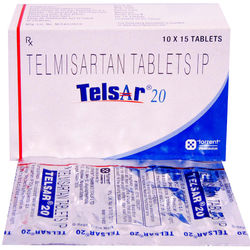

₹62
 ₹9.0Cashback (15%)
(Inclusive of all Taxes)
₹43 with coupons & bank offers*
 Offers & Discounts
Get Free delivery (₹99) with


Delivery Information
More about the Product
Composition :
Manufacturer/Marketer :
Consume Type :
Expires on or after :
Return Policy :
NPPA :


About Telsar 20 Tablet
Telsar 20 Tablet is a prescription medication primarily used to treat high blood pressure (hypertension). It is also prescribed to lower the risk of major cardiovascular events, such as heart attacks or strokes, in individuals who are at high risk. By keeping your blood pressure within a healthy range, this medicine helps protect your heart, kidneys, and brain from long-term damage.
To get the best results, you should take Telsar 20 Tablet consistently every day, preferably at the same time. You can take this tablet with or without food, as eating does not affect how the medicine is absorbed. Combining your daily dose with a low-sodium diet and regular physical activity can significantly improve how well this medicine controls your blood pressure.
While Telsar 20 Tablet is generally well-tolerated, some people may experience mild side effects like dizziness, back pain, or sinus congestion. However, you should contact your doctor immediately if you experience serious symptoms, such as swelling of your face or throat, severe muscle weakness, or a slow, irregular heartbeat.
Do not take this medicine if you are pregnant, as it can cause serious harm or death to an unborn baby. You should also avoid this medicine if you have a known allergy (hypersensitivity) to Telsar 20 Tablet or any of its ingredients. In addition, Telsar 20 Tablet should not be used together with aliskiren in patients with diabetes and is generally avoided in certain patients with significant kidney impairment unless specifically recommended by a healthcare professional. You should also talk to your doctor before starting Telsar 20 Tablet if you have a history of liver damage, kidney problems, or severe dehydration.
This medicine can interact with other substances; for example, taking it with potassium supplements can lead to dangerously high potassium levels in your blood. If you are breastfeeding or are an older adult, consult your healthcare provider to ensure this treatment is safe for your specific situation.
Uses of Telsar 20 Tablet
Telsar 20 Tablet is prescribed to help manage high blood pressure and reduce the risk of serious cardiovascular complications. Your doctor may recommend this medicine for the following uses:
- High Blood Pressure (Hypertension): Telsar 20 Tablet helps relax blood vessels, which lowers blood pressure and reduces the risk of long-term complications like heart disease or kidney failure.
- Reduction of Cardiovascular Risk: For patients at high risk of heart problems, Telsar 20 Tablet helps lower the chances of experiencing a life-threatening heart attack or stroke.
Key Benefits
When taken regularly as prescribed, Telsar 20 Tablet offers several important benefits for blood pressure control and long-term cardiovascular health, including:
- Provides 24-Hour Blood Pressure Control: Provides continuous, 24-hour blood pressure control with a single daily dose.
- Maintains Stable Blood Pressure Levels: Helps maintain stable blood pressure levels throughout the day and night.
- Reduces Strain on the Heart: Reduces the workload on the heart by allowing blood to flow more easily through relaxed blood vessels.
- Lowers Cardiovascular Risk: Lowers the risk of serious cardiovascular events such as heart attacks and strokes.
- Protects Kidney Function: Helps protect the kidneys from damage associated with long-term high blood pressure.
- Supports Long-Term Organ Health: Supports overall cardiovascular health and long-term organ protection.
- Convenient Once-Daily Dosing: Offers convenient once-daily dosing, making it easier to follow your treatment plan.
- Provides Long-Term Protection: Provides reassurance that you are helping protect your body from the silent damage caused by uncontrolled hypertension.
- Inform your doctor about the symptoms you're experiencing due to medication.
- Your doctor may adjust your treatment plan, which could include changing your medication, adding new medications, or offering advice on managing your symptoms.
- Practice good hygiene, including frequent handwashing, avoiding close contact with others, and avoiding sharing utensils or personal items.
- Stay hydrated by drinking plenty of fluids to help loosen and clear mucus from your nose, throat, and airways.
- Get plenty of rest and engage in stress-reducing activities to help your body recover. If your symptoms don't subside or worsen, consult your doctor for further guidance.
- Talk to your doctor about your back pain and potential medication substitutes or dose changes.
- Try yoga or Pilates and other mild stretching exercises to increase flexibility and strengthen your back muscles.
- To lessen the tension on your back, sit and stand upright and maintain proper posture.
- To alleviate discomfort and minimize inflammation, apply heat or cold packs to the afflicted area.
- Under your doctor's supervision, think about taking over-the-counter painkillers like acetaminophen or ibuprofen.
- Make ergonomic adjustments to your workspace and daily activities to reduce strain on your back.
- To handle tension that could make back pain worse, try stress-reduction methods like deep breathing or meditation.
- Use pillows and a supportive mattress to keep your spine in the right posture as you sleep.
- Back discomfort can worsen by bending, twisting, and heavy lifting.
- Speak with a physical therapist to create a customized training regimen to increase back strength and flexibility.
- Inform Your Doctor: Notify your doctor immediately about your diarrhoea symptoms. This allows them to adjust your medication or provide guidance on managing side effects.
- Stay Hydrated: Drink plenty of fluids to replace lost water and electrolytes. Choose water, clear broth, and electrolyte-rich drinks. Avoid carbonated or caffeinated beverages to effectively rehydrate your body.
- Follow a Bland Diet: Eat easy-to-digest foods to help firm up your stool and settle your stomach. Try incorporating bananas, rice, applesauce, toast, plain crackers, and boiled vegetables into your diet.
- Avoid Trigger Foods: Steer clear of foods that can worsen diarrhoea, such as spicy, fatty, or greasy foods, high-fibre foods, and dairy products (especially if you're lactose intolerant).
- Practice Good Hygiene: Maintain good hygiene to prevent the spread of infection. To stay healthy, wash your hands frequently, clean and disinfect surfaces regularly, and avoid exchanging personal belongings with others.
- Take Anti-Diarrheal Medications: If your doctor advises, anti-diarrheal medications such as loperamide might help manage diarrhoea symptoms. Always follow your doctor's directions.
- Keep track of your diarrhoea symptoms. If they don't get better or worse or are accompanied by severe stomach pain, blood, or dehydration signs (like extreme thirst or dark urine), seek medical help.
- Report to Your Doctor: Inform your doctor about the muscle pain, as they may need to adjust your medication.
- Stretch Regularly: Gentle stretching can help relieve muscle pain and stiffness.
- Stay Hydrated: Adequate water intake supports muscle health by removing harmful substances and maintaining proper muscle function.
- Warm or Cold Compresses: Apply cold or warm compresses to the affected area to reduce pain and inflammation.
- Rest and Relaxation: Adequate rest helps alleviate muscle strain, while relaxation techniques like deep breathing and meditation can soothe muscle tightness, calm the mind, and promote relief from discomfort.
- Gentle Exercise: Participate in low-impact activities, such as yoga or short walks, to improve flexibility, reduce muscle tension, and alleviate discomfort.
- Consult a physician: If your symptoms don't improve or get worse, go to the doctor for help and guidance.
- Consult your doctor if you experience symptoms of sinusitis, such as nasal congestion, facial pain, or headaches, which may be triggered by your medication.
- Your doctor may adjust your treatment plan by changing your medication, adding new medications, or providing guidance on managing your sinusitis symptoms.
- Practice good hygiene, including frequent handwashing, avoiding close contact with others, and avoiding sharing utensils or personal items.
- If your doctor advises, you can use nasal decongestants or saline nasal sprays to help relieve nasal congestion and sinus pressure.
- To help your body recover, get plenty of rest, stay hydrated, and engage in stress-reducing activities. If your symptoms persist or worsen, consult your doctor for further guidance.
- Chest pain may last for a while and needs immediate medical attention as it is a significant health issue to be attended to.
- Take rest and refrain from doing physical activity for a while, and restart after a few days.
- Try applying an ice pack to the strained area for at least 20 minutes thrice a day. Ice pack thus helps reduce inflammation.
- Sit upright and maintain proper posture if there is persistent chest pain. • Use extra pillows to elevate your position and prop your chest up while sleeping.
- Hydrate your body: Drink enough water to prevent dehydration and headaches.
- Calm Your Mind: Deep breathing and meditation can help you relax and relieve stress.
- Rest and Recharge: Sleep for 7-8 hours to reduce headache triggers.
- Take rest: lie down in a quiet, dark environment.
- Cold or warm compresses can help reduce tension.
- Stay Upright: Maintain good posture to keep symptoms from getting worse.
- To treat headaches naturally, try acupuncture or massage therapy.
- Over-the-counter pain relievers include acetaminophen and ibuprofen.
- Prescription Assistance: Speak with your doctor about more substantial drug alternatives.
- Severe Headaches: Seek emergency medical assistance for sudden, severe headaches.
- Frequent Headaches: If you get reoccurring headaches, consult your doctor.
- Headaches with Symptoms: Seek medical attention if your headaches include fever, disorientation, or weakness.
Directions for Use
Follow these steps to take your medication safely:
- Swallow the tablet whole with a full glass of water. Do not crush, chew, or break the tablet.
- Take your dose at the same time every day to help maintain a steady level of the medicine in your body.
- You can take this medicine with or without food.
- Always follow your doctor's exact instructions regarding how to take this medication.
How Telsar 20 Tablet Works

Alcohol
Unsafe
You are recommended to avoid consumption of alcohol with Telsar 20 Tablet as it may increase the risk of low blood pressure and cause adverse effects such as dizziness, fainting, light-headedness or headache.

Pregnancy
Unsafe
Telmisartan is a Category D pregnancy drug and is considered unsafe for pregnant women, especially in the second and third trimesters, as it may cause death of the unborn baby.

Breast Feeding
Caution
Avoid breastfeeding while taking Telsar 20 Tablet as it may be unsafe for the baby.

Driving
Caution
Telsar 20 Tablet may cause dizziness, lightheadedness or tiredness in some people. So, use caution before driving or operating machinery.

Liver
Caution
Take Telsar 20 Tablet with caution, especially if you have a history of liver diseases/conditions. Your doctor may adjust the dose as required. Telsar 20 Tablet is not recommended for patients with severe liver disease.

Kidney
Caution
Take Telsar 20 Tablet with caution, especially if you have a history of kidney diseases/conditions. Your doctor may adjust the dose as required.

Children
Unsafe
It is not recommended for children below 12 years as the safety and effectiveness in children are not established.

Heart
Caution
Telsar 20 Tablet is often prescribed to patients with heart problems to treat hypertension. However, it must be taken strictly under medical supervision, as it can affect liver and kidney function and may interact with other heart medications.

Geriatrics
Caution
Telsar 20 Tablet should be taken with caution in geriatric patients. Please inform your doctor before using Telsar 20 Tablet .
What if I have taken an overdose of Telsar 20 Tablet
Diet & Lifestyle Advise
- Limit sodium intake: Reduce the amount of salt in your diet, as too much sodium can raise your blood pressure and make your medicine less effective.
- Avoid potassium-rich salt substitutes: Do not use salt substitutes that contain potassium, and avoid taking potassium supplements unless explicitly instructed by your doctor, as Telsar 20 Tablet can raise potassium levels in your blood.
- Stay consistently hydrated: Drinking enough water helps prevent your blood pressure from dropping too low, especially when exercising or in hot weather.
- Engage in moderate exercise: Incorporate regular activities like walking, swimming, or cycling into your weekly routine to naturally support heart health.
- Limit alcohol consumption: Alcohol can interact with this medicine, causing your blood pressure to drop too low and increasing dizziness.
Health Queries


Have a query?
How Soon It Starts Working
The time required for Telsar 20 Tablet to start to work: Telsar 20 Tablet ideally shows its action within 1 to 2 hour after administration. The time for which the effects of Telsar 20 Tablet last: The effect of Telsar 20 Tablet lasts for 24 hours.
What if you forget to take Telsar 20 Tablet
Storage
Drug Warnings
- Check the blister pack: Always inspect the packaging before taking your tablet; do not use it if the blister foil is torn or damaged.
- Avoid during pregnancy: Stop taking this medicine immediately and contact your doctor if you suspect you are pregnant, as it can be highly harmful to the foetus.
- Stand up slowly: To reduce the risk of dizziness or fainting, take your time when moving from a sitting or lying position to a standing one.
- Monitor your blood pressure: Keep a regular log of your blood pressure readings at home to share with your healthcare provider during your checkups. Your doctor may also recommend periodic blood tests to monitor your kidney function (serum creatinine) and potassium levels, especially after starting treatment, changing doses, or if you have kidney disease.
- Do not stop abruptly: Stopping your blood pressure medication suddenly can cause your blood pressure to spike dangerously; always consult your doctor first.
Drug-Drug Interactions


Drug-Drug Interaction Summary:
Inform your doctor about all medicines you are taking, as some drugs may interact with Telsar 20 Tablet and affect its effectiveness or increase the risk of side effects:
- NSAIDs (like ibuprofen or naproxen): Taking these pain relievers regularly can make Telsar 20 Tablet less effective at lowering blood pressure and can increase the risk of kidney damage.
- Potassium supplements or potassium-sparing water pills: Combining these with Telsar 20 Tablet can lead to dangerously high levels of potassium in your blood.
- Lithium: This medicine can increase the levels of lithium in your blood, raising the risk of lithium toxicity.
- Other blood pressure medications: Combining this medicine with other blood pressure drugs, especially aliskiren, can increase your risk of low blood pressure, high potassium, and kidney issues.
Drug-Drug Interactions
Login/Sign Up
Co-administration of Aliskiren with Telsar 20 Tablet can increase the risk of hyperkalemia (high potassium levels in the blood).
How to manage the interaction:
Taking Telsar 20 Tablet with Aliskiren can possibly lead to an interaction, please consult a doctor before taking it. Do not discontinue the medications without consulting a doctor.
Taking quinapril with Telsar 20 Tablet may increase the risk of side effects such as low blood pressure, kidney function impairment, and high blood potassium.
How to manage the interaction:
Although there is a possible interaction, Telsar 20 Tablet can be taken with quinapril if prescribed by the doctor. Consult the prescriber if you experience symptoms of high potassium, such as nausea, vomiting, weakness, confusion, tingling of the hands and feet, feelings of heaviness in the legs, a weak pulse, or a slow or irregular heartbeat. Maintain adequate fluid intake during treatment with these medications. Do not discontinue the medications without consulting a doctor.
Taking tizanidine with Telsar 20 Tablet may have additive effects in lowering the blood pressure.
How to manage the interaction:
Although there is a possible interaction, Telsar 20 Tablet can be taken with tizanidine if prescribed by your doctor. Consult the prescriber if you experience symptoms of low blood pressure, such as headache, dizziness, lightheadedness, fainting, and/or changes in pulse or heart rate. Be cautious when getting up from a sitting or lying position. Do not discontinue the medications without consulting a doctor.
Taking perindopril with Telsar 20 Tablet may increase the risk of side effects such as low blood pressure, kidney function impairment, and high blood potassium.
How to manage the interaction:
Although there is a possible interaction, Telsar 20 Tablet can be taken with perindopril if prescribed by the doctor. Consult the prescriber if you experience symptoms of high potassium such as nausea, vomiting, weakness, confusion, tingling of the hands and feet, feelings of heaviness in the legs, a weak pulse, or a slow or irregular heartbeat. Maintain adequate fluid intake during treatment with these medications. Do not discontinue the medications without consulting a doctor.
Coadministration of enalapril with Telsar 20 Tablet may increase the risk of hyperkalemia (high potassium levels in the blood), hypotension, syncope (fainting), and renal failure due to additive or synergistic effects. If you are elderly, dehydrated, or have a history of renal or heart illness, your risk is enhanced.
How to manage the interaction:
Although taking Enalapril together with Telsar 20 Tablet may possibly result in an interaction, they can be taken together if prescribed by your doctor. However, contact your doctor immediately if you experience signs and symptoms of hyperkalemia, such as nausea, vomiting, confusion, numbness, tingling in hands and feet, and irregular heartbeat. It is advised to limit the intake of potassium-rich foods like tomatoes, bananas, papayas, mangoes, beans, and potassium-containing supplements. Do not discontinue any medication without consulting your doctor.
Co-administration of Potassium acetate can make Telsar 20 Tablet more likely to cause high levels of potassium in the blood.
How to manage the interaction:
Although taking Potassium acetate and Telsar 20 Tablet together can evidently cause an interaction, it can be taken if your doctor has suggested it. Do not stop using any medications without a doctor's advice.
Taking lisinopril with Telsar 20 Tablet may increase the levels of potassium in blood.
How to manage the interaction:
Although there is a possible interaction, Telsar 20 Tablet can be taken with lisinopril if prescribed by the doctor. Consult the prescriber if you experience symptoms of high potassium such as nausea, vomiting, weakness, confusion, tingling of the hands and feet, feelings of heaviness in the legs, a weak pulse, or a slow or irregular heartbeat. Maintain adequate fluid intake during treatment with these medications.
Taking Potassium citrate with Telsar 20 Tablet together may increase potassium levels in the blood, which can lead to kidney failure, muscular paralysis, and abnormal heart rhythm.
How to manage the interaction:
Although taking Potassium citrate with Telsar 20 Tablet together can possibly result in an interaction, it can be taken if a doctor has advised it. However, consult the doctor if you experience nausea, vomiting, weakness, disorientation, tingling in your hands and feet, feelings of heaviness in your legs, a weak pulse, or a slow or irregular heartbeat. It is essential to maintain proper fluid intake while taking these medications. It is advised to reduce the intake of potassium-rich foods. Do not discontinue any medications without a doctor's advice.
Taking trimethoprim with Telsar 20 Tablet may increase potassium levels in the blood.
How to manage the interaction:
Although there is an interaction between Telsar 20 Tablet and trimethoprim, they can be taken together if prescribed by a doctor. However, consult a doctor if you experience nausea, vomiting, weakness, confusion, tingling of the hands and feet, feelings of heaviness in the legs, and a weak pulse. Do not discontinue the medications without consulting a doctor.
Taking Potassium Iodide with Telsar 20 Tablet can make high levels of potassium in the blood more likely.
How to manage the interaction:
Although taking Potassium iodide and Telsar 20 Tablet together can evidently cause an interaction, it can be taken if your doctor has suggested it. Do not stop using any medications without a doctor's advice.
Drug-Food Interactions
Drug-Food Interaction Summary:
Certain foods and dietary products may affect how Telsar 20 Tablet works or increase the risk of side effects:
- Potassium-rich foods and salt substitutes: Consuming large amounts of potassium-rich foods (like bananas) or using potassium-based salt substitutes can elevate blood potassium levels to unsafe ranges.
Drug-Food Interactions
Login/Sign Up
Lentils, Orange Juice, Oranges, Raisins, Potatoes, Salmon Dried, Spinach, Sweet Potatoes, Tomatoes, Coconut Water, Beans, Beetroot, Broccoli, Bananas, Apricots, Avocado, Yogurt
How to manage the interaction:
Consuming potassium-rich foods may cause high levels of potassium. Avoid potassium-containing salt substitutes or over-the-counter potassium supplements while on treatment with Telsar 20 Tablet. Consult the doctor if you experience symptoms of high levels of potassium such as weakness, irregular heartbeat, confusion, tingling of the extremities, or feelings of heaviness in the legs.

All Substitutes & Brand Comparisons
RX
Aquris Telartan 20 mg Tablet 10's
₹13.7
MRP ₹19.5
30% off


Customers Also Bought


FAQs
Disclaimer
Author Details


Reference
- Electronic Medicines Compendium (EMC). Pil.11863 Patient Information Leaflet (PIL). Cheshire, UK: Datapharm; 2025. [Accessed on 02 Jun. 2026]Check here
- U.S. Food and Drug Administration (FDA). 020850S032Lbl [FDA Prescribing Information]. Silver Spring, MD: FDA; 2024. [Accessed on 02 Jun. 2026]Check here
- Drugs.com Clinical Review Team. Telmisartan Clinical Drug Monograph. Auckland, NZ: Drugs.com; 2026. [Accessed on 02 Jun. 2026]Check here
- Telmisartan Telmisartan. 1998. [Accessed on 20 Mar. 2019]Check here
- Telmisartan [Prescribing Information]. 2023. [Accessed on 005 Feb. 2025]Check here
- Dailymed.Telmisartan. [[Accessed on 26.Feb].2020]Check here
- EMA. PIL.Telmisartan. [[Accessed on 26.Feb].2020]Check here
Country of origin
Manufacturer/Marketer address
Therapeutic Class
Habit Forming


Recommended for a 30-day course: 2 Strips