logo
0

A2 Formula Guide: Benefits for Milk-Sensitive Babies

Learn how A2 infant formula differs from standard formula, whether it may help digestive discomfort, and why it is not suitable for babies with CMPA.

article image

Dr.Mayank

Choosing the right formula for your baby is one of the most stressful decisions a new parent faces, especially when your little one seems uncomfortable after feeds. A2 formula has gained attention as a gentler option for babies who struggle with standard cow milk-based formula. Before you make a switch, here is what the science actually says, what symptoms to watch for, and when you need a doctor involved.

What Is A2 Formula and How Is It Different?

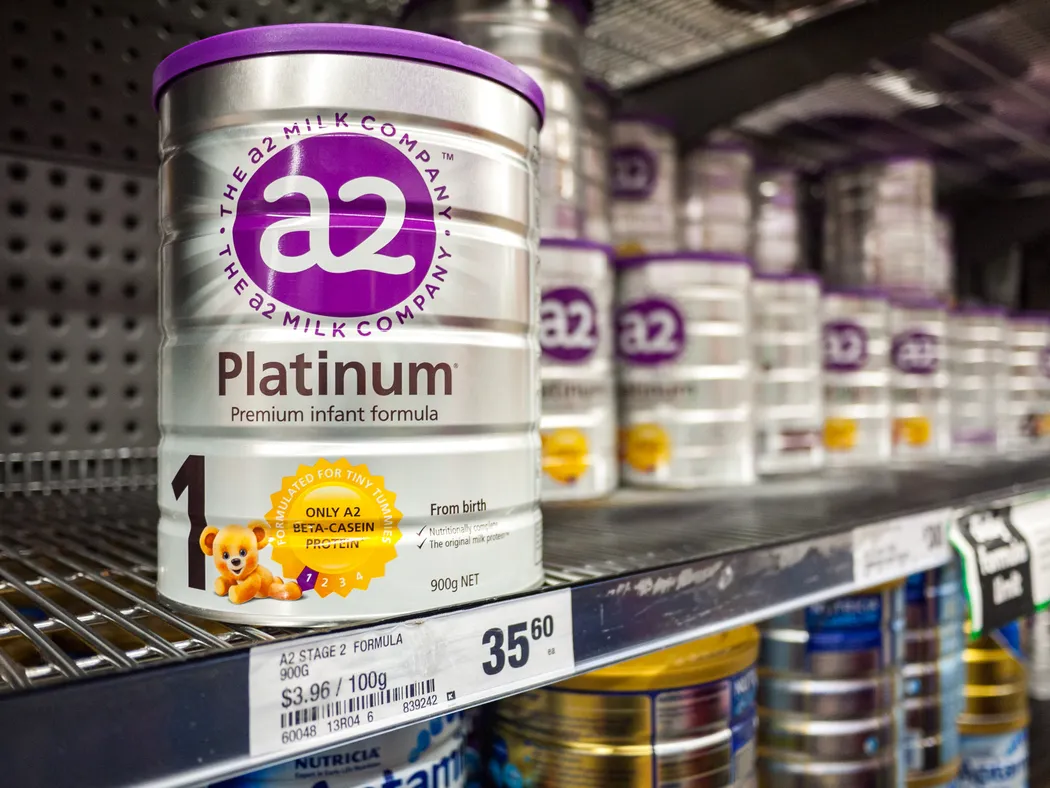
Regular cow milk contains two types of beta-casein protein: A1 and A2. Most dairy cows produce a mix of both. A2 formula is made using milk sourced from cows that produce only the A2 beta-casein variant, leaving out the A1 protein entirely.

Why does this matter? Some researchers have proposed that A1 beta-casein may be digested differently from A2 beta-casein and can release a peptide called beta-casomorphin-7 (β-CM-7) during digestion. A2 beta-casein produces substantially less of this peptide. However, whether β-CM-7 causes digestive symptoms or other health effects in humans remains uncertain.

A few important points to keep in mind:

  • A2 formula is a variant of regular cow milk formula, not a hypoallergenic product.
  • It still contains all the other proteins found in cow milk, including whey proteins that are common triggers in true cow milk protein allergy.
  • It is nutritionally similar to standard infant formula and meets the same regulatory standards for infant nutrition.

So is A2 formula better than regular formula? For most healthy babies, there is no proven advantage. The interest is specifically in infants who seem mildly uncomfortable with standard formula but do not have a confirmed allergy.

Signs Your Baby May Be Sensitive to Cow Milk Protein

Mild cow milk protein sensitivity and a true cow milk protein allergy (CMPA) are not the same thing, but they can look similar. Common signs of milk protein intolerance in babies include:

  • Frequent spitting up or vomiting after feeds
  • Excessive gas, bloating, or a visibly hard belly
  • Loose, watery, or mucousy stools
  • Persistent fussiness or crying, especially soon after feeding
  • Poor weight gain or feeding reluctance
  • Skin rashes, eczema, or hives

These symptoms overlap with many other infant conditions, including colic, reflux, and lactose overload. A symptom diary noting feed times, amounts, and reactions can be very useful when you speak to your paediatrician.

A confirmed diagnosis of CMPA is a medical one. It typically requires an elimination trial, oral food challenge, or in some cases allergy testing under a doctor's supervision. If your baby shows signs of a severe reaction, such as blood in the stool, significant difficulty breathing, or facial swelling, seek emergency care immediately.

For more day-to-day guidance on keeping your newborn comfortable and healthy, the newborn care essentials guide covers helpful basics for new parents.

Can A2 Formula Help Babies with Milk Sensitivity?

The honest answer is: possibly, for a small group of babies, but the evidence is still limited.

A small number of clinical studies suggest that some healthy infants may experience differences in stool consistency, gastrointestinal comfort, or crying when given an A2 beta-casein-containing formula. However, the evidence remains limited, and some studies have evaluated formulas containing other nutritional modifications as well as A2 beta-casein. Further research is needed to determine whether A2 beta-casein itself provides meaningful benefits.

Critically, A2 formula is not a treatment for cow milk protein allergy. Because it still contains cow milk proteins, including the whey proteins that drive most true CMPA reactions, it is not appropriate for babies with a diagnosed cow milk protein sensitivity at the allergic end of the spectrum. For those children, a paediatrician may recommend an extensively hydrolysed formula or, in selected cases, an amino acid-based formula.

A2 formula also does not address lactose intolerance. The lactose content in A2 formula is the same as in standard formula. If your baby has confirmed lactase deficiency, this formula will not help.

When to Consult a Doctor Before Switching Formula?

Do not switch your baby's formula without speaking to a paediatrician first. This applies to any formula change, not just a switch to A2 formula.
Here is why this matters. Symptoms like fussiness, gas, and loose stools are common in young infants and often resolve on their own. Switching formula repeatedly based on symptoms alone can delay an accurate diagnosis and expose your baby to unnecessary dietary changes.

Your paediatrician can help you:

  • Determine whether symptoms are likely feeding-related or caused by something else
  • Rule out or diagnose CMPA, lactose intolerance, reflux, or colic
  • Recommend the right formula type based on your baby's specific needs
  • Monitor weight and growth during any trial period

For babies with confirmed CMPA, guidelines generally recommend an extensively hydrolysed formula (where milk proteins are broken down into smaller fragments) and, in selected cases, an amino acid-based formula. A2 formula is not considered an appropriate treatment for CMPA. The best formula for milk protein allergy is one prescribed or recommended by a qualified healthcare provider, not chosen off a shelf based on marketing.

Contraindications and Who Should Avoid A2 Formula

A2 formula is not suitable for every baby. Do not use it if your baby:

  • Has a confirmed diagnosis of cow milk protein allergy (IgE-mediated or non-IgE-mediated)
  • Has galactosaemia, a rare metabolic disorder in which the body cannot properly process galactose, a component of lactose found in standard milk-based formulas
  • Is under a specific dietary restriction prescribed by a doctor
  • Has shown a severe allergic reaction to any cow milk-based product

In these situations, a medically appropriate formula prescribed by your doctor is essential. Using A2 formula in place of a prescribed hydrolysed or amino acid formula could put your baby's health at risk.

If you notice any new or worsening symptoms after introducing any formula, including A2 formula, report adverse events to your healthcare provider or the relevant regulatory authority.

Prescribing and Safety Information

A2 vs A1 formula is a frequently searched comparison, but formula choice is not a decision that should be made based on online information alone. Infant formula is a sole source of nutrition for many babies, making the stakes high.

Key points for caregivers:

  • Most babies can switch between formulas of the same type without needing a gradual transition. If your baby has difficulty accepting or tolerating the new formula, your paediatrician may suggest introducing it gradually.
  • If a paediatrician recommends a formula trial to investigate suspected cow milk protein allergy, the diagnostic elimination period is typically around two to four weeks before reassessment and planned reintroduction or challenge. The appropriate duration depends on the suspected condition and your baby's symptoms.
  • Formula selection should be reviewed by a paediatrician or paediatric dietitian, particularly for infants with known or suspected allergies or metabolic conditions.
  • Do not use A2 formula as a substitute for medically prescribed hypoallergenic formula.

Conclusion

A2 infant formula may be tolerated well by some babies who experience mild digestive discomfort with standard cow milk-based formula, but current evidence is limited and does not establish A2 formula as a treatment for milk protein allergy. Because A2 formula still contains intact cow milk proteins, it is not suitable for babies with confirmed cow milk protein allergy or those who require a medically prescribed hypoallergenic formula.

If your baby develops persistent digestive symptoms, poor weight gain, skin reactions, or other concerning signs after feeding, speak with a paediatrician before changing formula. A healthcare professional can help identify the underlying cause and recommend the most appropriate feeding option for your baby's needs.

FAQS

Is A2 formula good for babies with sensitive stomachs?

Some babies with mild digestive discomfort on standard cow milk formula may tolerate A2 formula better, based on limited early research. However, it is not a proven remedy for all types of stomach sensitivity, and a paediatrician should guide the decision.

Can A2 formula cause allergies?

Yes, it can, because it still contains cow milk proteins, including whey, which are common allergy triggers. Babies with a true cow milk protein allergy should not be given A2 formula.

How long does it take to see improvement after switching to A2 formula?

Most paediatricians suggest allowing two to four weeks for a fair assessment, as digestive systems take time to adjust. If symptoms worsen at any point, stop and consult your doctor promptly.

Is A2 formula the same as goat milk formula?

No. A2 formula is cow milk-based, sourced from cows that only produce A2 beta-casein. Goat milk formula comes from goats and has a different protein profile, though goat milk also naturally contains a higher proportion of A2 beta-casein.

What is the difference between A2 formula and hypoallergenic formula?

A2 formula contains intact cow milk proteins and is not hypoallergenic. Hypoallergenic formulas, such as extensively hydrolysed or amino acid-based products, have the proteins broken down or removed so they are far less likely to trigger an allergic response in babies with diagnosed CMPA.

Apollo 247 Floating Action Button