logo
0

Additives in Baby Food: Maltodextrin & Preservatives Guide

Learn about maltodextrin and preservatives in baby food, including their uses, potential concerns, safety considerations and what parents should look for.

article image

Dr.Nallapu Siri

As a parent, walking down the baby food aisle can feel a bit overwhelming. You want to give your little one the healthiest, most nourishing start in life. However, turning over a jar or pouch of baby food often reveals a long list of scientific-sounding ingredients. Among these, you might notice thickeners and shelf-stabilising agents. Understanding what ingredients like maltodextrin in baby food really are—and how they affect your child's developing body—is the first step toward making confident, informed choices at the grocery store.

In this comprehensive guide, we will break down the facts about common additives, focusing on maltodextrin and preservatives like sodium benzoate. We will explore why these ingredients are used, what the latest medical research says, and how you can navigate food labels to keep your baby safe and healthy.

What is Maltodextrin in Baby Food, and Why Is It There?

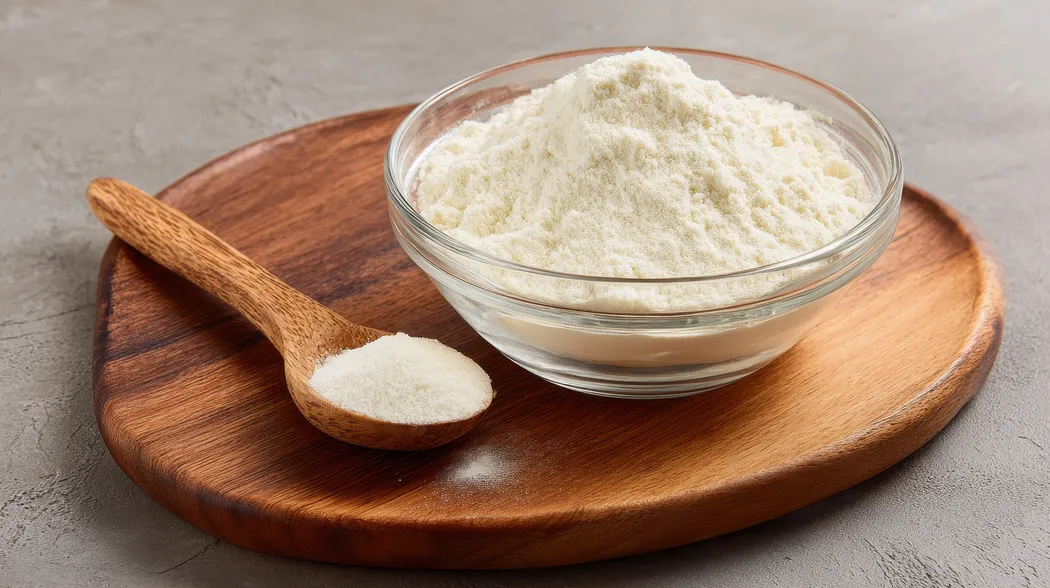
Maltodextrin is a white, powdery food additive made from starch. Manufacturers typically derive it from corn, rice, potato, or wheat. To make maltodextrin, the plant starch undergoes a highly intensive chemical process called enzymatic hydrolysis. This process breaks down the starch into smaller molecular chains, resulting in an easily digestible carbohydrate powder with a neutral flavour.

If you find maltodextrin in baby food products, it is often serving one of several functional purposes:

  • Thickening Agent: It improves the texture, consistency, and mouthfeel of purees, making them smoother and more appealing to babies.
  • Shelf-Life Extender: It helps stabilize the food, preventing ingredients from separating over time on supermarket shelves.
  • Filler: Because it is highly soluble and inexpensive, it can be used to bulk up the volume of a product without adding significant manufacturing costs.
  • Source of Quick Energy: It is a carbohydrate that the body can quickly break down into glucose.

While it is classified as safe by food regulatory agencies, maltodextrin is highly processed. It possesses a very high glycemic index (GI), ranging from 85 to 105. This means it can cause rapid spikes in blood sugar levels, which is a key consideration for overall metabolic health.

Understanding Maltodextrin in Infant Formula

For infants who are not exclusively breastfed, formula is their primary source of nutrition. Because of this, parents are often surprised to discover maltodextrin in infant formula labels.

  • Standard Infant Formula Carbohydrate Source: Lactose (Mimics Breast Milk)
  • Specialty/Hypoallergenic Formula Carbohydrate Source: Maltodextrin or Corn Syrup Solids

In standard cow's milk-based formulas, lactose is the primary carbohydrate because it naturally mimics the composition of human breast milk. However, manufacturers frequently use maltodextrin in infant formula designed for specific dietary needs, such as:

  • Hypoallergenic Formulas: For infants with severe cow's milk protein allergies or sensitive digestive systems, lactose can sometimes be difficult to tolerate. Maltodextrin serves as an easily digestible, gluten-free carbohydrate alternative.
  • Lactose-Free Formulas: If a baby has a rare congenital lactose intolerance or temporary lactase deficiency following a stomach illness, maltodextrin provides the necessary energy calories without triggering digestive distress.
  • Anti-Reflux Formulas: Thicker formulas can help reduce spit-up, and maltodextrin helps achieve this thicker consistency.

While medically necessary for some infants, daily consumption of maltodextrin-based formula should be discussed with your paediatrician. Clinical research suggests that a diet high in processed food additives can alter the delicate balance of a baby's developing gut microbiome, potentially favoring the growth of unfavorable bacterial strains over beneficial ones.

Preservatives in Baby Food: Spotting the Common Culprits

Preservatives are substances added to food to prevent spoilage from bacteria, yeast, and mould, thereby extending shelf life. While some preservatives are natural (such as citric acid or vitamin C), others are synthetic.

Infants and toddlers are highly vulnerable to chemical food additives. Their metabolic, immune, and nervous systems are still developing, and their smaller body weight means they receive a higher dose of additives per pound of body weight than adults do. One chemical preservative that frequently causes concern among paediatricians and parents alike is sodium benzoate.

Is Sodium Benzoate Safe for Babies?

Sodium benzoate is a sodium salt of benzoic acid. It is highly effective at inhibiting the growth of microorganisms in acidic environments, which is why it is commonly found in fruit juices, salad dressings, and some processed fruit purees.

When parents ask if there is any level of sodium benzoate safe for babies, the general consensus among health experts is that it should be avoided in infant diets.

SAFETY CHECK: SODIUM BENZOATE FOR INFANTS

Potential Concerns

Expert Recommendation

Immature hepatic clearance

Avoid foods containing sodium benzoate for infants

Possible association with childhood hyperactivity

Choose fresh or organic purées where possible

Potential risk of benzene formation

Minimise processed fruit juices

Here is why is sodium benzoate safe for babies is a question with a cautious "no" from a pediatric health perspective:

  • Immature Organ Systems: An infant's liver and kidneys are not yet fully matured. This means they cannot detoxify and excrete synthetic preservatives as efficiently as an adult can.
  • The Benzene Concern: When sodium benzoate is combined with vitamin C (ascorbic acid)—which is naturally highly present in many baby fruit purees—a chemical reaction can occur under certain conditions (like exposure to heat or light) to form benzene. Benzene is a known carcinogen. While levels found in food are generally incredibly low, minimising any exposure for developing infants is highly recommended.
  • Hyperactivity Link: Landmark clinical trials have suggested a link between synthetic preservatives like sodium benzoate, when consumed alongside artificial food colourings, and increased hyperactivity in young children.

To protect your infant's health, major health organizations, including the World Health Organization (WHO), recommend that foods formulated specifically for infants and young children should ideally contain zero artificial preservatives.

How to Choose the Best and Safest Foods for Your Baby

Navigating the grocery store doesn't have to be stressful. By adopting a few simple habits, you can keep your baby's diet as pure and nutritious as possible.

1. Read the Ingredient List, Not Just the Front of the Pack

The front of a baby food package is marketing space. It may say "natural" or "healthy," but the ingredient list on the back tells the true story. Look for products that list only whole foods, such as "organic peas and water" or "organic pears."

2. Choose USDA Certified Organic

In many regions, certified organic baby foods are subject to stricter regulations regarding additives. Buying organic is an easy way to ensure the product is free from synthetic chemical preservatives like sodium benzoate.

3. Minimize Highly Processed Thickeners

While not toxic, choosing options without maltodextrin in baby food can help prevent unnecessary blood sugar spikes. Look for purees thickened naturally with ingredients like organic oat flour, sweet potato, or banana.

4. Make Your Own Baby Food at Home

The absolute best way to know exactly what your baby is eating is to prepare food at home. It is simpler than it sounds:

  • Steam organic fruits or vegetables (like carrots, apples, squash, or peas).
  • Puree them in a blender with a little water, breast milk, or formula.
  • Freeze excess portions in silicone ice cube trays for easy, single-serving meals later.

Conclusion

Maltodextrin and preservatives such as sodium benzoate can serve useful functions in some commercial baby foods and specialised infant formulas, but parents may prefer products with simple, minimally processed ingredients where suitable. Always read the ingredient list rather than relying only on front-of-pack claims, and choose foods appropriate for your baby's age and nutritional needs. When possible, offering freshly prepared foods can make it easier to control exactly what goes into your baby's meals.

FAQS

Why is maltodextrin added to baby food?

Maltodextrin is added to baby food primarily as a thickening agent to improve texture, as a filler to increase volume cheaply, and to help extend the product's shelf life. In specialized formulas, it serves as an easy-to-digest carbohydrate source for infants who cannot tolerate lactose.

Is maltodextrin in baby food safe for daily consumption?

Yes, regulatory bodies classify maltodextrin as safe. However, because it is a highly processed starch with a high glycemic index, regular consumption can cause rapid blood sugar spikes. For general health and optimal gut development, health experts recommend prioritizing whole, minimally processed foods over foods with added starches.

Is sodium benzoate safe for babies in small amounts?

While regulatory agencies permit tiny amounts of sodium benzoate in general food products, pediatric health experts advise against feeding any artificial preservatives to babies. An infant’s immature metabolic system cannot process synthetic chemicals as efficiently as an adult's, and there are concerns regarding potential hyperactivity and chemical reactions with vitamin C.

How can I easily avoid synthetic preservatives in baby food?

The easiest way to avoid synthetic preservatives is to buy certified organic baby foods, read product ingredient labels carefully to ensure no chemicals are listed, and prepare fresh, homemade purees using whole fruits and vegetables.

What is the difference between maltodextrin and sugar on baby food labels?

While maltodextrin is a complex carbohydrate, it behaves similarly to simple sugar in the body because it has a very high glycemic index. However, because it is technically classified as a starch, manufacturers do not have to list it as "sugar" under the nutrition facts, which can sometimes make a product seem healthier than it actually is.

Apollo 247 Floating Action Button