logo
0

Almonds and Nut Powders for Babies

Discover how to safely introduce almond powder baby food, nut pastes and powders to your infant. Learn simple recipes, benefits and paediatric safety tips.

article image

Dr. J.T.Hema Prathima

Starting your little one on solid foods is an incredibly exciting milestone. As a parent, you want to offer the most nutrient-dense options to support your baby's rapid brain development, bone growth and immune system. Almonds and other tree nuts are nutritional powerhouses, but because whole nuts present a major choking hazard, many parents turn to almond powder baby food as a safe, easy and highly nutritious alternative to introduce these healthy fats early in life.

In this comprehensive guide, we will explore the benefits of introducing nut powders and pastes to your baby, safety guidelines to prevent choking and manage allergies, and easy recipes you can prepare at home.

When Can I Introduce Almonds to My Baby?

As you begin your family's solid food journey, you might be curious about the timeline for introducing tree nuts.

Can I Give Almonds to My 5-Month-Old Baby?

One of the most common questions paediatricians hear is, "Can I give almonds to my 5-month-old baby?" According to the World Health Organization (WHO), babies should be exclusively breastfed or formula-fed for the first six months of life. However, some infants show developmental readiness for solid foods slightly earlier, around five months. Before introducing any nut-based foods at this stage, consult your paediatrician to ensure your baby is developmentally ready.

Can I Give Almonds to My 6-Month Baby?

If you are wondering, "Can I give almonds to my 6-month baby?" the answer is generally yes! At six months, most babies are ready to start exploring complementary solid foods. Paediatric guidelines from the Centers for Disease Control and Prevention (CDC) suggest introducing common food allergens, including tree nuts, around this time, as early introduction may help reduce the risk of developing food allergies later in life.

Can I Give Almonds to My 7-Month Baby?

By the time your child is a bit older, you might ask, "Can I give almonds to my 7-month baby?" At seven months, your baby's digestive system is becoming more robust, and they are likely enjoying a wider variety of purées and mashed foods. This is an ideal time to regularly incorporate finely ground nut powders into their daily meals to boost their nutritional intake.

Why Choose Almond Powder Baby Food for Your Little One?

Using almond powder baby food is an incredibly convenient and safe way to offer your baby all the amazing health benefits of almonds without any of the choking risks associated with whole nuts.

Is Almond Good for Babies?

You might be asking yourself, "Is almond good for babies?" The answer is yes! Almonds are packed with vital nutrients that support infant development:

  • Healthy Fats: Rich in monounsaturated fats, which are crucial for early brain development.
  • Vitamin E: A powerful antioxidant that helps support immune health and protects cells.
  • Calcium and Phosphorus: Essential minerals for building strong bones and healthy teeth.
  • Dietary Fibre: Promotes healthy digestion and helps prevent infant constipation.

Is Cashew Good for Babies?

Similarly, you might wonder, "Is cashew good for babies?" Yes. Cashews provide a creamy texture and are loaded with copper, magnesium, zinc and iron. Iron is especially critical for babies around six months of age, as their natural iron stores begin to deplete.


Choking Hazards and Safe Textures: Powders vs. Pastes
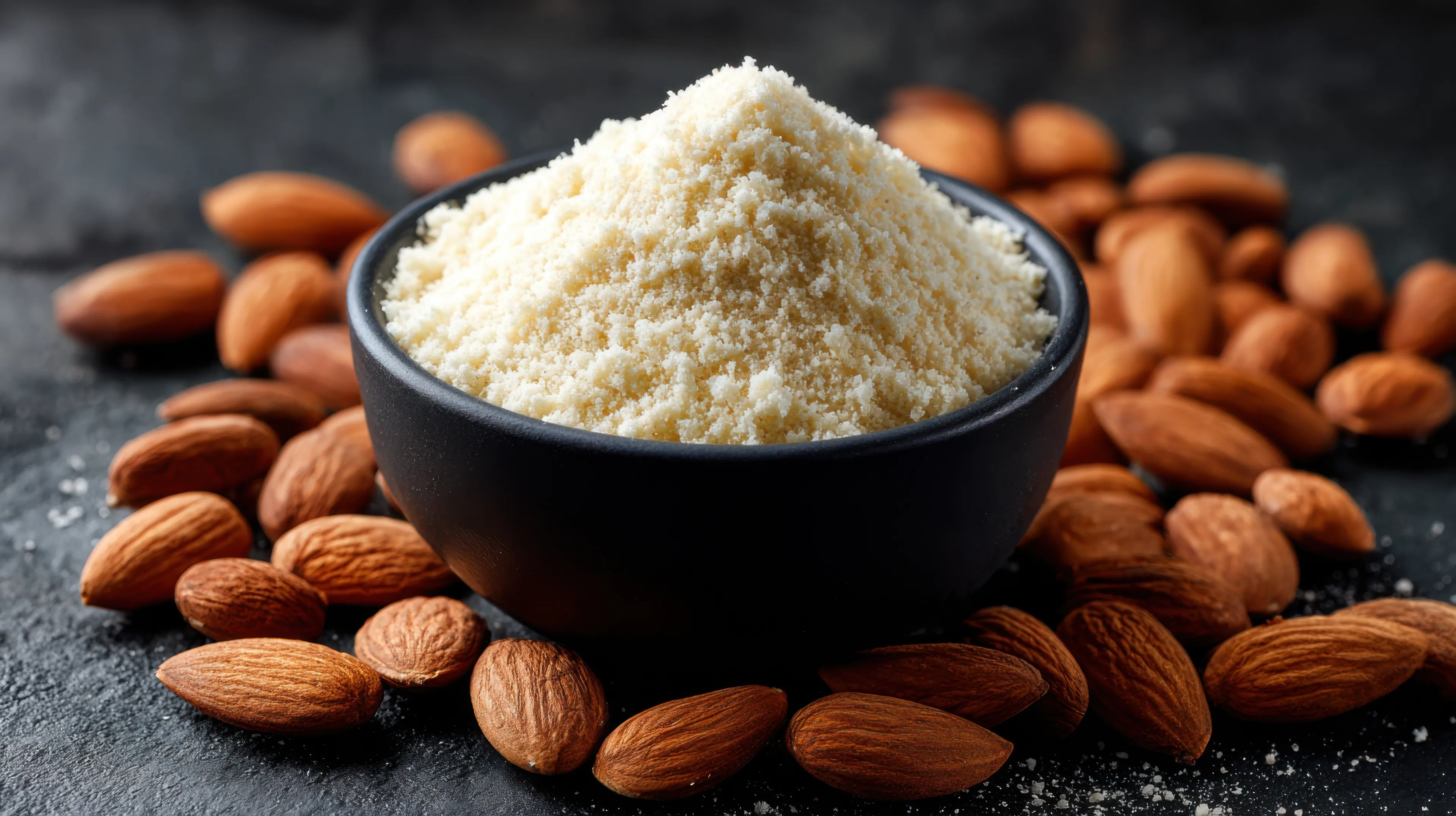
While nuts are incredibly healthy, they must be prepared correctly. Whole nuts, nut pieces and thick, sticky spoonfuls of nut butter are severe choking hazards for infants. To feed your baby safely, you must alter the texture completely.

Using Nut Pastes Safely

To make nut butters safe, you can thin them out. You can use almond paste baby food diluted with breast milk, warm water or formula to create a runny consistency. Never give thick, undiluted almond paste for baby food directly from a jar, as its sticky nature can easily block your baby’s airway.

The same rule applies to cashews. Diluted cashew paste baby food or cashew paste for baby food mixed into warm vegetable purées can be safely swallowed by your infant.

Why Powders Are a Safe Choice

Using almond powder for baby food is one of the most versatile options for parents. Finely ground powder can be incorporated into liquids, purées and warm cereals, provided there are no large pieces or hard granules that could pose a choking hazard.

How to Prepare Almond and Cashew Foods for Your Baby

Preparing homemade nut powders and purées is simple, cost-effective and ensures that your baby is eating pure, preservative-free ingredients.

How to Make Homemade Almond Powder Baby Food

To prepare a safe, smooth powder at home, follow these steps:

  1. Blanch the Almonds: Place raw almonds in boiling water for 1 to 2 minutes. Drain them, let them cool and slip off the skins. Removing the skins makes the almonds easier for your baby to digest.
  2. Dry Thoroughly: Pat the peeled almonds dry with a clean kitchen towel. You can also lightly roast them in a dry pan on low heat for a few minutes to remove residual moisture, but do not let them brown.
  3. Blend into a Fine Powder: Place the dried almonds in a high-speed blender or spice grinder. Pulse in short bursts. Be careful not to blend continuously, or you will accidentally make almond butter instead of powder.
  4. Sift and Store: Sift the powder through a fine-mesh sieve to catch any large pieces. Store this homemade almond powder baby food in an airtight container in the refrigerator to keep it fresh.

Making a Creamy Almond Purée for Baby

If your baby is just starting on smooth purées, you can easily create a nutritious almond puree for baby:

  • Mix 1 teaspoon of homemade almond powder into 2 tablespoons of warm breast milk or formula.
  • Stir in a mashed banana or warm apple purée to create a smooth blend.

Preparing Cashew Powder and Combinations

You can also prepare cashew powder baby food using a similar method of roasting and pulsing raw cashews.

Once your baby has successfully tried both almonds and cashews individually without any allergic reactions, you can create almond cashew powder baby food. This combination powder can be sprinkled over oatmeal, stirred into mashed sweet potatoes or mixed into yoghurt to increase the calorie and nutrient density of your baby's meal.


Step-by-Step Guide to Safely Introducing Nut Allergens

Tree nuts are among the most common food allergens. Introducing them requires a mindful, step-by-step approach:

  1. Start Small: Start with a very small amount—about 1/8 of a teaspoon of almond powder mixed into a safe, already-accepted purée.
  2. Pick the Right Time: Introduce the new food in the morning or early afternoon. This gives you plenty of time to monitor your baby for any reactions during the day.
  3. Feed Only When Healthy: Ensure your baby is healthy and free of any illnesses or flare-ups of eczema before introducing a new allergen.
  4. Look for Symptoms: Watch closely for any signs of an allergic reaction. These can include:

    Hives or red, itchy skin welts.
    Swelling of the lips, tongue or face.
    Vomiting or sudden diarrhoea.
    Coughing, wheezing or difficulty breathing. Seek emergency medical care immediately if this occurs.

  5. Wait Three Days: Wait 3 to 5 days before introducing any other new foods. This makes it easier to identify the culprit if an allergic reaction does occur.

Conclusion

Almonds and nut powders can be nutritious additions to a baby’s complementary diet when introduced at the appropriate stage and prepared in a safe, age-appropriate form. They provide nutrients such as healthy fats, protein, vitamins, and minerals that can support growth and development. Whole almonds and coarse nut pieces should not be given to babies because of the choking risk. Instead, almonds and nut powders should be finely ground and mixed into suitable foods with an appropriate consistency. By introducing them gradually, watching for signs of allergic reactions, and offering them as part of a varied diet, parents can safely include almonds and nut powders in their baby’s meals.

FAQS

How do I store homemade almond powder baby food?

Because nuts contain high levels of healthy oils, they can spoil and turn rancid quickly if exposed to heat, air and light. Store your homemade powder in an airtight glass jar in the refrigerator for up to 3 to 4 weeks, or in the freezer for up to 3 months.

Can I mix almond powder for baby food into formula or breast milk?

Yes, you can mix a small amount of almond powder for baby food into your baby's formula or breast milk, but only if they are being fed with a spoon or cup. Avoid putting nut powders directly into a baby bottle, as this can clog the teat and pose a choking risk.

What is the difference between store-bought almond flour and almond powder baby food?

Store-bought almond flour is often made from raw, unpeeled almonds or may contain additives. Making homemade powder allows you to control the quality, ensure the skins are removed and guarantee there are no added sugars or preservatives.

What should I do if my baby has an allergic reaction to cashew paste baby food?

If your baby shows mild symptoms like a few hives around the mouth, stop feeding them the cashew paste immediately and consult your paediatrician. If you notice severe symptoms such as swelling, hives all over the body, vomiting or trouble breathing, seek emergency medical attention immediately.

How often can I give almond cashew powder baby food to my infant?

Once your baby has successfully tried both nuts with no allergic reaction, you can offer almond cashew powder baby food 2 to 3 times a week. Consistent exposure to allergen-containing foods throughout infancy may help maintain your baby's tolerance.

Apollo 247 Floating Action Button