logo
0

Apple Banana Puree for Baby: Tasty Puree Combinations

Learn how to make apple puree combinations for your baby. Explore easy, nutritious apple puree combinations with pear, potato, and more for your growing infant.

article image

Dr. Ezhilrasan

Introducing your baby to solid foods is a beautiful, exciting, and sometimes messy milestone. Around the six-month mark, babies begin to outgrow their natural iron stores and show a keen interest in what is on your plate. Choosing the right first baby food is essential for their developing digestive systems.

Apples are a classic, time-tested starter food because they are naturally sweet, highly digestible, and rich in dietary fibre. If you are looking for an easy, nutritious starter recipe, making an apple banana puree for baby is an excellent option.

In this guide, we will explore why this combination is so beneficial, how to easily prepare it at home, and what other wholesome apple puree combinations for baby you can introduce to support healthy growth and development.

Why Apple Banana Puree for Baby Is a Perfect First Food

When transitioning to solids, the World Health Organization (WHO) recommends introducing complementary foods that are nutrient-dense and easy to swallow. An apple banana puree for 6 months baby serves as a suitable introductory meal. At this stage, your baby’s digestive system is still maturing, and the combination of gently cooked apple and soft banana provides a smooth texture that can be easy to manage.

You might be asking yourself: Can I mix apple and banana for baby food? Absolutely. The natural creaminess of the banana balances the slight tartness of the apple, making the combination appealing to many infants.

Using a banana apple puree baby food recipe is a way to provide a combination of nutrients. Bananas contain potassium, while apples provide pectin, a type of soluble fibre that contributes to normal bowel function.

Whether you prepare a silkier banana apple puree baby blend for beginners or a slightly textured banana apple mash baby food for older infants, this duo provides carbohydrates and other nutrients as part of a varied diet.

Choosing the Best Ingredients for Baby Purees

Before we cook, starting with high-quality, fresh ingredients is key.

  • Apples: Choose sweet, mild varieties such as Gala, Fuji, or Delicious. These apples are naturally sweet, meaning you will not need to add any sweeteners, which should be avoided in infant food.
  • Bananas: Look for ripe bananas with yellow skins and a few brown spots. Ripe bananas are sweeter, softer, and much easier for your baby to mash than green ones.

By selecting the right ingredients, you ensure that your homemade banana apple puree for baby meals is made with fresh, nutritious ingredients.

How to Prepare Homemade Apple Banana Puree

Making your own baby food is simpler than you might think, and it allows you to maintain full control over what goes into your child’s food. This recipe produces a wonderfully smooth consistency that is suitable for beginners.

Ingredients:

  • 1 sweet apple (peeled, cored, and chopped)
  • 1 ripe banana (peeled and sliced)
  • Water, breast milk, or formula (for thinning)

Step-by-Step Instructions:

  • Prep the Apple: Peel the apple thoroughly, remove the core, and cut it into small, even chunks. Peeling is important at this early stage, as apple skins can be difficult for young babies to chew.
  • Steam the Apple: Place the apple chunks in a steamer basket over boiling water. Cover and steam for about 10 to 12 minutes, or until the apples are completely tender and can be easily pierced with a fork.
  • Cool Slightly: Let the steamed apples cool down for a few minutes so they are safe to handle and blend.
  • Combine and Blend: Place the cooked apples and the raw sliced banana into a blender or food processor. Blend until you achieve an apple banana puree baby smooth consistency. If the mixture is too thick, add a splash of breast milk, infant formula, or the leftover steaming water to thin it out.
  • Serve or Store: Let the puree cool to an appropriate temperature before feeding it to your baby.

If your baby is a bit older and starting to master chewing, you can easily adapt this recipe. Simply steam the apples until they are extra soft and mash them together with the banana using a fork to create a hearty apple banana mash baby food. This rustic texture helps babies transition from purees to soft table foods.

Preparation Tip:

If you want to prepare a batch of banana and apple puree for baby meals ahead of time, you can freeze the mixture in silicone ice cube trays. Once frozen, transfer the cubes to a freezer-safe bag. This makes portion control incredibly easy.

What Can I Mix with Apple Puree for Baby?

Once your baby has successfully tried apples and bananas individually without any adverse reactions, you can begin expanding their culinary horizons. If you are wondering what you can mix with apple puree for baby, you will be pleased to know that apples are incredibly versatile. They pair beautifully with other fruits, root vegetables, and healthy fats.

Below are some of the best apple puree combinations for baby to try.

1. The Gentle Pear and Apple Blend

Pears are gentle in flavour and provide dietary fibre and water as part of a varied diet.

Many parents wonder, can i mix apple and pear puree for baby? Yes, they are a suitable combination. A sweet pear apple puree baby dish provides a mild flavour profile and dietary fibre.

To make this, you can steam equal parts apple and pear together, then blend. This classic apple pear puree for baby is a wonderful alternative to apple-banana mixtures. Preparing a batch of apple pear puree baby food or a smooth pear and apple puree for baby will quickly become a household favourite. This nourishing apple and pear puree for baby provides a smooth, mild flavour profile that is highly accepted by infants.

2. Creamy Avocado and Pear Puree

While apples are an excellent base, integrating healthy fats is important for your baby's growth and development. A rich avocado and pear puree for baby is an excellent meal option. Avocado provides heart-healthy monounsaturated fats and a velvety texture, while pear adds sweetness and essential nutrients.

3. Savoury Apple and Potato Purees

As your infant grows, you can start introducing earthy root vegetables to balance the sweet fruits.

  • Sweet Potato and Apple: Sweet potatoes are rich in beta-carotene, which the body converts into vitamin A. Steaming sweet potato alongside apple creates a delicious, naturally sweet vegetable-forward blend.
  • White Potato and Apple: An apple and potato puree for baby offers a unique flavour profile. White potatoes provide a comforting, starchy base rich in potassium and vitamin C. Combining these ingredients into a warm potato and apple puree for baby is a comforting way to transition your little one to savoury foods while keeping a familiar hint of apple sweetness.

Adjusting Textures for Different Stages

As your little one grows, their feeding capabilities change rapidly. It is important to adjust the texture of their food to match their developmental stage:

  • 6 Months: Stick to ultra-smooth purees, like a starter apple banana puree baby food. Use breast milk or formula to thin the mixture to a slightly runny consistency.
  • 7 to 8 Months: Transition to a slightly thicker consistency. An apple banana puree for a 7-month-old baby can be left a little thicker, or you can begin introducing soft, fork-mashed textures like a banana apple mash baby food to encourage chewing skills.
  • 9 Months and Older: At this stage, many babies can handle small, soft lumps. You can offer well-cooked apple pieces and banana slices as safe finger foods, following age-appropriate feeding practices.

Safe Prep, Storage, and Feeding Guidelines

To keep your baby’s mealtimes both safe and nutritious, keep these essential public health guidelines in mind:

The "Three-Day Rule"

When introducing a new food, offering one new ingredient at a time can make it easier to identify the cause of a possible allergic reaction or digestive upset. A rigid three-day waiting period is not required for every new food.

Sanitary Preparation

Always wash your hands thoroughly before preparing baby food. Clean all knives, cutting boards, and blenders carefully to prevent cross-contamination.

Safe Storage Methods

  • Refrigeration: Store fresh homemade purees in an airtight container in the fridge and use them promptly.
  • Freezing: You can freeze purees for longer-term storage. When thawing, do so in the refrigerator rather than leaving the food on the counter at room temperature.
  • Never Re-serve Leftovers: If your baby does not finish their bowl, discard the leftovers. Bacteria from your baby’s saliva can transfer from the spoon to the food and multiply quickly.

Avoid Honey

Never add honey to your baby's food if they are under 12 months of age. Honey can contain spores of Clostridium botulinum, which can cause infant botulism, a rare but serious and potentially life-threatening illness.

FAQS

Can I mix apple and banana for baby food without cooking the banana?

Yes. Bananas do not need to be cooked. They are naturally soft when fully ripe. You only need to steam the apples to make them soft enough to blend safely, then add the raw banana to the blender with the cooked apples.
What is the best apple variety to use for baby puree?

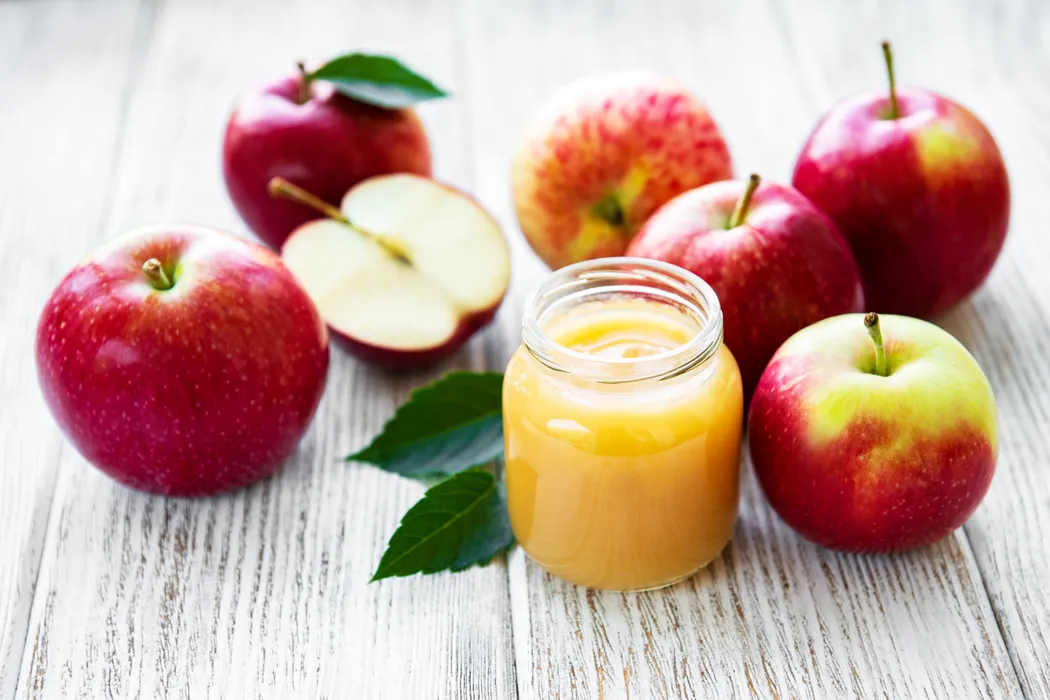
Sweet, mild varieties like Gala, Fuji, Pink Lady, or Golden Delicious can work well. Avoid very tart apples for early purees if your baby finds their sharp flavour unpleasant.

How do I know my baby is ready for solid foods?

Signs of readiness include being able to hold their head up steadily, sitting with little to no support, showing interest in what you are eating, and losing the tongue-thrust reflex, which automatically pushes food out of their mouth.

Can I freeze pear and apple puree?

Yes. Both apples and pears can be frozen. Pour the smooth puree into clean silicone freezer trays, freeze until solid, and then store the frozen cubes in a labelled, airtight freezer bag.

Why is my banana apple puree turning brown?

Like fresh apples and bananas, the puree can oxidise and turn slightly brown when exposed to air. This is natural and does not necessarily mean the puree has spoiled. To minimise browning, prepare smaller batches and store them appropriately.

Apollo 247 Floating Action Button