logo
0

Aptamil Gold: A Complete Guide

Learn about Aptamil Gold infant formula, including its varieties, stages, ingredients, nutritional features, age suitability, preparation, and feeding considerations.
 

article image

Dr. Ezhilrasan

Choosing the right infant milk formula is one of the first and most stressful decisions a new parent faces. Aptamil Gold is among the formula options parents in India frequently encounter, and understanding exactly what it is, how it differs from other Aptamil variants, and when each variety is appropriate can help you make a more informed choice alongside your pediatrician.

<Explore Infant Formula  >

What Is Aptamil Gold Infant Formula?

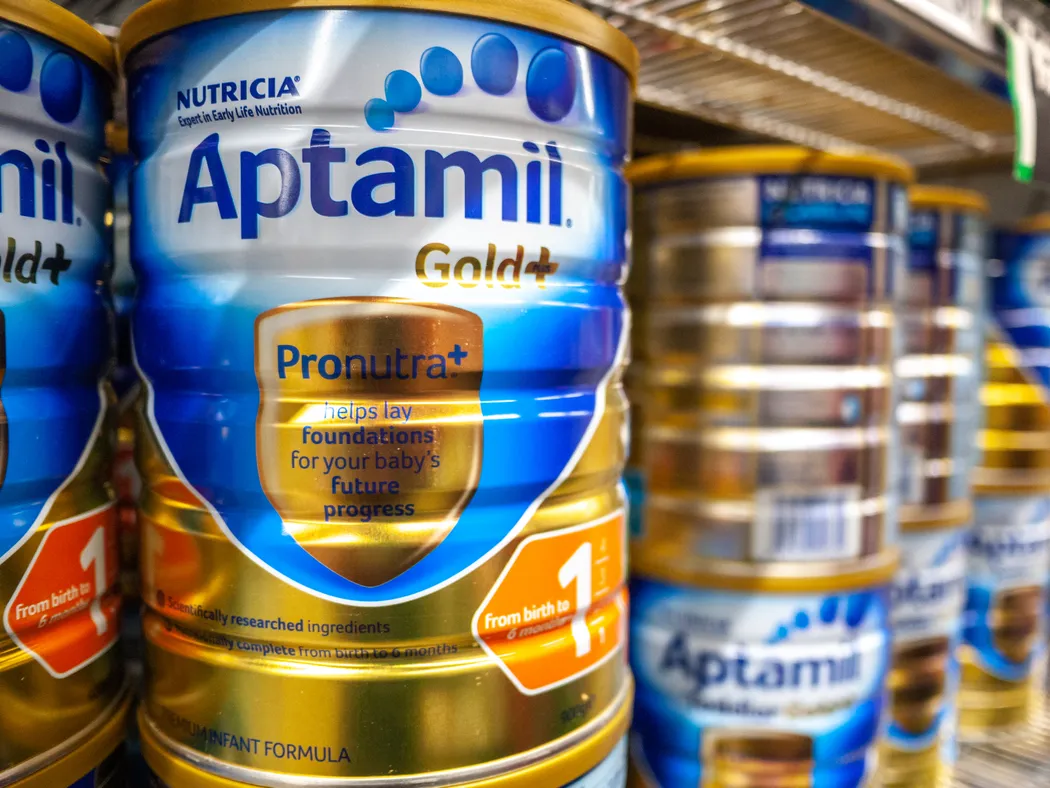
Aptamil Gold is a commercially prepared infant milk formula designed to feed babies when breastfeeding is not possible or not sufficient. Like all standard infant formulas, it is based on modified cow's milk protein and is nutritionally formulated to meet the general requirements of healthy, full-term infants.

The formula typically contains:

  • Whey and casein proteins in a ratio closer to breast milk
  • Lactose as the primary carbohydrate
  • A fat blend that often includes vegetable oils
  • Essential vitamins and minerals including iron, calcium, and vitamin D
  • Prebiotics such as galacto-oligosaccharides (GOS) and fructo-oligosaccharides (FOS) to support gut health

Aptamil Gold is not a medicine. It is a food product for infant nutrition, and its composition must meet food safety standards set by FSSAI for infant formulas sold in India.

Aptamil Gold vs Preterm vs Newborn: Key Differences

Aptamil produces different formula variants to match different stages of infancy and different clinical needs. The table below outlines the key differences.

Feature  Aptamil Gold     Aptamil Preterm Formula Aptamil Newborn Formula
Intended ageBirth onwards (full-term) Premature or low birth weight infants Birth to around 6 months
Protein level Standard for full-term infants Higher protein to support catch-up growth Adjusted for early newborn period
Calorie density Standard  Higher calories per 100 ml  Standard to moderate
Primary use case  General feeding when breastfeeding is not possible   Hospital or post-discharge for preterm babiesFirst-stage feeding for term newborns
Medical supervision required No, but always consult a doctor   Yes, typically hospital-initiated   No, but pediatrician guidance recommended

The aptamil preterm formula carries a higher nutrient and calorie density because premature babies have greater growth requirements and a narrower window of gut development. Aptamil newborn formula is calibrated for the more sensitive digestive system of a baby in the first weeks of life.

Nutrient profiles can vary by batch and market, so always read the label of the specific product you purchase and discuss it with your child's doctor.

Who Should Use Each Variant?

Aptamil Gold is intended for healthy, full-term babies (born at or after 37 weeks of gestation) when breastfeeding is not possible or is being supplemented. It can be used from birth.

Aptamil Preterm Formula is designed for babies born before 37 weeks of gestation, or those with low birth weight (typically below 2.5 kg). These infants need higher protein, calcium, phosphorus, and energy per feed. Aptamil preterm formula is almost always started in a hospital neonatal unit under medical supervision. If your baby was discharged on preterm formula, do not switch or continue without guidance from your neonatologist or pediatrician.

Aptamil Newborn Formula suits full-term babies from birth through the earliest months. It falls under the standard first-stage infant milk formula category and is not intended for premature infants.

A full-term, healthy baby does not need preterm formula. Using a higher-protein, higher-calorie formula in a baby who does not require it may place unnecessary load on developing kidneys. Always follow your pediatrician's recommendation on which aptamil formula stages to use and when to transition.

For a broader look at caring for your baby in those early weeks, see newborn care essentials beyond feeding.

How to Prepare and Store Formula Safely?

Improper preparation is one of the most common causes of feeding problems and infections in formula-fed infants. Follow these steps every time you prepare a feed.

Preparation steps:

  1. Wash your hands thoroughly with soap and water before handling any feeding equipment.
  2. Sterilise all bottles, teats, and utensils before each use by boiling or using a steam steriliser.
  3. Boil fresh tap water and allow it to cool to approximately 70 degrees Celsius. Do not use water left standing for more than 30 minutes after boiling.
  4. Pour the required amount of water into the sterilised bottle first.
  5. Use the scoop provided in the pack. Level each scoop with the back of a clean, dry knife. Never pack the scoop tightly.
  6. Add the exact number of scoops specified on the label for the volume you are using. Never add extra scoops to make a feed "stronger."
  7. Seal the bottle and shake well until fully dissolved.
  8. Cool quickly under cold running water or in a bowl of cold water. Test on your inner wrist; the feed should feel lukewarm, not hot.

Storage rules:

  • Prepare each feed fresh just before feeding where possible.
  • If you must prepare feeds in advance, store in the back of the refrigerator (below 5 degrees Celsius) for no longer than 24 hours.
  • Discard any feed left in the bottle after a feed. Do not reheat or reuse.
  • Once a formula tin is opened, use it within the timeframe printed on the packaging (usually 4 weeks).

Using water at around 70 degrees Celsius during preparation is generally recommended to reduce the risk of bacterial contamination from powdered formula.

Contraindications and When Not to Use

Aptamil Gold and other standard cow's milk-based formulas are not appropriate for every baby. Do not use this product if your baby has been diagnosed with:

  • Galactosemia (inability to metabolise galactose): standard lactose-containing formulas are contraindicated; a specialist formula is required.
  • Cow's milk protein allergy (CMPA): standard formula triggers immune reactions. A pediatric allergist or gastroenterologist should guide you toward an extensively hydrolysed or amino acid-based formula instead.
  • Lactose intolerance confirmed by a doctor: a lactose-free alternative is needed.

Parents of babies who are thriving on breast milk are encouraged to continue breastfeeding. Formula is not a required supplement for healthy breastfed infants. If you are considering supplementing or switching, always discuss this with a pediatrician first rather than making the change independently.
Possible Side Effects and When to Seek Help?

Some digestive adjustment is normal in the first week or two after starting any new formula. Common, usually self-limiting symptoms include:

  • Mild gas or bloating
  • Changes in stool consistency or colour (formula-fed stools are often firmer and paler than breastfed stools)
  • Occasional spitting up after feeds

These generally settle without intervention. However, contact your pediatrician promptly if you notice:

  • Persistent vomiting or projectile vomiting after most feeds
  • Blood or mucus in the stool
  • A rash, hives, or swelling, particularly around the face or lips
  • Difficulty breathing after a feed
  • Consistent refusal to feed combined with poor weight gain
  • Severe, inconsolable crying or signs of abdominal pain

These may indicate an allergy, intolerance, or another medical condition that needs assessment. When in doubt, it is always safer to call your doctor than to wait.

Choosing the best formula milk for babies is not a single universal answer. What works well depends on your baby's gestational age, birth weight, health history, and how well they tolerate a particular product.

Important Safety Information

Aptamil Gold infant milk formula is a food product regulated under FSSAI guidelines applicable to infant formula in India. It is not a prescription medicine. Product formulations, nutrient compositions, and usage instructions are subject to change. Always read the product label and package insert at the time of purchase. The information in this article is for general guidance only and does not replace advice from a qualified healthcare professional.

Adverse Event Reporting: If your baby experiences an unexpected reaction after using any infant formula, report it to your healthcare provider immediately. You may also report adverse events to the Central Drugs Standard Control Organisation (CDSCO) or the relevant regulatory authority. Report adverse events to your healthcare provider or the relevant regulatory authority.

Conclusion

Aptamil Gold is available in different infant formula varieties and stages designed to provide nutrition during different stages of early childhood. Understanding the differences between these formulations, their ingredients, age suitability, preparation requirements, and intended uses can help parents make informed feeding choices. The appropriate formula depends on the baby's age, nutritional needs, growth, and individual health requirements. Parents should follow the manufacturer's preparation instructions and consult a paediatrician before choosing or changingformula, , particularly if the baby has allergies, intolerance, feeding difficulties, or other health concerns.

FAQS

Is Aptamil Gold the same as Aptamil Preterm?

No. Aptamil Gold is formulated for healthy, full-term infants, while Aptamil Preterm formula is a specialised product with higher protein and calorie density intended for premature or low birth weight babies. They are not interchangeable.

How long can I use Aptamil Newborn formula?

Aptamil Newborn formula is a first-stage product generally suitable from birth to around 6 months, after which your pediatrician may recommend transitioning to a follow-on formula. Always confirm the appropriate transition timing with your doctor.

Can Aptamil Gold be given from birth?

Yes, Aptamil Gold is formulated for use from birth in full-term, healthy infants when breastfeeding is not possible or is being supplemented. Premature or low birth weight babies require a specialised variant under medical supervision.

How much Aptamil Gold should I feed my baby daily?

Feed volumes vary by age and your baby's individual weight and appetite. The product label provides a general feeding guide, but your pediatrician is the best person to advise on the right amount for your baby's specific growth needs.

Does Aptamil Gold need a doctor's prescription?

Aptamil Gold is not a prescription product and can be purchased without a prescription. However, consulting a pediatrician before starting or changing any infant formula is strongly recommended to ensure it is the right choice for your baby.

Apollo 247 Floating Action Button