logo
0

Aptamil Gold Stage 1: Nutrients, Benefits & Review

Learn about Aptamil Gold Stage 1, including its ingredients, nutrition, age suitability, preparation, feeding guidance, and key considerations for Indian parents.

article image

Dr.Mayank

Choosing an infant formula is one of the most consequential decisions a new parent makes. If you are considering aptamil gold stage 1 for your newborn, you are probably asking whether it is nutritionally complete, safe for Indian conditions, and appropriate for your baby's specific needs. This review walks through the formula's composition, developmental claims, safety considerations, and practical preparation guidance for Indian households, so you can have a well-informed conversation with your pediatrician before making any decision.

What Is Aptamil Gold Stage 1?

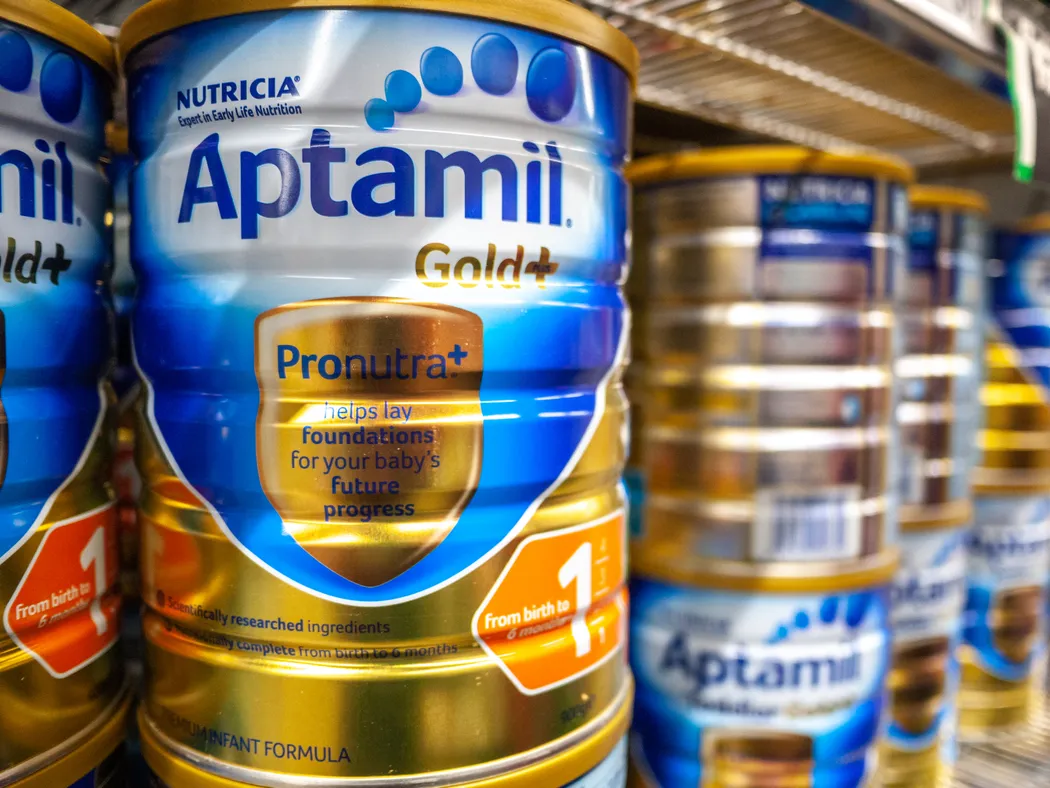
Aptamil Gold Stage 1 is an infant formula milk designed for babies from birth to 6 months of age. It is manufactured by Danone Nutricia, a global nutrition company with a long track record in paediatric products. The formula is positioned as a premium option, with a nutrient profile modelled closely on breast milk composition.

As with all Stage 1 infant formulas, it is intended for babies who are either not breastfed or who need supplemental feeding alongside breastfeeding. It is not suitable for older infants or toddlers. Parents should transition to an age-appropriate follow-on formula after 6 months, as directed by a pediatrician.

Key Nutrients and Formula Composition

Understanding aptamil gold stage 1 ingredients helps you assess whether the formula meets your baby's needs during the critical first six months.

Macronutrients

  • Protein comes primarily from whey and casein in a ratio broadly reflecting breast milk, which supports easier digestion in young infants.
  • Carbohydrates are sourced mainly from lactose, the same sugar found in breast milk, aiding calcium absorption and gut health.
  • Fats are a blend of vegetable oils providing essential fatty acids your baby cannot produce independently.

DHA and ARA

Aptamil gold stage 1 contains DHA (docosahexaenoic acid) and ARA (arachidonic acid), long-chain polyunsaturated fatty acids naturally present in breast milk. DHA is structurally important for the developing brain and retina. These are among the aptamil gold stage 1 nutrients that parents most frequently ask about, and their inclusion reflects current scientific consensus on early infant nutrition.

Prebiotics

The formula includes a blend of galacto-oligosaccharides (GOS) and fructo-oligosaccharides (FOS). These prebiotics are designed to support the growth of beneficial gut bacteria, modelled on the prebiotic content of breast milk.

Vitamins and Minerals

Aptamil Gold Stage 1 is fortified with vitamins A, C, D, E, K, and B-group vitamins, plus minerals including iron, calcium, zinc, iodine, and selenium. These micronutrients support bone development, immune function, and overall growth in the first months of life.

A brief note on comparison with breast milk: breast milk is the biological benchmark, and its composition changes dynamically based on the baby's age and the mother's diet. Infant formulas offer a fixed composition. No formula exactly replicates breast milk, but regulated Stage 1 formulas must meet nutrient thresholds set by food safety authorities.

Development Benefits: Brain, Gut and Immunity

The aptamil gold stage 1 benefits most frequently discussed relate to three areas: brain development, gut health, and immune support.

Brain and Eye Development

DHA contributes to the structural development of brain cell membranes and the retina during early infancy. The science supporting DHA in formula is well-established, though it is worth keeping expectations realistic. No infant formula can guarantee specific cognitive outcomes. What DHA provides is a building block, not a predetermined result.

Gut Health

The GOS/FOS prebiotic blend aims to promote a gut microbiome resembling that of breastfed infants. A balanced gut microbiome in early life is linked to better digestive comfort, softer stools, and potentially reduced susceptibility to certain infections. Parents switching from breastfeeding to formula sometimes notice changes in stool frequency or consistency, and the prebiotic component is intended to ease that transition.

Immune Support

Vitamins A, C, and D, alongside zinc, each play roles in normal immune function. Vitamin D is particularly relevant for Indian babies because exclusive indoor care in some households can limit natural sunlight exposure. Formula-provided vitamin D can help fill this gap, though your pediatrician may recommend an additional supplement depending on your baby's specific situation.

These are nutritional benefits, not therapeutic claims. The formula is not a treatment for any medical condition.

Suitability for Indian Babies: Climate, Water Quality, Preparation

Using aptamil gold for newborn care in India comes with practical considerations that parents in tropical climates must take seriously.

Water Quality

Always use freshly boiled water cooled to approximately 70 degrees Celsius for preparation. This temperature reduces the risk of bacterial contamination from the water or the formula powder, while still being safe to handle. Never use untreated tap water or water from unverified sources.

Step-by-Step Preparation

  1. Wash hands thoroughly before you begin.
  2. Sterilise all feeding bottles and utensils.
  3. Boil fresh water and allow it to cool for roughly 15 minutes to reach about 70 degrees Celsius.
  4. Add the exact number of scoops using the scoop provided. Do not compress or overfill.
  5. Seal the bottle, shake gently, and check the temperature on your wrist before feeding.

Storage in Indian Heat

Prepared formula should be used within 2 hours if kept at room temperature. In warmer months, that window closes faster, so prepare feeds fresh whenever possible. Unused formula left in the bottle after a feed should be discarded. Store unopened tins in a cool, dry place away from direct sunlight, and use opened tins within the period stated on the packaging.

When to Consult a Pediatrician

Before switching to or starting any formula, consult your baby's doctor. This is especially important if your baby was born preterm, has low birth weight, or shows signs of feeding difficulty. Good newborn care essentials beyond feeding are part of a broader picture that your pediatrician can guide you on.

Contraindications and When to Avoid

Not every baby is suited to a standard cow's milk-based formula like this one. Do not use Aptamil Gold Stage 1 if your baby has:

  • Galactosemia, a rare metabolic disorder that prevents the body from processing galactose
  • A confirmed cow's milk protein allergy (CMPA), which requires a specifically hydrolysed or amino acid-based formula
  • A condition requiring a specialised preterm or low-birth-weight formula

If your baby shows symptoms such as persistent vomiting, blood in stools, skin rashes, or severe colic after starting any formula, stop feeding and consult a doctor promptly. Report adverse events to your healthcare provider or the relevant regulatory authority. Do not attempt to switch formulas without medical guidance if an allergy or intolerance is suspected.

How to Choose Between Breastfeeding and Formula?

Breast milk is the recommended first choice for infant nutrition in the first six months of life, a position supported by global and Indian health guidelines. It provides antibodies, digestive enzymes, and a dynamic nutritional profile that no fixed formula can fully replicate.

That said, breastfeeding is not always possible. Medical reasons, low milk supply, maternal medication requirements, or return to work can make formula feeding a necessity. In these situations, a suitable Stage 1 formula such as a well-regulated option from the best formula milk for babies India market has to offer becomes an appropriate alternative, not a second-best choice made carelessly, but a considered decision under medical guidance.

If you are considering partially replacing breastfeeding, discuss this with a lactation consultant or pediatrician first. Introducing formula too early can reduce milk supply, so timing and approach matter. Formula should supplement, not preemptively replace, breastfeeding where breastfeeding is feasible.

For parents unable to breastfeed at all, choosing among the best formula milk for babies India options means looking at age-appropriateness, ingredient quality, preparation practicality, and your pediatrician's recommendation for your specific baby.

Conclusion

Aptamil Gold Stage 1 is an infant formula designed for young babies, with its nutritional composition and ingredients intended to support feeding during the early months of life. Parents should check the specific product label available in India because formulations, preparation instructions, and nutritional values can vary by product and market. Formula should be prepared exactly according to the manufacturer's instructions, using the recommended amount of powder and safe water, and should not be diluted or concentrated. There is no single infant formula that is best for every baby, and individual needs can vary based on feeding tolerance, growth, allergies, and medical conditions. Parents should consult a paediatrician before choosing or changing formula, particularly for newborns or babies with feeding difficulties.

FAQS

Is Aptamil Gold Stage 1 good for newborns?

It is formulated for babies from birth to 6 months, so newborns are within the intended age range. However, always confirm with your pediatrician before starting any formula, particularly if your baby was born preterm or has specific health concerns.

How much Aptamil Gold Stage 1 should I feed my baby?

Feeding volumes vary by age and the baby's individual needs. Follow the feeding guide on the product packaging as a starting point, and adjust based on your pediatrician's advice and your baby's hunger and weight gain.

Can Aptamil Gold Stage 1 cause constipation?

Some babies experience harder or less frequent stools when transitioning from breast milk to formula. The GOS/FOS prebiotic blend in this formula is intended to support softer stools, but if constipation persists or your baby seems uncomfortable, consult your pediatrician before making any changes.

How long can prepared Aptamil formula be stored?

Prepared formula should ideally be used immediately. If not used within 2 hours at room temperature, discard it. In Indian heat, this window may be shorter, so preparing fresh feeds is the safest approach.

Is Aptamil Gold Stage 1 available without prescription?

Yes, it is available over the counter at pharmacies and authorised retailers. A prescription is not required, but a pediatrician's guidance on whether it is the right formula for your baby is strongly recommended before purchase.
Apollo 247 Floating Action Button