logo
0

Aptamil Gold 1 Guide: Comparison with Other Formulas

Learn about Aptamil Gold Stage 1, its nutritional profile, key ingredients and how it compares with other premium infant formulas for newborns.

article image

Dr.Kamran

Choosing a formula in those early weeks can feel overwhelming, especially with so many premium brands lining pharmacy shelves. Aptamil Gold Stage 1 is one of the most searched names among new parents: it sits at the higher end of the infant formula market and promises a nutrient profile designed to support a newborn's rapid growth. This guide breaks down what sets it apart, how the full Aptamil Gold stage range works, and how it compares to other leading brands, so you can make a well-informed decision.

One note before we begin: breast milk remains the recommended first choice for infants. Formula is a safe and well-regulated alternative when breastfeeding is not possible or is being supplemented, but any switch should ideally involve your paediatrician.

What Is Aptamil Gold Stage 1 and Who Is It For?

Infant milk formula is a manufactured food designed to replicate, as closely as science allows, the nutritional profile of human breast milk. Stage-1 formulas cover birth to around six months.

Aptamil Gold 1 is a stage-1 infant milk formula intended for newborns and young infants who are not being breastfed, or who need supplemental feeding alongside breast milk. Like most modern premium stage-1 formulas, it is based on modified cow's milk protein, with the whey-to-casein ratio adjusted to be closer to that of breast milk. Whey proteins are generally easier for a newborn's immature gut to process than casein-heavy cow's milk.

It is not a medicine and does not need a prescription. That said, factors such as birth weight, gestational age, family allergy history, and digestive tolerance all influence which formula a pediatrician might recommend. For newborn care essentials beyond feeding, consult a trusted resource early so you are prepared on all fronts.

Aptamil Gold Stage-wise Range Explained (1, 2, 3, 4)

The Aptamil Gold stages are designed to match a baby's changing nutritional needs as they grow. Protein levels, iron content, and caloric density are adjusted at each stage.
 

Stage    Age RangePrimary PurposeKey Nutritional Shifts
Aptamil Gold 10 to 6 monthsSole or supplemental feedingGrowing-up milk    Higher
Aptamil Gold 26 to 12 monthsFollow-on formula alongside solidsSlightly higher iron and protein to complement weaning
Aptamil Gold 312 to 24 monthsToddler milk drinkAdjusted for a mixed diet; not a sole nutrition source
Aptamil Gold 42 years and aboveGrowing-up milk Higher calcium and vitamins for active toddlers

The main difference between Stage 1 and Stage 2 is iron and protein concentration. As solid foods are introduced around six months, babies need more iron but the formula no longer has to cover their entire diet. Do not move to Stage 2 early; the higher iron concentration is unnecessary and potentially unsuitable for a baby under six months.

Switching stages should follow your child's age and your pediatrician's guidance, not simply because the baby seems hungrier, which can have many other explanations.

Aptamil Gold 1 vs Other Premium Formula Brands

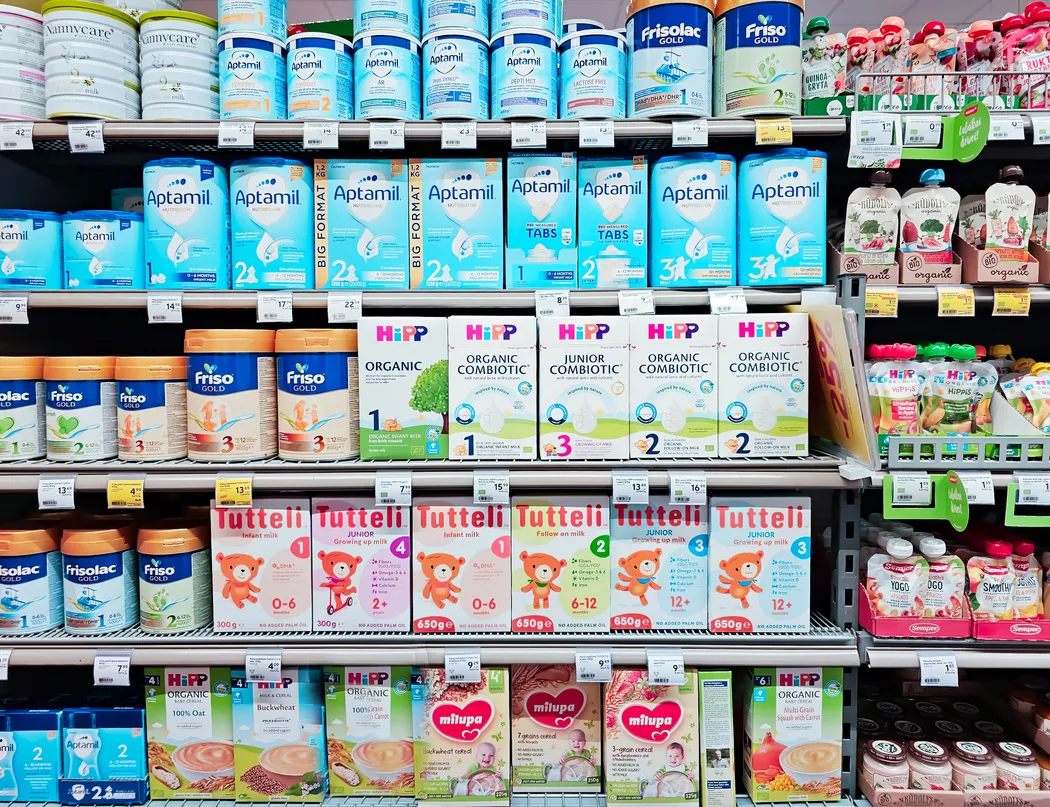
The premium infant formula segment broadly includes whey-dominant standard formulas, A2 protein formulas, and organic lines. Here is how the categories compare.

Standard whey-dominant formulas, the category that aptamil gold 1 infant formula sits in, modify cow's milk to increase the whey fraction and add nutrients like DHA, ARA, and prebiotics. Similac and NAN Pro fall into this broad group as well, though the specific blend of prebiotics, nucleotides, and fatty acids differs by brand and formulation version.

In the Aptamil vs Similac vs NAN comparison, all three are established brands with strong safety records and regulatory compliance in markets where they are sold. The practical differences lie in the prebiotic blend (such as GOS/FOS ratios), the source of DHA, and additional ingredients like nucleotides or beta-palmitate. No large independent study conclusively declares one brand superior for all infants. Some babies simply tolerate one brand better than another, which is why paediatricians often suggest trialling a formula for two to four weeks before drawing conclusions.

A2 protein formulas use milk from cows that produce only the A2 beta-casein variant. Some research suggests this may be easier on digestion for certain infants, though evidence is still emerging.

Organic formulas use ingredients from certified organic farming but are not automatically nutritionally superior to non-organic options.

The honest answer to "which is best" is whichever formula your baby tolerates well, meets age-appropriate nutritional standards, and your paediatrician approves.

Special Formulations: Anti-Reflux, Comfort, HA and Lactose-Free

Standard formulas do not suit every infant. Several specialised types exist for specific clinical situations.

  • Anti-reflux formulas contain thickening agents (commonly rice starch or carob bean gum) that make the feed slightly denser, reducing the likelihood of regurgitation. These are for babies with frequent, uncomfortable reflux, not the normal spitting up most newborns experience.
  • Comfort formulas are partially hydrolysed and lower in lactose, intended for babies with colic or constipation. They are not hypoallergenic.
  • Hypoallergenic (HA) formulas contain extensively hydrolysed proteins broken into smaller fragments, which are less likely to trigger an immune response. These are appropriate when a cow's milk protein allergy is confirmed or strongly suspected.
  • Lactose-free formulas replace lactose with an alternative carbohydrate and are used for lactase deficiency or temporary lactose intolerance following gastroenteritis.

Do not switch to any of these specialised formulas without consulting your baby's doctor first. Misidentifying the problem, for example, treating reflux with a comfort formula, can delay the right treatment.

How to Choose the Right Formula for Your Baby?

With so many options under the premium formula milk comparison umbrella, a simple checklist helps.

  • Match the stage to your baby's current age, not anticipated growth.
  • Share any family history of cow's milk allergy, eczema, or asthma with your paediatrician before choosing.
  • Read the ingredient label: the first ingredient should be a named milk protein source (whey or skimmed milk); look for added DHA/ARA, iron, and vitamins D and K.
  • Check that the product carries regulatory approval for the Indian market (FSSAI registration for products sold in India).
  • If your baby shows signs of intolerance (persistent crying, rash, blood in stool) after starting a formula, contact your doctor before switching brands on your own.

When thinking about how to choose infant formula, the best formula is specific to your infant, not the one with the most advertising. A pediatrician's input is the single most useful guide you have.

Contraindications and Safety Precautions

Some infants should not use standard cow's milk-based formula at all, or should only use it under close medical supervision.

  • Babies with galactosemia (a rare metabolic disorder) cannot metabolise galactose, a component of lactose, and require a specialised galactose-free formula.
  • Infants with confirmed cow's milk protein allergy need an extensively hydrolysed or amino-acid-based formula, not a standard product.
  • Premature or low-birth-weight babies often require preterm or post-discharge formulas with higher caloric density and specific nutrient ratios; standard stage-1 formulas may not meet their needs.
  • Babies on any specialised medical formula prescribed for a metabolic or digestive condition should not be switched without a doctor's instruction.

Report adverse events, such as allergic reactions, persistent vomiting, or blood in the stool, to your healthcare provider or the relevant regulatory authority.

Conclusion

Aptamil Gold Stage 1 is an infant formula designed to provide nutrition for babies during the early stages of life. When comparing it with other premium formulas, consider the nutritional composition, ingredients, your baby’s individual needs and feeding tolerance rather than relying on price or marketing claims alone. If your baby has specific nutritional or medical requirements, consult a paediatrician before choosing or changing formula.

FAQS

Is Aptamil Gold 1 good for newborn babies?

Yes, it is designed for newborns from birth to six months as a sole or supplemental feed, but suitability depends on your baby's individual health profile, so check with your paediatrician before starting.

How much Aptamil Gold 1 should a baby drink per day?

Feeding volumes vary by age and weight; always follow the preparation and feeding guide on the product label, and ask your paediatrician if you are unsure whether your baby is feeding enough.

Can I mix Aptamil Gold 1 with breast milk?

Preparing formula in a bottle and then adding expressed breast milk is generally considered safe, but mix them just before a feed and discard any leftover, since combined feeds cannot be stored safely.

What is the shelf life of Aptamil Gold 1 after opening?

Most opened tins of powdered infant formula should be used within three to four weeks; check the specific guidance printed on your product's label and store the tin in a cool, dry place with the lid firmly closed.

Is Aptamil Gold 1 available without prescription?

Yes, it is available over the counter at pharmacies and online, including Apollo Pharmacy, without a prescription, though a pediatrician's guidance on whether it is the right choice for your baby is always recommended.

Apollo 247 Floating Action Button