Foods to Avoid and How to Introduce Allergenic Foods Safely
Some foods should not be given to babies during the first year, while others need to be prepared carefully to reduce the risk of choking.
Foods to avoid or limit
- Honey: Do not give honey before 12 months because it can cause infant botulism.
- Cow's milk as a main drink: Do not use cow's milk as the main milk drink before 12 months. Dairy foods such as plain yoghurt can be offered from around six months.
Added salt and sugar: Do not add salt or sugar to your baby's food. - Unpasteurised foods: Avoid unpasteurised milk and dairy products because they may contain harmful bacteria.
- High-risk choking foods: Whole nuts, popcorn, whole grapes, hard raw vegetables and other foods that are hard, round, sticky or difficult to chew can cause choking.
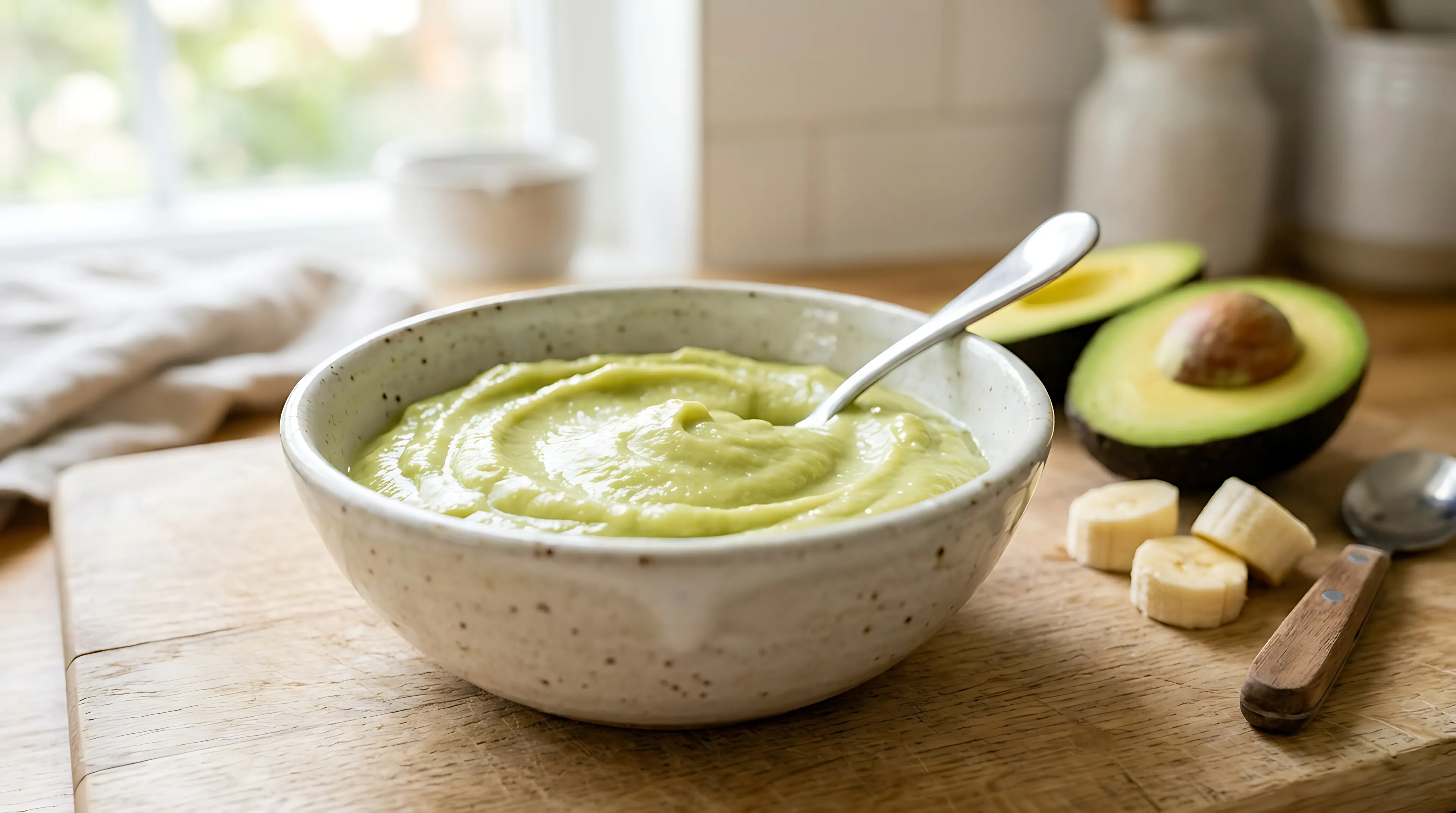
There is no need to avoid naturally fatty foods such as avocado. Dietary fat is an important part of a baby's diet.
How to Introduce Allergenic Foods Safely
Foods that commonly cause allergies, including well-cooked egg, peanut, dairy, wheat and fish, can generally be introduced from around six months when your baby is ready for complementary foods. There is no general recommendation to delay these foods in order to prevent allergy.
Introduce allergenic foods in a form your baby can safely swallow and in a small amount. For example, smooth peanut butter should be thinned or mixed into another food rather than given as a thick spoonful. Whole nuts should never be given to babies because of the choking risk.
You may choose to introduce one new food at a time so that a reaction is easier to identify. A fixed 3 to 5 day waiting period is not necessary before every new food, although some parents may find a gradual approach easier to monitor. Current CDC guidance does recommend waiting 3 to 5 days between new foods, so this can be used as a practical approach rather than treated as a medical requirement.
If your baby has severe eczema, an existing food allergy or another condition associated with increased food-allergy risk, speak with your paediatrician before introducing specific allergens such as peanut or egg.
What Are the Signs of a Food Allergy?
Possible symptoms include:
- Hives or an itchy rash
- Swelling of the lips, face or tongue
- Vomiting
- Coughing, wheezing or difficulty breathing
- Sudden marked lethargy or becoming unusually pale
If your baby develops difficulty breathing, significant swelling or other signs of a severe allergic reaction, seek emergency medical care immediately.
How Can You Reduce the Risk of Choking?
Food should be prepared according to your baby's developmental stage. Make foods soft and easy to mash, cut suitable foods into appropriate sizes and shapes, and avoid foods that are hard, sticky, round or difficult to chew.
Always keep your baby sitting upright while eating and stay with them throughout the meal. Choking can occur even when a baby has previously eaten the same food safely.