logo
0

Baby Food Storage & Travel Gear: Safe Tips for Parents

Learn how to store, pack and transport baby food safely while travelling, including useful storage containers, cool bags and food safety tips.

article image

Dr.Kamran

Introducing your baby to solid foods is an exciting milestone. Around six months of age, babies begin exploring new tastes and textures, transitioning from an all-liquid diet to nutritious purées, mashes, and soft finger foods. However, as you begin preparing homemade meals or portioning store-bought options, you will quickly realize that food safety is just as important as the ingredients you choose. Because infants have developing immune systems, they are highly vulnerable to foodborne illnesses. Finding the right system for baby food storage is essential to keep your baby's meals safe, nutritious, and free from harmful bacteria.

Whether you are prepping a week’s worth of organic sweet potato purée at home or packing up for a weekend trip to visit family, having the right gear makes all the difference. This comprehensive guide will walk you through the best storage practices, material safety, and essential travel gear to make feeding your little one stress-free, sanitary, and highly organized.

The Fundamentals of Safe Baby Food Storage at Home

When you cook fresh meals for your baby, you want to preserve those vital nutrients while keeping bacteria at bay. Freshly prepared, warm purées should never sit at room temperature for more than two hours. Bacteria grow rapidly in the "danger zone" between 40°F (4°C) and 140°F (60°C).

Choosing the right containers can save you time and preserve your peace of mind. Before putting food away, sterilising all baby food vessels before their first use and washing them thoroughly with hot, soapy water after every use is a critical first step. Once your food is cooked and cooled:

  • Refrigeration: Store fresh purées in the refrigerator for no more than 48 hours. If the food contains meat, poultry, or fish, try to use it within 24 hours.
  • Freezing: If you prepare large batches, freezing is your best option. You can freeze baby food in small, individual portions (such as in clean silicone trays), and then transfer the frozen cubes into a larger airtight container to save space.
  • Organized Dispensers: Modern baby food storage & dispensers allow parents to portion out exact serving sizes, preventing the need to defrost more food than your child can consume in one sitting. Stacking them inside a larger baby food storage box helps keep your refrigerator and freezer organized and prevents contamination from other raw foods.

On-the-Go Feeding: Essential Travel Gear

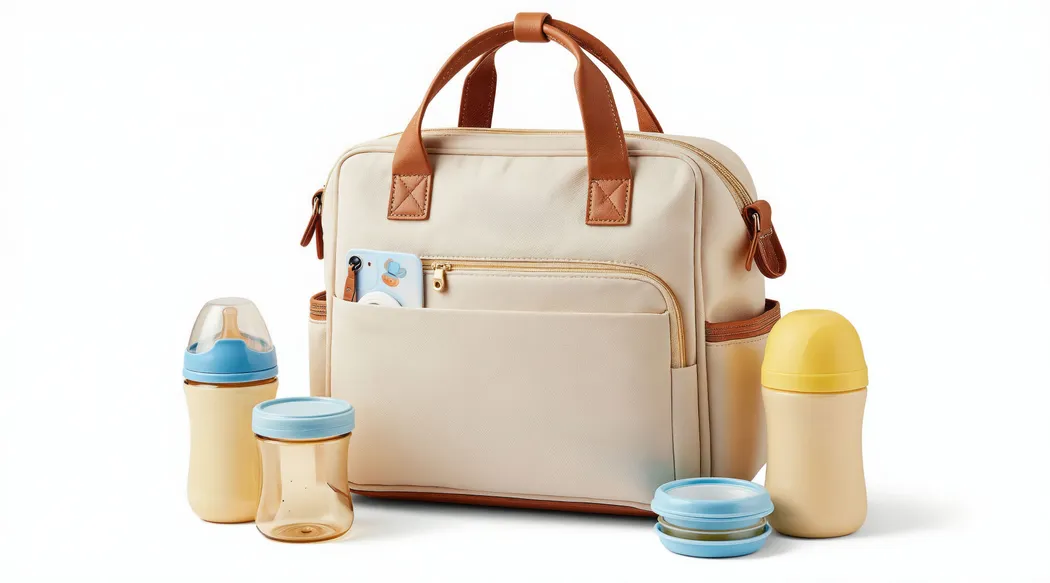
Taking your baby out of the house shouldn't mean compromising on their nutritional routine. Whether you are running quick errands or embarking on a long journey, having an organized baby food travel bag makes feeding on the go simple and hygienic.

When packing for an outing, you need containers and carriers that are specifically designed to maintain temperature and prevent messy leaks. Here is the essential gear every parent should consider:

Insulated Carriers and Flasks

Temperature control is your primary line of defense against food spoilage. Using a structured baby food carrier keeps jars and pouches upright, reducing the risk of messy spills inside your diaper bag.

If you prefer to serve warm meals while away from home, a stainless steel baby food flask is highly efficient. These double-walled, vacuum-insulated containers can keep foods like oatmeal, warm vegetable purées, or soups at a safe, warm temperature for hours. Conversely, they can also keep chilled foods cold.

Portable Bags and Pouches

If you are planning a day trip, investing in a dedicated baby food carry bag ensures you have all your feeding essentials—like spoons, bibs, wet wipes, and food containers—in one easy-to-reach place. A secure baby food carrier is perfect for car travel, while a compact, thermal-lined pouch works wonderfully for quick stroller walks.

How to Pack Baby Food Safely for Trips

When traveling longer distances, maintaining the "cold chain" is vital. If frozen or chilled baby food warms up during transit, bacteria can multiply rapidly.

To keep your baby's meals safe while traveling, keep these practical tips in mind:

  • Keep it Cold: Always rely on an insulated box for baby food to transport chilled items. Ensure you line the box with frozen gel packs to keep the ambient temperature below 40°F (4°C).
  • Use the Right Containers: Selecting a durable baby food box for travel keeps individual portions secure. Look for leak-proof lids with silicone seals to prevent sticky leaks. This makes a compartmentalized baby food box for travel highly convenient for keeping different food groups separated without mixing flavors.
  • Pack Smart: If you are using a soft-sided cooler, an insulated baby food bag for travel is a lightweight, flexible alternative. Always pack ice packs in your baby food bag for travel to surround the food containers, ensuring even cooling throughout your journey. An insulated box for baby food combined with reusable ice packs can keep food safely chilled for an entire day of travel.

Materials Matter: What to Look For

When shopping for feeding gear, the safety of the material is just as important as the functionality. Harmful chemicals can leach from containers into food, especially when exposed to heat (such as microwaving or steam sterilising).

Material

Pros

Cons

Best Used For

Tempered Glass

Non-porous, does not stain or absorb odours, highly durable and chemical-free

Heavy and can break if dropped

Home fridge/freezer storage and safely heating food

Food-Grade Silicone

Flexible, lightweight, dishwasher-safe and unbreakable

May absorb strong food odours over time

Freezing purée portions and reusable squeeze pouches

BPA-Free Plastic

Extremely lightweight, portable and shatterproof

Can scratch easily and may not always be suitable for heating

On-the-go travel containers and dry snack boxes

Stainless Steel

Excellent thermal insulation, durable and rust-resistant

Cannot be microwaved and is opaque, so contents cannot be seen

Insulated flasks, travel cups and food warmers

A sturdy baby food box made of BPA-free plastic or food-grade silicone is ideal for dry snacks, puffs, or teething biscuits. A reusable baby food bag is excellent for keeping self-feeding pouches clean and accessible. Utilizing convenient baby food storage & dispensers simplifies serving sizes and helps minimize waste, ensuring your baby gets the exact amount they need without any leftovers going bad.

Step-by-Step Guide to Preparing and Storing Baby Food

To maximize safety and nutrition, follow this simple routine when preparing and storing your baby’s meals:

  1. Sanitize Your Workspace: Wash your hands with warm water and soap for at least 20 seconds. Ensure your countertops, cutting boards, knives, and blender are spotlessly clean.
  2. Prepare the Food: Wash fresh fruits and vegetables thoroughly under running water. Cook meats and vegetables to safe internal temperatures.
  3. Portion Quickly: Avoid letting cooked food sit out. Portion the warm purée directly into clean, high-quality baby food vessels.
  4. Label and Date: Always label every container with the type of food and the date it was prepared. This ensures you always use the oldest portions first.
  5. Freeze Safely: If freezing, leave a little space at the top of the container, as liquids expand when frozen. Keep your freezer organized with a dedicated baby food storage box to protect baby's food from frostbite or contact with raw meat packaging.
  6. Pack Safely: When heading out, portion the needed meals, slip them into your baby food carry bag alongside a cold pack, and keep the bag closed until it is time for your baby to eat.

Conclusion

Safe baby food storage and the right travel gear can make feeding your little one more convenient while helping reduce the risk of foodborne illness. Store freshly prepared food promptly, use suitable containers, keep chilled foods cold during travel and label stored portions with the preparation date. Choosing durable, food-safe materials and following proper cleaning, freezing and reheating practices can help keep your baby's meals safe and fresh at home or on the go.

FAQS

How long can fresh, homemade baby food sit at room temperature?

According to food safety guidelines from the CDC, freshly prepared baby food should not sit at room temperature for more than two hours. If the room temperature is above 90°F (32°C), that window shrinks to just one hour. If food sits out longer than this, discard it to prevent bacterial growth.

Can I warm up baby food in a microwave?

While you can use a microwave, it is generally not recommended because it can create dangerous "hot spots" that can burn your baby's mouth. If you microwave baby food, stir it thoroughly, let it sit for a moment, and test the temperature on the inside of your wrist before feeding your baby. Alternatively, warm the container in a bowl of warm water or use an insulated baby food flask to keep pre-warmed food at a safe temperature.

Can I freeze baby food that has been thawed?

No, you should never refreeze baby food once it has been thawed. Refreezing thawed food increases the risk of bacterial contamination and degrades the nutritional value of the food. Only thaw the amount of food your baby will eat in one serving.

Can I feed my baby directly from the storage jar or box?

If you expect to have leftovers, do not feed your baby directly from the storage container. The bacteria from your baby’s saliva will transfer from the spoon to the container, where it can multiply and spoil the remaining food. Instead, spoon a small portion into a separate bowl and discard any leftovers from that bowl once your baby is finished eating.

How do I travel with baby food on an airplane?

The Transportation Security Administration (TSA) allows baby food, formula, and breast milk in reasonable quantities to exceed the standard 3.4-ounce limit for liquids in carry-on baggage. You must declare these items at the security checkpoint for separate screening. Packing these items in an organized baby food bag or a clear baby food box makes the screening process much faster and smoother.

Apollo 247 Floating Action Button