logo
0

Baby Spitting Up and Reflux: Why Your Baby Keeps Spitting Up

Learn why your baby keeps spitting up but still wants to eat. Understand infant reflux, normal spit-up, food spitting, age-specific behaviours, practical tips and warning signs.

article image

Dr.Bhanu Prakash

Feeding time is one of the most important bonding experiences between you and your baby. However, it can quickly become stressful when your little one spits up their feeding, only to demand more immediately afterwards.

If your baby keeps spitting up but still wants to eat, you are definitely not alone. This incredibly common pattern leaves many new parents scratching their heads. You might wonder: How can they still be hungry? Is their tummy upset? Is this normal reflux, or is it something more serious?

In this comprehensive guide, we will unpack the science behind infant reflux, why babies want to eat right after spitting up, and how feeding behaviours change as your baby transitions into solid baby food.

Understanding Why Your Baby Keeps Spitting Up But Still Wants to Eat

It can be incredibly baffling when your baby keeps spitting up but still wants to eat. To understand this behaviour, we have to look at how a baby's digestive system develops during the first year of life.

1. The Immature Lower Oesophageal Sphincter (LES)

In adults, a ring of muscle called the lower oesophageal sphincter (LES) acts as a one-way valve, keeping stomach contents from rising back into the oesophagus. In newborns and young infants, this muscle is still weak and immature. When your baby's stomach is full, or when they change positions, this valve can easily open, allowing milk and stomach acid to escape upwards. This is the primary cause of infant reflux.

2. The Comforting Power of Milk

Stomach acid is highly irritating to the sensitive lining of your baby's oesophagus. When a baby experiences reflux, they feel a burning sensation, very similar to adult heartburn.

Babies do not understand what heartburn is; they only know that their throat hurts. Nursing or taking a bottle provides immediate relief because the warm milk coats and soothes the irritated oesophagus, temporarily neutralising the acid. Consequently, a baby may frantically want to feed again not just out of hunger, but for physical comfort.

3. An Empty Stomach

When a baby spits up a significant portion of their meal, their stomach is suddenly empty or partially empty. Because their stomach capacity is already very small, a large spit-up leaves them feeling genuinely hungry again. While it seems like a constant, messy cycle, your baby keeps spitting up because their anatomy is still catching up to their appetite.

The Difference Between Normal Reflux and GERD

Paediatricians often refer to infants who spit up frequently but remain happy, healthy, and growing as "happy spitters". For these babies, spitting up is primarily a laundry problem rather than a medical issue.

However, sometimes frequent spitting up is a sign of Gastro-oesophageal Reflux Disease (GERD), which is a more severe, chronic form of reflux.

Signs of Normal Reflux ("Happy Spitting")

  • Effortless Spitting Up: Your baby spits up effortlessly.
  • Comfortable Behaviour: They remain content, smiley, and comfortable after spitting up.
    Healthy Growth: They consistently gain weight and meet developmental milestones.

Signs of GERD in Infants

If your baby is experiencing GERD, you may notice symptoms beyond normal spitting up. It is important to consult your paediatrician if you notice:

  • Frequent Irritability: Crying or arching of the back during or immediately after feedings.
  • Poor Weight Gain: Poor weight gain or weight loss.
  • Feeding Refusal: Refusing to eat or pulling away from the breast or bottle in pain.
  • Respiratory Symptoms: Chronic coughing, wheezing, or difficulty breathing.
    Choking Episodes: Wet burps or frequent choking episodes.

Transitioning to Solids: When Spitting Up Becomes Spitting Food

As your baby reaches the middle of their first year, their digestive system matures, and they begin the exciting transition to solid foods. However, this transition can bring a different set of challenges: your baby spitting food instead of just milk.

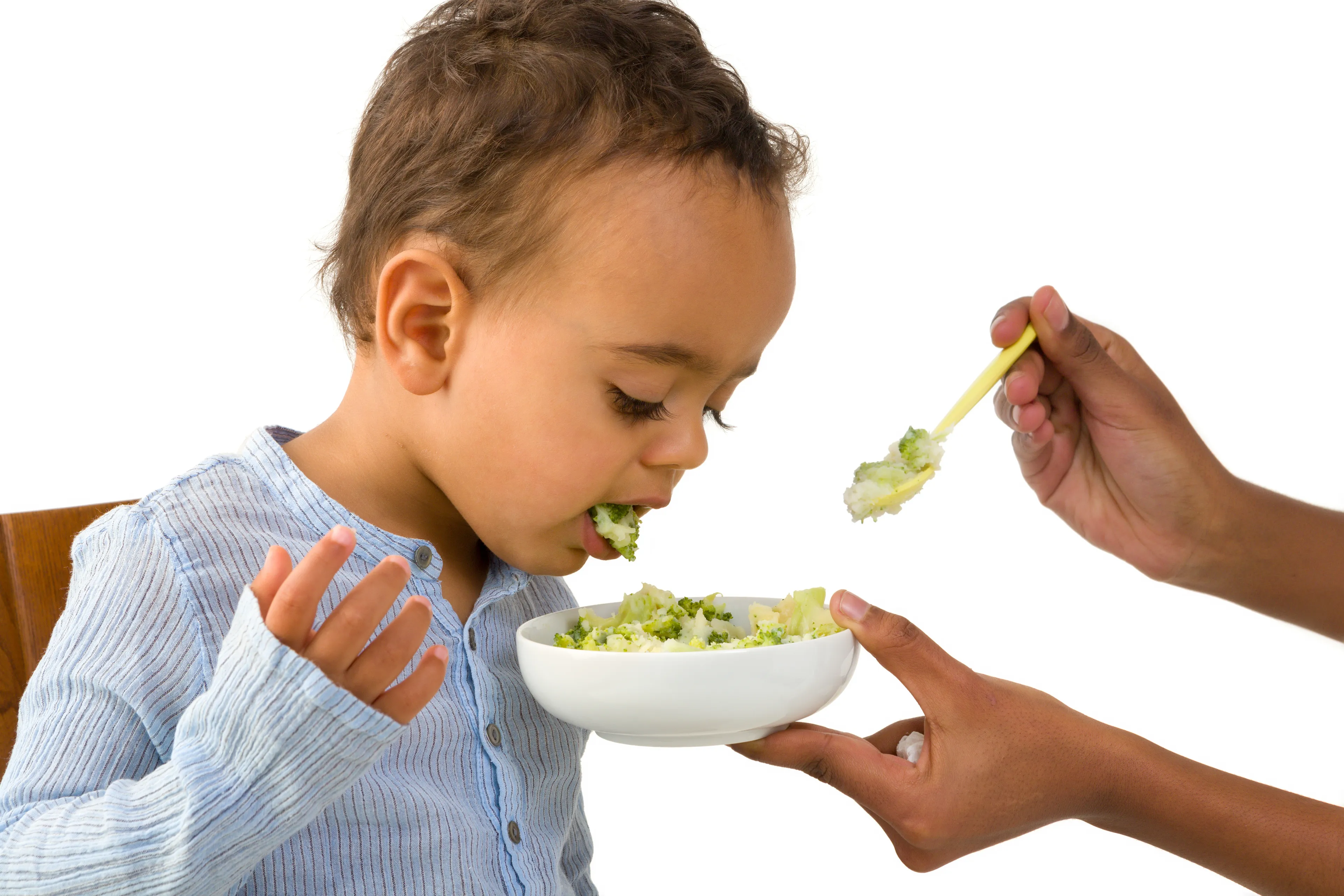
If you notice your baby spitting food out, it might not be a symptom of acid reflux at all. Instead, it is often a normal part of learning how to eat.

When babies first start solids, they have to learn how to move food from the front of their mouth to the back to swallow it. Before this skill is fully mastered, the natural extrusion reflex, also known as the tongue-thrust reflex, may cause them to push the food right back out. During this stage, a baby spitting out food is simply practising their oral-motor skills.

Age-Specific Milestones and Spitting Out Food

As babies grow, the reasons behind spitting out food shift from physical coordination issues to behavioural and sensory exploration. Let’s look at how this behaviour changes by age:

At 9 Months: Sensory and Motor Testing

Seeing a baby spitting out food on purpose 9 months into their life is actually quite common. Around this age, babies are developing their pincer grasp and are highly interested in the textures of their food.

If they encounter a texture that feels strange, lumpy, or unfamiliar, they may spit it out. This phase of a baby spitting out food is a vital part of sensory learning. They are testing what can be chewed, what feels good in their mouth, and what they prefer to reject.

At 11 Months: Testing Boundaries

By the end of their first year, you might observe a baby spitting out food on purpose at 11 months of age as they test boundaries. At 11 months, babies are starting to understand cause and effect.

They quickly learn that spitting out food gets a dramatic reaction from their parents. If you gasp, laugh, or scramble to clean it up, they may view this as a fun game and repeat the behaviour just to see your reaction.

1-Year-Olds and Toddlers: Asserting Independence

Dealing with a 1-year-old baby spitting out food can feel like a frustrating step backwards. At one year of age, toddlers are beginning to assert their independence. They want control over their environment, and one of the few things they have absolute control over is what they choose to swallow.

If you have a toddler spitting out food, the causes are often behavioural. They may spit food out because:

  • They Are Full: They are trying to communicate that they are done.
  • They Dislike the Food: They do not like the specific taste or texture of the food.
  • They Are Distracted: They would rather play than eat.
  • They Are Teething: Chewing solid food is causing discomfort in their sore gums.

Practical Tips for Managing Infant Reflux and Food Spitting

Whether you are dealing with a young baby who keeps spitting up milk or an older infant who is throwing purées across the room, several gentle, practical strategies can help manage these behaviours.

For Infants with Reflux

  • Keep Them Upright: Hold your baby upright for at least 20 to 30 minutes after every feeding. Gravity is your best friend when it comes to keeping milk in their stomach.
  • Feed Smaller, More Frequent Meals: Overfeeding can stretch a baby's stomach and force the weak lower oesophageal sphincter open. Offer smaller amounts more frequently throughout the day.
  • Pace Bottle Feedings: If bottle-feeding, use a slow-flow teat to prevent your baby from swallowing too much milk too quickly, which can trap air in their stomach.
  • Burp Frequently: Burp your baby midway through a feeding and again at the end. This helps release trapped gas bubbles before they can push milk back up.
  • Avoid Tight Nappies: Make sure your baby’s nappy is not fastened too tightly around their waist, as excess pressure on their abdomen can trigger reflux.

For Older Babies and Toddlers Spitting Out Food

  • Minimise Reactions: If your baby spits out food on purpose, try to keep your reaction completely neutral. Calmly clean it up without making eye contact or scolding, which removes the "game" aspect of the behaviour.
  • Watch for Hunger and Fullness Cues: Avoid forcing your baby to finish a plate. If they start spitting out food, they may simply be telling you they are full.
  • Offer Safe Textures: Ensure the food is soft enough for their current chewing abilities. If they are teething, offer chilled foods like yoghurt or chilled fruit purées to soothe their gums.
  • Engage in Family Meals: Let your child watch you eat the same foods. Babies learn by imitation, and seeing you happily chewing and swallowing can encourage them to do the same.
     

FAQS

Why is it that my baby keeps spitting up but still wants to eat right after?

This is usually because the stomach acid associated with reflux irritates and burns your baby's throat. Drinking warm breast milk or formula provides immediate, soothing relief to the oesophagus. Additionally, spitting up empties their stomach, which makes them feel hungry again quickly.

Is my 9-month-old baby spitting out food on purpose to be naughty?

No. At 9 months old, your baby is not trying to be naughty. They are exploring new textures, developing oral-motor coordination, and testing cause and effect. Spitting out food is a normal part of sensory play and boundary testing.

When should I worry about my baby's spitting up?

You should consult your paediatrician if your baby's spitting up is accompanied by poor weight gain, extreme irritability during or after meals, projectile vomiting, coughing, wheezing, or blood in their spit-up or stool.

How can I tell the difference between spitting up and vomiting?

Spitting up is typically effortless and usually happens during or shortly after a feeding, with the milk gently dribbling or bubbling out of the mouth. Vomiting is forceful, projectile, and involves a larger volume of fluid. It is often accompanied by clear signs of distress or illness.

How do I stop my toddler from spitting out food during meals?

Keep your reactions calm and neutral to avoid turning it into a game. Offer smaller portions, respect their fullness cues, and ensure the food texture matches their chewing capabilities. If teething is the issue, offer soft, cool foods to soothe their gums.

Apollo 247 Floating Action Button