logo
0

Baby Yoghurt After 6 Months: A Guide for Parents

When and how to introduce baby yogurt and dairy safely after 6 months, homemade recipes, portion sizes, and signs of allergy to watch for.

article image

Dr.Yusuf

Starting solids is one of the most exciting milestones in a baby's first year, and baby yoghurt is often one of the easiest first foods to offer. Soft, cooling, and packed with nutrition, yoghurt suits babies who are just learning to eat, and most healthy infants can have it from around 6 months onwards. This guide covers the right age to start, how to pick or make the best yoghurt, safe portion sizes, and what to watch for if your baby reacts.

When Can Babies Start Eating Yoghurt?

Most babies are ready for yoghurt at 6 months, when solids are typically introduced alongside breast milk or formula. Paediatricians generally allow yoghurt earlier than plain cow's milk as a drink because the culturing process breaks down much of the lactose and partially modifies the milk proteins, making it gentler on immature digestive systems.

Plain cow's milk as a main drink is not recommended before 12 months. Yoghurt used as a food is quite different. The proteins are partially pre-digested by bacteria during fermentation, so the gut handles them more easily than liquid milk.

Always start solids only after your baby shows developmental readiness: good head control, interest in food, and the ability to sit upright with support.

Why Yoghurt Is a Good First Dairy Food

Yoghurt earns its place as a top first food for several reasons:

  • It provides calcium, which supports growing bones and teeth.
  • The protein content helps with muscle development and satiety.
  • Live cultures (probiotics) support a healthy gut microbiome.
  • Its smooth, creamy texture is easy for new eaters to swallow.
  • Full-fat yoghurt supplies the dietary fat babies need for brain development in the first two years.

Compared to liquid milk, yoghurt is also less likely to cause tummy upset because fermentation naturally lowers the lactose content.

How to Choose the Right Yoghurt for Your Baby

When choosing yoghurt for a baby, focus on simple ingredients, appropriate fat content, and avoiding unnecessary additives:

  • Plain and unsweetened: Choose yoghurt with no added sugar, artificial sweeteners, or unnecessary flavourings.
  • Full-fat: Full-fat yoghurt provides dietary fat that supports babies' growth and development.
  • Simple ingredients: Look for yoghurt made mainly from milk and live cultures, with a short and easy-to-understand ingredient list.
  • Honey-free: Do not give yoghurt containing honey to babies under 12 months because of the risk of infant botulism.
  • Check the label: Many fruit-flavoured or children's yoghurts contain added sugars. If sugar, glucose syrup, or similar sweeteners appear prominently in the ingredient list, choose an unsweetened alternative.
  • Choose plain dahi or yoghurt: Plain, full-fat homemade dahi or a suitable store-bought yoghurt without added sugar or unnecessary additives can be a practical first dairy food for babies.

Homemade Baby Yoghurt Recipe

Homemade yoghurt for babies is easy and lets you control every ingredient. You will need full-fat milk and a small spoonful of plain curd or a live-culture starter.

Steps:

  1. Boil the milk thoroughly, then let it cool. The correct temperature for culturing is around 43 to 46 degrees Celsius. At this range, the milk should feel warm but not hot on the inside of your wrist.
  2. Going too hot kills the starter cultures; too cool and the yoghurt may not set properly.
  3. Pour the warm milk into a clean, sterilised glass or steel bowl.
    Stir in half a teaspoon of plain curd per 250 ml of milk. Mix gently.
  4. Cover and leave undisturbed in a warm place for 6 to 8 hours. Avoid the "overnight" approach unless your kitchen stays consistently warm, as extended fermentation beyond 8 hours can produce a sharper, more acidic yoghurt that may not suit a young baby's palate.
  5. Once set, refrigerate immediately.

Homemade yoghurt can generally be stored in a clean, covered container in the refrigerator for up to 3 to 4 days. Discard it sooner if you notice an unusual smell, discolouration, or separation that appears different from normal whey.

Hygiene matters throughout. Wash your hands thoroughly, sterilise all equipment, and use fresh milk each time. Avoid setting yoghurt in cracked or stained plastic containers, where bacteria can linger.

Never add honey to baby yogurt before 12 months, even after fermentation, because fermentation does not eliminate the risk from Clostridium botulinum spores that honey may contain.

Portion Sizes and Serving Tips by Age

Start small and increase gradually as your baby's digestive system adjusts. The table below gives approximate daily amounts as a practical guide. Portion needs vary between babies, so treat these as starting points rather than strict targets. Speak to your paediatrician if you are unsure what is right for your child.

AgeApproximate Daily Amount
6 to 9 months1 to 2 tablespoons per day
9 to 12 months3 to 4 tablespoons per day
12 months and aboveUp to about half a cup (120 ml) per day

Serving ideas:

  • Offer plain yoghurt on a soft spoon as the very first introduction.
  • Once your baby is used to it, mix in a thin fruit puree, banana, cooked apple, or pear.
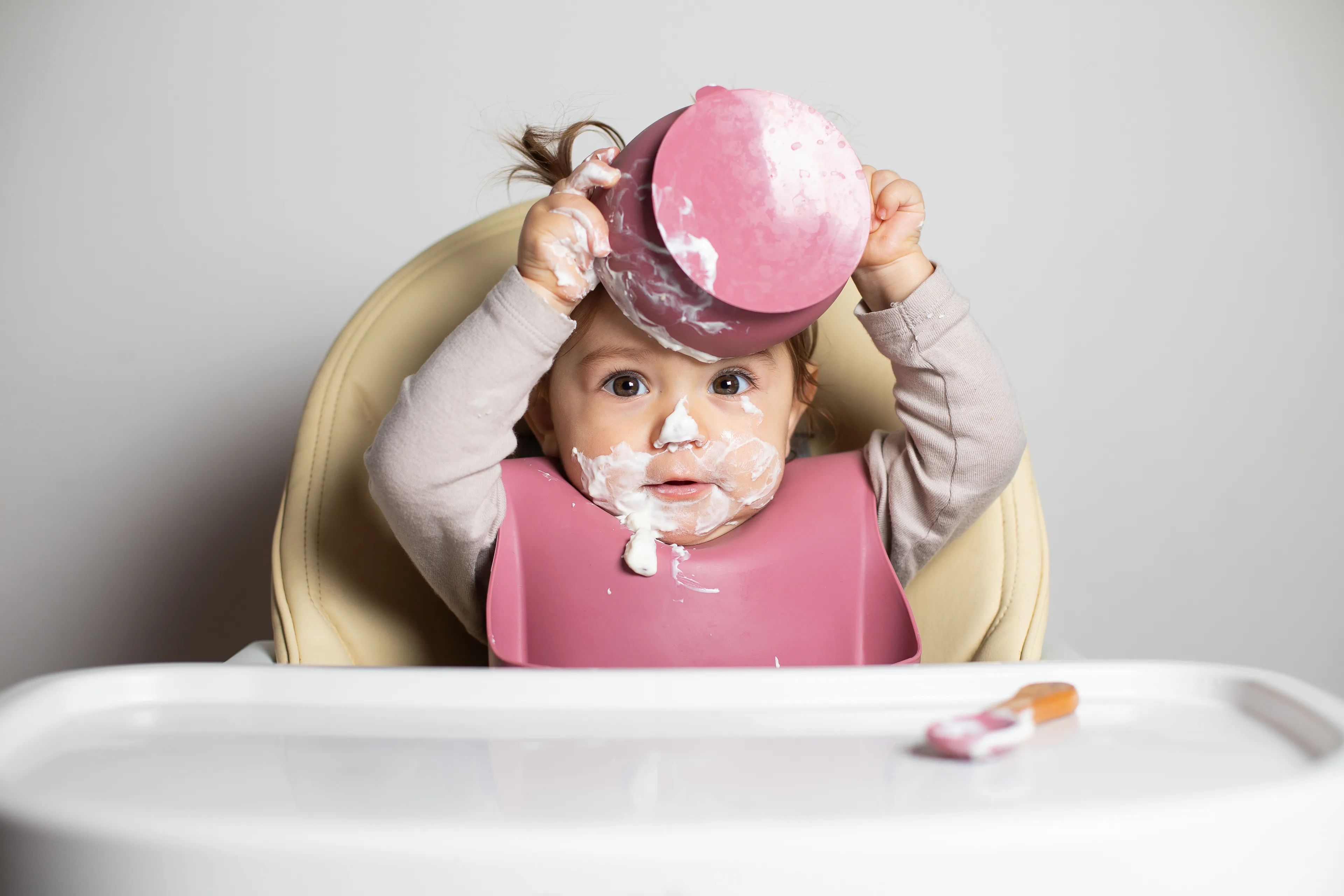
  • Stir into soft-cooked porridge for added creaminess and nutrition.
  • Never mix with honey before 12 months.

Introducing Other Dairy Products After 6 Months

Dairy for infants after 6 months goes beyond yoghurt. Once your baby tolerates yoghurt well, you can introduce other dairy foods in sequence.

  • Paneer: Paneer can be introduced as a soft dairy food and provides protein and calcium. It can be mashed into dal or khichdi for younger babies and offered as small, soft pieces once your baby has developed the skills needed for finger foods.
  • Cheese: Cheese can be introduced from around 6 to 7 months. Choose mild, full-fat varieties such as fresh chenna or mild cheddar, and limit processed cheese products because they can contain higher amounts of sodium. Grated natural cheese can be mixed into mashed vegetables or other soft foods.
  • Cow's milk as a drink: Cow's milk should generally not be used as the main drink before 12 months. Small amounts used in cooking, such as in porridge or khichdi, can be included as part of complementary foods.

Signs of Dairy Allergy or Intolerance to Watch For

Baby yoghurt allergy signs can appear within minutes to a couple of hours after feeding. Watch for:

  • Skin rash, hives, or an eczema flare-up around the mouth or body
  • Vomiting or excessive spitting up shortly after feeding
  • Diarrhoea or mucus in the stools
  • Unusual crying, bloating, or gassiness
  • Swelling of the lips or face
  • Wheezing or difficulty breathing, which requires immediate medical attention

If you notice any of these, stop dairy immediately and contact your paediatrician. True lactose intolerance in infants under 12 months is extremely rare. Most digestive reactions at this age are either a temporary secondary lactose intolerance following a gut illness, or a cow's milk protein allergy, which is a different and distinct condition. A doctor can help distinguish between the two.

Report adverse events to your healthcare provider or the relevant regulatory authority.

Contraindications and When to Avoid Dairy

Dairy is not appropriate for every baby. Hold off on introducing yoghurt or any dairy if:

  • Your baby has a confirmed or strongly suspected cow's milk protein allergy.
  • There is a close family history of severe dairy allergy, in which case discuss timing with your paediatrician before starting.
  • Your baby has been diagnosed with a metabolic condition or gut disorder that restricts dairy.
  • Your doctor has advised delaying dairy for a specific clinical reason.

If you are unsure, always check with your paediatrician before starting. For guidance on broader newborn and infant care in the early months, see Apollo's newborn care basics guide.

Conclusion

Baby yoghurt can be a nutritious and convenient dairy food to introduce when your baby is developmentally ready for complementary foods, usually around 6 months. Choose plain, full-fat yoghurt without added sugar or honey, and begin with small portions while continuing breast milk or formula as the main source of nutrition. As your baby becomes comfortable with yoghurt, suitable dairy foods such as paneer and small amounts of natural cheese can add variety. Watch for symptoms such as hives, swelling, vomiting, diarrhoea, or breathing difficulties after introducing dairy, and seek prompt medical advice if a reaction occurs. When introducing new foods, introduce them gradually and follow your paediatrician's advice if your baby has allergy risks or feeding concerns.

FAQS

Can a 6-month-old baby eat yoghurt daily?

Yes, once your baby has started solids and tolerated a small amount of yoghurt without any reaction, a daily serving is generally fine. Keep quantities small at first, around 1 to 2 tablespoons, and increase gradually.

Is homemade yoghurt better than store-bought for babies?

Homemade curd lets you avoid added sugars, flavourings, and preservatives, making it a good choice when prepared with clean technique and fresh milk. A store-bought plain, full-fat yoghurt with live cultures and a short ingredient list is also a safe option if you check the label carefully.

Can babies have flavoured yoghurt?

Most commercial flavoured yoghurts contain added sugar, which is not recommended for babies under 12 months. Stick to plain yoghurt and add natural flavour yourself, such as a mashed ripe banana or a small spoonful of cooked fruit puree.

What is the best time of day to give baby yoghurt?

There is no fixed "best" time, but many parents find yoghurt works well as part of a mid-morning or lunchtime meal when the baby is alert and hungry. Avoid offering it right before a milk feed so it does not crowd out breast milk or formula.

Can yoghurt cause constipation in babies?

Yoghurt is not typically associated with constipation. The live cultures in yoghurt may actually support healthy gut movement. If your baby seems constipated after starting solids, the more likely cause is another new food or reduced fluid intake. Talk to your paediatrician if constipation persists.

Apollo 247 Floating Action Button