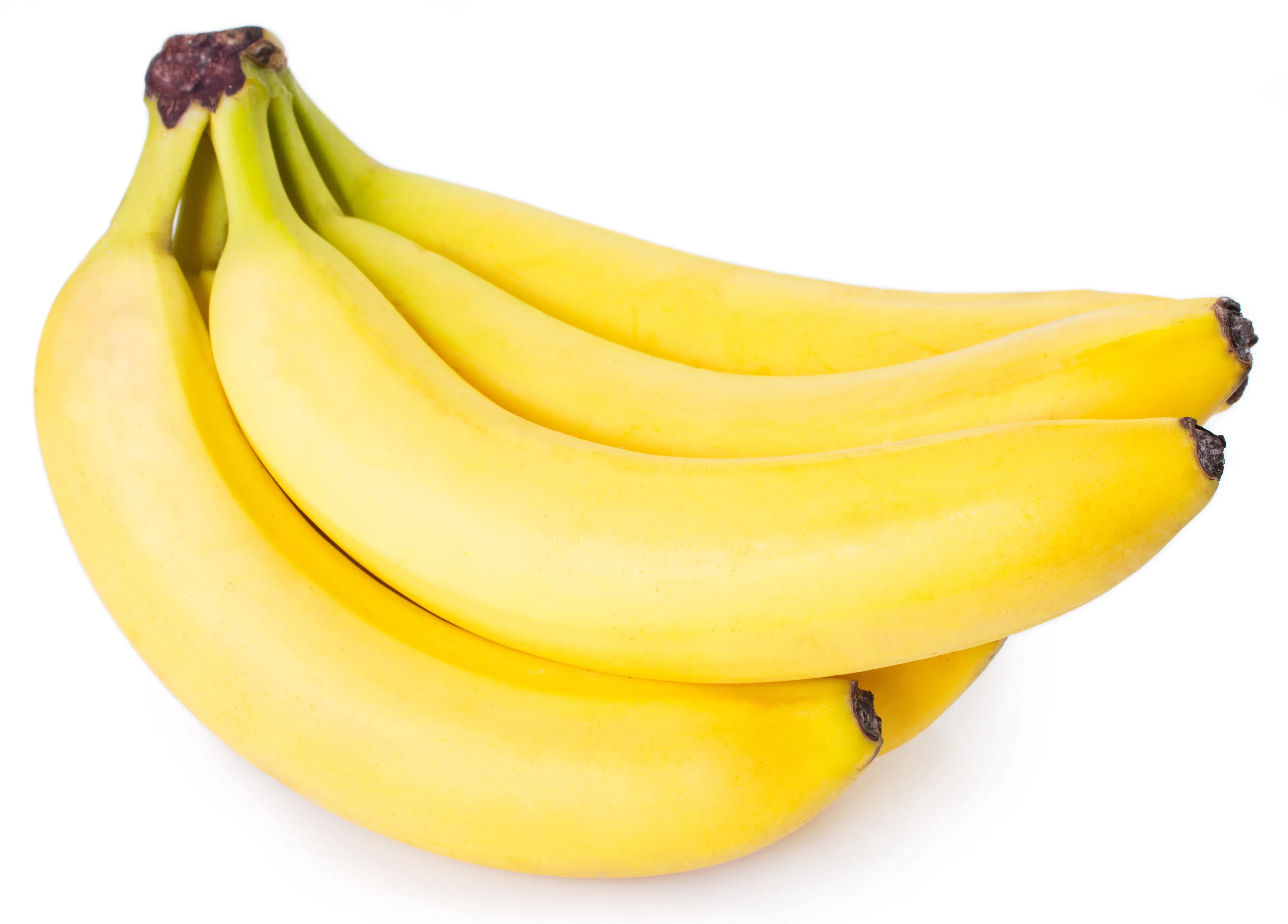
Which Banana Is Good for Babies? Safe Feeding Guide
Wondering which banana is good for babies and when to start? Learn how to safely introduce banana puree, spears, and finger foods to your little one.
Dr. Bhanu Prakash
Introducing solid baby food to your little one is an exciting milestone, but it often comes with many questions. One of the most common queries paediatricians receive from new parents is: which banana is good for babies, and when is it the right time to start? Because of their soft texture, natural sweetness, and nutritional profile, bananas are a popular choice for starting solids. However, not all bananas are equally suitable for babies, and serving them safely depends heavily on your baby’s developmental stage. In this comprehensive guide, we will explore everything you need to know about introducing this nutritious fruit to your infant. We will look at age-appropriate serving methods, explore different banana varieties, and provide practical tips to make mealtime both safe and enjoyable.
Is Banana Good for Babies? The Nutritional Benefits
First, let us address the fundamental question: is banana good for babies?
The answer is yes. Bananas provide several nutrients and have a soft texture when ripe, making them a convenient food for babies who are learning to eat solid foods.
Here are some of the key nutritional benefits of bananas for growing infants:
Gentle on the Digestive System: Fully ripe bananas contain easily digestible carbohydrates and can be gentle on sensitive baby tummies.
Rich in Potassium: Potassium supports healthy heart function, muscle development, and fluid balance.
Source of Vitamin B6 and Vitamin C: Vitamin B6 supports normal brain development and immune function, while vitamin C helps the body absorb iron from other foods.
Natural Fibre: The dietary fibre in bananas contributes to normal bowel function as part of a varied diet.
When to Introduce Banana to Baby: An Age-by-Age Guide
Knowing when to introduce banana to baby is important for ensuring your baby is developmentally ready for solids and for serving the fruit in an appropriate texture. So, when can I give banana to my baby?
Let’s break down the timeline based on your baby's growth milestones.
Can Babies Eat Bananas at 4 or 5 Months?
Generally, the answer to can babies eat bananas at 4 months is no. The World Health Organization (WHO) and the Centers for Disease Control and Prevention (CDC) recommend exclusive breastfeeding or formula feeding for the first six months of life. But what if your baby is slightly older? You might ask, can I give banana to my 5 month baby or can I give banana to my 5 month old baby? While some infants may show early signs of readiness, a 5 month baby should only be given complementary foods under direct medical advice from a paediatrician. If your doctor advises starting solids, banana purée should be prepared to an appropriate smooth consistency.
Starting Solids at 6 Months
By this age, a healthy 6 month baby can eat banana safely when they show the appropriate readiness signs for complementary foods. If you are wondering, can 6 month baby eat banana or can 6 months baby eat banana, look for these signs of readiness:
Your baby can sit upright with minimal support.
They have good head and neck control.
The tongue-thrust reflex, which pushes food out of the mouth with the tongue, has diminished.
They show curiosity about what you are eating.
Once these milestones are met, you can introduce ripe banana in an appropriate texture.
Which Banana Is Good for Babies? Exploring Varieties
When you walk down the produce aisle, you might notice different types of bananas. When evaluating which banana is good for babies, it helps to know how different varieties compare.
Banana Variety
Key Characteristics
Is It Good for Babies?
Cavendish
Standard, widely available
Excellent, sweet, and easy to mash
Yelakki/Elaichi
Small, highly fragrant
Suitable when fully ripe and appropriately prepared
Robusta
Medium-sized, very sweet
Good choice when fully ripe
Red Banana
Dark red skin, sweet pulp
Good option when fully ripe
Raw Green Banana
Firm, starchy, unsweet
No, unless thoroughly cooked and prepared appropriately
Yelakki vs. Robusta vs. Red Bananas
Many parents wonder, is robusta banana good for babies? Yes, Robusta can be a sweet and soft option when fully ripe and can be easily mashed into a smooth consistency. On the other hand, is yelakki banana good for babies? Yelakki bananas are a small, fragrant variety that can be suitable for babies when fully ripe and appropriately prepared. If you live in South Asia, you might ask, is elaichi banana good for babies? Elaichi and Yelakki are terms commonly used for the same small variety. What about colourful options? Is red banana good for babies? Yes. Red bananas can also be offered when fully ripe, naturally soft, and prepared in an age-appropriate texture.
Can I Give Raw Banana to My Baby?
You might also wonder, can I give raw banana to my baby? No, you should not give raw, uncooked green bananas directly to your baby. Raw green bananas are firm and starchy and can be difficult for a young baby to manage safely. However, cooked raw banana can be prepared into an appropriate soft texture and used in some traditional weaning foods. Regardless of the variety, when deciding which banana is good for 6 months babies, always prioritise fruit that is completely ripe, soft, and free of green tips.
How to Serve Bananas: Purees, Mashed, and Baby-Led Weaning
Depending on whether you choose traditional spoon-feeding or baby-led weaning (BLW), your preparation method will vary.
1. Spoon-Feeding: Purees and Mashed Bananas
A classic first food milestone is a baby eating banana puree.
For Beginners (6 Months): Prepare a smooth purée by blending a ripe banana with a splash of breast milk, prepared infant formula, or water. Watching your baby eat mashed banana as a first food can be a gentle way to introduce solid textures.
Texture Progression: As your baby gets used to swallowing, transition from a thin purée to a thicker mashed consistency. This helps develop their oral motor skills.
2. Baby-Led Weaning (BLW)
If you are practising baby-led weaning, banana is a soft starter food. Using banana finger food baby led weaning methods allows your little one to explore textures at their own pace.
6 to 8 Months (Grip-Sized): Cut the fruit into banana strips baby led weaning style, banana spears baby led weaning style, or banana sticks baby led weaning style. These should be large enough for your baby to grasp easily. Your baby should be supervised closely while eating.
Pro-Tip: To prevent the fruit from slipping out of tiny hands, leave half of the peel on as a handle, or coat the bare banana strip in a little infant cereal or finely ground flaxseed.
3. Finger Foods for Older Babies (9+ Months)
As your infant develops their pincer grasp, using the thumb and index finger to pick up objects, you can transition to smaller banana finger food baby options.
Cut the fruit into banana finger food baby pieces or small banana pieces baby finger food.
Serve banana slices baby finger food or banana slices baby led weaning pieces directly on their high-chair tray.
Banana finger food toddler snacks can also include banana slices toddler finger food paired with a light smear of smooth, thin peanut butter once peanut has been safely introduced and tolerated.
Feeding Tips, Timing, and Daily Limits
To make your baby’s culinary adventure safe and comfortable, keep these practical tips in mind:
What Is the Best Time to Eat Banana for Baby Meals?
There is no medically required time of day to offer banana. If banana is a new food, offering it earlier in the day may make it easier to observe your baby for any possible reaction or digestive discomfort.
Can My Baby Eat Bananas on an Empty Stomach?
A common concern is, can baby eat banana in empty stomach? Yes, ripe bananas can be eaten on their own by babies who are developmentally ready for complementary foods. However, bananas should be offered as part of a varied diet alongside other nutritious foods and continued breast milk or formula as appropriate for your baby's age.
How Much Is Too Much?
How many bananas can a baby eat in a day? For an infant starting solids, a few spoonfuls or around half a small banana can be enough. As they grow into toddlers, the amount can increase according to appetite, while ensuring there is room in their diet for a wide variety of other fruits, vegetables, proteins, and healthy fats.
FAQS
Can bananas cause constipation in babies?
Fully ripe bananas generally do not cause constipation for most babies and can be part of a varied diet that supports normal digestion. However, every baby responds differently to foods. If your baby develops persistent constipation, speak with your paediatrician.
How do I know if my baby is allergic to bananas?
Though banana allergies are uncommon, they can occur. Watch for signs of a reaction after your baby eats banana, including hives, skin rashes, swelling around the mouth, vomiting, or diarrhoea. If you notice breathing difficulties or significant swelling, seek emergency medical care immediately.
Can I freeze bananas for my baby?
Yes, bananas can be frozen for later use. For babies, avoid offering hard frozen banana pieces directly because they may be difficult to manage safely. Thaw the banana until it has an appropriate soft texture before serving.
What is the difference between Yelakki and Cavendish bananas for babies?
Yelakki, or Elaichi, bananas are smaller and fragrant, while Cavendish bananas are larger and widely available. Both can be suitable for babies when fully ripe and served in an age-appropriate texture.
Why does banana turn black in my baby’s stool?
Small dark fibres or specks in your baby's stool after eating banana can be related to undigested banana fibres. However, if you see persistent black, tarry stools or are concerned about the appearance of your baby's stool, speak with your paediatrician.