logo
0

Barley Baby Food: A Complete Guide for Your Little One

Learn if barley is safe for babies, its nutritional benefits, how to introduce barley at 6 months, and an easy homemade barley porridge recipe.

article image

Dr.Kamran

Starting solid foods is a thrilling milestone in your child’s first year of life. As you transition away from an exclusive diet of breast milk or formula, introducing nutritious grains is a great way to support your little one’s rapid growth and development. While rice cereal was once the default starter food for infants, modern paediatric advice encourages parents to offer a wide variety of whole grains. If you are exploring healthy, nutrient-rich options, introducing barley baby food to your infant’s diet is a fantastic choice.

During this exciting transitional phase, you might ask yourself: can I give barley to my 6-month-old baby? The short answer is yes. Understanding whether barley is safe for babies is a common first step for any parent, and this guide will cover everything you need to know about its nutritional value, preparation and safe introduction.

Is Barley Good for Babies: The Nutritional Breakdown

When deciding on first foods, many parents wonder: Is barley good for babies? The answer is a resounding yes. Paediatricians and nutritional experts agree that barley is good for babies because of its rich profile of essential vitamins, minerals and dietary fibres that support early development.

Unlike highly processed white rice, whole-grain barley offers deep nutritional benefits:

  • Excellent Digestive Support: Barley is loaded with soluble fibre, particularly beta-glucan, which promotes a healthy gut microbiome. This high fibre content is highly beneficial, making barley good for babies who are experiencing mild digestive issues like constipation after starting solids.
  • Essential Minerals: It contains iron, zinc, magnesium, copper and selenium. Iron is particularly crucial around the six-month mark when a baby’s natural, in-utero iron stores begin to deplete.
  • B-Complex Vitamins: It provides niacin, thiamine and riboflavin, which help convert food into energy and support a healthy, developing nervous system.
  • Protein for Growth: Barley contains a moderate amount of plant-based protein, which acts as a building block for your baby’s muscles and tissues.

    While barley is an outstanding option, it is important to remember that barley contains gluten. According to clinical guidance from the Mayo Clinic, introducing gluten-containing grains around six months of age is generally safe and may actually help prevent gluten sensitivity later in life. However, if there is a close family history of coeliac disease or wheat allergies, consult your paediatrician before introducing barley.
     

Can I Give Barley to My 6-Month Baby?

According to the Centers for Disease Control and Prevention (CDC) and the World Health Organization (WHO), babies should be exclusively breastfed or formula-fed for approximately the first six months of life. Around this age, infants show developmental readiness signs for solids, such as sitting up with minimal support, holding their head steady and showing interest in what you are eating.

When your infant hits these milestones, this versatile grain makes an excellent baby food barley option. It is soft, incredibly easy to blend and has a mild, nutty flavour that pairs beautifully with sweet fruits and savoury vegetables. Preparing barley food for baby at home is both simple and cost-effective, allowing you to control exactly what goes into your child’s bowl without relying on store-bought, highly processed items.

Selecting the Best Barley Baby Cereal

Many parents prefer the convenience of store-bought infant cereals, which are often fortified with extra iron. When shopping, choosing a commercial barley baby cereal is a convenient way to ensure your child gets enough iron. To avoid synthetic pesticides and herbicides, you can look for a barley baby cereal organic option at your local health food store or grocery store.

Sometimes, when typing quickly on your phone while multitasking, you might search online using terms like barlic baby food by mistake, but what you are looking for is pure, wholesome barley. Buying certified organic options ensures that the barley cereal for baby contains no added sugars, artificial preservatives or high sodium levels. Always look for brands that list whole-grain barley as the single primary ingredient.

How to Make Barley Porridge for Baby

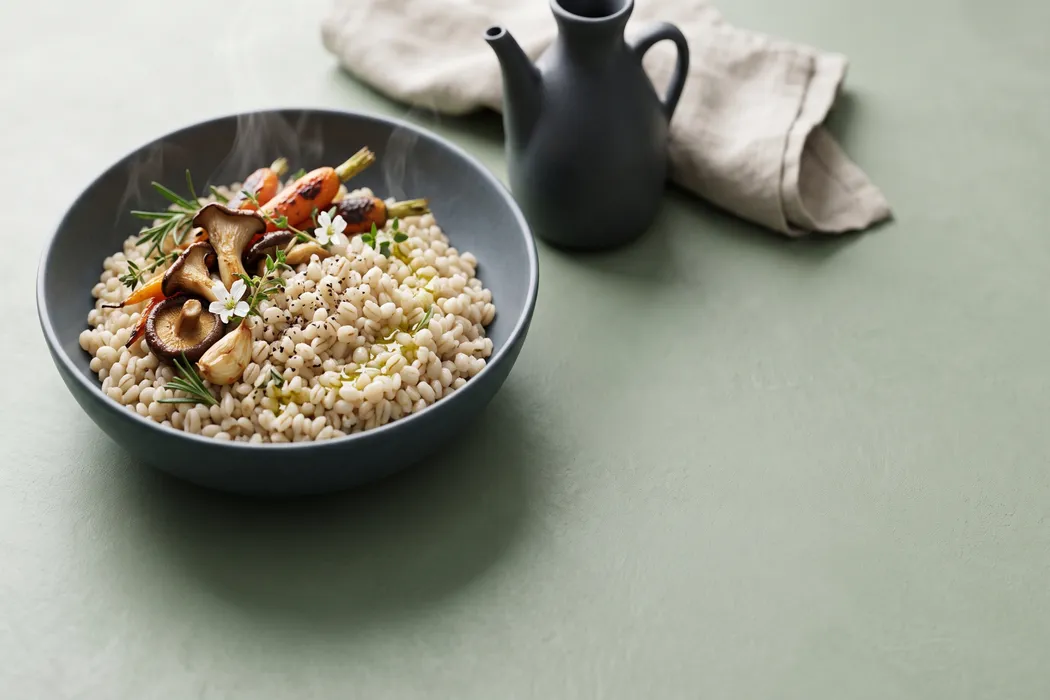
If you prefer to cook from scratch, preparing barley porridge for baby is an easy and affordable alternative to store-bought options. However, before you start cooking, it is important to choose the right type of barley. There are two main types of barley available in grocery stores:

  1. Pearled Barley: This is the most common variety. The outer bran layer is polished off, which means it cooks much faster and is easier on a baby’s developing digestive tract. When cooking with barley for baby food, pearled barley is highly recommended.
  2. Hulled Barley: This version has only the inedible outer hull removed, retaining the fibre-rich bran. While it is incredibly healthy for adults, it takes a very long time to cook and might contain too much fibre for a young baby’s sensitive stomach.

If you are ready to cook, you might wonder: can I give barley porridge to baby starting next week? Absolutely! To make a smooth barley porridge baby cereal, you can grind whole pearled barley into a fine powder using a clean blender or food processor before cooking. Cooking a wholesome barley porridge for baby is a wonderful way to introduce textures gradually while keeping meals fresh and homemade.

A Simple and Delicious Barley Recipe for Baby

Making your own barley baby food is a wonderful way to introduce fresh flavours. This simple barley recipe for baby combines the nutty taste of barley with the natural sweetness of apples, making it an instant favourite for infants.

Creamy Barley and Apple Purée Recipe
Prep time: 5 minutes
Cook time: 20 minutes
Yield: 4 servings

Ingredients:

  • 1/4 cup of pearled barley (ground into a fine powder)
  • 1 cup of filtered water
  • 1/2 of a sweet apple (such as Gala or Fuji), peeled, cored and finely diced
  • Breast milk, formula or additional water to adjust consistency

Instructions:

  1. Grind the Barley: Place the pearled barley into a high-powered blender or food processor. Blend until it becomes a fine, flour-like powder. This helps create a smooth texture.
  2. Boil the Water: Bring 1 cup of water to a boil in a small saucepan.
  3. Whisk and Cook: Whisk the ground barley powder into the boiling water vigorously to prevent clumping. Reduce the heat to low and cover. Let it simmer for about 10 minutes.
  4. Add the Apple: Stir in the diced apple pieces. Cover and continue to simmer for another 10 minutes, or until both the barley and apples are completely soft and tender.
  5. Blend to Smoothness: Remove from heat and let it cool slightly. Transfer the mixture to a blender and purée until completely smooth.
  6. Adjust Consistency: Stir in breast milk or formula to achieve the desired consistency for your baby’s current developmental stage. Serve warm.

This easy recipe is highly adaptable. As your baby grows and gets used to different textures, you can skip the grinding process, cook whole pearled barley until it is extremely soft and mash it lightly with a fork.

How to Store and Freeze Homemade Barley Baby Food?

Since infants eat very small portions, you will likely have leftovers. Storing homemade barley baby food safely is crucial to prevent bacterial growth and preserve nutritional value.

  • Refrigeration: Store freshly cooked barley purée in an airtight, BPA-free container in the refrigerator for up to 3 days.
  • Freezing: Spoon the purée into clean silicone ice cube trays. Freeze until solid, then transfer the frozen barley cubes into a labelled freezer bag. Frozen barley purée remains safe and nutritious for up to 2 months.
  • Thawing: Thaw frozen portions overnight in the refrigerator or warm them gently in a warm water bath. Never refreeze thawed baby food, and always discard any leftovers from a bowl your baby has already eaten from, as saliva can introduce bacteria.

Conclusion

Introducing solids is a beautiful journey of discovery for both you and your little one. Whole grains like barley provide the essential nutrients, fibre and energy your baby needs to thrive during this rapid stage of development. Whether you choose to buy convenient organic options or whip up your own homemade recipes, incorporating barley baby food into your meal preparation is a simple, healthy and delicious way to set your baby up for a lifetime of nutritious eating.

FAQs

Is barley safe for babies with gluten sensitivity?

No. Barley contains gluten. If your baby has been diagnosed with coeliac disease or has a known gluten sensitivity, you should avoid feeding them barley. Always consult your paediatrician if you suspect your child has a food allergy or sensitivity.

Can I give barley porridge to baby every day?

Yes, you can feed barley porridge to your baby daily, but variety is key. The CDC recommends offering a diverse range of single-grain cereals, such as oat, barley and millet, to ensure a broad spectrum of nutrients and to avoid overexposure to any single grain.

How does barley compare to white rice cereal?

Barley is superior nutritionally compared to traditional white rice cereal. It is less processed, contains significantly more natural fibre and has a lower glycaemic index. Additionally, the FDA and AAP have advised limiting rice cereal due to concerns over trace arsenic levels in rice, making barley a much safer and healthier alternative.

How do I store leftover barley baby food?

Leftovers of cooked barley baby food can be stored in the refrigerator in an airtight container for up to 3 days. Alternatively, you can freeze it in individual portion sizes, such as ice cube trays, for up to 2 months.

Can I mix breast milk or formula into my baby's barley cereal?

Yes, absolutely! Mixing breast milk or formula into barley cereal is an excellent way to introduce a familiar flavour to your baby. It also helps adjust the consistency to make it easier for your baby to swallow, while adding valuable fats and nutrients.

Apollo 247 Floating Action Button